

 US Dollar

Understanding the Role of Textiles in Fashion
Posted by BLG on 2025 Oct 11th
Posted by BLG on 2025 Oct 11th

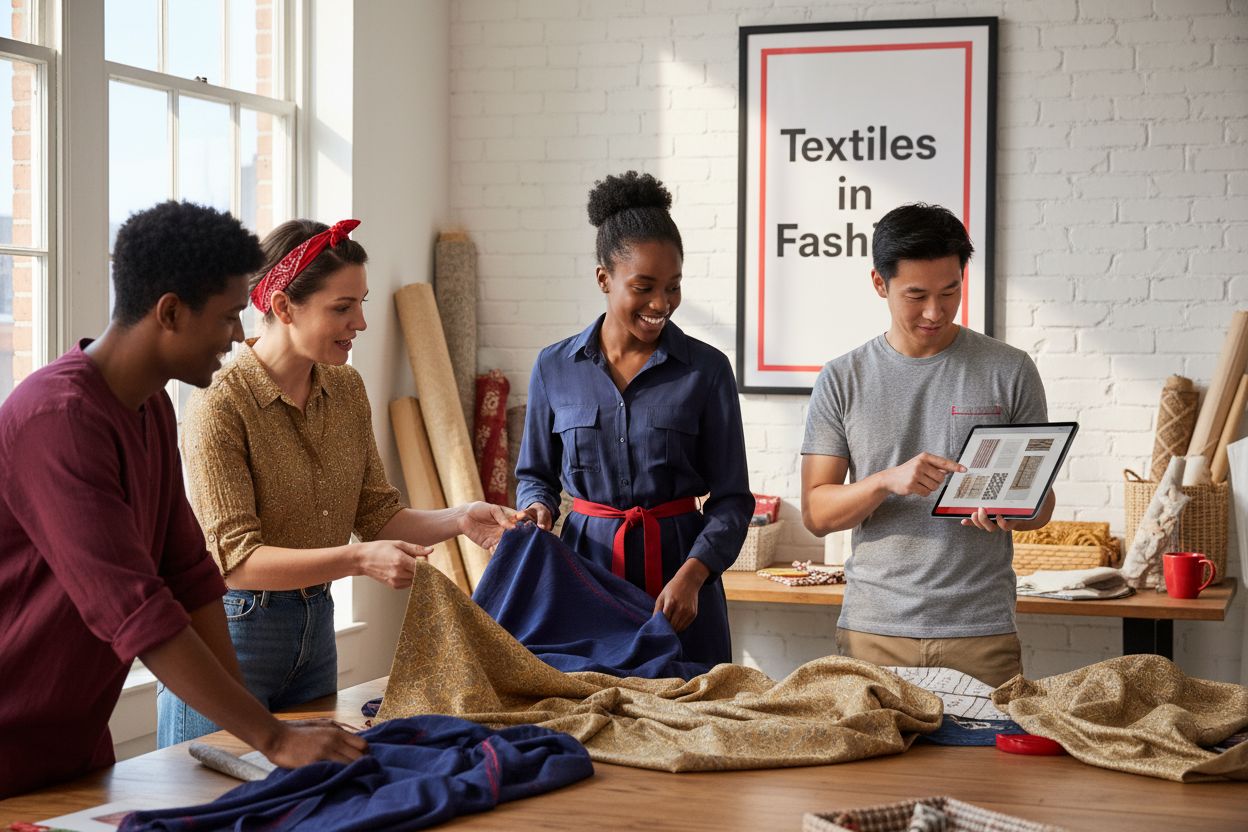
Textiles are the backbone of every piece in your closet, shaping the look, feel, and even performance of what you wear. Designers know this, but most people miss just how much textile choice matters. Fabric selection defines nearly 80 percent of a garment’s visual and tactile character, according to leading textile research. That means every shirt, dress, or pair of pants you see is practically born from the fabric up, and the real story of fashion innovation starts long before the first stitch.
| Takeaway | Explanation |
|---|---|
| Textiles are crucial in fashion design. | Fabric choice heavily influences a garment’s visual appeal and tactile experience, shaping both creativity and consumer interaction. |
| Natural fibers enhance sustainability and comfort. | Natural textiles like cotton and wool offer biodegradability, breathability, and unique textures, contributing positively to ecological and practical aspects of clothing. |
| Performance fabrics improve wearer experience. | Advanced textiles incorporate features like moisture wicking and temperature regulation, enhancing comfort and utility in modern fashion. |
| Cultural narratives are expressed through textiles. | Fabrics and their patterns often carry deep social, historical, and personal significance, serving as nonverbal communication of identity and tradition. |
| Sustainable practices are transforming textile production. | Emphasizing recycling and eco-friendly materials, sustainable approaches are reshaping how textiles are manufactured and consumed, aiming for minimal environmental impact. |
Textiles represent the foundational material that transforms design concepts into wearable art and functional clothing. Understanding the role of textiles in fashion goes beyond simple fabric selection it involves recognizing how material properties, aesthetic qualities, and technical characteristics directly influence clothing design, performance, and consumer experience.
Fashion designers leverage textiles as their primary communication medium, using fabric characteristics to express creative vision and cultural narratives. Different textile properties communicate distinct messages textiles can suggest elegance through silk, ruggedness through denim, or avant garde styling through experimental synthetic blends. Textile Research Institute confirms that fabric selection represents approximately 80% of a garment’s visual and tactile character.
Key textile characteristics that impact fashion design include:
Modern textile engineering has dramatically expanded fashion’s capabilities beyond aesthetic appeal. Advanced fabrics now incorporate performance technologies that enhance wearer comfort, provide environmental adaptability, and offer specialized functionalities. Materials Science Journal highlights how contemporary textiles integrate moisture wicking, temperature regulation, and even biometric monitoring capabilities.
Beyond aesthetic expression, textiles serve critical functional roles in fashion:
The role of textiles in fashion represents a sophisticated intersection of art, engineering, and human experience where material science meets creative design. Designers and manufacturers continuously push boundaries, transforming fabric from mere covering into intelligent, responsive second skin that communicates identity, supports performance, and reflects technological innovation.
Textile diversity represents a complex ecosystem of materials that dramatically transform fashion design possibilities. Each textile type brings unique characteristics that fundamentally alter how clothing looks, feels, and performs, making fabric selection a critical aspect of fashion creation.
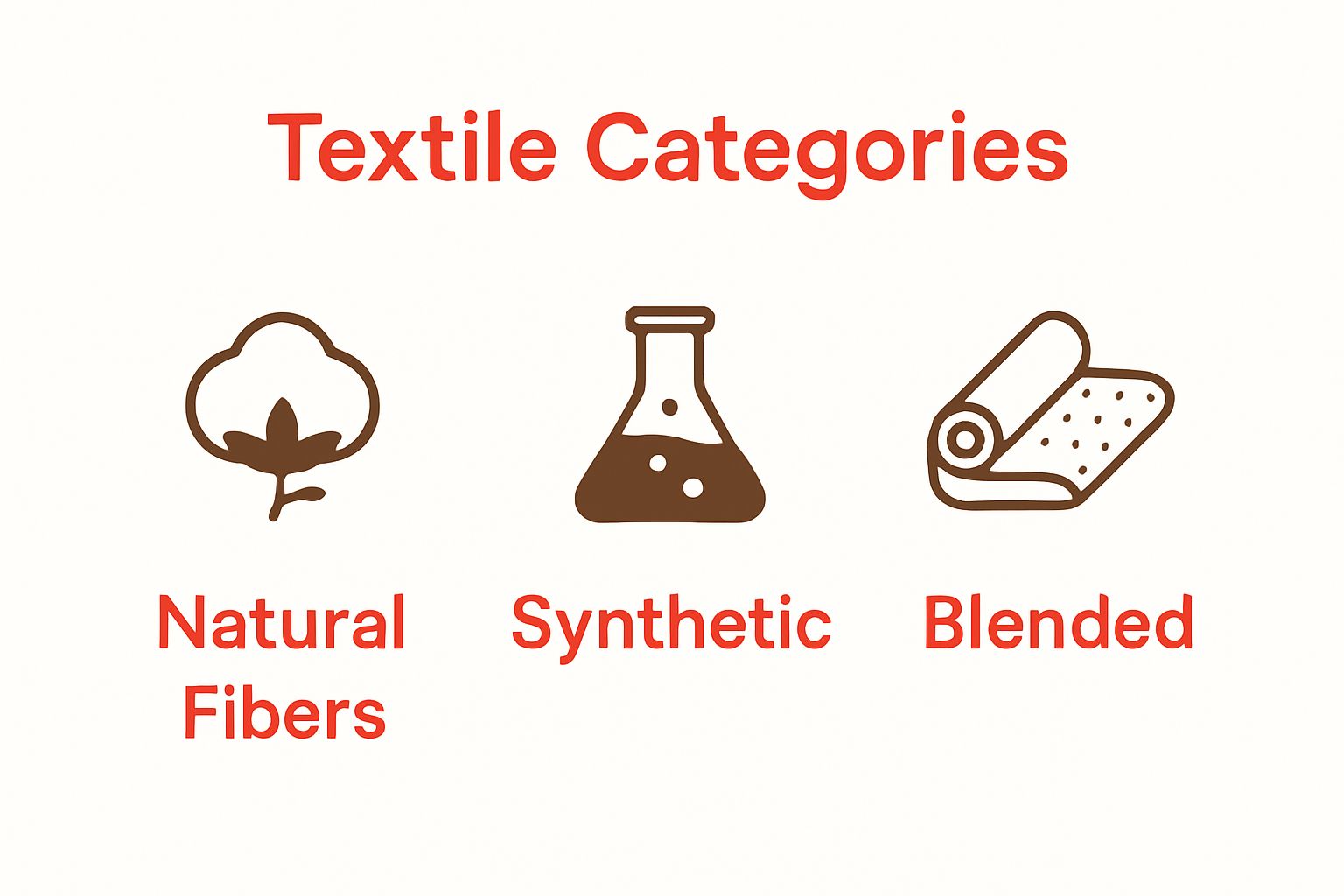
Natural fibers derived from plants and animals offer designers rich, organic materials with inherent aesthetic and functional qualities. Cotton provides breathability and softness, while wool delivers exceptional thermal regulation. Textile Science Journal reveals that natural fibers remain crucial in fashion design due to their sustainable attributes and complex material properties.
Key natural textile characteristics include:
Modern fashion increasingly embraces synthetic textiles engineered for specific performance requirements. Polyester, nylon, and advanced synthetic blends offer designers unprecedented flexibility in creating garments with enhanced durability, stretch, and specialized functional properties. These materials enable innovative design approaches that transcend traditional fabric limitations.
Important synthetic textile innovations include:
Contemporary textile manufacturing increasingly focuses on creating hybrid materials that combine the best attributes of natural and synthetic fibers. These blended textiles represent a sophisticated approach to fashion design, allowing designers to optimize fabric performance while maintaining aesthetic appeal. Advanced textile research continues pushing boundaries, developing smart fabrics that integrate technological functionality with traditional design principles.
Below is a comparison table highlighting the unique characteristics and contributions of different textile types discussed in the article.
| Textile Type | Key Characteristics | Design Impact |
|---|---|---|
| Natural Fiber Textiles | Biodegradable, thermal regulation, natural textures | Sustainable, breathable, supports use of natural dyes |
| Synthetic and Technical Textiles | Moisture wicking, elasticity, durability | Enables performance features and innovative design |
| Blended/Innovative Textiles | Combines natural and synthetic benefits | Optimizes both function and aesthetics |
The evolving landscape of textile design demonstrates how material science continuously transforms fashion’s creative potential, turning fabric from a simple covering into a dynamic medium of artistic and functional expression.
Textiles transcend mere clothing functionality, serving as powerful cultural artifacts that communicate complex social narratives, personal identities, and historical traditions. Each fabric, pattern, and textile construction represents a nuanced language of visual communication deeply rooted in human experience.
Clothing textiles function as profound symbolic systems through which individuals and communities articulate their cultural heritage, social status, and personal beliefs. Traditional textile patterns often encode generational knowledge, regional craftsmanship techniques, and intricate social hierarchies. Cultural Anthropology Research Center demonstrates that textile choices can signify everything from tribal membership to professional occupation, making fabric an essential medium of nonverbal communication.
Key aspects of textile identity expression include:
Many cultures utilize specific textiles as integral components of ceremonial practices, transforming fabric into ritualistic objects with deep spiritual meaning. Wedding garments, religious vestments, and traditional ceremonial clothing represent textile expressions that go far beyond aesthetic considerations, embodying collective cultural memory and spiritual symbolism.
Ceremonial textile characteristics often include:
Textile production and design represent dynamic cultural dialogues that reflect historical trade routes, migration patterns, and cross cultural interactions. Global textile traditions demonstrate how fabric becomes a canvas for storytelling, technological innovation, and cultural exchange. Contemporary fashion increasingly recognizes textiles as living historical documents that connect present design practices with rich ancestral knowledge.
The profound cultural significance of textiles reveals them as far more than simple materials they are complex communication systems that weave together personal identity, collective memory, and artistic expression.
Sustainability has emerged as a transformative force in textile production, challenging traditional manufacturing processes and reshaping how designers conceptualize fabric creation, consumption, and environmental impact. The fashion industry increasingly recognizes textiles as a critical arena for implementing ecological innovations and responsible material strategies.
Modern textile sustainability focuses on reducing environmental footprints through innovative material sourcing and manufacturing techniques. Designers and manufacturers are developing textiles that minimize water consumption, chemical usage, and carbon emissions. Environmental Textile Research Foundation reports that sustainable textile production can reduce industrial water consumption by up to 60% compared to traditional manufacturing methods.
Key sustainable textile development strategies include:
Circular economy principles are revolutionizing textile production by emphasizing materials that can be continuously recycled, reused, or biodegraded. This approach challenges the traditional linear model of textile manufacturing, which often results in significant waste. Advanced textile technologies now enable designers to create fabrics with built in recyclability, transforming how clothing lifecycle is conceptualized.
Important circular textile design considerations include:
Cutting edge technological developments are expanding sustainable textile possibilities, introducing materials that offer unprecedented environmental performance. Innovations range from plant based leather alternatives to fabrics created from agricultural waste, demonstrating how scientific research can transform textile production into a regenerative rather than extractive process.
The evolution of sustainable textiles represents more than an environmental imperative it signifies a fundamental reimagining of how humanity interacts with material production, placing ecological responsibility at the core of fashion design philosophy.
The following table summarizes major approaches to sustainability in textile production and their core strategies as presented across the relevant sections.
| Sustainability Approach | Key Strategies and Features |
|---|---|
| Ecological Textile Production | Recycled fibers, water conservation, reduced chemicals, biodegradability |
| Circular Economy in Design | Designing for disassembly, multi-use fabrics, regenerative systems |
| Technological Innovations | Plant-based alternatives, waste-derived fabrics, advanced recycling |
The future of textile design represents a groundbreaking convergence of technology, sustainability, and creative imagination, where materials are no longer passive coverings but intelligent, responsive systems that interact dynamically with human experience. Emerging textile innovations promise to revolutionize how we conceptualize clothing, performance, and personal expression.
Biotechnological breakthroughs are transforming textile production by introducing living materials that can adapt, respond, and evolve. Scientists are developing fabrics grown from microorganisms, engineered to change color, regulate temperature, and even heal themselves. Biomaterial Design Institute highlights how these advanced textiles could fundamentally reshape our understanding of clothing as a passive artifact.
Key biotechnological textile innovations include:
Smart textiles integrate advanced electronic and digital capabilities directly into fabric structures, creating garments that function as interactive communication platforms. These technologies enable clothing to monitor health metrics, adjust to environmental conditions, and provide unprecedented levels of personal customization.
Emerging smart textile designs blur boundaries between fashion, technology, and personal health monitoring.
Critical smart textile capabilities encompass:
The next generation of textile innovation focuses on creating materials that are not just sustainable but actively regenerative. Researchers are developing fabrics that can absorb carbon, clean environmental pollutants, and contribute positively to ecological systems. These revolutionary textiles represent a paradigm shift from extractive to generative material design.

Textile innovation stands at a remarkable crossroads where scientific research, creative design, and ecological consciousness converge, promising a future where clothing transcends traditional boundaries and becomes a dynamic, intelligent extension of human potential.
Unlock your potential as a designer or creator by choosing textiles that truly reflect your vision. As highlighted in “Understanding the Role of Textiles in Fashion,” fabric is more than just a material—it is the foundation for creative expression, performance, and sustainability. Whether you struggle finding the right texture, durability, or innovative blends to bring your fashion ideas to life, the journey always begins with quality textile selection. 
Discover an extensive range of premium fabrics at fabric-fabric.com, where each product listing provides clear descriptions, usage suggestions, and expert advice to match your goals. From elegant silk to rugged denim and technical blends, you will find options that support your unique needs in apparel, home decor, quilting, or crafts. Experience how easy it is to shop by project or style, and enjoy access to exclusive discounts and seamless checkout. Take the next step now by exploring fabric-fabric.com and transform your creative concepts into reality today.
Textiles are critical in fashion design as they determine the visual and tactile characteristics of garments. By selecting appropriate fabrics, designers can effectively communicate their creative vision and enhance overall garment performance.
Textile properties such as breathability, elasticity, and moisture-wicking directly influence how well a garment performs during wear. To improve comfort and function, evaluate these characteristics when choosing fabrics for specific clothing purposes.
Natural fibers, like cotton and wool, are biodegradable and provide exceptional thermal management. Consider incorporating these materials into your designs to promote sustainability and utilize their inherent aesthetic qualities.
To ensure sustainability in your textile choices, prioritize environmentally friendly production methods, such as using recycled fibers and reducing water consumption. Aim to follow circular economy principles by designing for durability and recyclability in your garments.
Stay informed about advancements such as smart textiles that integrate technology for health monitoring or biotechnological fabrics that can adapt to environmental conditions. Research these innovations to incorporate cutting-edge materials into your fashion projects.
Textiles carry cultural meanings that can express identity and social narratives, impacting design choices. To respect and honor cultural significance, research the history and stories behind specific fabrics and patterns when incorporating them into your designs.