

 US Dollar

What Is Upholstery Foam? Complete Guide for 2025
Posted by BLG on 2025 Nov 30th
Posted by BLG on 2025 Nov 30th

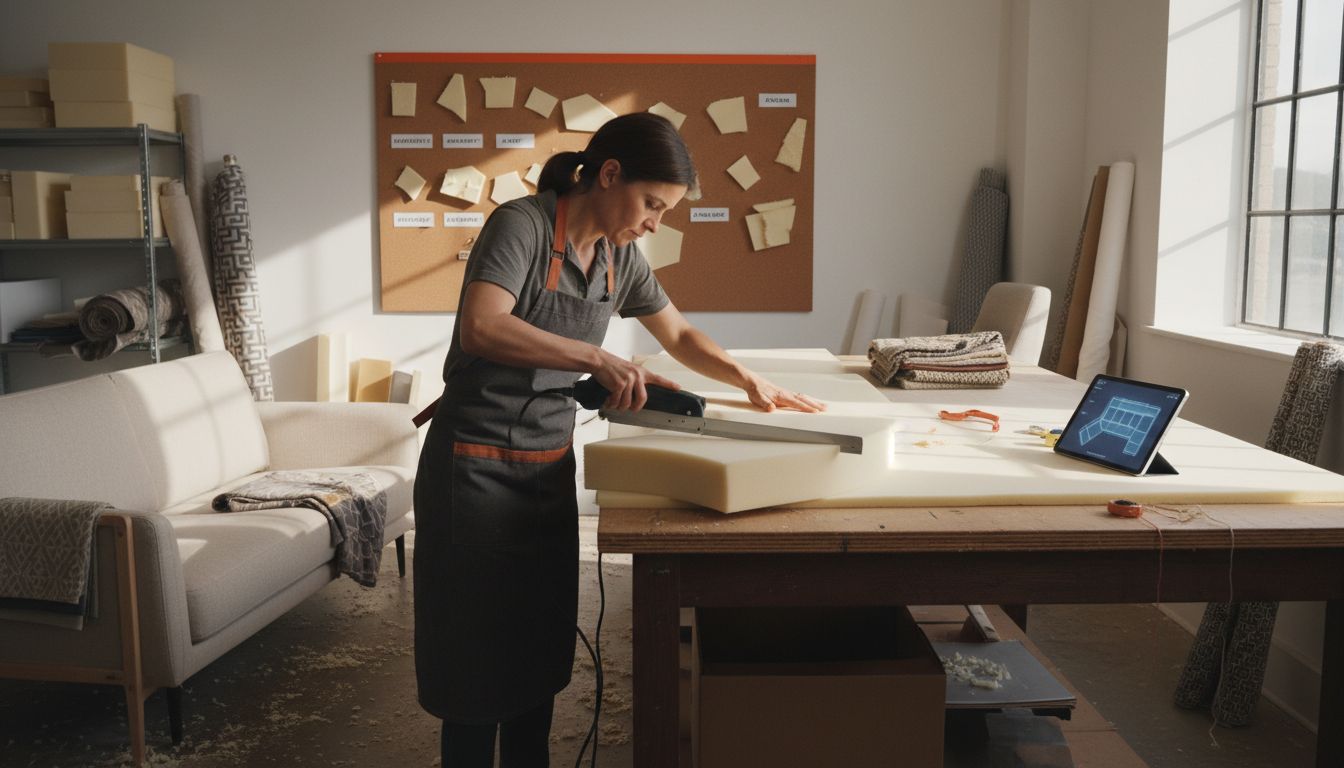
Over 90 percent of american furniture commonly relies on upholstery foam for its comfort and support. Whether you are buying a new sofa or updating a cherished armchair, understanding this material can influence both the feel and the life span of your furniture. With so many foam options available, knowing the basics behind design, density, and durability helps you make smarter choices for everyday comfort and lasting performance.
| Point | Details |
|---|---|
| Upholstery foam provides essential support and comfort in various applications. | It is engineered for specific density and resilience, making it suitable for furniture, automotive, medical, and more. |
| Different types of upholstery foam offer unique benefits. | High-density foam is ideal for consistent support, while memory foam conforms to body shapes for added comfort. |
| Key performance factors influence foam selection. | Density, compression resistance, and durability are critical metrics to consider based on the intended use and environment. |
| Proper care extends the life of upholstery foam. | Regular cleaning, correct density selection, and protection from environmental factors are vital to maintaining foam performance. |
Upholstery foam is a specialized cushioning material designed to provide support, comfort, and structure in furniture and various applications. Unlike standard padding, this engineered material offers precise density and resilience for different uses. Polyurethane foam technologies have revolutionized how manufacturers create comfortable seating and padding across multiple industries.
The core characteristics of upholstery foam include its ability to absorb pressure, retain shape, and provide consistent support. Flexible polyurethane foam typically comes in varying densities that determine its performance. Professional manufacturers prioritize foam with densities of 1.8 pounds per cubic foot or higher for optimal seating applications, ensuring durability and long-lasting comfort.
Common uses for upholstery foam span multiple industries and design contexts:
Understanding the specific properties of upholstery foam helps designers and manufacturers select the right material for their unique requirements. Whether creating a plush residential armchair or designing ergonomic industrial seating, the right foam makes all the difference in comfort and performance.
Upholstery foam comes in several specialized types, each designed to meet specific comfort and performance requirements. Foam manufacturing technologies have evolved to create diverse options that cater to different design needs, from residential furniture to industrial applications. Understanding these variations helps designers and manufacturers select the most appropriate material for their specific projects.
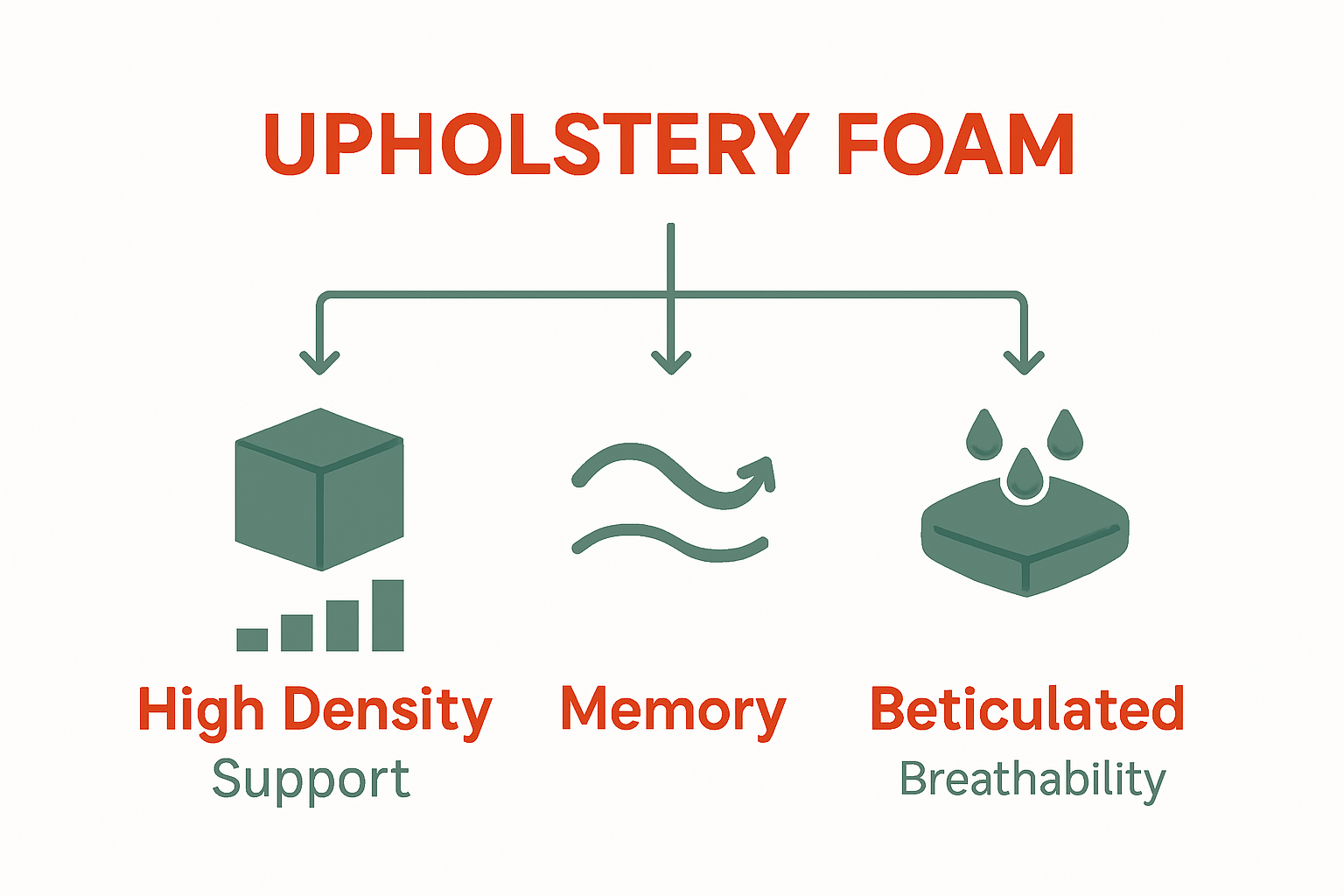
Advanced upholstery foam types can be categorized into several key classifications:
Each foam type presents unique characteristics that make it suitable for specific applications. High-density foams excel in furniture that requires consistent support, while memory foam provides personalized comfort in seats and mattresses. Outdoor applications benefit from reticulated foam’s moisture-resistant properties, making it ideal for marine and patio furniture. Professional designers carefully select foam types based on factors like intended use, expected compression, environmental conditions, and desired aesthetic qualities.
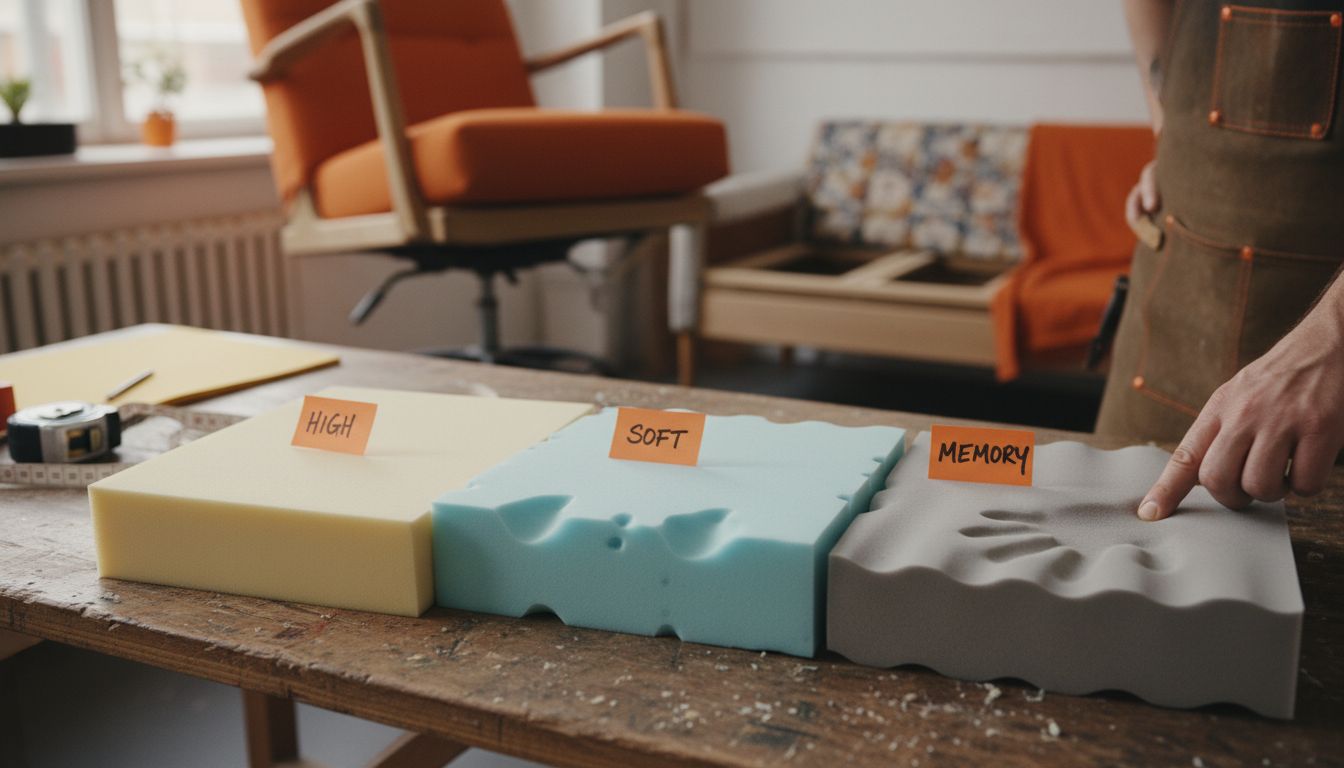
The selection process involves evaluating critical performance metrics such as density, compression resistance, and longevity. By understanding the nuanced differences between foam types, manufacturers can create products that meet precise comfort and durability standards across various industries and design contexts.
Performance metrics are critical in determining the quality and suitability of upholstery foam for various applications. Energy absorption capabilities play a fundamental role in understanding how different foam materials respond to compression, impact, and sustained use. These characteristics directly influence the comfort, durability, and overall performance of furniture and cushioning materials.
Key performance factors that manufacturers and designers evaluate include:
Comparative foam studies reveal significant variations in stress-strain behavior across different foam compositions. Low-density polyurea foams, for instance, demonstrate unique energy absorption characteristics that make them particularly effective in cushioning applications. The intricate relationship between foam structure and performance means that designers must carefully match material properties to specific end-use requirements.
Ultimately, selecting the right upholstery foam involves a sophisticated assessment of mechanical properties, environmental conditions, and intended application. Professional designers consider factors like expected load, frequency of use, environmental exposure, and aesthetic requirements to determine the most appropriate foam type. This nuanced approach ensures that the final product meets precise performance standards while delivering optimal comfort and longevity.
Selecting the perfect upholstery foam requires a strategic approach that considers multiple performance factors. Foam material selection involves understanding the nuanced differences between foam types and matching them to specific project requirements. Professional designers and manufacturers approach this process with careful consideration of application-specific needs.
Key selection criteria include:
Comprehensive foam selection guides emphasize the importance of understanding the subtle differences between open-cell and closed-cell foam technologies. Designers must evaluate factors like density, firmness, and compression resistance to ensure optimal performance. High-traffic areas require more robust foam with higher density, while decorative or low-use applications might prioritize softer, more plush options.
Ultimately, successful foam selection is about balancing technical specifications with practical requirements. Professionals recommend conducting thorough testing and considering long-term performance expectations. This approach ensures that the selected foam not only meets immediate design needs but also provides lasting comfort, support, and aesthetic appeal across various applications.
Upholstery foam maintenance is crucial for preserving the comfort and performance of furniture and cushioning materials. Proper care techniques can significantly extend the lifespan of foam products, preventing premature degradation and maintaining optimal comfort levels. Understanding the key factors that impact foam durability helps designers and users make informed decisions about long-term preservation.
Common mistakes in foam selection and maintenance often lead to reduced performance and shortened product life. Critical errors to avoid include:
Maintaining upholstery foam requires a proactive approach that combines careful selection, regular cleaning, and protective strategies. Professionals recommend periodic rotation of cushions, using protective covers, and addressing spills immediately to prevent long-term damage. Environmental factors like humidity, temperature fluctuations, and direct sunlight can accelerate foam degradation, making protective measures essential for maintaining the material’s integrity and performance.
Ultimately, the key to maximizing upholstery foam longevity is understanding its specific properties and limitations. Regular inspection, gentle cleaning, and avoiding extreme conditions will help preserve the foam’s comfort, support, and aesthetic qualities over time. Investing time in proper care can dramatically extend the useful life of foam products, providing better value and performance for users.
Choosing the right upholstery foam and fabric can feel overwhelming with so many options and technical terms like density, compression resistance, and moisture resistance. This guide breaks down upholstery foam essentials but pairing quality foam with the right textile is just as critical for lasting comfort and style. Whether you want durable support for high-traffic furniture or plush softness for decorative pieces understanding both foam properties and fabric types ensures a successful result.
Explore the extensive collection of premium fabrics at Fabric Fabric to complement your foam choice perfectly. From durable upholstery fabrics to plush velvets and weather-resistant textiles, you can find materials that match your comfort needs and aesthetic vision. Act now to get access to seasonal sales, free shipping offers, and expert guidance that helps you create furniture with outstanding comfort and longevity. Start your project today by visiting Fabric Fabric’s homepage and transform your upholstery ideas into reality.
Upholstery foam is a specialized cushioning material designed to provide support and comfort in furniture and other applications. It is commonly used in furniture manufacturing, automotive seat cushioning, marine vessel seating, medical equipment padding, and custom DIY projects.
Upholstery foam comes in various types, including high-density foam, medium-density foam, memory foam, reflex foam, reticulated foam, and soft seat layered foam. Each type has specific characteristics tailored for different applications, such as durability, comfort, and moisture resistance.
Selecting the right upholstery foam involves considering factors such as intended usage, expected compression load, comfort requirements, environmental conditions, durability expectations, and budget constraints. A strategic approach ensures optimal performance for specific applications.
To extend the lifespan of upholstery foam, it is essential to select the correct density, perform regular cleaning, store foam properly away from extreme temperatures, avoid overcompression, protect from UV exposure, and use gentle cleaning agents. Regular inspection and proactive care can significantly enhance foam longevity.