

 US Dollar

What is thermal fabric: guide to warmth and comfort
Posted by BLG on 2026 Mar 6th
Posted by BLG on 2026 Mar 6th

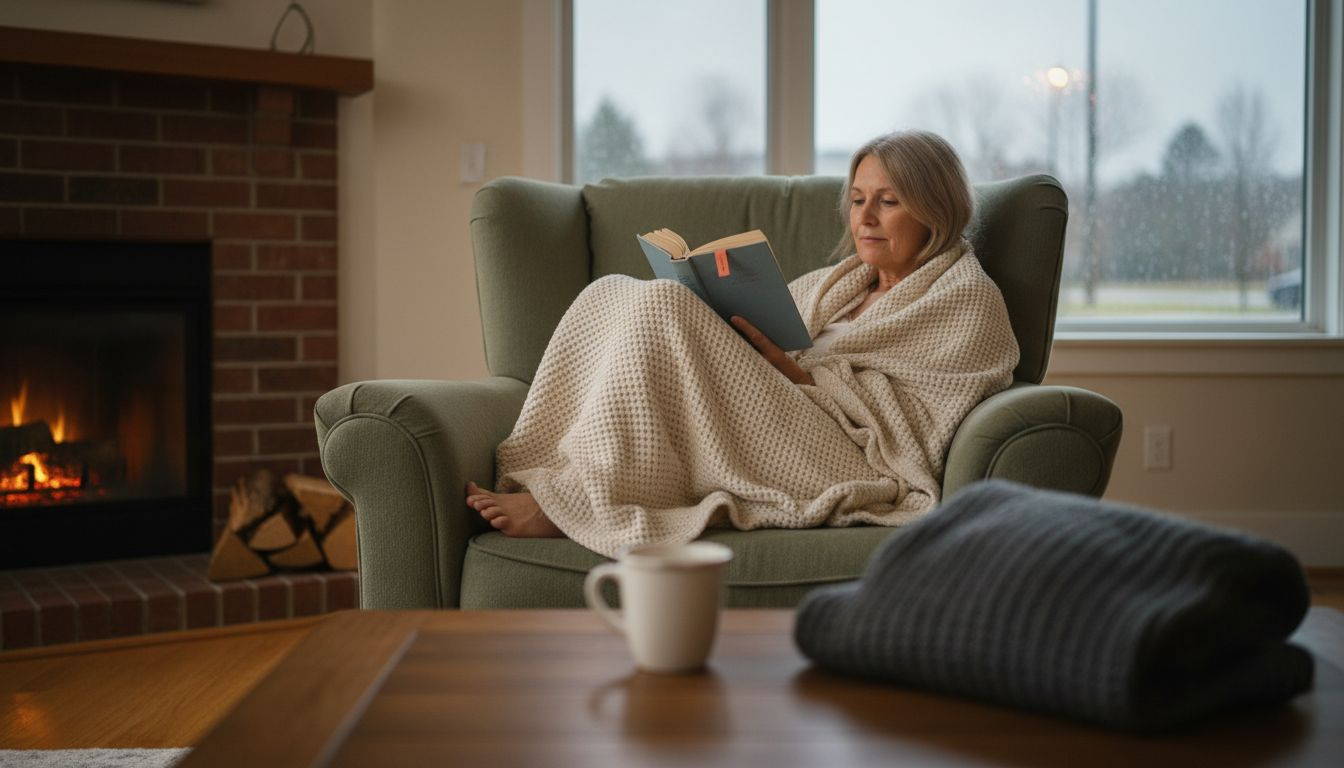
Many people think thermal fabric means bulky, heavy layers that restrict movement. Actually, modern thermal fabric traps heat efficiently without excessive weight by using specialized weaves and fiber blends. This guide explains how thermal fabrics balance warmth, breathability, and comfort for crafters and fashion designers creating insulating clothing and home decor projects.
| Point | Details |
|---|---|
| Heat trapping mechanism | Thermal fabric uses air pockets from special weaves to trap body heat without bulky weight. |
| Fiber blend benefits | Natural and synthetic fiber combinations provide warmth, durability, and moisture control. |
| Moisture management | Wicking properties keep skin dry to enhance comfort and maintain insulation effectiveness. |
| Diverse fabric types | Multiple thermal fabric varieties serve different crafting and fashion design needs. |
| Selection criteria | Choose based on intended use, fiber content, weave structure, and care requirements. |
Thermal fabric is engineered with specific fibers and weaves to trap body heat close to the skin, providing effective insulation. This specialized textile design creates warmth without the bulk traditionally associated with heavy winter garments.
The core properties that define thermal fabric include heat retention, breathability, and moisture management. Heat retention comes from the fabric’s ability to trap warm air in tiny pockets created by the weave structure. Breathability allows excess heat and moisture vapor to escape, preventing overheating during activity. Moisture management moves perspiration away from skin to maintain comfort and preserve insulating properties.
Historically, people achieved insulation through thick layers of wool or fur. Modern thermal fabrics evolved to provide better warmth-to-weight ratios using advanced textile engineering. This innovation matters because lighter, thinner insulating materials allow greater mobility and comfort in both clothing and home textiles.
Applications in crafts and fashion projects include:
Key textile terms you’ll encounter include loft (the thickness and fluffiness that creates insulating air space), wicking (moisture transfer away from skin), and GSM (grams per square meter, indicating fabric weight and density).
Pro Tip: When selecting thermal fabric explained options for projects, consider how the garment or item will be used to match fabric properties with performance needs.
Thermal fabrics commonly blend synthetic and natural fibers to optimize performance characteristics. Understanding fiber properties helps you select the right material for your specific project requirements.
Natural fibers bring unique benefits to thermal textiles. Cotton provides softness and breathability while naturally absorbing moisture. Merino wool offers exceptional warmth-to-weight ratio and retains insulating properties even when damp. Both fibers feel comfortable against skin and work well for garments worn directly on the body.
Synthetic fibers enhance durability and performance. Polyester dries quickly, resists shrinking, and maintains shape through repeated washing. Nylon adds strength and abrasion resistance, making fabrics more durable for active use. These synthetic materials also cost less than natural fibers and offer consistent quality.
Manufacturers create blends to balance competing priorities. A cotton-polyester blend combines cotton’s comfort with polyester’s durability and quick-drying properties. Merino wool mixed with nylon gains strength while keeping wool’s thermal benefits. These combinations let you optimize warmth, moisture management, and longevity for different applications.
Fiber choice significantly affects fabric feel and care requirements. Natural fiber content increases softness and breathability but may require gentler washing. Higher synthetic content improves durability and ease of care but can reduce breathability. Learning about fabric blends in fashion guide approaches helps match materials to project needs.
Common thermal fabric compositions include:
Pro Tip: Combining fibers optimizes comfort and performance, so choose blends that prioritize your most important project requirements whether warmth, durability, or easy care.
Exploring fabric blends complete guide resources and understanding thermal clothes fiber content details empowers better material decisions.
Thermal fabric traps heat through air pockets created by specialized weave structures and surface textures. The construction method directly impacts insulation effectiveness and comfort.
Waffle weaves create a distinctive honeycomb texture with raised squares separated by recessed valleys. These three-dimensional structures form countless tiny air pockets that trap warm air close to the skin. Box weaves produce similar results with a different pattern, creating textured surfaces that increase fabric thickness without adding weight.
Fiber loft and fleece surfaces enhance heat retention through different mechanisms. Loft refers to the natural thickness and springiness of fibers that creates insulating space. Fleece surfaces feature brushed or raised fibers that stand away from the fabric base, multiplying air pockets. Both approaches increase the amount of still air trapped within the fabric structure.
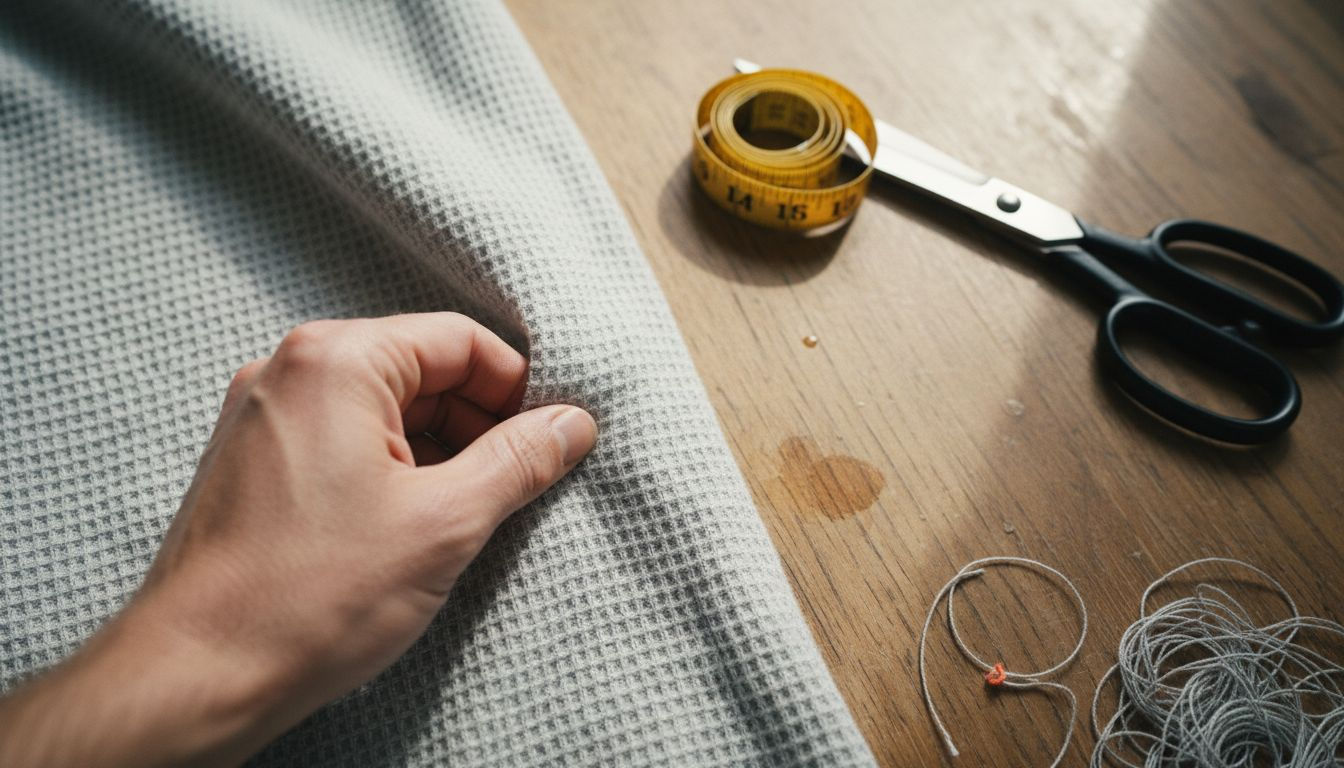
Trapped air functions as insulation because air is a poor heat conductor. When fabric structure immobilizes air in small pockets, body heat cannot easily escape through convection or conduction. Simultaneously, the fabric must allow some air exchange for breathability, preventing moisture buildup and overheating during activity.
Moisture-wicking properties are critical because wet fabric loses insulating ability. Wicking moves liquid perspiration away from skin to the fabric’s outer surface where it can evaporate. This process keeps skin dry, maintains comfort, and preserves the air pockets that provide insulation.
The relationship between construction elements:
| Construction Feature | Heat Retention Mechanism | Breathability Impact |
|---|---|---|
| Waffle weave | Creates air pockets in honeycomb pattern | Moderate - valleys allow air flow |
| Brushed surface | Raises fibers to trap more air | Lower - denser fiber surface |
| Fleece construction | Lofted fibers create maximum air space | Variable by fleece density |
| Tight knit | Dense structure reduces air movement | Lower - restricts air exchange |
| Loose knit | Larger air pockets, less dense | Higher - more air circulation |
Pro Tip: Choose fabric construction based on activity level and layering needs - tighter constructions for stationary warmth, more breathable options for active use.
Understanding thermal fabric heat regulation principles and thermal fabric moisture wicking functions helps match construction to purpose.
Different types of thermal fabric serve distinct purposes based on their construction, fiber content, and performance characteristics. Knowing these categories helps you select the ideal material for specific projects.
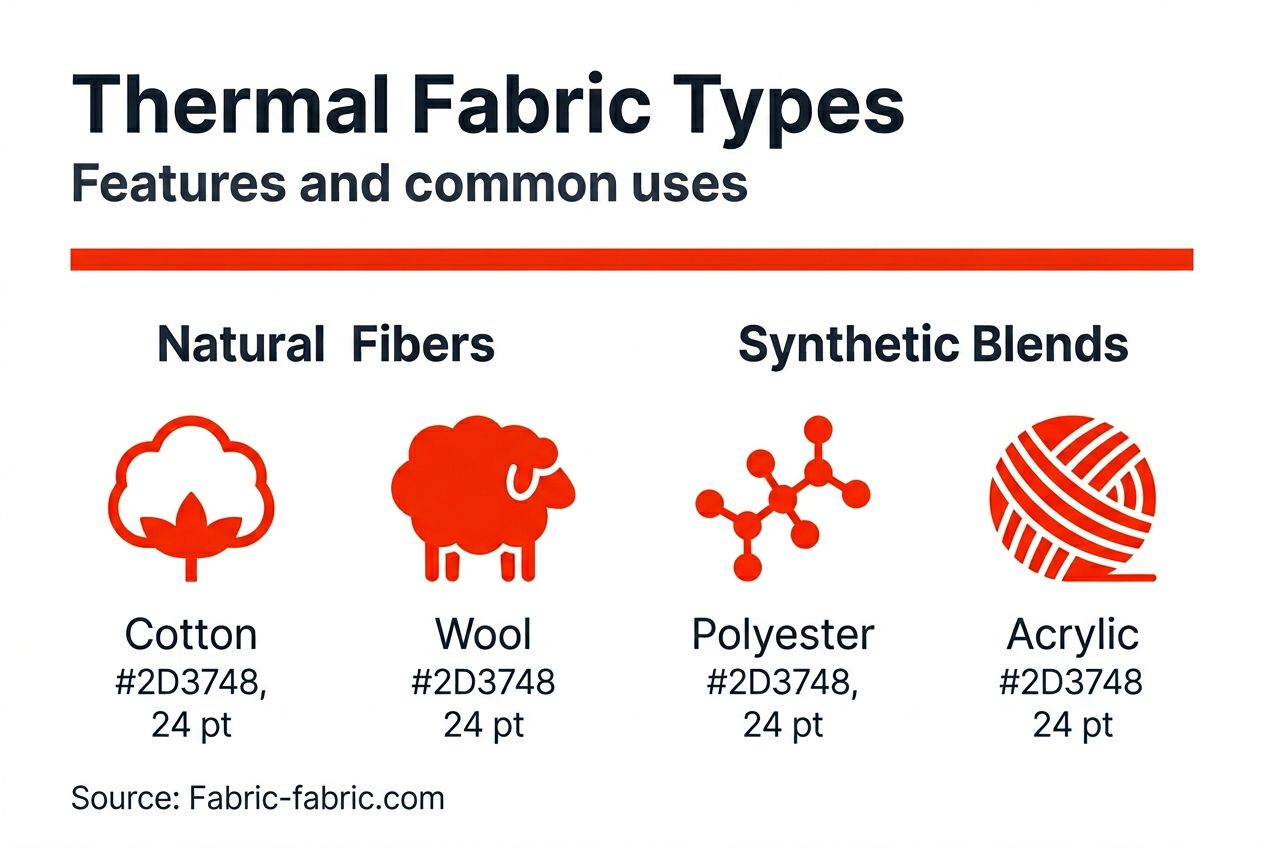
Fleece represents one of the most popular thermal fabric types. This knitted fabric features a brushed surface that creates a soft, fuzzy texture full of air pockets. Fleece offers excellent warmth-to-weight ratio, dries quickly, and resists pilling. It works well for jackets, blankets, and active wear where lightweight insulation matters.
Flannel provides another widely used thermal option. This woven fabric undergoes brushing on one or both sides to raise soft fibers from the surface. The brushed texture traps air for warmth while maintaining the structure and drape of woven fabric. Understanding what is flannel construction helps you appreciate its thermal properties.
Synthetic thermal blends combine engineered fibers to maximize specific performance features. These fabrics often incorporate moisture-wicking technology, stretch for fit, and enhanced durability. They excel in base layers, active wear, and situations requiring quick drying.
Common garment applications include base layers worn directly against skin to wick moisture and trap initial heat. Mid-layers like fleece jackets provide primary insulation. Sleepwear and loungewear use softer thermal knits for comfort. Layering pieces combine with other garments for versatile temperature regulation.
Home decor applications extend thermal fabric benefits beyond clothing. Thermal curtains reduce heat loss through windows using insulating fabric layers. Blankets and throws provide cozy warmth for furniture and bedding. Table covers and wall hangings add both decorative appeal and modest insulation.
Comparison of thermal fabric types:
| Fabric Type | Warmth Level | Weight | Texture | Typical Uses |
|---|---|---|---|---|
| Fleece | High | Light to medium | Soft, fuzzy | Jackets, blankets |
| Flannel | Medium | Medium | Soft, brushed | Shirts, sleepwear |
| Waffle knit | Medium | Light | Textured, structured | Base layers, loungewear |
| Synthetic blend | Variable | Light | Smooth to textured | Active wear, base layers |
| Thermal curtain | High | Heavy | Structured, often backed | Window treatments |
Select fabric type based on whether your project prioritizes maximum warmth, specific texture, ease of care, or particular drape characteristics. Each type offers distinct advantages for different applications.
Thermal fabric differs from regular knit fabrics through intentional design for heat retention rather than simple comfort or stretch. Understanding these distinctions guides appropriate fabric selection.
Regular knits focus on stretch, drape, and softness without specialized insulating structures. Standard jersey knits, for example, provide comfort and flexibility but lack the air-trapping construction of thermal knits. Regular knits work for moderate temperatures but offer limited warmth in cold conditions.
Thermal knits incorporate waffle weaves, brushed surfaces, or textured patterns specifically engineered to trap heat. The three-dimensional structure creates more air pockets than flat knits. This design difference results in superior warmth without proportional weight increase.
Comparing thermal fabric to other insulating materials reveals important tradeoffs. Wool provides excellent natural insulation and moisture management but can feel scratchy, requires careful washing, and costs more. Fleece offers great warmth-to-weight ratio but lacks the structured drape of woven fabrics. Down insulation provides maximum warmth for weight but loses effectiveness when wet and requires special care.
Bulkiness versus insulation efficiency represents a key consideration. Traditional heavy fabrics achieve warmth through sheer thickness, restricting movement and adding weight. Modern thermal fabrics engineer better warmth-to-weight ratios using specialized construction and fiber technology.
Stretch capacity varies significantly across insulating fabrics. Thermal knits maintain good stretch for comfortable fit. Woven thermal fabrics like flannel offer less stretch but more structure. Quilted or filled insulation restricts stretch considerably, trading flexibility for maximum warmth.
Fabric comparison for different properties:
| Fabric Type | Warmth Rating | Breathability | Stretch | Bulk Level | Best Use |
|---|---|---|---|---|---|
| Thermal knit | High | Good | Excellent | Low | Base layers, active wear |
| Regular knit | Low | Excellent | Excellent | Very low | Everyday wear |
| Fleece | High | Moderate | Good | Low-Medium | Mid-layers, blankets |
| Wool | Very high | Good | Moderate | Medium | All-purpose insulation |
| Down-filled | Maximum | Low | Poor | Medium-High | Extreme cold outerwear |
| Quilted cotton | Medium | Moderate | Poor | High | Traditional blankets |
These differences influence fabric choice based on specific project requirements. Base layers need stretch and breathability, suggesting thermal knits. Stationary warmth like blankets can prioritize insulation over flexibility. Active wear demands moisture management and movement freedom.
Consider how each fabric characteristic aligns with your intended use. A thermal fabric excels for fitted garments requiring warmth and mobility. Heavier insulation suits outer layers where bulk matters less. Understanding thermal vs regular knit comparison helps match material to purpose.
Common misconceptions about thermal fabric lead to poor selection and disappointing results. Clearing these myths ensures realistic expectations and better project outcomes.
Myth: Thermal fabric is always bulky and heavy. Modern thermal fabrics achieve excellent insulation through engineered construction rather than bulk. Waffle knits and fleece provide substantial warmth while remaining lightweight and flexible. The specialized weave structure, not thickness alone, creates effective insulation.
Myth: Thermal fabric only uses synthetic fibers. While synthetic materials offer certain advantages, many thermal fabrics incorporate natural fibers like cotton and wool. Cotton thermal knits provide breathable warmth for moderate conditions. Merino wool offers premium natural insulation. Blends combine the best properties of both fiber types.
Myth: Thermal fabrics trap moisture and cause discomfort. Quality thermal fabrics include moisture-wicking properties that actively move perspiration away from skin. The fabric structure allows vapor transmission while trapping heat. Poor quality or inappropriate fabric choices may trap moisture, but well-designed thermal textiles manage moisture effectively.
Myth: All thermal fabrics perform identically regardless of construction. Significant performance differences exist between fabric types based on fiber content, weave structure, and finishing treatments. Waffle knits, fleece, flannel, and synthetic blends each offer distinct characteristics. Weight, texture, breathability, and care requirements vary substantially across thermal fabric categories.
Understanding specific fabric properties matters more than generic labels. Two fabrics marketed as “thermal” may perform very differently based on construction details. Check fiber content, weave type, weight, and intended application when selecting materials.
Key distinctions to verify:
Clearing these thermal fabric misconceptions helps you evaluate fabrics accurately and choose materials that truly meet your project requirements.
Selecting and maintaining thermal fabric properly ensures optimal performance and longevity in your finished projects. Follow this systematic approach to make informed decisions.
Identify your use case and environment requirements. Determine whether you need base layer warmth, mid-layer insulation, or outer protection. Consider activity level, as active use requires more breathability. Evaluate typical temperature conditions and whether moisture management matters for your application.
Choose suitable fiber blends for desired performance. Select natural fiber content for next-to-skin comfort and breathability. Pick synthetic blends for durability and quick-drying properties. Consider your fabric selection guide priorities like washability versus warmth.
Select appropriate fabric construction for heat retention needs. Waffle knits provide structured warmth with good breathability. Fleece offers maximum warmth-to-weight ratio. Brushed surfaces add softness and moderate insulation. Learning about technical textiles insights helps match construction to purpose.
Consider layering strategy and mobility requirements. Thinner base layers should stretch and fit close to skin. Mid-layers can have more loft and looser fit. Balance bulk against movement needs, especially for garments requiring arm or leg mobility.
Follow recommended washing and drying practices to maintain insulation. Use gentle cycles with mild detergent to preserve fabric structure. Avoid high heat that can damage synthetic fibers or shrink natural content. Air drying or low tumble heat protects the air-trapping texture that provides warmth.
Additional care considerations preserve thermal fabric effectiveness over time. Skip fabric softener, which coats fibers and reduces moisture-wicking ability. Wash thermal items separately or with similar fabrics to prevent abrasion damage. Store clean and completely dry to prevent mildew in natural fiber content.
Pro Tip: Always test a fabric swatch for sewability and care compatibility before committing to a full project, especially when trying new thermal fabric types.
Detailed fabric care step guide resources and understanding thermal fabric care tips help maintain your finished items properly.
Proper selection and care maximize your investment in quality thermal fabrics for both clothing and home decor projects.
Now that you understand thermal fabric properties and selection criteria, put that knowledge into practice with quality materials for your next project.
Fabric-fabric.com offers an extensive selection of thermal and insulating textiles suited for both apparel and home applications. Browse home decor fabrics that combine warmth with beautiful texture and color options. Discover specialized materials including backdrop fabrics that provide insulation for creative spaces.
Our collection includes various weights, fiber blends, and constructions to match your specific project requirements. Whether you’re creating cozy garments, insulated window treatments, or warm blankets, you’ll find fabrics with the thermal properties and aesthetic appeal your vision demands. Each product listing provides detailed specifications to help you make informed choices.
Thermal fabric typically features a textured surface like waffle knit honeycomb patterns or brushed fleece. The fabric feels thicker than regular knits of similar weight due to its three-dimensional structure. You can often see or feel the raised texture that creates air-trapping pockets.
Yes, thermal fabric works well for both applications. Clothing uses thermal fabrics in base layers, mid-layers, and sleepwear. Home decor applications include thermal curtains, blankets, throws, and upholstery where insulation enhances comfort. Choose weight and texture appropriate to your specific project.
Thermal fabric excels in layering systems for outdoor wear. Use lightweight thermal knits as base layers against skin for moisture wicking and initial insulation. Add heavier thermal fleece or brushed fabrics as mid-layers for primary warmth. The breathability of quality thermal fabrics prevents overheating during activity.
Moisture-wicking moves perspiration away from skin to the fabric’s outer surface where it evaporates. This keeps skin dry, which feels more comfortable and maintains warmth. Wet skin loses heat rapidly, so effective wicking preserves the insulation that thermal fabric provides.
Wash thermal fabrics in cold or warm water on gentle cycles to preserve structure. Avoid high heat drying that can damage fibers or shrink fabric. Skip fabric softener, which coats fibers and reduces wicking performance. Air drying or low tumble heat works best for maintaining the textured surface that traps air.