

 US Dollar

What is dupioni silk? Properties, uses, and expert tips
Posted by BLG on 2026 Mar 27th
Posted by BLG on 2026 Mar 27th

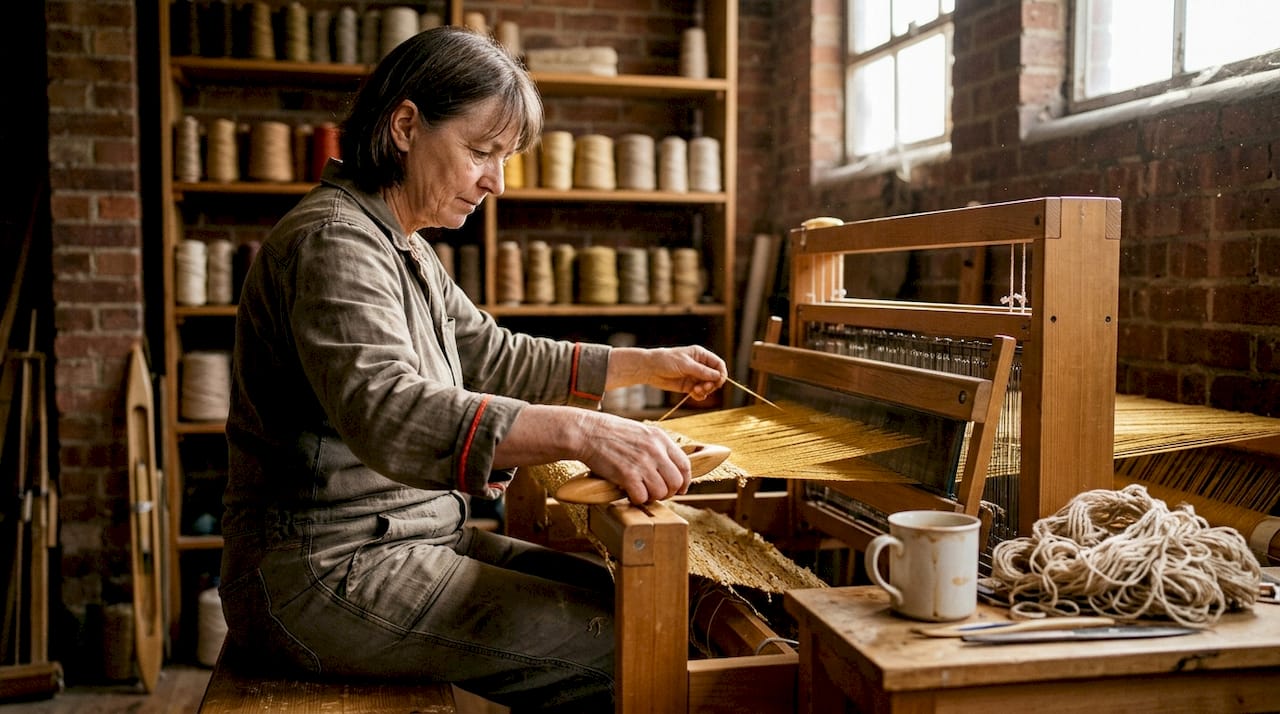
Not all silk is created equal. While most people picture silk as a smooth, liquid-like fabric that drapes effortlessly, dupioni silk tells a completely different story. It’s structured, textured, and unmistakably bold. Made from double cocoons spun by two or more silkworms, dupioni silk carries irregular horizontal bumps called slubs that give it a character no other fabric can replicate. Whether you’re designing a showstopping bridal gown, tailoring a structured jacket, or creating dramatic window treatments, this guide walks you through everything you need to know about dupioni silk, from its origins and production to its best uses and care practices.
| Point | Details |
|---|---|
| Unique slubbed texture | Dupioni silk displays horizontal slubs for a crisp, authentic look prized in luxury design. |
| Versatile applications | Its structured body and sheen make it ideal for fashion, drapery, and decorative projects. |
| Know your grades | Choose pure, full, Chinese, or faux dupioni based on texture, budget, and project needs. |
| Proper care extends life | Gentle cleaning and mindful storage keep dupioni silk vibrant and intact. |
| Sustainable options available | Eco-conscious buyers can select natural or certified silks and vegan-friendly faux alternatives. |
Dupioni silk gets its name from the Italian word doppione, meaning double. That name is no accident. The fabric’s entire identity comes from its unusual raw material: thread reeled from two silkworms that have spun their cocoons together. When weavers pull thread from these joined cocoons, the result is an uneven, thicker yarn that creates the signature slubs you see running horizontally across the fabric.
“Dupioni silk is a plain weave silk fabric made from silk filaments reeled from double cocoons spun by two or more silkworms, resulting in irregular slubs in the weft yarn against fine warp yarn.”
Those slubs are not flaws. They are the point. Here’s what sets dupioni apart from other silks:
For anyone curious about understanding silk origins, dupioni represents one of the most distinctive branches of the silk family tree.
Now that you know what dupioni silk is, it’s useful to understand how its distinct qualities start at the source. The process is more selective than most people realize, and that selectivity is exactly what drives its value.
Double cocoons are genuinely rare. Only 3 to 5 percent of total cocoon production yields the double cocoons needed for true dupioni silk. That scarcity alone makes authentic dupioni more expensive than standard silk varieties. Here’s how the production unfolds:
Hand-woven dupioni is more irregular and considered premium because each slub placement is unique. Machine-woven versions are more uniform and accessible in price. You can explore a solid dupioni silk overview to compare both production styles side by side.
Pro Tip: If you’re sourcing dupioni for a couture project, ask specifically for hand-woven versions. The irregularity adds a one-of-a-kind quality that machine-woven fabric simply cannot replicate. Understanding the advantages of silk in creative projects can also help you decide when dupioni is the right call versus other silk types.
After seeing how it’s made, let’s get hands-on with what you can expect from genuine dupioni silk. The tactile experience is unlike anything else in the silk family.
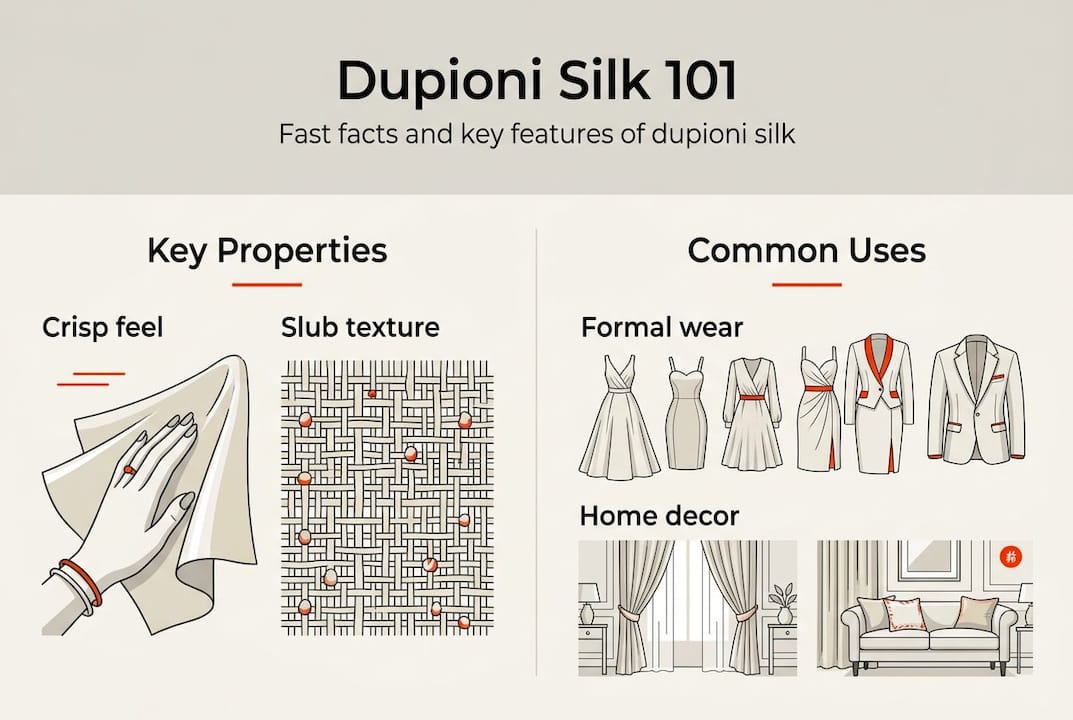
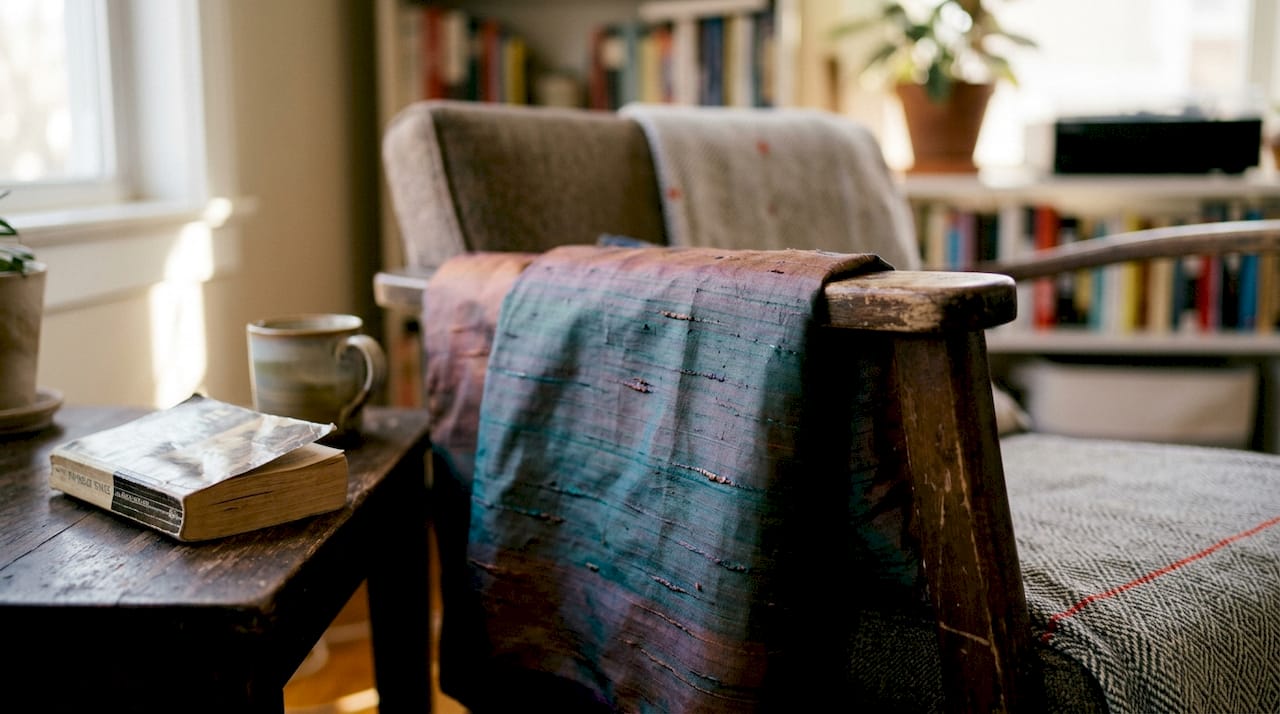
Dupioni’s key properties include a crisp and stiff hand, slubbed texture with horizontal bumps, medium to heavy weight ranging from 12 to 22 momme, natural sheen with iridescence, durability, and natural wrinkle resistance. That iridescence, often called the “shot effect,” happens when the warp and weft threads are dyed in contrasting colors. The fabric appears to shift color as the light changes. It’s a subtle magic that photographs beautifully and reads as luxury in person.
| Property | Dupioni silk | Standard silk charmeuse |
|---|---|---|
| Hand feel | Crisp, stiff | Soft, fluid |
| Texture | Slubbed, irregular | Smooth, even |
| Weight range | 12 to 22 momme | 12 to 30 momme |
| Drape | Structured | Drapey |
| Iridescence | High (shot effect) | Moderate |
| Best use | Structured garments, decor | Lingerie, blouses |
Grades matter too. Finer slubs create a more subtle, refined look suited to formal wear. Heavier slubs give a rustic, artisanal feel that works well in bohemian interiors or statement fashion pieces. The selvane texture guide breaks down how slub weight affects the final look in practical terms.
Pro Tip: When shopping for dupioni, hold the fabric up to natural light. The iridescence and slub pattern are most visible in daylight, giving you the truest read of how it will perform in your finished project. Staying current with 2025 fabric trends can also help you choose dupioni grades that align with what’s resonating in design right now.
Knowing the qualities helps you compare the range of dupioni silks available for different needs. Not every product labeled “dupioni” is the same, and understanding the differences saves you from costly mistakes.
The four main types are pure dupioni (100% silk), full dupion (duo yarn in both warp and weft directions for a rougher texture), Chinese dupioni (uniform and machine-woven), and faux dupioni (polyester). Here’s a quick breakdown:
| Type | Material | Texture | Price range | Best for |
|---|---|---|---|---|
| Pure dupioni | 100% silk | Moderate slubs | High | Couture, heirloom decor |
| Full dupion | 100% silk | Heavy, rough slubs | High | Rustic, artisanal designs |
| Chinese dupioni | 100% silk | Uniform, even | Mid | Everyday fashion, decor |
| Faux dupioni | Polyester | Smooth imitation | Low | Budget projects, vegan use |
If you’re weighing dupioni against other structured fabrics for window treatments, a cotton drapery comparison is worth reading. And for broader inspiration, browsing luxury textiles examples shows how dupioni fits into the wider world of premium fabrics.
Once you’ve identified your preferred grade, the creative possibilities are nearly endless. Dupioni’s structured body is what makes it so versatile across both interiors and apparel.
In home decor, dupioni excels where structure and sheen matter most:
In fashion, dupioni’s structured body is preferred for designs needing volume over drapey silks. Think ball gown skirts, sheath dresses, structured blazers, and wedding accessories like sashes and bows. The fabric holds its shape without heavy interfacing, which is a significant advantage for tailored work.
The numbers back up silk’s enduring appeal. The global silk market was valued at $16.05 billion in 2024 and is projected to reach $31.95 billion by 2032. Dupioni, with its garment-grade weight of 12 to 19 momme, sits squarely in the sweet spot for both fashion and decor applications.
For more ideas on how silk performs across different creative contexts, explore silk for creative projects and the role of upholstery fabrics in interior design.
Making the most of your investment requires knowing how to keep dupioni silk looking its best. The good news is that dupioni is naturally durable and wrinkle-resistant. The challenge is that it does not respond well to water.
Here’s how to care for dupioni silk properly:
Dupioni silk is naturally wrinkle-resistant and very durable, but water spots and sun exposure are its two biggest enemies. Protect it from both and it will last for years.
On the sustainability front, pure silk is a natural, biodegradable fiber. Choosing certified producers who follow ethical sericulture practices is a meaningful step. If you prefer a cruelty-free option, faux dupioni in polyester is widely available, though it lacks the environmental benefits of natural fiber. For deeper guidance, check out silk sewing steps, why choose silk, and the latest fabric sustainability trends to make informed sourcing decisions.
Pro Tip: Before storing dupioni silk long-term, wrap it in acid-free tissue paper. This prevents color transfer and protects the slubs from compression damage.
Ready to create something spectacular? Your choice of fabric makes all the difference, and dupioni silk rewards designers who know how to use it. Whether you’re sourcing yardage for structured drapery, a bridal gown, or a statement accent pillow, having access to quality fabric is the first step.

At fabric-fabric.com, you’ll find a curated selection of home decor fabric options suited to both interior and apparel projects. If you’re working on event styling or large-scale installations, the range of backdrop fabrics offers dupioni-friendly choices that bring that signature sheen to any setting. Browse by use case, compare weights and colors, and take advantage of detailed product descriptions that help you choose with confidence.
Dupioni silk has more pronounced slubs and a stiffer hand, while shantung is slightly finer and originates from a different silkworm breed. The slub weight in dupioni ranges from subtle to very heavy depending on the grade.
No. Dupioni silk should be dry cleaned or gently spot cleaned to preserve its texture and sheen. Water spots can permanently damage the surface, so avoid any wet washing methods.
Faux dupioni is a budget-friendly alternative that mimics the look but doesn’t match the sheen or feel of genuine silk. For high-traffic upholstery, real dupioni offers better longevity and a richer finish.
Slubs give dupioni its handcrafted, one-of-a-kind character. Natural slubs are prized for their uniqueness and authenticity, making each piece of fabric slightly different from the next.
Garment-quality dupioni silk is typically 12 to 19 momme, which provides enough structure for tailored apparel without being too heavy for comfortable wear.