

 Canadian Dollars

Fabric Sustainability Trends 2025: What Changes Next
Posted by BLG on 2025 Dec 11th
Posted by BLG on 2025 Dec 11th

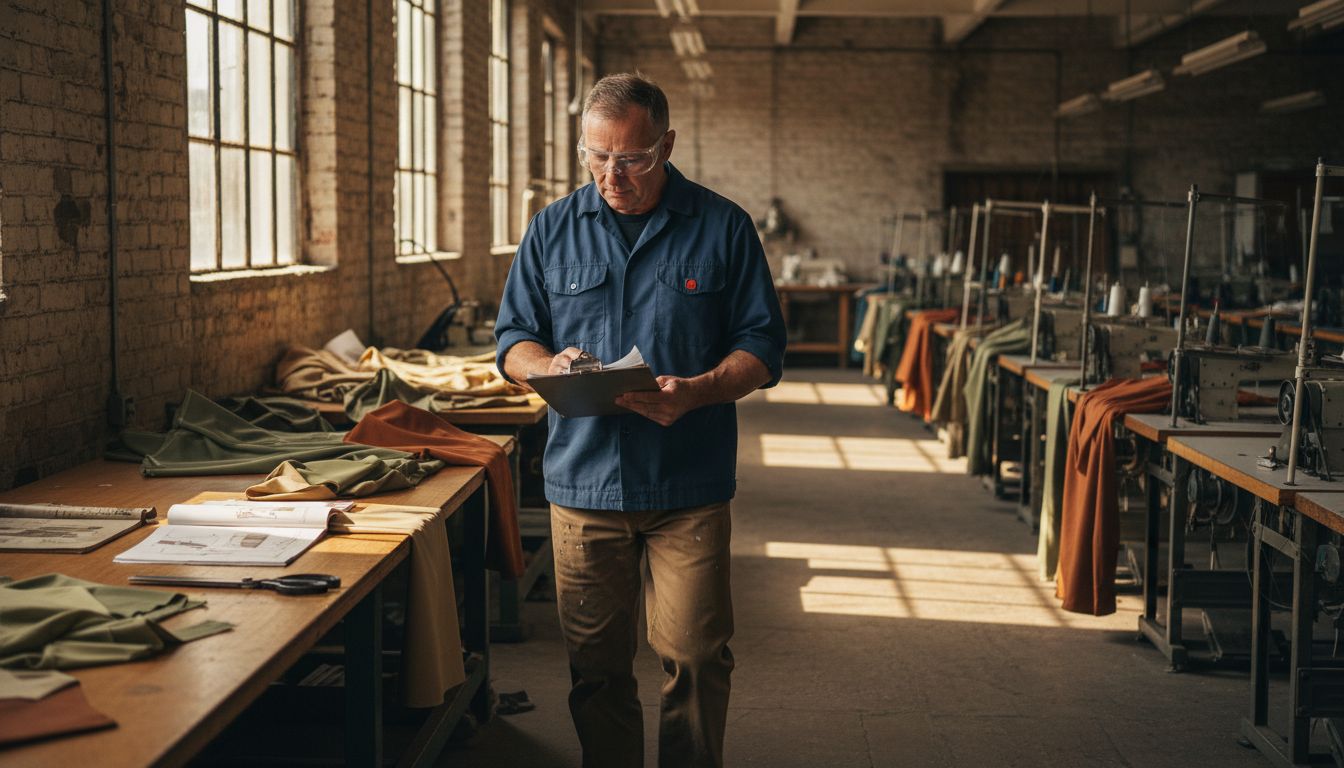
Most American consumers are surprised to discover that the textile industry accounts for nearly twenty percent of global industrial water pollution. Sustainable fabrics are no longer just a trend, but a necessity as environmental awareness grows from New York to Los Angeles. As brands and shoppers demand eco-friendly options, understanding what makes a fabric truly sustainable is more essential than ever. This guide cuts through the complexity, offering clear insight into what defines fabric sustainability, why it matters, and the innovations shaping our everyday choices.
| Point | Details |
|---|---|
| Fabric Sustainability | Represents a holistic approach to textile production, focusing on minimizing environmental impact and maximizing social and economic responsibility throughout the product lifecycle. |
| Emerging Materials | Innovations like Bananatex®, Cork Fabric, and Mushroom Leather are redefining sustainable fabrics, offering biodegradable and cruelty-free alternatives. |
| Recycling Technologies | Advances in recycling, including chemical and enzymatic processes, aim to transform waste into valuable resources, promoting a circular textile economy. |
| Consumer Behavior | Growing consumer awareness is shifting preferences towards sustainable textiles, with a readiness to pay premium prices for environmentally friendly and ethically produced materials. |
Fabric sustainability represents a comprehensive approach to textile production that minimizes environmental impact while maximizing social and economic responsibility. At its core, this concept goes beyond simple material selection to encompass the entire lifecycle of textile products - from raw material extraction through manufacturing, distribution, use, and eventual disposal.
The textile industry has historically been a significant environmental contributor, with traditional manufacturing processes consuming substantial water resources and generating considerable waste. Recent systematic research examining lifecycle assessments highlights critical methodological challenges in accurately measuring environmental impacts across complex textile supply chains. These assessments reveal that sustainability is not a singular metric but a multifaceted evaluation involving carbon emissions, water usage, chemical treatments, labor practices, and waste management.
Key dimensions of fabric sustainability include:
Comprehensive sustainability innovations in textile production demonstrate that meaningful change requires holistic strategies. Sustainable fabric development now integrates advanced technologies, circular economy principles, and innovative design approaches that reimagine traditional textile manufacturing. These methods aim to create textiles that are not just less harmful, but actively regenerative to environmental systems.
Ultimately, fabric sustainability represents a critical evolution in how we conceptualize textile production - shifting from a linear consumption model to a circular, responsible ecosystem that balances human needs with planetary health.
As sustainable fashion continues to transform textile production, innovative fabric technologies are emerging that challenge traditional manufacturing paradigms. Groundbreaking sustainable fabric innovations are redefining how designers and creators approach material selection, introducing remarkable alternatives that minimize environmental impact while maintaining exceptional quality.
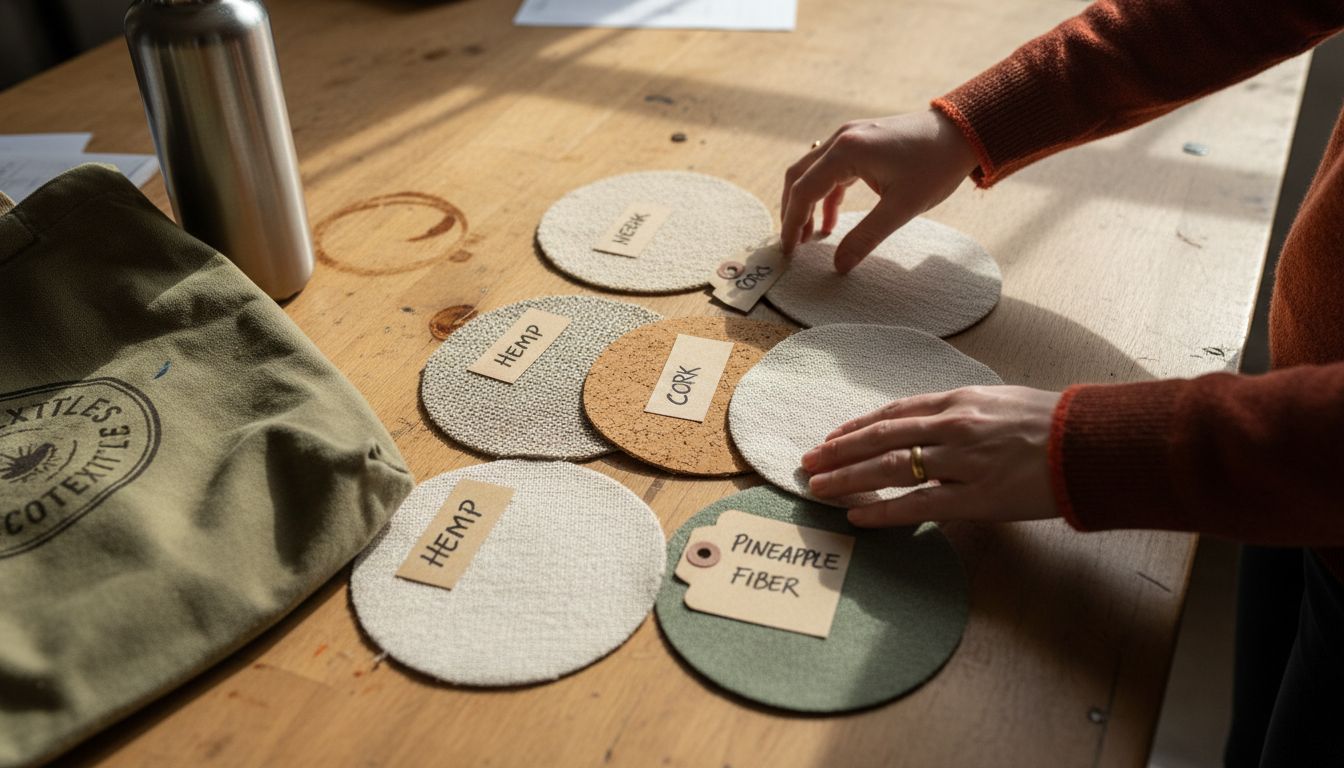
The landscape of sustainable textiles in 2025 features several remarkable materials that demonstrate extraordinary potential. Innovative textile developments showcase materials like Tencel, derived from wood pulp, which offers remarkable biodegradability and reduced water consumption. Other exciting developments include alternative leather substitutes such as pineapple leather and mushroom textiles, which provide cruelty-free and environmentally responsible options for fashion and craft industries.
Key emerging sustainable fabric types include:
These innovative materials represent more than technological achievements - they embody a fundamental shift toward regenerative design principles. By transforming agricultural waste and renewable resources into high-performance textiles, designers are creating fabrics that not only reduce environmental harm but actively contribute to ecosystem health. The future of sustainable textiles is not just about replacement, but about reimagining our relationship with material production and consumption.
Textile recycling technologies are undergoing a profound transformation, driven by urgent environmental needs and breakthrough scientific innovations. Advanced research on circular textile materials reveals complex challenges in developing sustainable recycling processes that can effectively manage diverse fabric compositions and minimize waste generation.
One remarkable example of innovative recycling is Econyl, a regenerative nylon yarn created entirely from waste materials including discarded fishing nets, industrial plastic waste, and fabric scraps. This breakthrough demonstrates how seemingly unusable materials can be transformed into high-quality textile resources, creating a closed-loop production system that dramatically reduces environmental impact.
Key advances in textile recycling technologies include:
These technological innovations represent more than incremental improvements. They signal a fundamental reimagining of textile production, shifting from a linear consumption model to a circular ecosystem where waste becomes a valuable resource. By developing sophisticated recycling technologies, the textile industry can significantly reduce its environmental footprint while creating more sustainable and resilient material systems.
The fabric industry is experiencing a profound transformation, with ethical sourcing becoming a critical priority for manufacturers, designers, and consumers alike. Contemporary fabric design research reveals the intricate connections between material origins, production processes, and environmental sustainability, emphasizing the need for radical transparency across textile supply chains.
Innovative sustainable fashion materials are pushing the boundaries of ethical production, introducing groundbreaking alternatives that challenge traditional manufacturing paradigms. From grape leather to microbial dyes, these emerging technologies demonstrate how ethical sourcing can simultaneously address environmental concerns and create compelling design possibilities.
Key principles of transparent and ethical fabric production include:
Transparency is no longer optional but a fundamental requirement in modern textile production. By demanding comprehensive information about material sourcing, manufacturing processes, and environmental impact, creators and consumers can drive meaningful change. This shift represents more than a trend - it’s a fundamental reimagining of how textiles are conceived, produced, and valued in a rapidly evolving global marketplace.
Sustainable textile innovations are fundamentally reshaping consumer expectations, challenging traditional economic models of production and consumption. Research into bio-based textile development demonstrates how agricultural byproducts are creating new economic opportunities that balance environmental responsibility with market competitiveness.
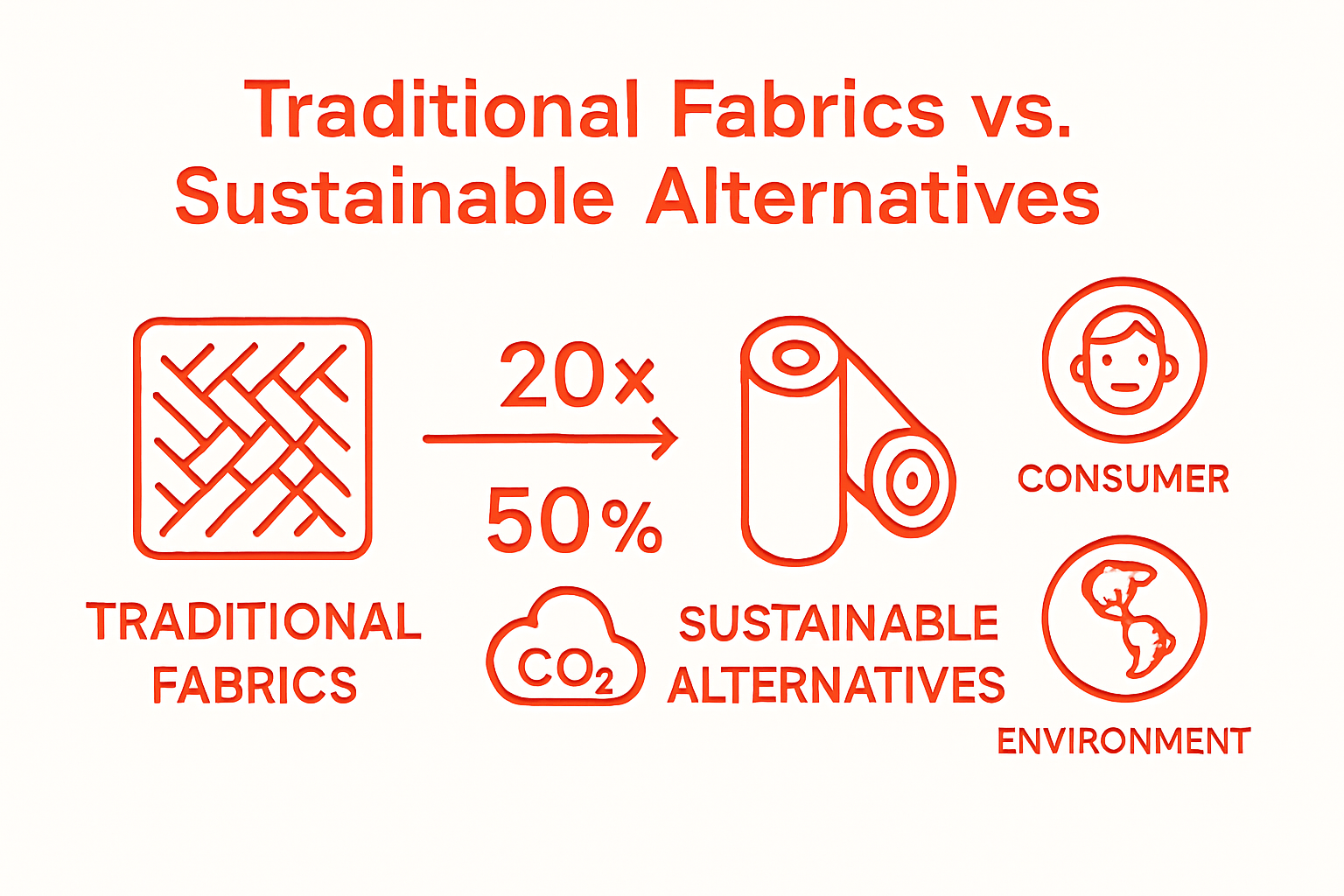
Eco-friendly textile production research reveals a complex landscape where quality, pricing, and sustainability intersect in unprecedented ways. Consumers are increasingly willing to pay premium prices for materials that demonstrate verifiable environmental credentials, signaling a profound shift in purchasing behavior beyond traditional cost-driven decision making.
Key economic considerations in sustainable textile markets include:
This transformation represents more than a simple market trend. It signals a fundamental reimagining of textile value, where environmental and social considerations become integral to product pricing and consumer perception. The future of fabric production will be defined not just by cost, but by a holistic understanding of material lifecycle and collective environmental responsibility.
Navigating the complex world of fabric sustainability can feel overwhelming. This article highlights key challenges like environmental impact, ethical sourcing, and innovative recycling technologies that are shaping textile production in 2025. If you seek fabrics that reflect these evolving standards, balancing quality with responsible choices is essential. At Fabric-Fabric, we understand the importance of offering textiles that meet your high expectations for sustainability as well as creativity.
Explore our extensive selection of eco-conscious fabrics designed for apparel, home decor, quilting, and craft projects. From biodegradable materials inspired by emerging trends like pineapple leather and recycled fibers to classic options detailed with clear usage suggestions, you can find exactly what your project needs. Take advantage of our seasonal sales and free shipping offers today. Visit Fabric-Fabric to experience how sustainable textile innovation is accessible without compromise.
Fabric sustainability refers to the comprehensive approach to textile production that minimizes environmental impact and maximizes social and economic responsibility throughout the entire lifecycle of textile products.
Some innovative sustainable fabrics emerging for 2025 include Bananatex®, cork fabric, pineapple leather (Piñatex), and mushroom leather, all designed to be environmentally responsible alternatives to traditional materials.
Advances in textile recycling, such as chemical recycling and enzymatic breakdown, aim to create a closed-loop production system that reduces waste and transforms discarded materials into high-quality textile resources, supporting sustainability efforts in the industry.
Transparency in fabric production is crucial for ensuring ethical sourcing, fair labor practices, and minimizing environmental impact, allowing consumers to make informed decisions about the textiles they choose.