

 US Dollar

What is crepe fabric? A guide for crafters
Posted by BLG on 2026 Mar 21st
Posted by BLG on 2026 Mar 21st

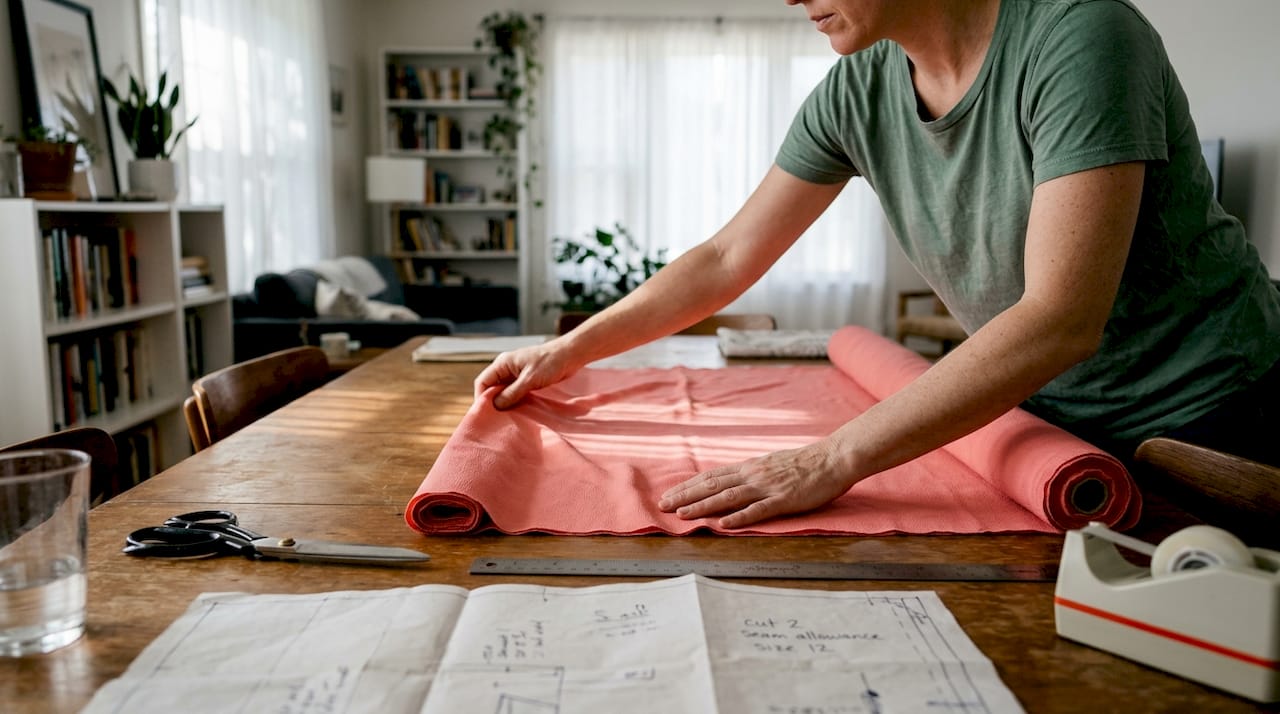
Many crafters assume crepe fabric is only for formal wear or too delicate for everyday projects. That’s simply not true. Crepe fabric offers unique texture and versatility that works beautifully across casual and elegant sewing projects alike. Whether you’re designing a flowing dress, crafting home decor, or experimenting with mixed media textiles, understanding crepe’s properties unlocks creative possibilities. This guide explains what crepe fabric is, explores its types and characteristics, compares it with similar materials, and shares practical care tips to help you confidently choose and work with this distinctive textile.
| Point | Details |
|---|---|
| Texture origin and effect | The crinkled surface comes from twisted yarns and weaving variations, shaping drape, wrinkle resistance, and opacity. |
| Fiber varieties | Crepe can be silk wool polyester rayon and more, with the fiber choice influencing softness warmth and care while keeping the textured look. |
| Common crepe types | Silk crepe wool crepe polyester crepe georgette crepe de chine and stretch crepe each offer distinct handling and project suitability. |
| Care and shopping tips | When shopping check opacity by holding fabric to light and review a quality guide for even texture and minimal puckering. |
Crepe fabric is a textured textile characterized by a distinctive crinkled, pebbled, or grainy surface created through special weaving techniques or tightly twisted yarns. Unlike smooth fabrics like satin or silk charmeuse, crepe’s surface has visible dimension and tactile interest. This texture isn’t just aesthetic; it fundamentally changes how the fabric behaves in your projects.
The crinkled appearance comes from two primary production methods. First, weavers can use highly twisted yarns that naturally create puckering in the finished fabric. Second, specific weaving patterns like plain weave variations produce the characteristic texture. Some crepe fabrics combine both techniques for enhanced effect. The degree of twist and weaving density determines whether you get subtle texture or pronounced pebbling.
This unique surface structure influences three critical properties for crafters:
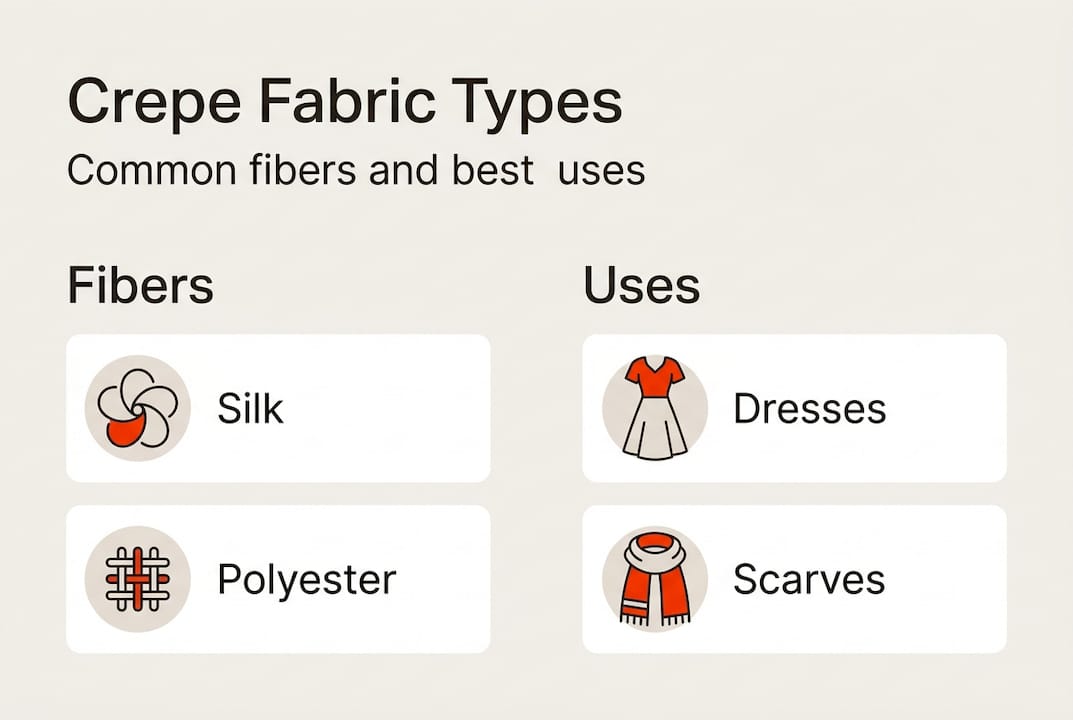
Different fiber types can become crepe fabric, from natural silk and wool to synthetic polyester and rayon. The fiber determines softness, warmth, and care requirements, but the crepe construction creates that signature texture. Understanding this helps you select appropriate crepe for specific projects based on both aesthetic and functional needs.
Pro Tip: When shopping for crepe, examine the fabric against light to assess opacity and check the fabric quality guide for texture consistency. Quality crepe shows even texture distribution without thin spots or irregular puckering.
Common types include silk crepe, wool crepe, polyester crepe, georgette crepe, crepe de chine, and stretch crepe, each offering distinct characteristics for different crafting applications. Knowing these variations helps you match fabric to project requirements.
| Crepe Type | Fiber Content | Texture | Best Uses |
|---|---|---|---|
| Silk crepe | Natural silk | Smooth drape, luxurious feel | Elegant blouses, dresses, scarves |
| Wool crepe | Wool fibers | Structured, warm | Tailored jackets, skirts, formal wear |
| Polyester crepe | Synthetic polyester | Durable, affordable | Everyday garments, craft projects |
| Georgette crepe | Silk or polyester | Sheer, lightweight | Layered designs, evening wear |
| Crepe de chine | Silk | Lightweight, matte finish | Delicate tops, linings |
| Stretch crepe | Blend with elastane | Elastic, comfortable | Fitted dresses, activewear |
Silk crepe delivers the most luxurious hand feel with beautiful draping qualities. It works perfectly for special occasion garments where elegance matters. The smooth texture glides over skin comfortably, making it ideal for blouses and flowing dresses. However, silk requires careful handling and delicate cleaning methods.
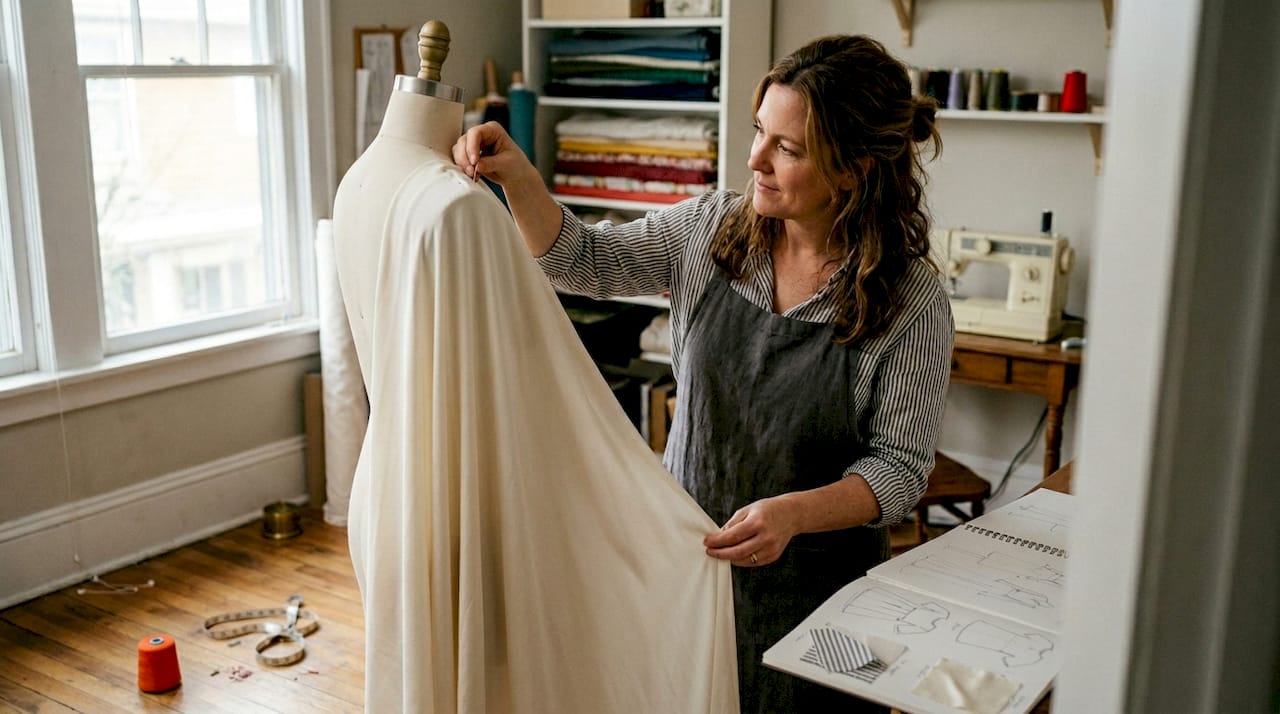
Wool crepe provides structure and warmth that synthetic versions can’t match. This type holds shape well in tailored projects like jackets and structured skirts. The natural fiber breathes beautifully while offering professional crispness. Wool crepe typically costs more but delivers superior longevity in formal garments.
Polyester crepe offers the most practical choice for everyday crafting and sewing. It resists wrinkles exceptionally well, maintains color vibrancy through repeated washing, and costs significantly less than natural fiber options. This makes it perfect for beginners experimenting with crepe or projects requiring easy care. You’ll find polyester crepe in various weights suitable for everything from casual dresses to home decor accents, similar to other cotton and crepe varieties.
Georgette crepe stands out for its sheer, lightweight quality. This type often requires lining in garment projects but creates beautiful layered effects. The fabric floats gracefully, making it popular for evening wear and special occasion pieces.
Crepe de chine combines lightweight feel with a subtle matte finish. Less sheer than georgette, it works well for delicate tops and as luxury lining material. The name translates to “crepe from China,” reflecting its silk origins.
Stretch crepe incorporates elastic fibers like spandex or elastane into the fabric construction. This addition provides comfort and recovery, making it excellent for fitted dresses and garments requiring movement. The stretch doesn’t compromise the characteristic crepe texture.
Pro Tip: For your first crepe project, start with polyester crepe or explore satin back crepe fabric which combines crepe texture on one side with smooth satin on the reverse, offering design versatility and easier handling.
Key properties include lightweight to medium weight, excellent fluid drape, wrinkle resistance due to texture, breathability, durability, ability to hide seams and imperfections, and matte to slight sheen. These characteristics make crepe fabric particularly valuable for home sewers and craft enthusiasts.
The lightweight to medium weight range enhances sewing ease. Crepe feeds smoothly through standard sewing machines without requiring specialized equipment. The fabric doesn’t shift excessively during cutting or stitching, reducing frustration for crafters at any skill level. This manageable weight also means finished garments feel comfortable without heaviness.
Excellent fluid drape creates graceful movement in finished projects. When you sew a dress or skirt from crepe, the fabric flows naturally around the body rather than standing stiffly. This property makes crepe ideal for designs requiring soft gathers, elegant pleats, or draped elements. The drape quality rivals more expensive fabrics while often costing less.
The textured surface minimizes visible wrinkles, a game changer for practical wear. Unlike smooth fabrics that show every crease, crepe’s pebbled texture camouflages minor wrinkles naturally. This means garments look fresher longer and require less ironing. For travel clothing or busy lifestyles, this benefit alone makes crepe worth considering.
Breathability varies by fiber content but natural fiber crepes excel here:
The fabric’s texture cleverly hides seams and minor construction imperfections. If your stitching isn’t perfectly even or seam allowances show slightly, the pebbled surface disguises these issues better than smooth fabrics. This forgiving quality builds confidence in less experienced sewers.
Durability depends on fiber choice, but crepe construction generally creates sturdy fabric. The twisted yarns and textured weave resist snagging and tearing better than delicate smooth weaves. Polyester crepe particularly withstands repeated wear and washing without deterioration, similar to benefits found in other polyester fabric applications.
The finish ranges from matte to slight sheen, offering aesthetic versatility. Most crepe fabrics have a sophisticated matte appearance suitable for both casual and formal projects. Some types like crepe de chine show subtle luster that adds elegance without the high shine of satin. This understated finish works across diverse style preferences.
“Crepe fabric’s combination of practical wrinkle resistance and elegant drape makes it one of the most versatile textiles for both beginner and experienced crafters seeking professional looking results.”
Pro Tip: Take advantage of crepe’s forgiving nature when learning new sewing techniques. The texture hides practice stitches and minor mistakes while you develop skills, much like the advantages of silk fabric for special projects.
Crepe is more textured and structured with greater opacity than chiffon, which is smooth, sheer and floaty, or georgette, which is lighter, silkier and more sheer. Understanding these distinctions prevents purchasing mistakes and helps you select the right fabric for your vision.
| Fabric | Texture | Weight | Opacity | Drape | Best For |
|---|---|---|---|---|---|
| Crepe | Pebbled, rough | Medium | More opaque | Structured flow | Dresses, blouses, tailored items |
| Chiffon | Smooth, soft | Very light | Sheer | Floaty, airy | Scarves, overlays, evening wear |
| Georgette | Slightly grainy | Light | Semi sheer | Silky flow | Layered garments, formal wear |
Crepe fabric has noticeably rougher texture when you run your hand across it. The pebbled surface creates tactile interest and visual depth. This texture gives crepe more body and structure than either chiffon or georgette, making it easier to work with for structured garments.
Chiffon feels smooth and slippery to the touch. It’s significantly sheerer than crepe, almost always requiring lining in garment construction. Chiffon floats and billows dramatically, creating ethereal effects but offering less control in tailored designs. The smooth surface shows every wrinkle and crease, unlike crepe’s forgiving texture.
Georgette sits between crepe and chiffon in characteristics. It has slight texture from twisted yarns but remains lighter and more sheer than standard crepe. Georgette drapes with silky fluidity while maintaining some structure. The fabric works beautifully for evening wear and special occasions where you want flow without complete transparency.
Choosing the right fabric depends on your project requirements:
Understanding these differences prevents common crafting mistakes. Buying chiffon when you need crepe’s opacity wastes money and creates frustration. Similarly, choosing heavy crepe for a project requiring chiffon’s airiness produces disappointing results. Consult a fabric quality identification guide when uncertain about fabric type in stores.
Pro Tip: When examining fabrics in person, hold samples up to light. Crepe shows moderate light transmission with visible texture, chiffon appears very translucent, and georgette falls between them with soft light filtering through.
Care requirements include hand washing in cold water with mild detergent, avoiding bleach and wringing, drying flat or hanging with padding, and ironing on low heat, though specific needs vary significantly by fiber content. Proper maintenance preserves texture and extends fabric life.
Silk crepe requires the most delicate handling of all types. Follow these steps for silk crepe care:
Polyester crepe offers much easier maintenance, making it ideal for busy crafters. Most polyester crepe tolerates machine washing on gentle cycles with cold water. Use mild detergent and avoid fabric softeners that can coat fibers and reduce breathability. Tumble dry on low heat or hang to dry. Polyester crepe rarely needs ironing due to excellent wrinkle resistance, but if needed, use low heat settings.
Wool crepe falls between silk and polyester in care requirements. Many wool crepes benefit from professional dry cleaning to maintain shape and prevent shrinkage. If hand washing, use cool water and wool specific detergent. Never agitate vigorously, as this causes felting. Dry flat on a towel, reshaping gently to original dimensions.
General care guidelines for all crepe fabrics include avoiding bleach entirely, as it damages fibers and destroys texture. Never wring crepe fabrics, which distorts the characteristic pebbled surface permanently. When ironing any crepe type, always use the lowest effective heat setting and consider a pressing cloth for protection.
Storage matters too. Hang crepe garments on padded hangers to prevent shoulder dimples and maintain shape. For long term storage, fold carefully with acid free tissue paper and store in breathable garment bags. Avoid plastic bags that trap moisture and promote mildew.
Pro Tip: Before washing any crepe fabric for the first time, test a small inconspicuous area or scrap piece. This reveals whether colors bleed or texture changes, allowing you to adjust care methods. Consult comprehensive fabric care guides and follow essential fabric care tips for best results across all textile types in your collection.
Now that you understand crepe fabric’s unique properties and versatile applications, finding the right materials for your next project becomes the exciting next step. Quality fabric makes the difference between frustrating experiences and successful creations that you’ll proudly wear or display.
Discover curated selections of crepe and complementary fabrics perfect for your crafting vision. Browse specialized collections including backdrop fabrics for photography and event projects, plus extensive home decor fabric options that pair beautifully with crepe’s elegant texture. Each product listing provides detailed descriptions, care instructions, and project suggestions to guide your selection. Shop with confidence on fabric-fabric.com, where quality textiles meet expert guidance designed specifically for crafters and sewing enthusiasts at every skill level.
Yes, crepe fabric works well for beginners, especially polyester crepe varieties. The textured surface forgives minor stitching irregularities and hides small mistakes better than smooth fabrics. Start with medium weight polyester crepe for easiest handling and care.
You can iron crepe fabric using low heat settings appropriate for the fiber content. Always test on a scrap piece first and use a pressing cloth between the iron and fabric to protect the texture. Many crepe types need minimal ironing due to natural wrinkle resistance.
Standard crepe fabric has minimal stretch unless it specifically contains elastic fibers like spandex. Stretch crepe varieties include elastane for recovery and comfort in fitted garments. Check fabric content labels to determine stretch properties before purchasing.
Crepe fabric excels in flowing dresses, elegant blouses, tailored skirts, scarves, and lightweight jackets. The drape quality suits gathered designs, soft pleats, and draped elements. Crepe also works beautifully for craft projects like decorative pillows and textile art requiring structured texture.
Prevent fraying by finishing seam edges with serging, zigzag stitching, or pinking shears immediately after cutting. French seams work beautifully with lightweight crepe. Apply fray check liquid to cut edges for extra security, especially on silk crepe varieties that fray more readily than polyester.