

 Canadian Dollars

What Is Fabric Drape? Complete Guide for Creators
Posted by BLG on 2025 Nov 6th
Posted by BLG on 2025 Nov 6th

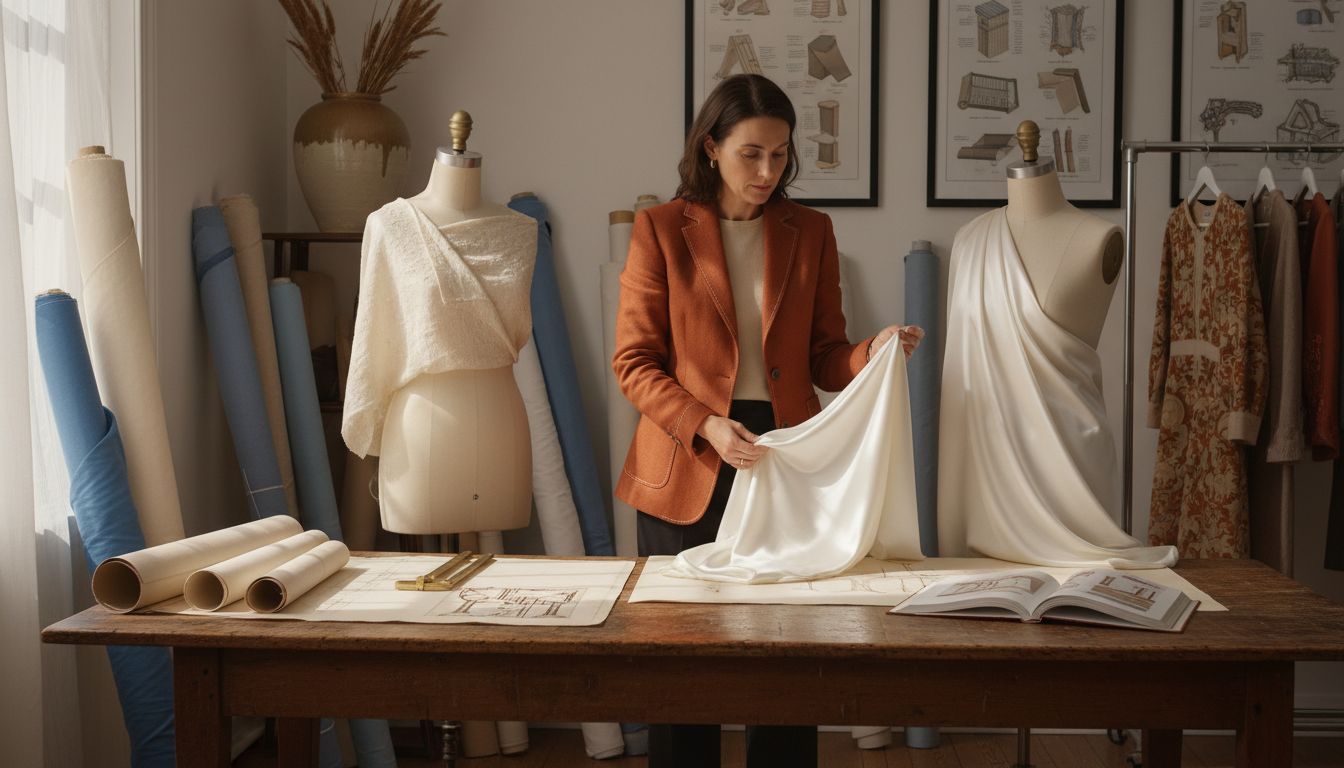
Over 80 percent of designers admit to misunderstanding fabric drape at some point in their careers. The way material bends and flows can change an entire garment or room, yet myths about drape still lead to costly mistakes. Knowing what truly shapes drape—beyond just weight or fiber—is key for anyone working with textiles. With expert insights, you can move past confusion and make confident choices for every project.
| Point | Details |
|---|---|
| Understanding Fabric Drape | Fabric drape is influenced by multiple factors including fiber type, weave structure, weight, and thickness, rather than just weight alone. |
| Drape Measurement Techniques | Accurate assessment of drape requires specialized tools and methods, including drape meters and various tests, to understand fabric behavior. |
| Types of Drape | Fabrics are categorized into low, moderate, and high drape types, each serving unique design purposes in apparel and decor. |
| Common Assessment Mistakes | Relying solely on visual inspections and ignoring material characteristics can lead to inaccurate fabric drape evaluations. |
Fabric drape represents a fabric’s unique physical ability to bend and flow under its own weight, creating soft, graceful movements and shapes. According to research from etheses.whiterose.ac.uk, drape is technically “the ability of a fabric to deform when suspended under its own weight in specified conditions” - a definition that distinguishes fabric from stiffer materials like paper.
Understanding fabric drape goes beyond simple measurements. It involves complex interactions between fiber type, weave structure, weight, and thickness. Some creators mistakenly believe drape is solely about a fabric’s weight, but it’s far more nuanced. A lightweight silk might have extraordinary drape, while a heavier cotton could remain relatively rigid.
Common misconceptions about fabric drape often stem from oversimplification. Creators frequently assume:
In reality, drape is a sophisticated characteristic influenced by multiple factors. Understanding the Role of Drapery Fabrics in Design can help creators make more informed textile selections by recognizing how fiber content, yarn structure, and manufacturing processes dramatically impact a fabric’s flowing qualities.
When evaluating fabric drape, professionals consider several key characteristics: how smoothly the material falls, its ability to create soft folds, and its responsiveness to gravitational forces. A fabric with exceptional drape will seem almost liquid-like when suspended, moving with elegant fluidity that transforms garment and design potential.
Fabric drape exists on a fascinating spectrum of movement and structure. According to Treasurie, there are three primary categories of fabric drape: low drape (stiff fabrics), moderate drape, and high drape (fluid fabrics). This classification helps designers and creators understand how different textiles will behave in various design applications.
Low drape fabrics are characterized by their stiffness and ability to maintain structure. These materials add volume and create more architectural silhouettes. In contrast, high drape fabrics like silk and rayon offer incredible fluidity, The Fashion Design Institute notes, falling gently and creating elegant movement that seems almost liquid-like.
Each drape type serves unique design purposes:
Understanding these drape variations allows creators to select materials strategically. A tailored blazer might require a firm, low drape fabric to maintain crisp lines, while an evening gown demands the ethereal qualities of a high drape textile. Fabric Selection Guide can provide additional insights into matching fabric characteristics with specific design intentions, helping creators make informed textile choices that bring their creative visions to life.
Here’s a summary of drape types and their key characteristics:
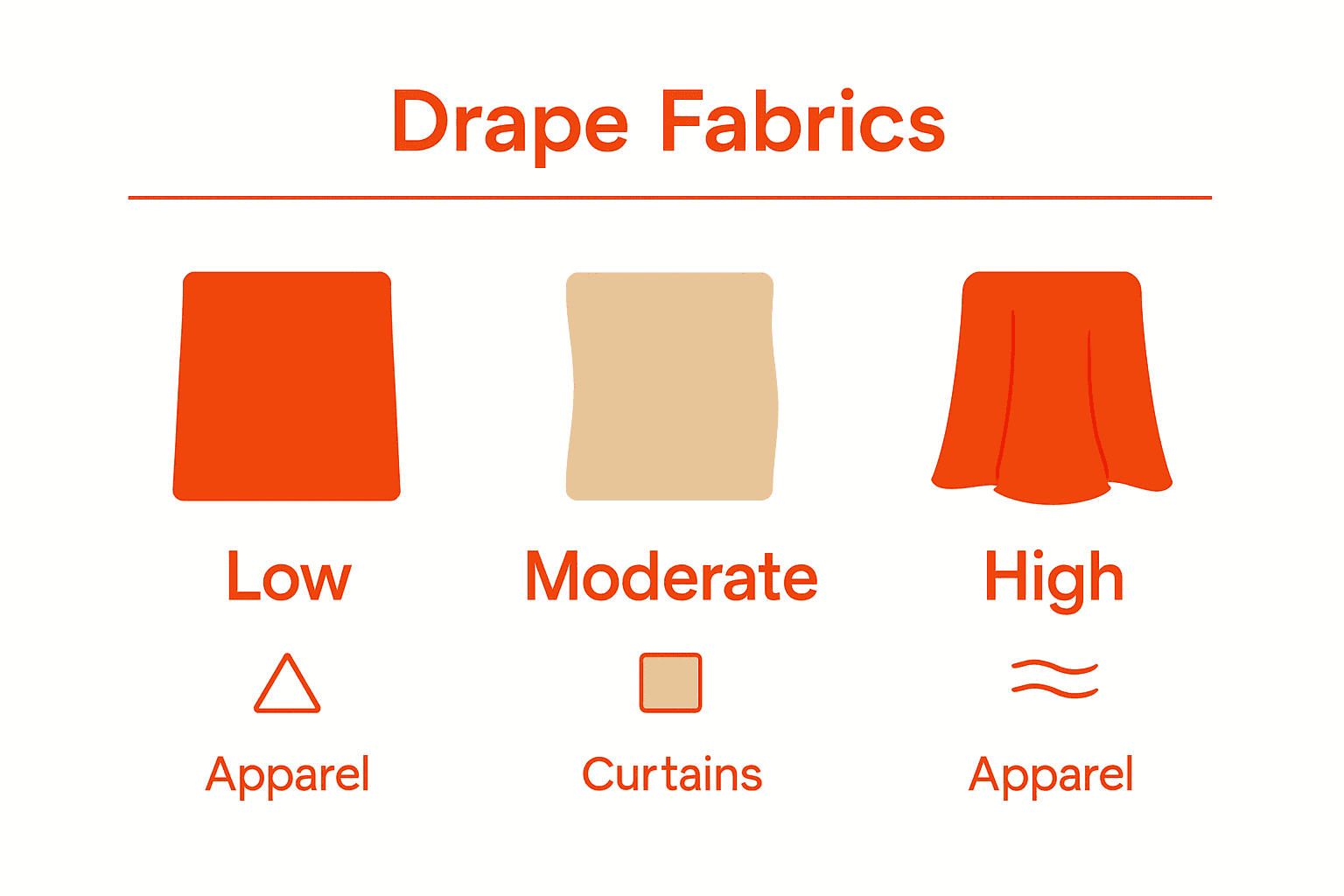
| Drape Type | Typical Fabrics | Design Uses | Key Features |
|---|---|---|---|
| Low Drape | Denim Canvas Brocade |
Structured garments Architectural shapes |
Holds shape Stiff Adds volume |
| Moderate Drape | Cotton blends Linen Wool |
Versatile designs Casual wear |
Balanced flow Some structure |
| High Drape | Silk Rayon Chiffon |
Flowing gowns Soft drapes Scarves |
Fluid movement Soft folds Elegant flow |
Measuring fabric drape is a precise scientific process that requires specialized equipment and techniques. According to research from MDPI, researchers are continually developing novel parameters for more efficient and accurate assessments of fabric drape characteristics, highlighting the complexity of this measurement process.
Drape measurement involves several key tools and methodologies. Professionals typically use specialized instruments called drape meters, which JTATM notes have been designed to provide less operator-dependent and more consistent measurements. These instruments help quantify how a fabric falls, moves, and responds to gravitational forces.
The primary methods for measuring fabric drape include:
Professionals often combine multiple measurement techniques to get a comprehensive understanding of a fabric’s draping qualities. 7 Steps to a Successful Fabric Selection Checklist can provide additional guidance on interpreting these technical measurements and translating them into practical design decisions. Understanding these measurement techniques empowers creators to select fabrics that will achieve their desired aesthetic and functional outcomes.
Fabric drape plays a transformative role in both apparel design and home decor, serving as a critical factor that determines how materials move, flow, and interact with space. In clothing, drape influences everything from the silhouette of a flowing evening gown to the crisp lines of a tailored business suit, creating visual and tactile experiences that define aesthetic appeal.
Home decor represents another domain where fabric drape becomes crucial. Curtains, upholstery, and decorative textiles rely on precise draping characteristics to create visual depth, softness, and dimension. A well-draped curtain can dramatically alter a room’s ambiance, while upholstery with the right drape can make furniture look simultaneously elegant and comfortable.

Key considerations for drape in different applications include:
Ultimate Home Decor Fabric Guide for Stylish Spaces can provide deeper insights into selecting fabrics that achieve the perfect balance between functional performance and aesthetic elegance. Understanding drape allows creators to make intentional choices that transform ordinary materials into extraordinary design experiences.
Assessing fabric drape is a nuanced process that requires careful attention and technical understanding. According to Fibre2Fashion, one of the most significant errors creators make is relying solely on subjective evaluation without employing standardized measurement methods. This approach leads to inconsistent results and can dramatically misrepresent a fabric’s true draping characteristics.
Fabric weight and structure play critical roles in drape assessment that many creators overlook. MDPI highlights how neglecting these fundamental elements can result in inappropriate fabric selections for specific design applications. Professionals understand that drape isn’t just about how a material looks, but how it fundamentally behaves under different conditions.
Common mistakes in fabric drape assessment include:
How to Identify Fabric Quality: Expert Steps for Shoppers can help creators develop a more systematic approach to understanding fabric characteristics. By recognizing these potential pitfalls, designers and creators can make more informed decisions that translate technical insights into stunning visual and functional outcomes.
Understanding fabric drape means recognizing how a textile moves and flows under its own weight. Whether you need a soft, fluid silk for elegant gowns or a structured canvas for architectural apparel, selecting the right fabric can be challenging. You want materials that match your design goals without guesswork — fabrics that respond as beautifully in your hands as they do in the finished project.

Experience the difference by exploring our extensive collection at Fabric-Fabric.com. Here you will find detailed descriptions and expert guidance to help you pick the ideal fabric drape for apparel, home decor, and crafting. Don’t let uncertainty hold your creativity back. Visit Fabric-Fabric.com now to choose textiles that meet your exact drape and design needs and enjoy special offers designed to support your project success.
Start selecting with confidence today and see your creations flow with the perfect drape.
Fabric drape refers to a fabric’s ability to bend and flow under its own weight, creating soft movements and shapes. It encompasses the interactions between fiber type, weave structure, weight, and thickness.
Fabric drape is measured using specialized tools like drape meters. Common measurement methods include the drape coefficient test, cantilever test, and image analysis method to evaluate how the fabric falls and reacts to gravity.
There are three primary types of fabric drape: low drape (stiff fabrics), moderate drape, and high drape (fluid fabrics). Each type serves different design purposes, influencing garment structure and movement.
Avoid relying solely on visual inspection, ignoring fabric weight and fiber composition, and not testing drape under multiple tension conditions. These mistakes can lead to poor fabric choices for your design applications.