

 US Dollar

4 Steps That Make Chenille Yarn So Soft for Makers and Home Decorators
Posted by BLG on 2026 Sep 5th
Posted by BLG on 2026 Sep 5th

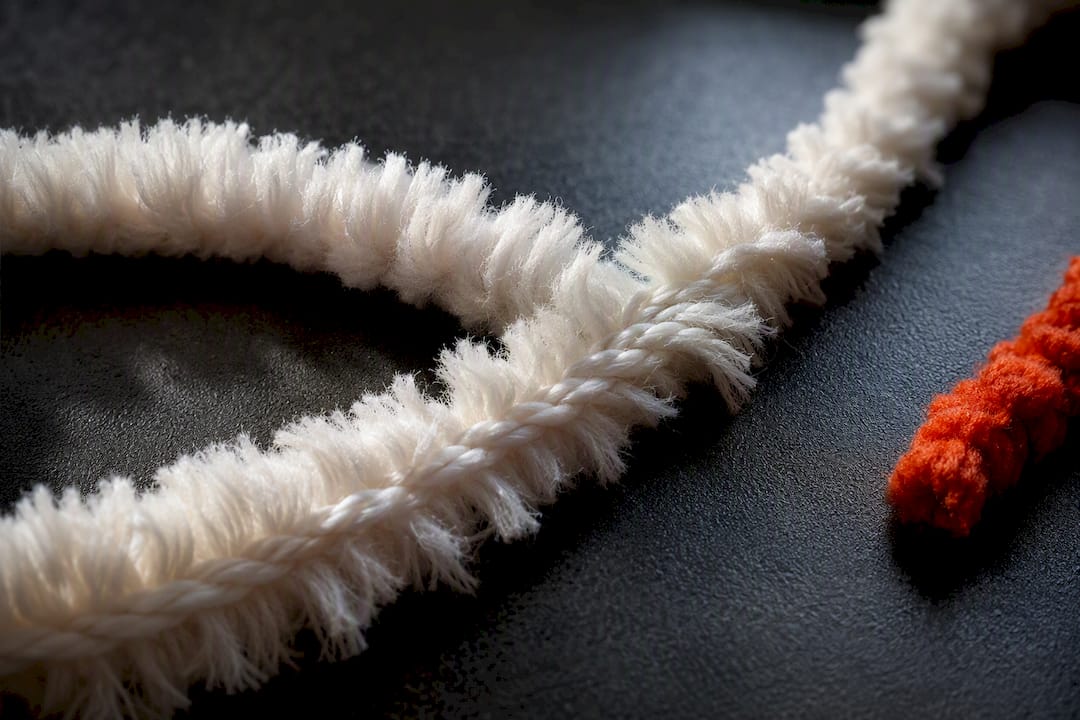
Chenille yarn is a fuzzy, caterpillar-textured yarn made by trapping short fiber pile between two twisted core yarns and cutting that pile to make it stand out. The same word covers the fabric woven or knit from that yarn. You’ll find it on sofas, in cozy throws, on sweaters, and along decorative trims, wherever a soft, dimensional surface matters more than a smooth one.
TL;DR:
- Properly locked or heat-fused cores significantly reduce shedding and wear in chenille fabrics, especially for upholstery that faces daily use.
- Synthetic fibers like nylon, polyester, or acrylic enhance chenille’s durability and resistance to abrasion, making them ideal for high-traffic furniture.
- The fiber type in chenille—cotton, rayon, wool, or silk—dictates its feel, weight, and best application, requiring careful selection based on use.
- Checking for a locked core and requesting a fabric swatch before purchase can prevent common issues like shedding and diminished appearance over time.
- Chenille’s textured, matte surface offers better wear concealment compared to velvet, which is more prone to showing flattened patches and fingerprints.
Chenille’s texture comes from a construction trick, not a fiber choice. Short pile fibers get gripped between two core yarns twisted around each other, then those tufts are cut so they flare outward in every direction. That fringe of tiny cut ends is what makes chenille look and feel like a caterpillar, which is where the fabric gets its name from the French word for that insect.
That radial arrangement of pile is also why chenille catches light unevenly. Run your hand one direction and the surface looks darker; brush it the other way and it lightens, almost like corduroy without the ridges. This is called nap direction, and it’s the same optical effect that makes velvet furniture look patchy when someone sits on one cushion and not another.
A few points worth keeping straight:
Chenille traces back to eighteenth-century France, where weavers used a leno weave, a technique that locks warp threads in pairs, to create fabric strips that were then cut into pile-covered strands. That cut fabric became the yarn itself, which then got rewoven into finished cloth.
The method worked but had a persistent flaw: pile fibers could work loose over time, leaving bald patches. That changed in the mid-20th century when manufacturers began weaving low-melt nylon into the yarn’s core. Heat-setting fused those cores, locking the pile in place far more securely than the original leno construction ever managed. That single fix is largely why chenille became practical for everyday furniture instead of staying a delicate decorative trim.
Modern chenille production still follows the same basic logic invented in France, just with more precision and better materials.
This sequence, wrapping, cutting, and heat-locking before final construction, is where most of chenille’s known weaknesses and strengths both originate. A tightly wrapped, well-locked yarn sheds far less than a loosely wrapped one. Hand-loomed chenille from decorative embroidery traditions relied on tension and weave density alone to hold pile in place, which is part of why older chenille pieces shed more than anything made after synthetic locking cores became standard. If a fabric label doesn’t mention a locked or fused core, assume it behaves more like the older style.
Chenille isn’t one material. It’s a construction method that different fibers pass through, and the fiber choice changes almost everything about how the final fabric feels and performs.
Most commercial chenille blends two or more of these, often pairing a natural fiber for hand feel with a synthetic for structure. For upholstery, lean toward synthetic-heavy blends built to resist abrasion. For garments and crafts, cotton or rayon blends tend to feel better against skin and drape more naturally.
Chenille shows up everywhere softness and texture matter more than raw toughness.
Where chenille struggles is high-abrasion, high-moisture environments. Outdoor furniture, pet-heavy households, and anything that gets dragged or scrubbed regularly will wear chenille’s pile down faster than tighter, flatter weaves.
Chenille rewards gentle handling and punishes shortcuts. Most cotton and synthetic-blend chenille tolerates machine washing on a cold, gentle cycle, but always check the fabric’s care label first, since wool and silk-blend chenille often needs hand washing or dry cleaning instead. Air dry when possible; high heat from a dryer can flatten pile permanently.
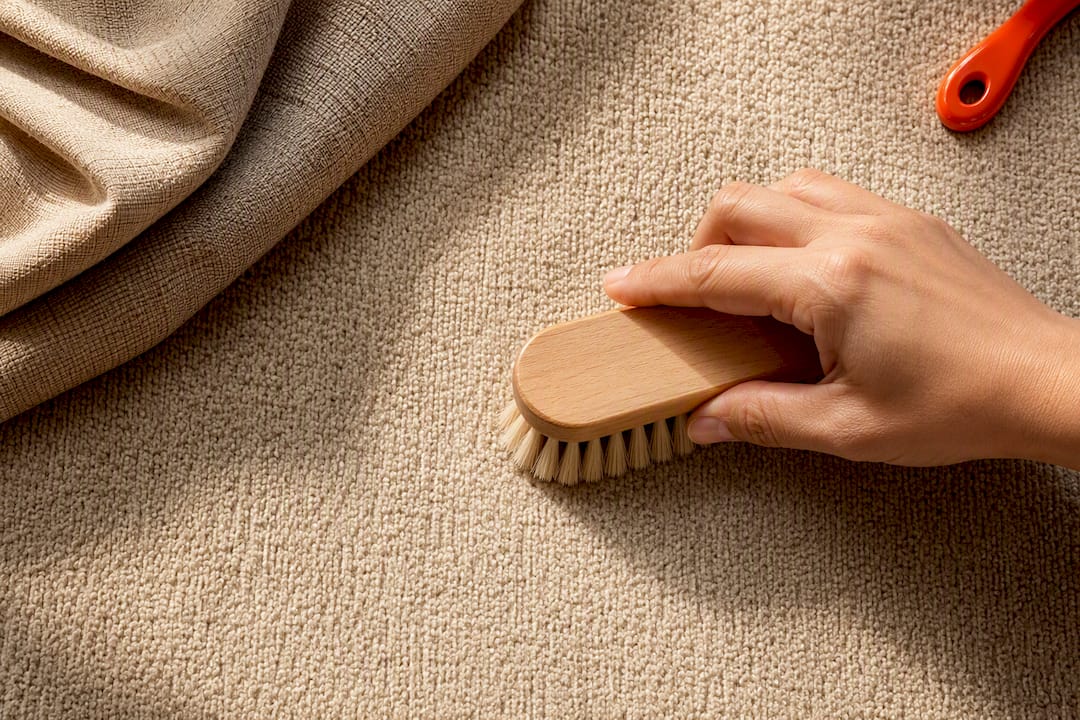
For upholstery, vacuum regularly with a soft brush attachment, but skip any powered rotating brush head. Those beater bars grab and pull pile fibers loose, causing bald patches that never grow back.
Wool chenille pieces benefit from the same general care principles used for wool care and preservation, since both fibers are sensitive to heat and aggressive agitation.
Pro Tip: Keep a soft-bristle clothes brush near any chenille sofa. A thirty-second brush after guests leave prevents the kind of pile crushing that otherwise takes months to reverse.
Chenille and velvet get confused constantly, but they behave differently on a couch or in a garment.
Industry professionals generally treat chenille as the more forgiving option for everyday upholstery, especially once it’s a performance-treated blend. If you’re still deciding between the two, a closer look at velvet’s texture and uses or the finer pile-height differences between velvet and velour will make the choice easier before you buy fabric by the yard.
The single biggest predictor of how a chenille fabric will perform in your home isn’t the price tag. It’s whether the yarn’s core was properly locked during manufacturing. A tightly constructed, low-melt-core chenille resists shedding far better than loosely wrapped older-style pile, even when both are labeled “chenille” on the tag.
Before ordering, request a swatch and check three things: fiber content, pile height, and the cleaning code printed on the bolt (W for water-based cleaners, S for solvent-based, or WS for either). Those three details tell you more about real-world performance than any marketing description ever will.

Most guides treat chenille as one uniform fabric with one uniform texture. It isn’t. The gap between a cheap, loosely wrapped chenille and a properly locked, synthetic-reinforced version is enormous, and most shoppers never learn to spot the difference until a sofa cushion goes bald in year two.
My honest recommendation breaks into three lanes. For upholstery, prioritize a synthetic-rich blend with a locked core, since that furniture takes the most daily abuse. For garments, lean cotton or rayon blends for comfort against skin. For craft trims and small accents, almost any chenille works since wear isn’t the concern, look and feel are.
Whatever you’re buying, request a swatch first and check the cleaning code before committing to yardage. That five-minute step saves more disappointment than any amount of online research.
— kev
You can request a swatch before buying, so you know exactly how a chenille’s pile feels and how it catches light before it’s on your sofa or sewing table.
Browse the current home decor fabric selection for chenille options suited to upholstery, cushions, and throws by the yard, or check the backdrop fabrics category if your project calls for a different weight or finish. Order a swatch first, confirm the fiber content and cleaning code on the product page, then place your yardage order with confidence.