

 Canadian Dollars

What is Chenille? Understanding Its Uses and Features
Posted by BLG on 2025 Sep 7th
Posted by BLG on 2025 Sep 7th

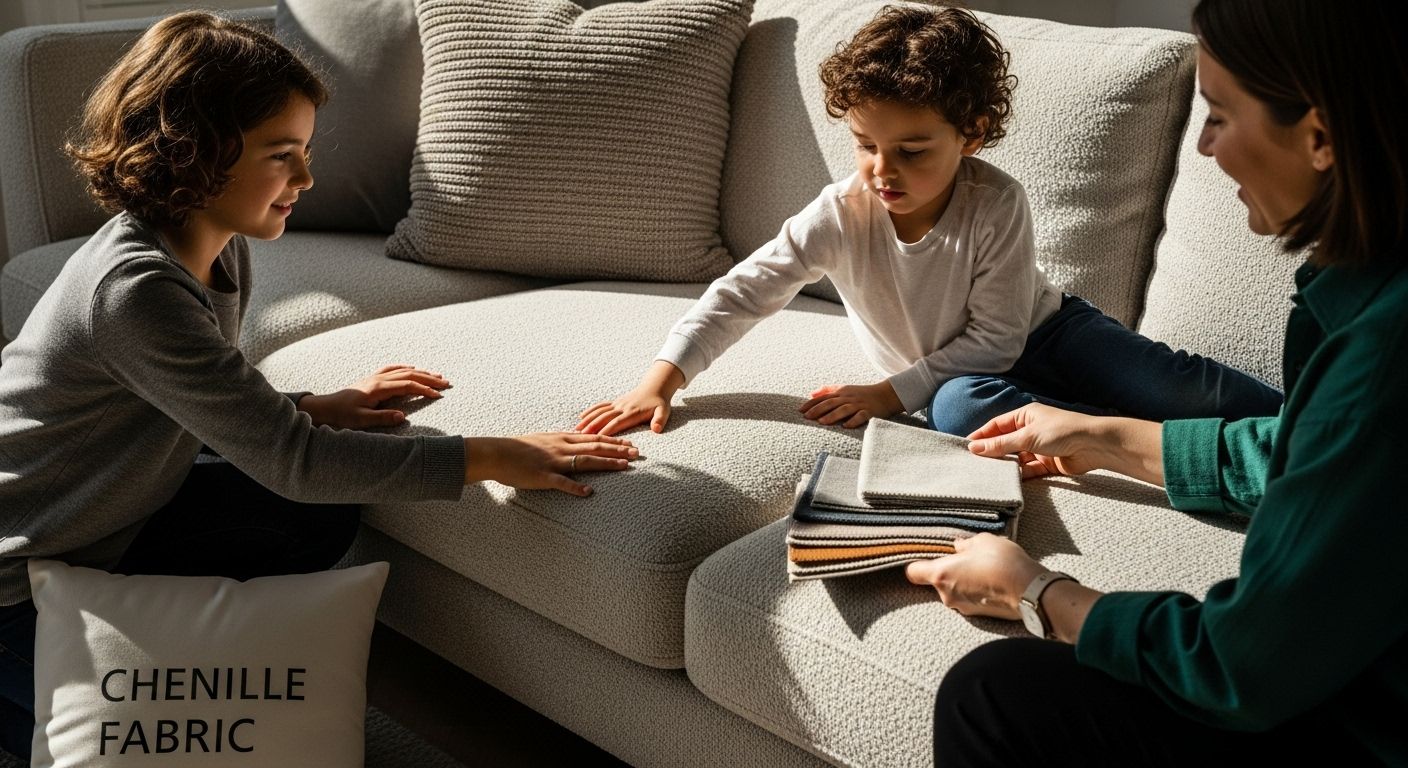
Chenille fabric is famous for its velvet-like softness and plush feel. What surprises most people is that this texture comes from a yarn technique where fuzzy segments are twisted around a core, making chenille look and feel unlike any other textile. But here is the twist. This unique construction also gives chenille its shimmering effect, reflecting light so it appears to change color as you move by—making it a favorite for designers who want both comfort and standout style.
| Takeaway | Explanation |
|---|---|
| Chenille features a unique yarn construction | Chenille is distinguished by its fuzzy appearance created from short yarn loops wrapped around a central core yarn. |
| Chenille is versatile in material choices | It can be made from cotton, silk, polyester, or blended fibers, affecting its softness and durability for different applications. |
| Chenille excels in visual appeal | The fabric’s iridescent quality results from light reflecting off its yarn loops, enhancing the design of garments and textiles. |
| Chenille enhances comfort in home decor | Its soft texture makes it ideal for upholstery and decorative items, adding warmth and luxury to interiors. |
| Chenille is used in innovative textiles | Its unique properties allow for advanced applications in industrial textiles, including insulation and performance fabrics. |
Chenille represents a unique textile characterized by its distinctive soft, fuzzy texture and remarkable construction method. Derived from the French word for “caterpillar,” this fabric gets its name from its plush, furry appearance that resembles a caterpillar’s exterior. Understanding chenille requires exploring its intricate yarn production and remarkable fabric qualities.
Chenille yarn emerges through a specialized manufacturing technique that sets it apart from traditional textile production. The process begins with creating a core yarn, around which shorter yarn lengths are wrapped at precise intervals. These short yarn segments are folded and twisted around the central core, creating tiny loops that produce the fabric’s signature fuzzy texture. According to the American Textile History Museum, this unique construction method allows chenille to develop its characteristic soft, plush surface that changes appearance depending on the viewing angle.
Chenille can be manufactured from multiple fibers, providing remarkable versatility in textile applications. Potential materials include:
Each material selection influences the fabric’s final characteristics, including durability, softness, and potential applications. Synthetic fibers often provide increased resistance to wear, while natural fibers contribute breathability and comfort. This flexibility makes chenille suitable for diverse uses ranging from luxurious home furnishings to sophisticated clothing designs.
The most striking feature of chenille is its iridescent quality, created by the unique yarn construction. When light hits the fabric, the positioned yarn loops reflect and absorb light differently, producing a shimmering effect that changes with movement and perspective. This optical phenomenon makes chenille particularly attractive for upholstery, drapery, and decorative textiles where visual depth and texture are paramount. Research from the Textile Museum confirms that the fabric’s intricate structure allows it to capture and reflect light in ways traditional woven textiles cannot, creating a dynamic visual experience.
Chenille fabric has transformed textile design by offering unparalleled texture and versatility across multiple industries. Its distinctive characteristics have elevated it from a niche material to a sought-after fabric in fashion, home decor, and industrial applications. Understanding its significance requires examining its unique contributions to design and functionality.
In the fashion world, chenille provides designers with a luxurious alternative to traditional fabric textures. Clothing designers appreciate chenille for its exceptional softness and visual depth, creating garments that stand out through tactile and visual complexity. From cozy sweaters to elegant evening wear, chenille enables creative expression through its unique texture. According to textile research from the Fashion Institute, chenille’s ability to capture and reflect light makes it particularly valuable for creating dynamic, multidimensional clothing pieces.
Key fashion applications include:
Chenille has become a cornerstone in interior design due to its remarkable aesthetic and functional properties. Furniture manufacturers and interior designers utilize chenille for its ability to add visual warmth and tactile comfort to living spaces. Upholstery, curtains, and decorative pillows made from chenille transform ordinary spaces into sophisticated environments. The fabric’s durability and resistance to wear make it an ideal choice for high-traffic areas and frequently used furniture pieces.
Beyond aesthetic applications, chenille plays a significant role in technical and industrial textile development. Its unique yarn structure allows for innovative uses in specialized fields. Research from the Textile Museum reveals that chenille’s adaptable composition makes it suitable for emerging textile technologies, including advanced insulation materials and performance fabrics. The fabric’s ability to blend different fibers enables engineers and designers to create materials with enhanced thermal, moisture-wicking, and structural properties, pushing the boundaries of traditional textile applications.
Chenille production represents a sophisticated textile manufacturing process that transforms ordinary yarn into a luxurious, textured fabric. The intricate method involves multiple precise steps that require advanced technical expertise and specialized machinery. Understanding this complex production process reveals why chenille stands out among textile materials.
This table summarizes the main steps in the chenille manufacturing process and highlights the focus of each stage for better understanding.
| Production Stage | Key Activities | Main Objective |
|---|---|---|
| Initial Yarn Preparation | Selection of core and supplementary fibers, yarn thickness, dye receptivity | Build foundation for chenille construction |
| Weaving/Cutting | Creating base fabric, wrapping and positioning yarn segments, cutting and twisting | Develop chenille texture and fuzziness |
| Final Processing | Steam treatment, quality control checks, stability enhancements | Ensure quality, durability, consistency |
The foundation of chenille manufacturing begins with carefully selected core yarns and supplementary fibers. Manufacturers start by selecting high-quality base yarns, which will serve as the structural foundation for the chenille fabric. These core yarns are typically made from cotton, silk, synthetic materials, or blended fibers, each offering unique characteristics.
According to textile manufacturing research, the selection of core yarn determines the fabric’s final performance, including its durability, softness, and overall texture.
Key considerations during yarn preparation include:
The distinctive chenille texture emerges through a unique weaving process that sets it apart from traditional fabric production. Manufacturers create a base fabric with short, fuzzy yarn segments positioned between two core yarns. These segments are then strategically cut and twisted, forming the signature caterpillar-like appearance. This cutting and twisting process creates the characteristic soft, plush surface that defines chenille. The precise angle and tension of cutting determine the fabric’s final texture and visual appeal.
After the initial weaving and cutting, chenille undergoes extensive finishing processes to enhance its performance and aesthetic qualities. This stage involves steam treatment, which helps stabilize the yarn loops and ensures they maintain their distinctive shape. Manufacturers also conduct rigorous quality control checks to verify the fabric meets specific standards for softness, durability, and visual consistency. Research from the Textile Institute indicates that these final processing steps are crucial in transforming raw chenille into a high-quality textile suitable for various applications, from fashion to home furnishings.
Chenille fabric has established itself as a versatile material with profound implications for both home decor and fashion design. Its unique texture and visual complexity enable designers to create sophisticated, tactile experiences across multiple domains. The fabric’s adaptability makes it a preferred choice for professionals seeking to add depth and character to their creative projects.
Contemporary fashion designers leverage chenille’s distinctive texture to create visually striking garments that challenge traditional fabric expectations. The fabric’s ability to capture and reflect light differently allows for dynamic clothing pieces that transform with movement. From haute couture runways to everyday wear, chenille provides designers with a medium that combines comfort and aesthetic sophistication. According to textile design research, chenille’s versatility makes it particularly valuable in creating layered, textured fashion statements.
Key fashion applications include:
In interior design, chenille serves as a transformative material that adds warmth, depth, and visual intrigue to living spaces. Furniture and textile designers appreciate chenille for its ability to create sophisticated, tactile environments. Upholstery, throw pillows, blankets, and curtains made from chenille introduce a luxurious sensory experience to home interiors. The fabric’s durability and soft texture make it ideal for high-traffic areas and frequently used furniture pieces, offering both aesthetic appeal and practical functionality.
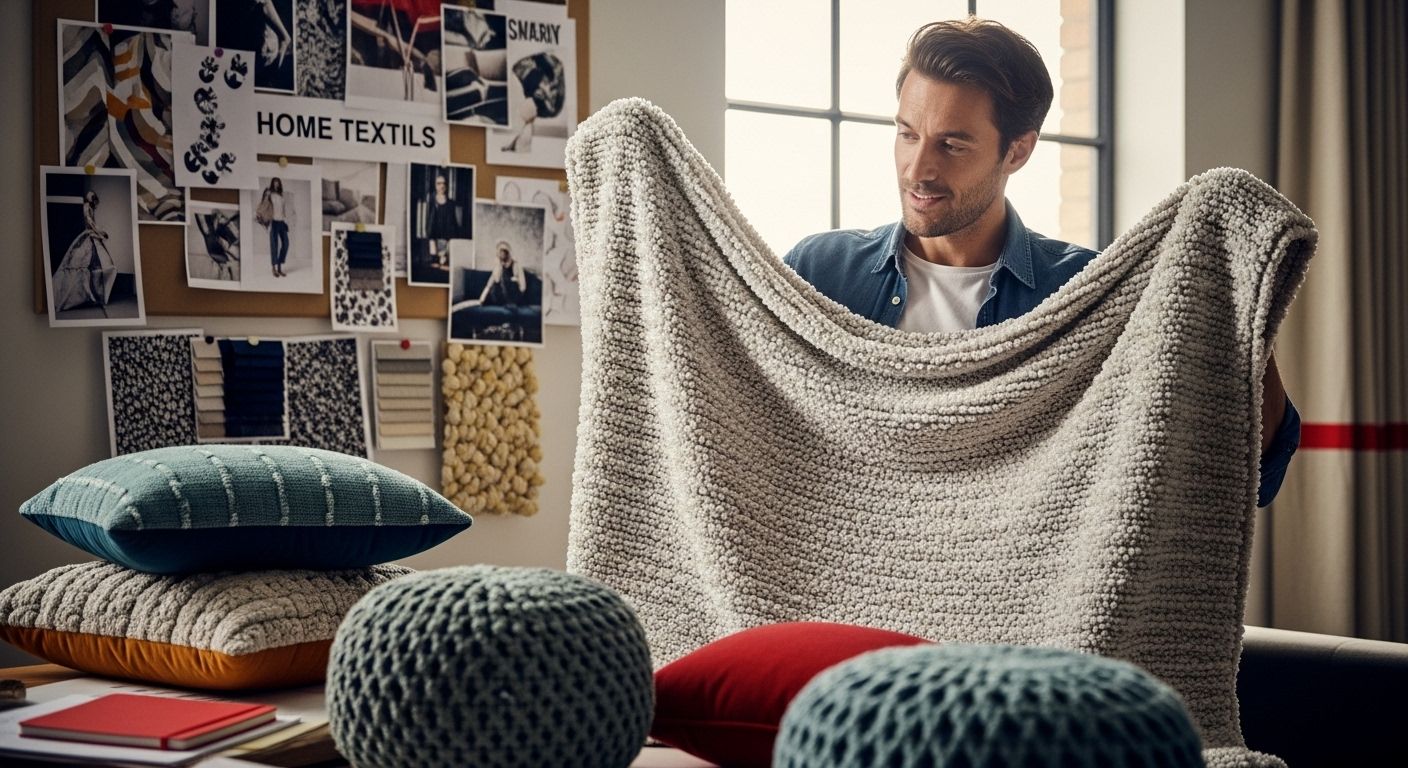
Beyond aesthetic applications, chenille demonstrates remarkable performance characteristics that extend its utility. Interior designers and textile engineers recognize the fabric’s potential for specialized environments. The material’s thermal properties and moisture-management capabilities make it suitable for advanced architectural textiles, including acoustic treatments, insulation materials, and innovative upholstery solutions. Its unique construction allows for enhanced thermal regulation and sound absorption, providing functional benefits alongside its visual appeal.
Understanding chenille’s unique characteristics requires a comprehensive comparison with other textile materials. While many fabrics share superficial similarities, chenille distinguishes itself through its distinctive production method, texture, and performance attributes. This comparative analysis reveals why chenille occupies a special place in textile engineering and design.
The following table compares chenille with other common fabrics, helping readers understand how each stands out in structure, performance, and aesthetic appeal.
| Fabric Type | Structure & Texture | Performance Characteristics | Aesthetic/Design Potential |
|---|---|---|---|
| Chenille | Fuzzy, multi-dimensional, yarn-wrapped core | Excellent thermal, moisture regulation | Shimmering, iridescent, high visual complexity |
| Cotton | Smooth woven or knit, soft surface | Breathable, absorbent, less insulating | Matte, flat visual look, natural casual appearance |
| Polyester | Smooth, sometimes textured, synthetic | Durable, moisture-wicking, less breathability | Can mimic other fabrics, wide color range |
| Silk | Smooth, soft, lightweight | Luxurious, good drape, delicate | High luster, flat yet elegant appearance |
| Acrylic | Soft, wool-like when brushed | Warm, lightweight, synthetic durability | Can be textured, often mimics wool’s look |
Chenille stands apart from traditional woven and knitted fabrics due to its unique yarn construction. Unlike standard fabrics created through linear weaving or knitting processes, chenille features a specialized yarn structure with short, fuzzy segments wrapped around a core yarn. This structural difference creates a more complex, three-dimensional surface that traditional fabrics cannot replicate. According to textile research, the integrated yarn structure provides chenille with superior acoustic and thermal properties compared to conventional textile materials.
Key structural differences include:
When comparing performance metrics, chenille demonstrates remarkable versatility that sets it apart from standard fabrics. Its specialized construction offers enhanced thermal regulation and moisture management properties, making it superior to many traditional textile materials. While fabrics like cotton and polyester have specific strengths, chenille combines multiple performance attributes in a single textile. The fabric’s ability to blend different fiber types allows manufacturers to create materials with optimized characteristics for specific applications.
Chenille’s most significant departure from other fabrics lies in its aesthetic potential. Traditional fabrics typically offer flat, two-dimensional surfaces, whereas chenille provides a dynamic, shifting visual experience. The fabric’s unique yarn loops capture and reflect light differently, creating an almost iridescent effect that changes with movement and perspective. This characteristic makes chenille particularly valuable in design contexts where visual depth and tactile complexity are paramount.
 Unlike smooth fabrics such as silk or synthetic blends, chenille introduces a sophisticated, multidimensional quality that transforms both fashion and interior design applications.
After learning how chenille stands out for its unique fuzzy texture, shimmering visual depth, and versatile applications, you may be searching for the right fabric source to bring your design ideas to life. Whether you are facing challenges finding high-quality, durable chenille for your next fashion collection or need elegant home decor textiles, you deserve access to a trusted material supplier that understands the demands of professional results.
Elevate your craftsmanship today with authentic chenille and a complete range of specialty materials from fabric-fabric.com. Discover the perfect match for your upholstery needs, apparel concepts, or creative DIY projects with our easy product search. Shop now to access exclusive selections and competitive pricing—satisfy your unique texture and quality requirements right from the comfort of your home. Take the next step and experience firsthand why designers and makers trust fabric-fabric.com for every fabric need.
Chenille can be made from a variety of fibers, including natural materials like cotton and silk, as well as synthetic fibers such as polyester and acrylic. Blended yarns are also common, offering enhanced performance and versatility.
Chenille stands out due to its unique yarn construction, which involves wrapping short, fuzzy yarn segments around a central core. This creates a three-dimensional surface that provides superior texture, light reflection, and visual appeal compared to traditional fabrics.
Chenille is widely used in fashion for garments like sweaters, jackets, and evening wear, as well as in home decor for upholstery, curtains, and decorative pillows. Its softness and durability make it ideal for both stylish and functional applications.
To care for chenille fabrics, it is recommended to follow the manufacturer’s care instructions, which often include machine washing on a gentle cycle, avoiding harsh detergents, and air drying to maintain the fabric’s softness and texture.