

 Canadian Dollars

What is Bemberg lining? A guide for quality apparel
Posted by BLG on 2026 May 3rd
Posted by BLG on 2026 May 3rd

TL;DR:
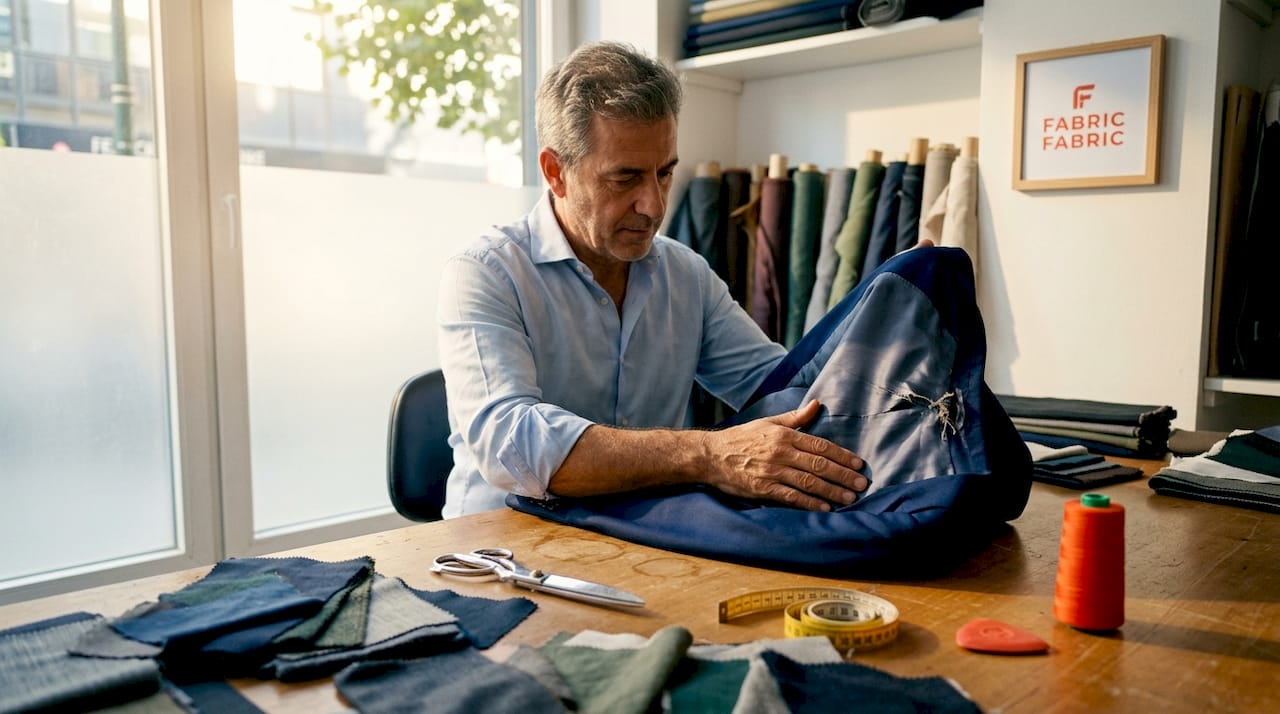
- Most sewists overlook lining, but the right choice significantly influences a garment’s comfort and drape. Bemberg, a high-quality cupro fabric by Asahi Kasei, offers superior breathability, drape, and sustainability compared to synthetic linings. Its careful manufacturing from regenerated cotton linter makes it ideal for enhancing craftsmanship and long-lasting, eco-conscious projects.
Most sewists and fashion designers treat lining as an afterthought. You pick the outer fabric, fuss over the buttons and seams, then grab whatever slippery material is nearby to finish the inside. That habit costs you more than you realize. The lining you choose directly shapes how a garment drapes, breathes, and feels against your skin hour after hour. Bemberg lining has earned a devoted following among couture houses and independent makers alike because it solves problems that other linings simply can’t match. This guide breaks down everything you need to know to use it confidently.
| Point | Details |
|---|---|
| Premium choice | Bemberg lining stands out for luxury feel, breathability, and garment durability. |
| Natural origins | It is made from cotton linter, making it a cellulose-based, semi-sustainable option. |
| Comparison matters | Knowing how Bemberg differs from polyester or acetate ensures smarter fabric selection. |
| Application ready | You can confidently use Bemberg in apparel, accessories, and craft projects. |
| Proper care | Gentle cleaning and care will maximize the life and beauty of Bemberg-lined items. |
Now that you see the lining choice isn’t trivial, let’s clarify what makes Bemberg truly distinct from the options crowding most fabric shops.
Bemberg is a brand name for a premium cupro fabric manufactured by Asahi Kasei, a Japanese company that has been refining the process for decades. The name “Bemberg” is not a fabric category; it’s a registered trademark, much like how “Lycra” is a brand of spandex rather than the fiber type itself. This distinction matters enormously when you’re shopping, because generic cupro and rayon linings may look similar on a bolt but perform very differently when they’re actually inside your garment.
What separates Bemberg from the generic crowd is a combination of fiber purity, controlled production, and consistent finishing standards. Asahi Kasei maintains tight quality thresholds that off-brand cupro producers simply don’t follow. The result is a fabric with a noticeably silkier hand, finer drape, and more reliable behavior during cutting and sewing.
Key features you should know before sourcing:
You can browse the full range of lining fabric options to see how Bemberg fits alongside other choices for your next build.
“Bemberg is used by some of the world’s most respected fashion houses precisely because it elevates the interior of a garment to match the craftsmanship of the exterior. It’s the lining that wearers feel but rarely see — and that’s exactly the point.”
Understanding Bemberg’s identity leads naturally to its origins. Let’s see how it’s actually made, because the manufacturing process is a big part of why it performs the way it does.
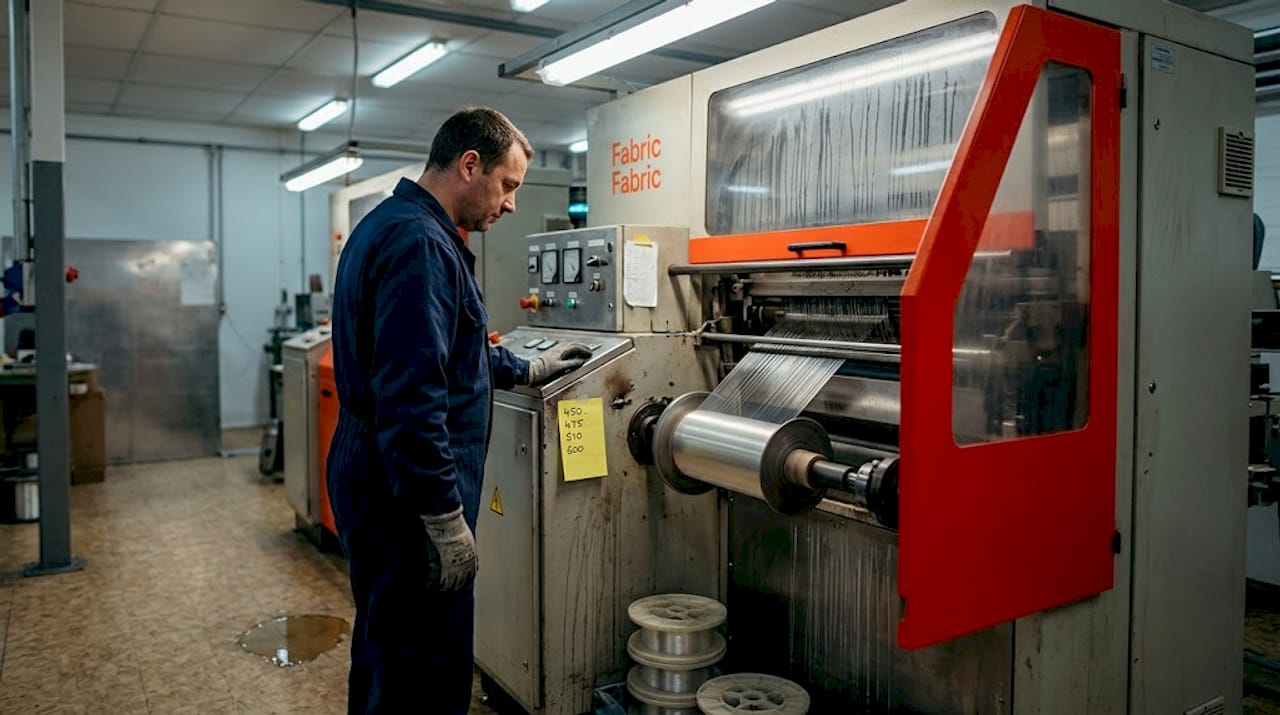
Cupro/Bemberg is made from cotton linter processed via a copper-ammonia method, then spun into yarn and woven into fabric. Cotton linter refers to the tiny, short fibers that cling to a cotton seed after the longer, usable fibers have been harvested for traditional textiles. These tiny fibers were once considered waste. The Bemberg process transforms them into something genuinely valuable.
Here’s a simplified step-by-step breakdown of how it happens:
The copper-ammonia process is tightly regulated, and Asahi Kasei has invested significantly in closed-loop systems that recover and reuse the chemicals involved. This is a meaningful sustainability advantage over the open-waste processes used by many synthetic fabric producers. If you care about responsible material sourcing, you’ll want to read more about sustainable apparel finishes and how they complement choices like Bemberg.
One compelling data point: the cupro process requires no new plant cultivation since it relies entirely on cotton seed byproduct, making it one of the more resource-efficient lining materials available in the apparel supply chain today.
Once you know how Bemberg is crafted, you might wonder how it stacks up against common linings. Here’s a direct comparison so you can make the smartest choice for each project.
| Lining type | Comfort | Breathability | Drape | Sustainability | Relative cost |
|---|---|---|---|---|---|
| Bemberg (cupro) | Excellent | Excellent | Excellent | Good | Higher |
| Generic cupro | Good | Good | Good | Fair | Moderate |
| Polyester | Fair | Poor | Fair | Poor | Lower |
| Acetate | Fair | Moderate | Good | Poor | Moderate |
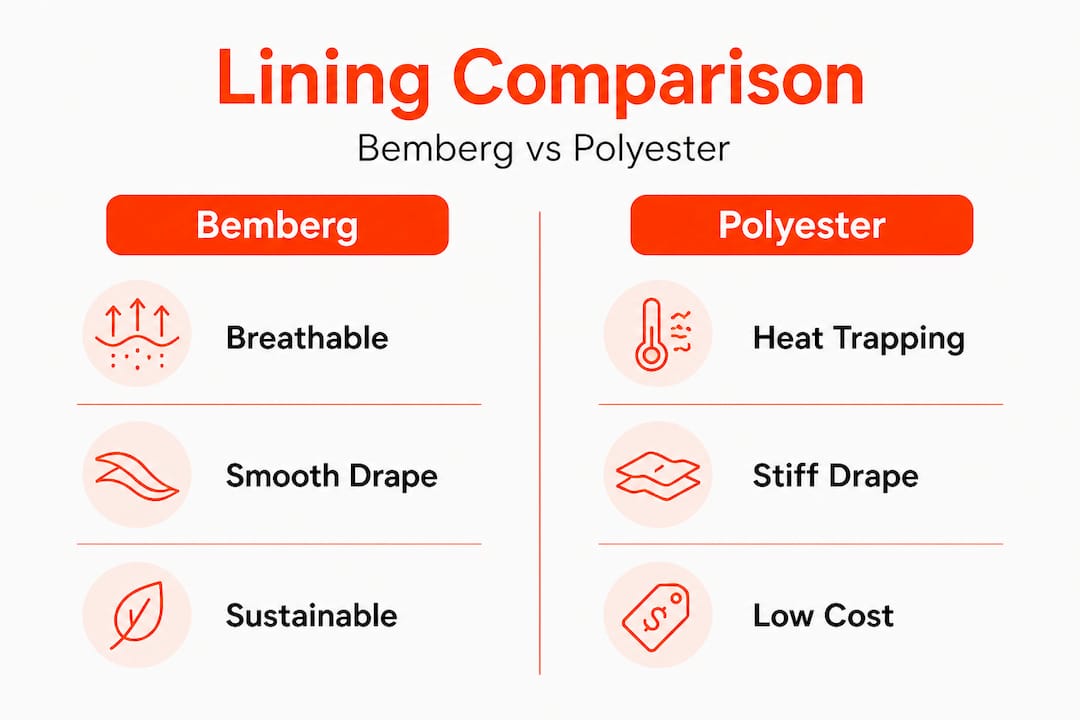
Polyester is the most common lining in mass-produced garments because it’s cheap and durable. But it traps heat, generates static, and tends to pill over time. Acetate drapes reasonably well but is fragile when wet and prone to fading. Generic cupro offers similar fiber origins to Bemberg but lacks the consistency in purity and finishing that Asahi Kasei’s process provides.
A critical nuance when shopping: Bemberg is a proprietary cupro brand, so not all cupro is Bemberg, and not everything labeled “Bemberg-style” delivers the same performance. Vendors who blend cupro with rayon or sell unbranded cupro as equivalent are not offering you the same product. Always verify the fiber content and, ideally, look for the Asahi Kasei name or official Bemberg certification.
Pro Tip: When shopping online, filter for fabric listings that explicitly name “Bemberg by Asahi Kasei” and cross-check the fiber content label for 100% cupro. If a fabric is blended or the manufacturer isn’t disclosed, treat it as generic cupro rather than true Bemberg.
For more help making the call on lining materials, our guide on selecting lining fabric walks through the decision process in detail. And if you’re comparing how Bemberg feels against a fully synthetic option, the polyester fabric guide offers a useful contrast point.
You now know the facts, but let’s make it personal. Here’s how you can put Bemberg to work in your own designs, whether you’re making a tailored jacket or finishing a handcrafted bag.
Bemberg is used primarily as apparel lining, and it excels in any application where the wearer will feel the interior of the garment throughout the day. Structured suit jackets are probably the most famous application. The smooth interior allows the jacket to glide over your shirt or blouse without catching or pulling, while the breathability keeps you comfortable during long wear. But Bemberg’s usefulness goes well beyond tailoring.
Top project applications where Bemberg truly shines:
Beyond fashion, makers who enjoy crafts and home projects can benefit from Bemberg’s fine finish and stability. For inspiration on using lining for decor, you might be surprised how a quality lining transforms decorative cushions, storage baskets, and box interiors. And if you’re working on mixed-material crafts, pairing Bemberg with structured felt fabric options creates a beautiful contrast between soft luxury and solid form.
Pro Tip: Don’t upgrade to Bemberg in garments that will face rough treatment, heavy moisture, or repeated machine washing without careful prep. It’s a fabric that rewards good care. Save it for pieces you genuinely love and plan to maintain properly.
Choosing the right lining only goes so far if you don’t care for it correctly. Put longevity on your side with these specific, practical tips.
Because cupro/Bemberg is made from regenerated cellulose, its care needs reflect that delicate construction. Like silk or fine cotton, it responds poorly to heat, harsh detergents, and rough mechanical action. The good news is that with a consistent routine, Bemberg-lined garments can last for many years without losing their feel or drape.
Cleaning dos and don’ts:
Pro Tip: If your Bemberg lining develops a small tear or snag at home, resist the urge to machine stitch it with heavy thread on a regular stitch length. Use a fine needle (size 60/8 or 70/10), a short stitch length, and match the thread weight to the fabric. Heavy repairs create puckering that shows through the outer shell of your garment.
For a broader look at caring for delicate materials, the care guide for fabrics covers everything from washing protocols to long-term storage solutions.
Armed with practical know-how, let’s step back for a hard-earned perspective every maker should consider.
Most resources on Bemberg focus on tailoring for high-end suits or couture dresses. That framing creates a false impression that Bemberg is only worth the investment when you’re making something truly grand. We disagree with that view.
Here’s the reality: the garments and accessories you make with your own hands tend to mean more than anything you buy. A handmade birthday gift, a lined tote bag for a close friend, a blazer you finally fit exactly right, these are the pieces people keep for years. Putting a polyester lining inside something you’ve invested hours and real care into is a subtle but real form of cutting corners that you and the recipient will notice every time the garment is worn.
Bemberg is a material that communicates quality through feel rather than appearance. Nobody will see the inside of your jacket. But every time the wearer puts it on, they’ll register that smooth, cool slide and feel the difference. That is craftsmanship. And you don’t need to be making a $2,000 suit jacket for it to matter.
The sustainability angle is also compelling for small-scale designers who care about their material choices. Sourcing sustainable fabric choices is increasingly important to conscious consumers, and Bemberg’s cellulose-based origins make it a far more defensible choice than petroleum-derived polyester when you’re explaining your materials to customers or gift recipients.
The extra cost per yard of Bemberg compared to a basic polyester lining is usually modest. When you consider the yardage a single garment requires, you’re often talking about a difference of a few dollars total. That’s a small premium for a noticeably better result.
You’re equipped to choose confidently. Now it’s time to start sourcing the best materials for your build.
At fabric-fabric.com, we carry a curated selection of quality linings and complementary fabrics designed to meet the standards that DIY enthusiasts and independent designers actually need. Whether you’re working on structured apparel, accessories, or creative home applications, you’ll find material options that suit every project scope and budget. Looking to add texture or contrast to a project? Explore our backdrop fabrics for creative layering, or browse our home decor fabric collection for projects that go beyond the garment. Our team is here to help you pair fabrics intelligently so your finished work reflects the care you put into choosing your materials.
Yes, Bemberg is highly breathable due to its fine cupro fibers, making it one of the best lining choices for warm-weather wear and lightweight summer dresses or trousers.
Bemberg is made from regenerated cotton linter using a process designed for improved sustainability, making it a more responsible choice compared to polyester or acetate linings derived from petrochemicals.
Hand washing in cool water is the safest approach for Bemberg, but careful machine washing on a delicate cycle inside a mesh bag with cold water is possible when care reflects its delicate construction.
True Bemberg will reference Asahi Kasei as the manufacturer and list 100% cupro as the fiber content. As noted in the Bemberg buying guide, unbranded or blended cupro sold as Bemberg is common, so always verify before purchasing.