

 US Dollar

Wall Covering Fabric Guide for Homeowners
Posted by BLG on 2026 Jun 14th
Posted by BLG on 2026 Jun 14th

TL;DR:
- Fabric wall coverings enhance interior walls with texture, warmth, and acoustic benefits that paint cannot provide. Proper fabric selection, wall preparation, and backing application are essential for long-lasting, beautiful results in decorative textile wallcoverings.
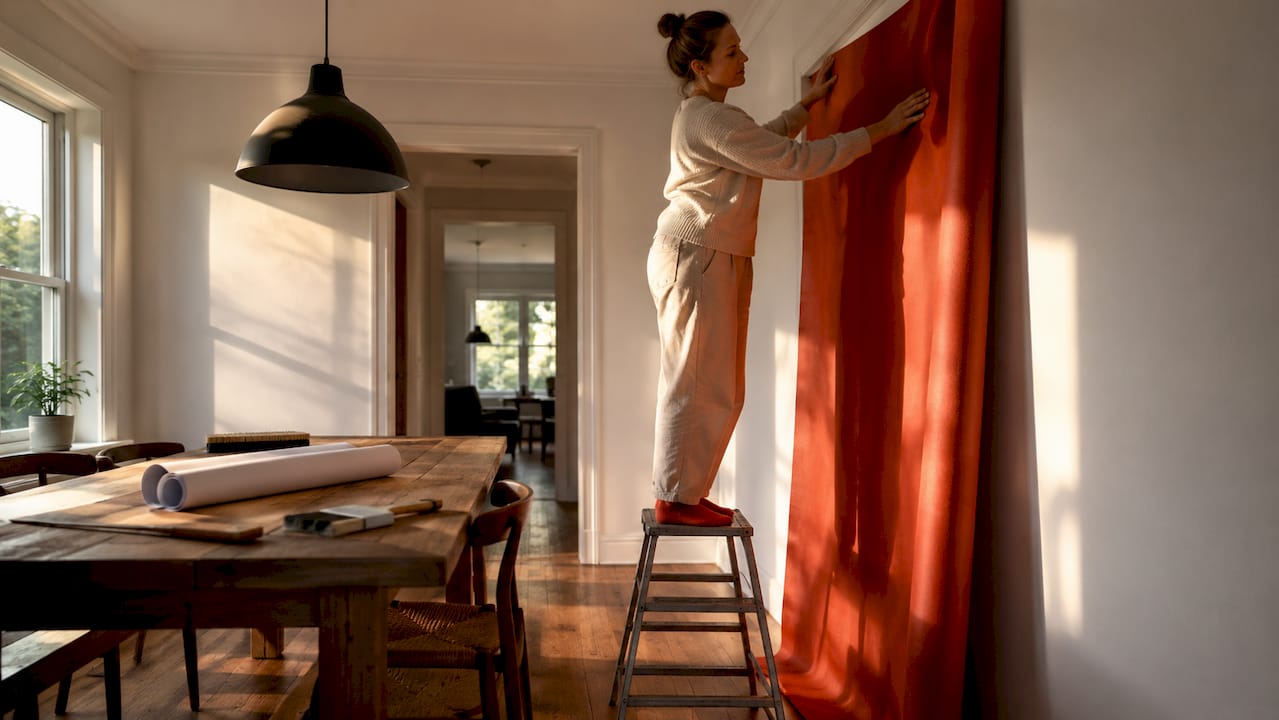
Wall covering fabric is a decorative textile applied directly to interior walls to add texture, warmth, and acoustic performance that paint simply cannot deliver. Known in the trade as textile wallcovering, this approach transforms flat, lifeless walls into tactile surfaces with real design presence. This wall covering fabric guide covers everything you need to select the right material, prepare your walls, apply fabric correctly, and keep it looking sharp for years. Whether you are a first-time homeowner or a seasoned interior decorator, the choices you make upfront determine how long your walls stay beautiful.
Fabric wall coverings are textiles bonded or stretched onto interior walls as a design finish. They deliver benefits that go well beyond aesthetics. Fabric coverings reduce noise and improve thermal insulation, making them a practical choice for home offices, bedrooms, and media rooms. That acoustic benefit alone separates textile wallcovering from standard wallpaper or paint.
The category includes a wide range of materials: cotton, linen, silk, velvet, wool, and synthetic blends. Each behaves differently on a wall. Understanding those differences before you buy saves you from costly mistakes. The best wall covering materials share three traits: dimensional stability, colorfastness, and compatibility with your chosen installation method.
Choosing the right fabric starts with understanding fabric weight’s role in how a textile performs on a vertical surface. Lightweight fabrics like cotton and linen are forgiving. They adhere cleanly with paste or adhesive and are manageable for DIY projects. Heavy fabrics like velvet and wool require staples, battens, or a full framework to stay in place without sagging.
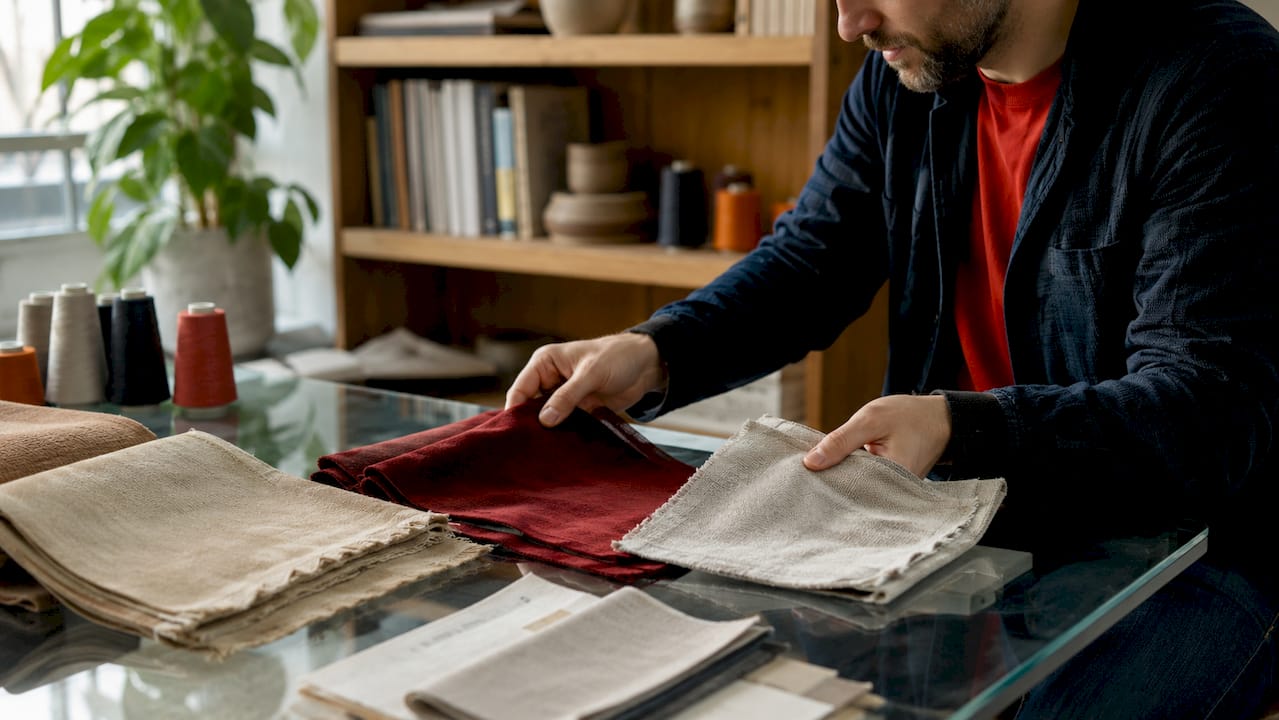
Natural fabrics bring undeniable luxury. Silk creates a luminous, high-end finish. Linen adds organic texture with a relaxed feel. Cotton is the most versatile option, available in hundreds of weaves and patterns. The trade-off is sensitivity: natural fibers absorb moisture, fade in direct sunlight, and require more careful maintenance.
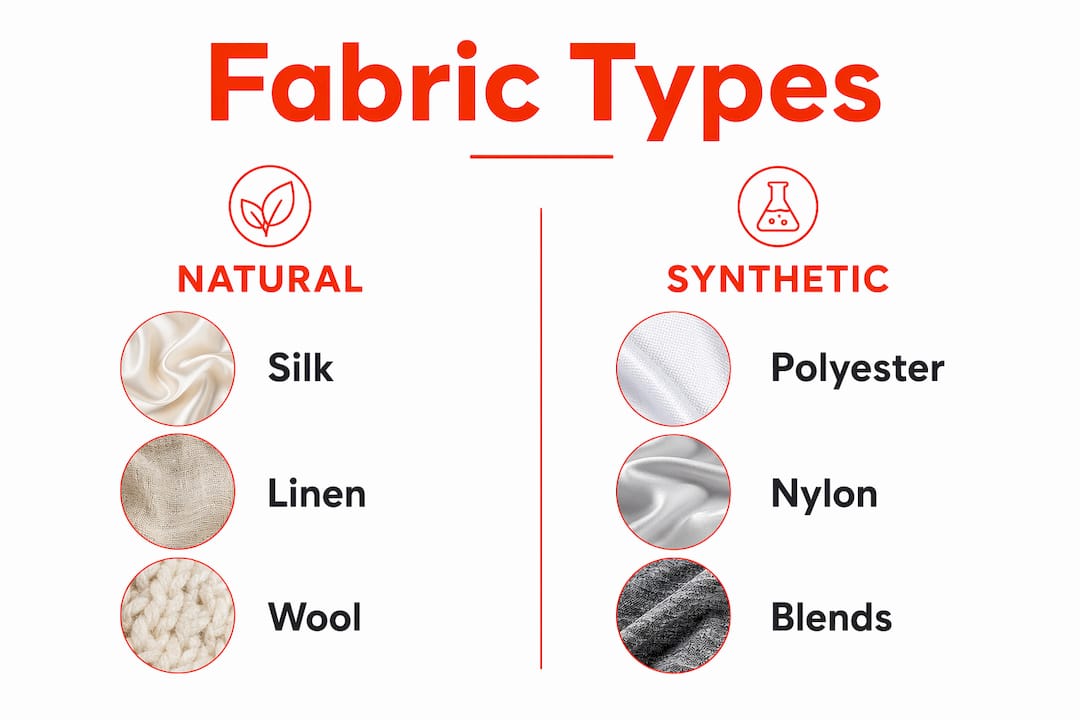
Synthetic blends, including polyester and acrylic weaves, resist moisture and fading better than naturals. They cost less and hold color longer in high-light rooms. For a family room or hallway with heavy traffic, a synthetic blend often outperforms a delicate natural fiber over time.
Here are the key factors to evaluate before selecting your fabric:
Pro Tip: Order a minimum of two yards of your chosen fabric and tape it to the wall for 48 hours before purchasing the full amount. Observe it in morning light, afternoon light, and artificial light to confirm the color reads the way you expect.
You can explore home decor fabric options that work across different rooms and installation styles to narrow your shortlist before buying.
Surface preparation is the step most homeowners skip and later regret. Cleaning walls before adhesive application is critical for proper adhesion and long-term durability. Grease, dust, and old paint residue all break down adhesive bonds over time.
The preparation sequence is straightforward. Clean the wall with a mild detergent solution and let it dry completely. Sand any rough patches smooth. Apply a primer coat suited to your wall material, whether drywall, plaster, or concrete. Moisture control matters especially in older homes: use a moisture-blocking primer if you detect any dampness.
Fabric alone is rarely stable enough to hang cleanly on a wall. Backing transforms raw textile into a manageable wallcovering. Non-woven paper backing stabilizes fabric, protects against adhesive seep-through, and creates a moisture barrier that extends the life of the installation.
The table below compares the most common backing types:
| Backing Type | Best For | Key Benefit | Limitation |
|---|---|---|---|
| Non-woven paper | Most fabric types | Dimensional stability, moisture barrier | Adds slight stiffness |
| Woven interlining | Heavy velvets, wool | Adds body and support | Increases total weight |
| Acrylic foam | Acoustic applications | Sound dampening, cushioning | Thicker profile, harder to seam |
| Self-adhesive film | Lightweight cotton, linen | Easy repositioning | Less durable long-term |
Pro Tip: When converting a favorite fabric into a wallcovering, use a professional fabric-to-wallpaper conversion service. Companies like FabricBack apply non-woven backing to your chosen textile, giving you a product that installs like commercial wallpaper without sacrificing the fabric’s original texture.
Installation method depends on fabric weight, room conditions, and whether you want a permanent or removable finish. Two primary approaches exist: direct adhesive application and batten-and-wadding framework installation.
True fabric walling, as used in luxury interiors, involves a wooden batten framework with thick layers of wadding beneath the fabric, creating a continuous soft-touch surface across the entire wall. This is fundamentally different from fabric-covered panels mounted individually. The batten method delivers a seamless textile skin with superior acoustic performance.
For most homeowners, the direct adhesive method works well for backed fabrics. Here is the process:
The comparison below shows how installation methods differ by fabric type:
| Method | Best Fabric Types | Tools Needed | Skill Level |
|---|---|---|---|
| Direct adhesive | Backed cotton, linen, synthetics | Roller, smoothing brush, utility knife | Beginner to intermediate |
| Staple and batten | Velvet, wool, heavy upholstery | Staple gun, battens, wadding | Intermediate to advanced |
| Fabric-covered panels | Any fabric | Panel board, staple gun, frame | Beginner |
| Full batten framework | Silk, luxury textiles | Batten system, wadding, professional tools | Professional only |
Professional installers are recommended for noble fabrics like silk, wool, or linen to prevent sagging and mold issues. For a first project, start with a backed cotton or linen on a single accent wall before committing to a full room.
Fabric wall coverings require more attention than painted walls, but the upkeep is straightforward once you build a routine. Fabric wallpapers need regular dusting and are more sensitive to stains and moisture than vinyl alternatives. That sensitivity is the price of the texture and warmth they provide.
Follow these maintenance practices to protect your investment:
Pro Tip: Apply a fabric protector spray, such as Scotchgard Fabric Protector, to your wall fabric immediately after installation. This creates an invisible barrier that repels liquid spills before they penetrate the fibers, buying you critical response time.
When stains penetrate deeply or mold appears at the base of a wall, professional cleaning or panel replacement is the right call. Attempting aggressive DIY cleaning on silk or wool often causes more damage than the original stain.
Choosing the right fabric and backing material is the single most important decision in any textile wallcovering project, because it determines both installation success and long-term durability.
| Point | Details |
|---|---|
| Fabric weight drives method | Lightweight cottons suit adhesive application; heavy velvets require battens or staples. |
| Backing is non-negotiable | Non-woven paper backing stabilizes fabric and prevents adhesive seep-through on any wall type. |
| Surface prep determines adhesion | Clean, primed, and moisture-free walls are required before any fabric application begins. |
| True walling beats panels | A batten-and-wadding framework creates a seamless textile surface with better acoustics than mounted panels. |
| Maintenance protects the investment | Weekly dusting, humidity control, and a fabric protector spray extend the life of any wallcovering. |
Most homeowners underestimate how much the backing decision matters. They spend hours choosing the perfect fabric and then grab whatever adhesive is on the shelf. The result is bubbling, seep-through staining, and a wall that looks worse than paint within two years. The fabric is rarely the problem. The preparation and backing almost always are.
The other misconception I see constantly is treating fabric-covered panels as equivalent to true fabric walling. They are not the same product. Genuine fabric walling creates a soft textile skin that envelops the room, with acoustic performance and tactile quality that panels simply cannot replicate. If you want the real effect, budget for the batten framework and the wadding. If you want a quicker project, panels are fine, but go in knowing what you are getting.
On budget: high-end professional installations can reach 250 to 600 euros per square meter depending on fabric and complexity. That number surprises most people. It reflects the skill, time, and material quality required to do the job properly. For a single accent wall, a backed fabric and a careful DIY approach is absolutely achievable. For a full room in silk or wool, hire someone who has done it before.
My honest advice: start with a fabric selection guide before you ever touch a wall. Knowing your fabric’s weight, weave, and backing compatibility before you buy saves you from the most expensive mistakes in this process.
— kev
Ready to move from planning to buying? Fabric-fabric carries a curated range of textiles suited for wall covering projects, from lightweight cottons and linens to rich velvets and upholstery-weight materials.
Browse the backdrop fabric collection for large-format wall applications where drape, weight, and color consistency matter most. Fabric-fabric also stocks a broad range of quilting fabrics that translate beautifully to decorative accent walls, offering tight weaves and vivid prints that hold up well with proper backing. The team at Fabric-fabric can answer questions about fabric weight, backing compatibility, and yardage calculations for your specific wall dimensions. Check current promotions for free shipping thresholds before you order.
Cotton, linen, and synthetic blends are the most practical choices for most homeowners because they are lightweight, easy to back, and available in hundreds of colors and patterns. Silk and velvet deliver a luxury finish but require professional installation to avoid sagging and damage.
Non-woven paper backing is strongly recommended for any fabric applied with adhesive. Backing stabilizes the textile, prevents adhesive from bleeding through to the face of the fabric, and adds a moisture barrier that extends the life of the installation.
DIY installation works well for backed lightweight fabrics like cotton or linen on a prepared, primed wall. Heavy or luxury fabrics such as silk, wool, or velvet are better handled by professional installers to prevent mold, sagging, and seam failures.
With proper preparation, quality backing, and regular maintenance, fabric wall coverings typically last 10 to 15 years. Humidity control and UV protection are the two biggest factors in reaching the upper end of that range.
Bathrooms and kitchens are poor choices for textile wallcoverings because steam and grease degrade fabric quickly. Bedrooms, home offices, dining rooms, and media rooms are ideal environments where fabric walls perform best.