

 US Dollar

Home decor fabrics list: comprehensive guide for DIY
Posted by BLG on 2026 Mar 29th
Posted by BLG on 2026 Mar 29th

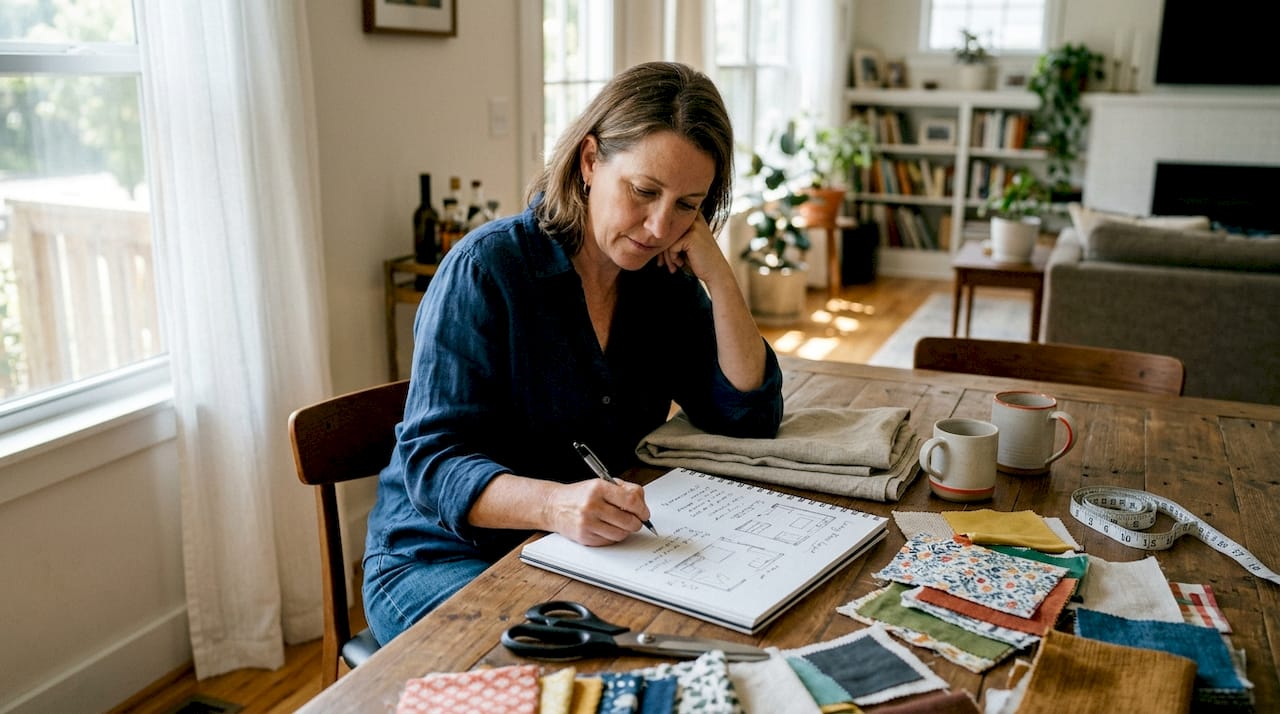
The fabric you choose for a home decor project does more than fill space. It sets the mood, determines how long your work lasts, and decides how much upkeep you’ll face for years to come. Common home decor fabrics span both natural and synthetic categories, each with its own strengths and trade-offs. Whether you’re reupholstering a sofa, sewing curtains, or crafting throw pillows, this guide walks you through every major fabric type, how to compare them, and exactly which one fits your next project.
| Point | Details |
|---|---|
| Match fabric to project | Each project—upholstery, curtains, or accents—has an ideal fabric type based on use and style. |
| Balance function and style | Look for the right mix of breathability, durability, and ease of care when choosing fabrics. |
| Know fabric categories | Natural, synthetic, and specialty fabrics each offer unique pros and cons for DIY projects. |
| Check performance metrics | Durability ratings, thread count, and fabric weight can help ensure longevity and beauty. |
Picking the right fabric isn’t just about color or pattern. The real decision comes down to how the fabric will perform in your specific space. A fabric that looks stunning in a quiet bedroom may fall apart in a busy living room with kids and pets.
Here are the key criteria to evaluate before you buy:
Our fabric selection guide breaks down these criteria in even more detail if you want to go deeper before shopping. You can also follow a step-by-step fabric guide to map out your project from start to finish.
Performance fabrics like Crypton and Sunbrella are worth mentioning here. These are engineered specifically for extreme durability, UV resistance, and moisture repelling. If you have outdoor furniture or a heavily used family room, they’re worth the investment.
Pro Tip: When shopping for upholstery fabric, always ask for the rub rating. Anything below 15,000 double rubs is considered light-duty and will wear out quickly on a sofa or chair.
With the selection criteria in mind, here’s your master list of the most popular home decor fabrics and what makes each one special.
Natural fabrics
Synthetic fabrics
Specialty fabrics
For more creative ideas, browse our decor fabric ideas or explore specific options like sofa fabric names and upholstery fabric types to narrow down your choices.
For curtains specifically, check out this overview of curtain fabric types to understand how weight and weave affect light control and privacy.
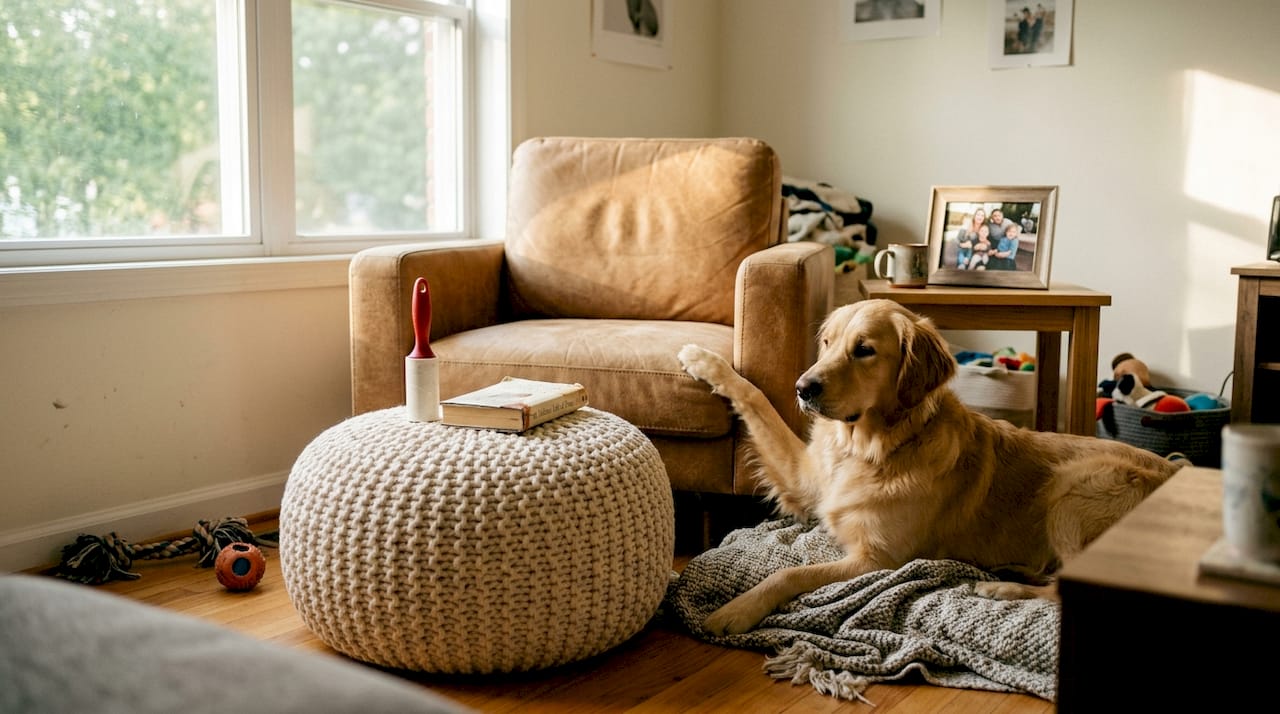
Pro Tip: Faux leather and acrylic are your best friends if you have pets. Both resist scratching and are easy to wipe down after muddy paw prints.
Now let’s make your decision process even easier with a direct comparison to spotlight the strengths and weaknesses at a glance.
| Fabric | Pros | Cons | Best for | Example projects |
|---|---|---|---|---|
| Cotton | Breathable, versatile, dye-friendly | Wrinkles, may shrink | General use | Curtains, pillows, slipcovers |
| Linen | Natural look, durable | Wrinkles easily | Airy spaces | Drapes, table linens |
| Wool | Insulating, flame-resistant | Heavy, can felt | Cold climates | Heavy drapes, upholstery |
| Silk | Luxurious, light-reflective | Delicate, expensive | Formal rooms | Decorative pillows, drapes |
| Polyester | Stain-resistant, fade-proof | Less breathable | High-traffic areas | Sofas, outdoor cushions |
| Nylon | Most durable, abrasion-resistant | Can feel synthetic | Heavy-use furniture | Upholstery, dining chairs |
| Acrylic | UV-resistant, moisture-proof | Can pill | Outdoor use | Patio cushions, outdoor drapes |
| Velvet | Rich texture, dramatic | Attracts lint | Statement pieces | Sofas, headboards |
| Faux leather | Wipe-clean, durable | Can crack over time | Easy-clean spaces | Dining chairs, ottomans |
Natural fibers excel at breathability, synthetics resist stains and fading, wool insulates, and polyester is low-care. That single sentence covers most of what you need to know when choosing between categories.
Key insight: The best fabric for your project isn’t always the most expensive one. It’s the one that matches your lifestyle. A velvet sofa looks incredible but demands regular lint rolling. A polyester blend sofa survives family life with minimal effort.
For sofa-specific decisions, our sofa fabric choosing guide covers every detail. If you’re focused on window treatments, our drapery fabric comparisons will help you zero in on the right option.
Let’s put this into action by matching each fabric type with the project that lets it truly shine.
One important step before you start cutting: pre-wash natural fabrics to avoid 3 to 5% shrinkage after your project is complete. Skipping this step can cause curtains to pull short or cushion covers to pucker after the first wash.
If you’re working on window treatments, our cotton drapery options page is a great starting point for finding the right weight and weave.
Pro Tip: For rooms with direct sun exposure, always choose a fabric rated for UV resistance. Polyester and acrylic hold their color far longer than cotton or silk in bright light.
You now have a clear picture of which fabrics work best for your specific project. The next step is finding high-quality materials that match your vision without the guesswork.
At fabric-fabric.com, we carry a wide range of home decor fabrics organized by type and use, so you can find exactly what you need without scrolling through irrelevant options. From velvet and faux leather for upholstery to sheers and blackout fabrics for curtains, our catalog covers every project on your list. We also offer a curated backdrop fabric selection for creative and staging projects. With detailed product descriptions, usage suggestions, and clear pricing, you can shop with confidence and get your project started the right way.
Nylon and polyester offer top durability for upholstery and resist both fading and stains. Nylon ranks highest for abrasion resistance, while polyester excels at repelling spills.
Always pre-wash natural fabrics like cotton and linen before cutting to minimize shrinkage of 3 to 5% after your project is finished. This one step saves a lot of frustration.
Curtain fabrics typically range from 4 to 7 oz per square yard, with sheers and voiles for light filtering and blackout fabrics for full light blocking. Heavier weights also add insulation.
Natural fabrics are breathable and eco-friendly but tend to wrinkle and require more care. Synthetics are more durable, fade-resistant, and easier to maintain, making them better for busy households.
Performance fabrics offer stain and UV resistance, making them ideal for outdoor spaces, high-traffic rooms, and any area where spills or sun exposure are a regular concern.