

 Canadian Dollars

Top examples of patterned fabrics for creative projects
Posted by BLG on 2026 Mar 23rd
Posted by BLG on 2026 Mar 23rd

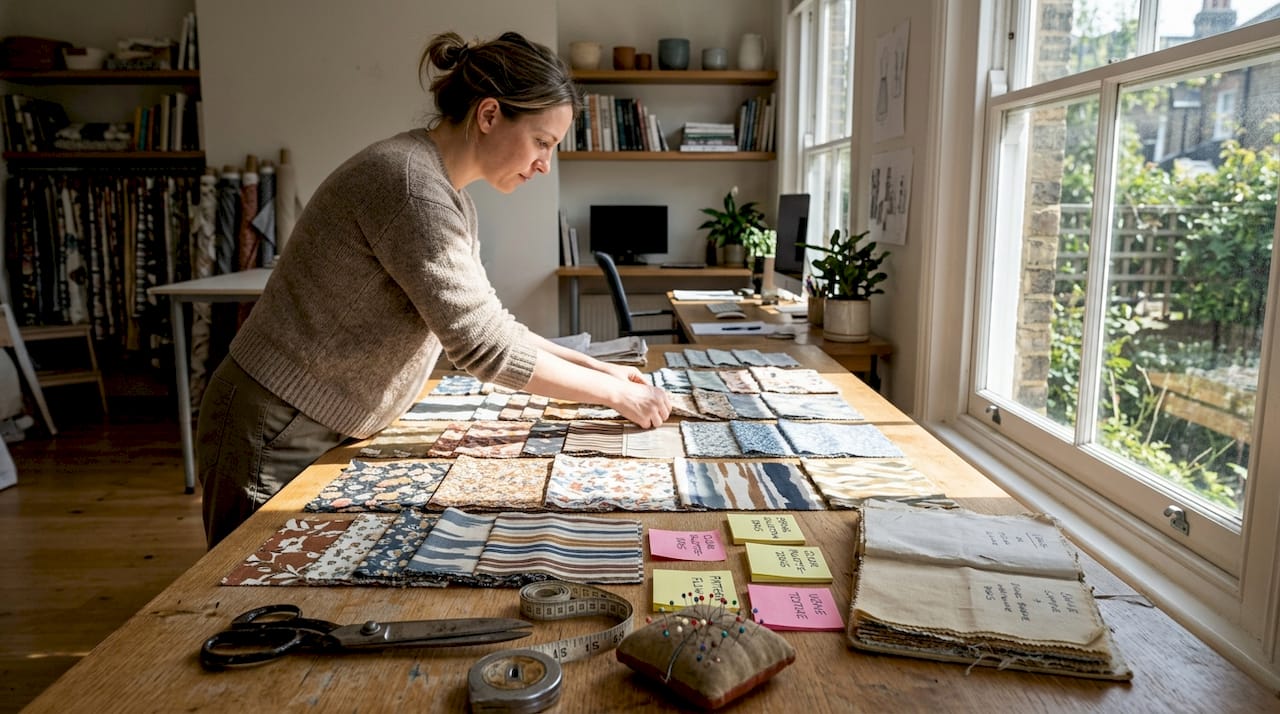
Selecting the perfect patterned fabric for your next DIY project can feel overwhelming when faced with endless options at the fabric store. From bold florals to playful polka dots, each pattern brings unique character and challenges to your creative vision. Understanding key selection criteria like color harmony, scale variation, and pattern mixing rules transforms this daunting task into an exciting opportunity. This guide will walk you through essential criteria for choosing patterned fabrics, showcase popular examples that inspire crafters worldwide, and equip you with practical strategies to confidently mix and match patterns in quilting, fashion, and home decor projects.
| Point | Details |
|---|---|
| Color harmony and scale | Color harmony across fabrics with varied motif scales creates cohesive designs. |
| Pattern mixing guide | Follow the rule of three by choosing one dominant pattern, a secondary pattern in a different scale, and a subtle third pattern. |
| Solids for balance | Solids act as visual rests to let busy prints breathe and prevent overload. |
| Scrap busting techniques | Scrap busting like log cabin quilting turns leftovers into finished projects. |
Successful fabric selection begins with mastering three foundational elements that separate chaotic designs from cohesive masterpieces. Color and value harmony create visual appeal by ensuring your chosen fabrics complement rather than compete with each other. When patterns share a common color palette, even bold prints can coexist peacefully in a single project.
Scale variation prevents pattern clashes that make viewers’ eyes work overtime. Combining a large floral print with medium geometric shapes and small polka dots creates visual hierarchy and breathing room. Starting with color harmony and scale variation sets the foundation for confident fabric choices that translate into stunning finished pieces.
The rule of three patterns offers beginners a foolproof framework for mixing prints without overwhelming the design. Select one dominant pattern as your focal point, add a secondary pattern in a different scale, and include a subtle third pattern or texture for depth. This approach works beautifully whether you’re piecing a quilt, sewing garments, or upholstering furniture.
Solids serve as visual rest stops that allow patterned fabrics to shine without competing. Think of solid fabrics as the white space in graphic design, giving your eye a place to pause between busy prints. Strategic solid placement prevents sensory overload and highlights your carefully chosen patterns.
Pro Tip: Keep a fabric swatch selection process guide handy when shopping to test color combinations under different lighting conditions before committing to yardage.
Essential criteria for pattern selection:
Scrap busting techniques like log cabin quilting transform leftover patterned pieces into beautiful projects rather than landfill waste. This traditional block construction method accommodates fabric strips of varying widths and patterns, making it perfect for using up those precious remnants you can’t bear to discard. Each strip builds upon the previous one, creating dynamic visual movement that celebrates rather than hides pattern diversity.
“Pattern mixing succeeds when fabrics share common colors but vary in scale and texture, with solids providing essential visual balance.”
Floral patterns reign as timeless favorites across fashion, quilting, and home decor applications. From delicate ditsy prints to oversized botanical designs, florals offer versatility that adapts to virtually any aesthetic. Small scale florals work beautifully for garment linings and coordinating quilt blocks, while large statement florals create stunning focal points in throw pillows and curtain panels.
Geometric patterns bring clean lines and modern sophistication to contemporary projects. Triangles, hexagons, chevrons, and abstract shapes create visual interest through repetition and symmetry. These patterns excel in quilting where precise piecing emphasizes their mathematical beauty. Geometric quilting fabric selections range from subtle tone on tone designs to high contrast graphic prints that demand attention.
Polka dots deliver playful charm with surprising sophistication depending on scale and color choices. Tiny pin dots add subtle texture, while oversized dots make bold statements in accessories and accent pieces. The circular motif works across traditional and modern aesthetics, making polka dots remarkably adaptable for diverse project styles.
Stripes create directional movement and visual effects that savvy crafters leverage strategically. Vertical stripes elongate and slim, horizontal stripes widen, and diagonal stripes add dynamic energy. Stripe width dramatically impacts the overall effect, with narrow pinstripes offering subtlety and wide awning stripes commanding attention. Consider how stripe direction will appear in your finished project before cutting.
Animal prints inject wild sophistication into accessories, accent pillows, and statement garments. Leopard, zebra, cheetah, and snake prints function surprisingly well as neutrals when used thoughtfully. These bold patterns work best in smaller doses unless you’re deliberately creating dramatic impact. Animals quilting fabric collections often feature whimsical interpretations perfect for children’s projects alongside realistic wildlife prints.
Pattern characteristics at a glance:
Different pattern types serve distinct purposes and present unique challenges when incorporated into creative projects. Understanding these differences helps you select fabrics that align with your skill level and project goals.
| Pattern Type | Visual Impact | Best For | Mixing Ease | Scrap Potential |
|---|---|---|---|---|
| Floral | Medium to High | Quilts, garments, home decor | Easy with geometrics and dots | Excellent for small crafts |
| Geometric | Medium to High | Modern quilts, bags, upholstery | Easy with florals and solids | Good for piecing |
| Polka Dots | Low to Medium | Coordinating prints, linings, accents | Very easy as bridge pattern | Perfect for binding |
| Stripes | Medium | Borders, directional interest, garments | Moderate, requires careful placement | Good for piping |
| Animal Prints | High | Accessories, accent pillows, trim | Challenging, use sparingly | Limited due to bold nature |
Floral fabrics offer the widest versatility across project types and skill levels. Their organic shapes forgive slight cutting imperfections better than geometric patterns requiring precise alignment. Medium scale florals work particularly well as transition fabrics when mixing multiple patterns, bridging the gap between bold focal prints and subtle supporting designs.
Geometric patterns demand precision but reward careful crafters with crisp, professional results. These prints highlight construction quality, making them excellent choices for showcasing advanced skills. When starting with color harmony and varied geometric scales, you create dynamic visual interest without pattern chaos.
Polka dots function as the universal coordinator in mixed pattern projects. Their simple circular motif complements virtually any other pattern type while adding visual texture. Use dots strategically to break up competing patterns or create breathing room between busy prints. Dot scale should vary from your other pattern scales to maintain visual hierarchy.
Pro Tip: When working with directional patterns like stripes or large scale prints, purchase an extra half yard to allow for pattern matching and strategic placement that maximizes visual impact.
Stripes require thoughtful consideration of grain line and pattern direction during layout. Horizontal stripes can widen an area visually, while vertical stripes create height and elegance. Mixing stripe widths adds sophistication, but ensure stripes share colors with your other fabric choices for cohesion. Consider how seam placement will interrupt stripe continuity in your finished project.
Animal prints pack maximum drama with minimal yardage requirements. These bold patterns work best as accents rather than dominant fabrics unless you’re intentionally creating statement pieces. Pair animal prints with solid fabrics in coordinating colors to let the pattern shine without overwhelming your project. Scrap busting with animal prints works well for small accessories like zipper pulls, bag straps, or decorative trim where their intensity becomes an asset.
Explore comprehensive guidance on 7 essential fabric pattern types to deepen your understanding of how different patterns function in various applications and which combinations create professional results.
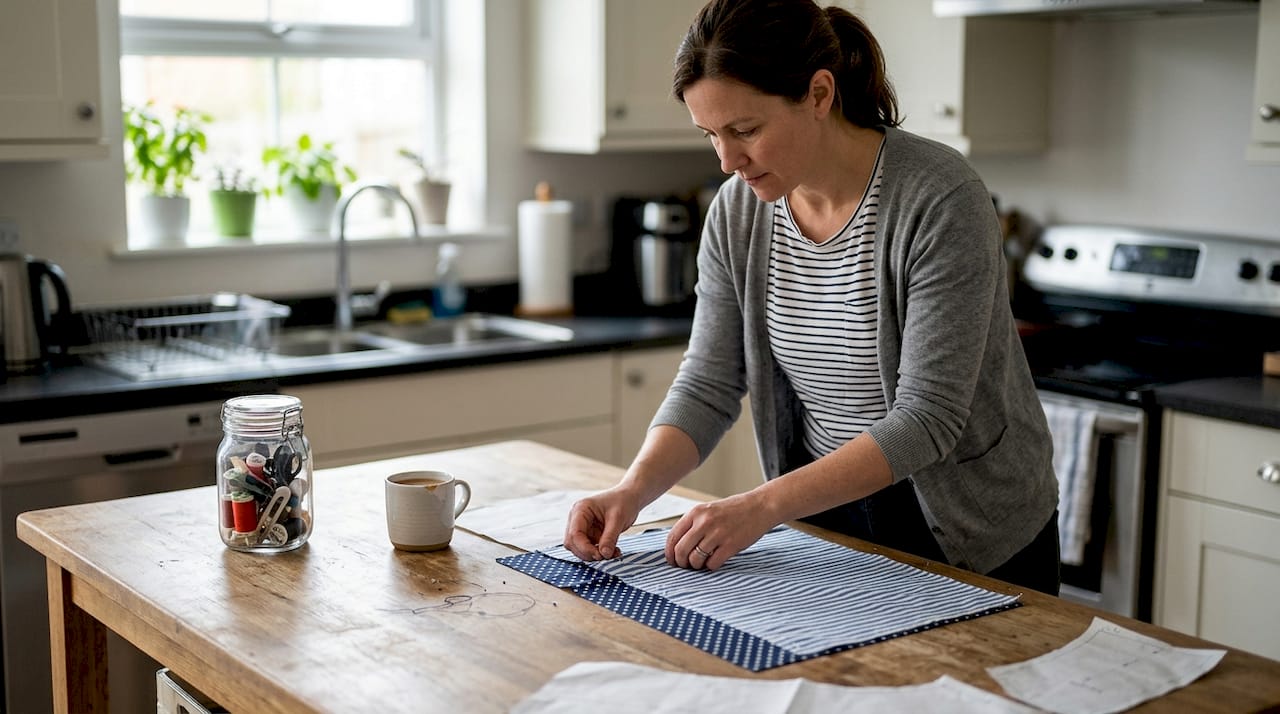
Implementing patterned fabrics successfully requires strategic planning before you make the first cut. Start every multi pattern project by establishing a cohesive color palette that ties all fabric choices together. Pull two or three colors that appear across all your selected prints, then choose solids in those exact shades to serve as coordinating elements.
Incorporating solids strategically prevents pattern overload and gives viewers’ eyes essential rest between busy prints. Position solid fabrics adjacent to your most complex patterns to create visual breathing room. This technique works especially well in quilting where solid sashing between patterned blocks creates definition while maintaining overall cohesion. Mixing patterns succeeds when you balance visual weight across your entire project.
Scale variation creates depth and prevents patterns from competing for attention. Combine a large scale focal print with medium supporting patterns and small scale accent prints for dynamic visual interest. This layered approach mimics how professional designers create cohesive spaces and garments. When all patterns share similar scale, they blur together and lose individual impact.
Scrap buster techniques minimize waste while maximizing your fabric investment. Log cabin blocks, string piecing, and crumb quilting transform tiny remnants into functional art. Save even the smallest patterned pieces for applique, decorative trim, or mixed media projects. Your future self will thank you when you need just a pop of that perfect print for a coordinating project.
Texture and care requirements deserve consideration alongside aesthetic choices. Mixing fabric weights and fiber contents can create construction challenges and laundering complications. Group fabrics with similar care needs within projects to simplify long term maintenance. Pre wash all fabrics together to identify any bleeding or shrinkage issues before investing hours in construction. Review comprehensive guidance on upholstery fabrics and cleaning to understand how different fabric types perform over time.
Strategic implementation checklist:
Pattern placement dramatically impacts finished project aesthetics. Center large scale motifs on prominent areas like quilt blocks or garment fronts for maximum impact. Avoid placing unflattering pattern elements at widest body points in garments. Consider how pattern repeats will align at seams, and whether matching or deliberately offsetting creates your desired effect.
Develop your pattern mixing confidence gradually by starting with pre coordinated fabric collections. Many manufacturers design fabric lines specifically to work together, eliminating guesswork for beginners. As your skills grow, branch out by adding unexpected elements to coordinated collections, then eventually curating entirely custom combinations. Study how to match fabric patterns in quilts for detailed techniques that elevate your finished projects from homemade to handcrafted.
Ready to transform your creative vision into reality with premium patterned fabrics? Fabric Fabric offers an extensive selection of prints perfect for quilting, home decor, and crafting projects of every scale. Whether you’re drawn to timeless florals, modern geometrics, or playful novelty prints, you’ll discover fabrics that inspire your next masterpiece.
Browse curated quilting fabric collections featuring coordinated prints that take the guesswork out of pattern mixing. Explore versatile home decor fabric options in durable weights perfect for upholstery, drapery, and accent pillows. Need something special for photography or events? Check out stunning backdrop fabrics in patterns that photograph beautifully.
Fabric Fabric combines reliable quality with competitive pricing to support your creative journey. Their detailed product descriptions include fiber content, weight, and care instructions so you can make informed decisions. With regular sales and promotions, you can stock up on those patterns you’ve been eyeing without breaking your crafting budget.
Floral, geometric, and polka dot patterns dominate quilting projects due to their versatility and mixing ease. These three pattern types work beautifully together or individually, adapting to both traditional and modern quilt aesthetics. Browse extensive quilting fabric selections to find prints that match your style and skill level.
Start by selecting fabrics that share a common color palette while varying in scale and texture. Incorporate solid fabrics to balance busy prints and prevent visual overload. Stick to the rule of three patterns when starting out, gradually adding more as your confidence grows. Review detailed strategies for matching fabric patterns in quilts to refine your mixing techniques.
Quilting projects like log cabin patterns maximize scrap use by incorporating strips of varying widths and prints into structured designs. Small home decor items including coasters, mug rugs, and zipper pouches also suit scraps perfectly. Consider using remnants for quilt binding, applique elements, or decorative trim on larger projects. Explore creative applications with versatile backdrop fabrics that transition beautifully from large projects to scrap crafts.
Large scale patterns work best on bigger projects like bed quilts, curtains, and upholstered furniture where the full motif can be appreciated. Medium scale patterns suit throw quilts, garments, and accent pillows. Small scale prints excel in accessories, quilt binding, and coordinating elements. Match pattern scale to your project dimensions so motifs don’t get lost or overwhelm the finished piece.
Absolutely, but include a bridge color that appears in both warm and cool fabrics to create cohesion. Neutrals like gray, taupe, or cream work beautifully to unite disparate color temperatures. Alternatively, choose patterns where warm and cool colors already coexist within individual prints, then pull coordinating fabrics from those shared hues. This technique creates sophisticated color play while maintaining visual harmony.