

 Canadian Dollars

7 Essential Fabric Pattern Types for Crafters and Sewers
Posted by BLG on 2026 Jan 13th
Posted by BLG on 2026 Jan 13th

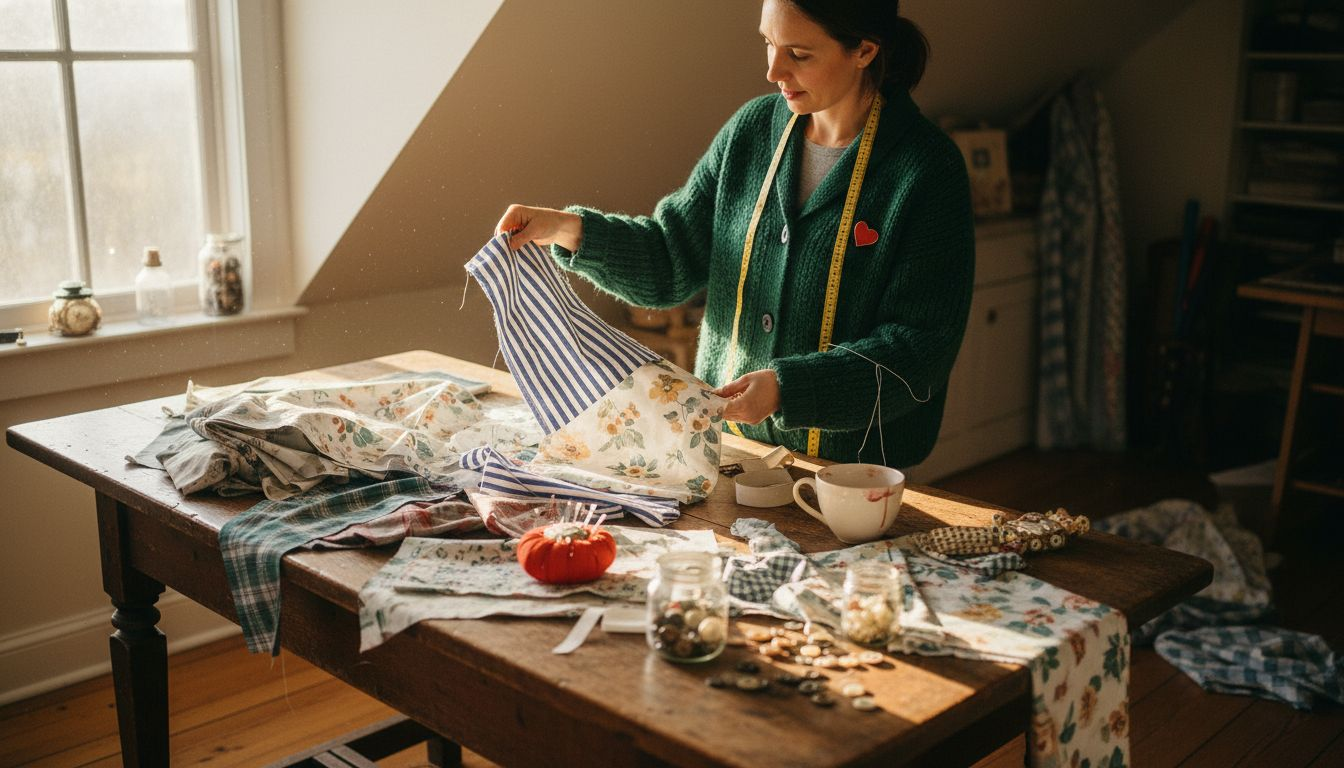
Over 60 percent of American sewing projects feature patterned fabrics, proving how central print selection is to craft success. Every crafter knows that choosing the right design can transform not only a garment but the entire mood of a home. Understanding classic stripes, floral arrangements, plaid, geometric designs, polka dots, and animal prints gives creative makers the confidence to achieve both timeless looks and bold statements in their work.
| Key Insight | Explanation |
|---|---|
| 1. Understand Stripe Patterns for Design | Select stripe patterns based on orientation to achieve desired visual effects, such as height or width. |
| 2. Scale and Color with Floral Designs | Use small florals for detailed work and large prints for statement pieces, ensuring color harmony throughout. |
| 3. Match Patterns in Plaid Projects | Always align stripe intersections in plaid fabrics to maintain continuity and achieve professional results. |
| 4. Use Geometric Patterns Creatively | Experiment with geometric shapes to create dynamic visual compositions that enhance any project. |
| 5. Harmonize Mixtures of Fabric Patterns | Combine different scales of patterns while keeping a cohesive color palette to avoid overwhelming designs. |
Stripes represent one of the most timeless and adaptable fabric patterns in fashion and design. From sophisticated menswear to vibrant home decor, these linear designs have transformed from historical markers to universal style statements.
Classic stripes are characterized by their linear arrangement of color bands running vertically, horizontally, or diagonally across fabric. Historical stripe patterns showcase incredible diversity through styles like awning stripes, balanced stripes, and bayadere stripes. Each type offers unique visual dynamics that can dramatically alter a garment or interior space’s aesthetic appeal.
Vertical stripes create an illusion of height and elongation perfect for clothing design. Horizontal stripes add width and can visually distribute proportions. Diagonal stripes introduce dynamic movement and energy to textile compositions. Skilled designers manipulate stripe width, color contrast, and spacing to achieve specific visual effects.
Crafters and sewers can leverage stripe patterns to create visually interesting projects ranging from tailored shirts to statement home textiles. By understanding how stripe orientation and proportion impact visual perception, you can strategically select patterns that complement your design goals.
Pro tip: When working with striped fabrics, always match stripe patterns at seam lines to maintain a professional and polished appearance.
Floral patterns represent a timeless design element that transforms fabrics from simple textiles into artful expressions of creativity and style. These intricate motifs draw inspiration directly from nature, offering crafters and sewers an expansive palette of artistic possibilities.
Floral designs range from delicate vintage roses to bold contemporary botanical prints, providing remarkable versatility for various projects. Textile design research reveals that floral patterns serve as powerful artistic modules that can dramatically enhance aesthetic appeal across different applications.
When incorporating floral patterns into your projects, consider scale and color harmony. Small scale florals work beautifully for quilting and detailed garment work, while larger prints make stunning statement pieces for home decor and upholstery. The key is understanding how different flower sizes and color palettes interact with your overall design concept.
Homemakers and fashion enthusiasts can leverage floral patterns to create visual interest through strategic placement. A floral throw pillow can elevate a neutral sofa, while a carefully chosen floral dress can transform an ordinary outfit into an extraordinary ensemble.
Pro tip: When mixing floral patterns, maintain a consistent color palette and vary the scale of prints to create visual harmony without overwhelming the design.
Plaid patterns represent a textile tradition that blends cultural heritage with contemporary design versatility. These distinctive intersecting stripes create a visual language that transcends simple fabric decoration.
Historical plaid patterns originated in Scottish clan traditions and have since evolved into a global design phenomenon. Modern plaids range from classic tartan styles to contemporary interpretations like buffalo check and windowpane patterns, offering crafters and sewers incredible creative flexibility.
Understanding plaid construction is key to successful fabric selection. Each plaid pattern consists of horizontal and vertical stripes that intersect at precise angles, creating unique geometric arrangements. The width, color, and spacing of these lines determine the pattern’s overall character and visual impact.
Crafters can leverage plaid patterns across multiple projects from clothing to home decor. A lightweight cotton plaid works beautifully for summer shirts, while heavier wool plaids create stunning winter coats and blankets. The pattern’s inherent structure allows for creative matching and alignment in complex sewing projects.
Pro tip: When cutting plaid fabrics, always match stripe intersections at seam lines to maintain pattern continuity and professional looking results.
Geometric patterns transform fabric from simple textiles into dynamic visual experiences that blend mathematical precision with artistic expression. These designs create structured visual narratives through calculated shapes and strategic repetitions.
Textile geometric patterns represent a sophisticated approach to fabric design that transcends traditional decorative techniques. By employing mathematical principles like symmetry, reflection, and translation, designers craft intricate patterns that capture visual complexity and cultural significance.
Geometric designs offer remarkable versatility across different craft projects. Triangular patterns can add energy to quilting projects, hexagonal prints can create fascinating textile textures, and linear arrangements can elongate or transform the visual perception of garments. Each geometric configuration brings a unique mathematical rhythm to fabric design.
Crafters can experiment with geometric patterns by understanding their fundamental structural principles. Tessellation techniques allow designers to create seamless, interlocking patterns that flow continuously across fabric surfaces, making them ideal for everything from clothing to home decor accessories.
Pro tip: When working with geometric patterns, use a light box or tracing paper to precisely align and match pattern intersections during cutting and sewing.
Polka dots represent a whimsical fabric pattern that transforms ordinary textiles into playful and dynamic designs. These circular spots of color have transcended decades of fashion trends, offering crafters an eternally charming design element.
Timeless polka dot patterns emerge in various sizes and color combinations, creating endless possibilities for creative projects. From tiny pin dots to large statement circles, these patterns can dramatically alter the visual character of any fabric.
Sewers can strategically use polka dots to create visual interest in clothing and home decor. Small dots work beautifully for delicate blouses and lightweight summer dresses, while larger dots make stunning statements in throw pillows, curtains, and quilting projects. The key is understanding scale and color harmony.
When incorporating polka dots into your designs, consider the dot size in relation to your project. Smaller dots create subtle texture, medium dots add playful energy, and large dots become bold focal points. Mixing dot sizes can create sophisticated layered visual effects that capture attention.
Pro tip: When combining polka dot fabrics, maintain a consistent color palette and vary dot sizes to create visual harmony without overwhelming the design.
Animal prints represent a powerful design element that transforms fabrics from ordinary to extraordinary with their wild and sophisticated aesthetic. These distinctive patterns capture the essence of exotic textures while offering crafters a versatile design tool.
Animal print traditions reveal a rich history of symbolizing power and status through textile design. Modern interpretations range from subtle leopard spots to dramatic zebra stripes, providing endless creative possibilities for garments and home decor.
Crafters can strategically use animal prints to create visual drama and personal expression. A leopard print accent pillow can enliven a neutral sofa, while a zebra stripe scarf can transform a simple outfit. The key is balancing these bold patterns with complementary solid colors to prevent overwhelming the design.
Understanding scale and color variation is crucial when working with animal prints. Smaller scale prints work beautifully for accessories and detailed garment elements, while larger prints make stunning statements in upholstery and dramatic clothing pieces.
Pro tip: When mixing animal prints, stick to a consistent color palette and vary the scale to create visual interest without causing design chaos.
Mixing fabric patterns is an art form that transforms ordinary textiles into extraordinary visual compositions. When done skillfully, pattern blending can elevate your crafting and sewing projects from simple to spectacular.
Fabric pattern mixing techniques reveal a strategic approach to creating harmonious designs. The golden rule involves combining patterns of different scales while maintaining a cohesive color palette, ensuring visual interest without overwhelming the eye.
Start by selecting an anchor pattern that serves as the foundation for your design. This dominant pattern should feature the most prominent colors or largest scale. Then layer supporting patterns that complement rather than compete with your primary design. Consider incorporating solid colors to provide visual breathing room and prevent pattern chaos.
Successful pattern mixing follows a thoughtful mathematical approach. Aim to combine one large scale pattern, one medium scale pattern, and one small scale pattern. This creates depth and visual intrigue while preventing the design from feeling flat or monotonous.
Pro tip: Use a neutral background or solid color as a unifying element when mixing multiple patterns to maintain design cohesion and prevent visual overload.
Below is a comprehensive table summarizing key concepts, benefits, and strategies related to fabric pattern types, drawn from the article.
| Fabric Pattern Category | Characteristics | Key Applications | Considerations |
|---|---|---|---|
| Stripes | Linear arrangements of color bands. | Used in menswear, home decor, and versatile garments. | Align patterns for professional results. |
| Floral Patterns | Motifs inspired by nature, varying in delicacy and boldness. | Featured in quilting, garments, and interior design. | Maintain scale and color harmony. |
| Plaids | Intersecting horizontal and vertical lines. | Suitable for clothing and heavier fabrics like coats. | Match intersections for continuity. |
| Geometric Designs | Calculated shapes and repeated structures. | Applied in quilting, detailed garment designs, and effects with visual rhythm. | Align precise shapes for a seamless result. |
| Polka Dots | Circular patterns in variable sizes. | Adds playfulness to garments and decor accents. | Experiment with size and color variation. |
| Animal Prints | Patterns emulating natural animal textures. | Accessories, statement clothing, and bold interiors. | Mix scales and focus on neutral complements. |
| Mixed Patterns | Combining multiple types effectively. | Elevates textiles to sophisticated designs. | Anchor with a unified element and match scales carefully. |
Mastering fabric patterns like classic stripes, florals, plaid, or polka dots can be challenging when trying to achieve professional results and harmonious designs. Whether you struggle with matching stripe seams, balancing pattern scales, or mixing prints without overwhelming your project, choosing the right fabric is the first critical step toward success. Understanding how pattern orientation and scale affect your creation is essential for every crafter and sewer aiming for polished, eye-catching pieces.
Unlock your creative potential today by exploring a curated selection of high-quality fabrics tailored to your pattern preferences. From timeless stripes to bold animal prints, our wide range of textiles at fabric-fabric.com offers detailed descriptions and suggestions to help you pick the ideal material for apparel, quilting, or home décor projects. Take advantage of our seasonal sales and free shipping offers now and bring your fabric pattern inspiration to life with confidence. Start your next project at Fabric-Fabric Online Store and transform your ideas into stunning realities.
Classic stripes are defined by their linear arrangement of color bands, which can run vertically, horizontally, or diagonally. To utilize this pattern effectively, consider how the stripe orientation impacts the visual perception of your clothing or home decor projects.
When selecting floral patterns, scale is crucial. Small-scale florals work well for quilting and detailed garments, while larger prints create bold statement pieces, such as cushions or curtains. Aim to choose flowers that resonate with your overall design goals.
To successfully mix plaid patterns, always ensure that the stripe intersections match at seam lines. This practice not only maintains continuity but also elevates the professional appearance of your finished items. Strive to align different plaid patterns to create visual harmony in your designs.
Geometric designs add structured visual narratives to your fabric, making them versatile across various projects. Experiment with simple shapes like triangles and hexagons to see how they transform the energy of your designs and add interesting textures.
When using animal prints, focus on scale and color variation. Smaller prints are suitable for accessories, while larger prints serve as stunning focal points in garments or decor. Balance these bold patterns with complementary solid colors to maintain visual appeal.
To mix fabric patterns harmoniously, select one large-scale pattern as your anchor and incorporate medium and small-scale supporting prints. This approach adds depth to your design while maintaining a cohesive color palette. Utilize neutral backgrounds to unify the look and keep it visually appealing.