

 US Dollar

Role of Fabric Structure: Complete Guide for Creatives
Posted by BLG on 2025 Nov 14th
Posted by BLG on 2025 Nov 14th

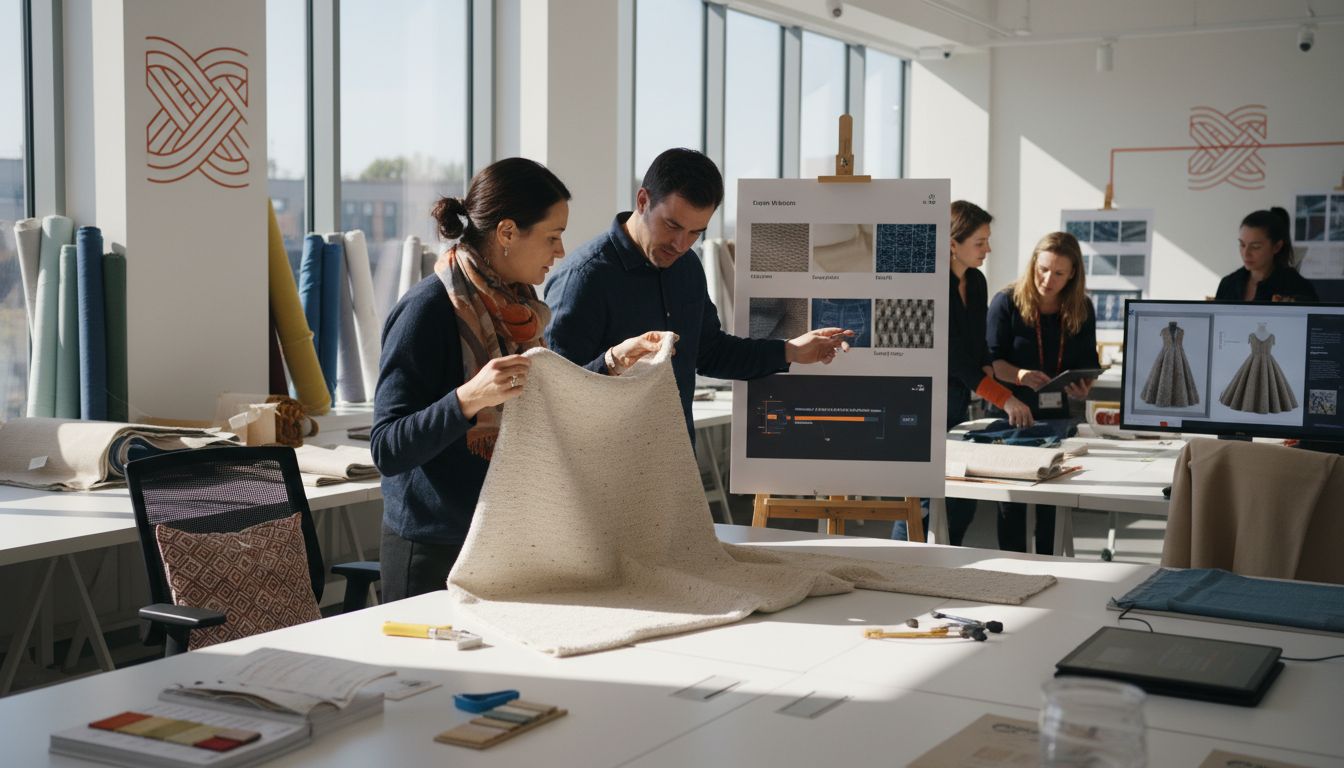
Most fabrics gain their true strength from unseen details. The way threads are woven or knitted directly shapes a fabric’s performance, determining everything from durability to breathability. Designers, crafters, and architects rely on this structural knowledge to choose materials that do more than simply look good. Whether you create fashion, home decor, or industrial designs, understanding fabric structure unlocks creative control and lasting results.
| Point | Details |
|---|---|
| Understanding Fabric Structure | Fabric structure dictates the mechanical properties of textiles, affecting performance, flexibility, and strength based on fiber arrangement. |
| Types and Properties of Fabric Structures | Various fabric structures like woven, knitted, and nonwoven serve different applications, characterized by tensile and tear strength among other properties. |
| Impact of Structure on Performance | The arrangement of fibers influences critical traits such as breathability, thermal resistance, and durability, which are essential for functional design. |
| Common Selection Mistakes | Misjudging fabric characteristics and environmental suitability can lead to project failures; a holistic understanding is crucial for effective fabric selection. |
Fabric structure represents the fundamental architectural framework that determines how individual threads, fibers, and yarns interlock and connect to create a textile material. According to fabricstructures.textiles.org, fabric structures are “lightweight constructions that utilize durable membranes or films to create shade, shelter, or facades” by leveraging the material’s inherent structural characteristics.
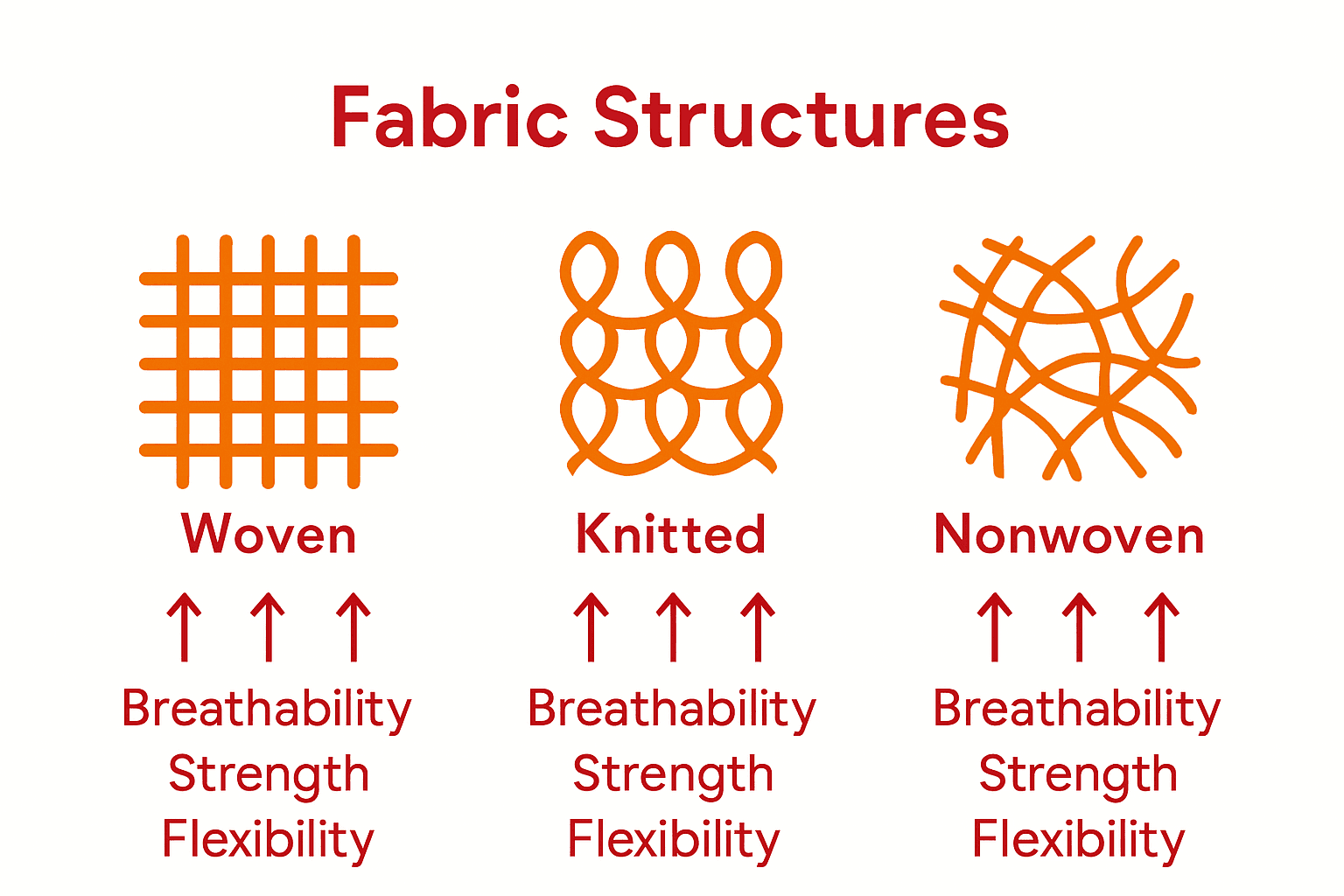
Understanding fabric structure goes beyond simple aesthetic considerations. Mechanical properties, strength, flexibility, and performance emerge directly from how fibers are arranged and interconnected. nap.nationalacademies.org highlights that different fabric structures—including woven, knitted, and nonwoven types—play critical roles in applications requiring specific mechanical properties, such as chemical and biological protection.
Key characteristics of fabric structure include:
For creatives and designers, fabric structure represents the foundational blueprint that determines a textile’s ultimate performance. Whether you’re crafting a delicate garment or designing industrial protective wear, understanding these structural nuances becomes paramount.
Learn more about fabric weave techniques with our detailed tutorial on fabric weaves.
Fabric structures represent a diverse and complex world of textile engineering, with multiple types designed for specific applications. According to fabricstructures.textiles.org, these structures encompass an impressive range, including air-inflated, air-supported, cable net, frame-supported, geodesic dome, grid shell, tensegrity, and tensile structures, each offering unique characteristics and performance capabilities.
theconstructor.org highlights that these fabric structures are distinguished by critical mechanical properties such as:
Common materials used in creating these fabric structures include cotton canvas, polyesters, and fiberglass, each bringing distinct mechanical and aesthetic properties to the final textile design. For creatives and designers, understanding these nuanced structural variations becomes crucial in selecting the right fabric for specific project requirements.
When considering fabric structures, professionals must evaluate multiple factors beyond basic appearance.
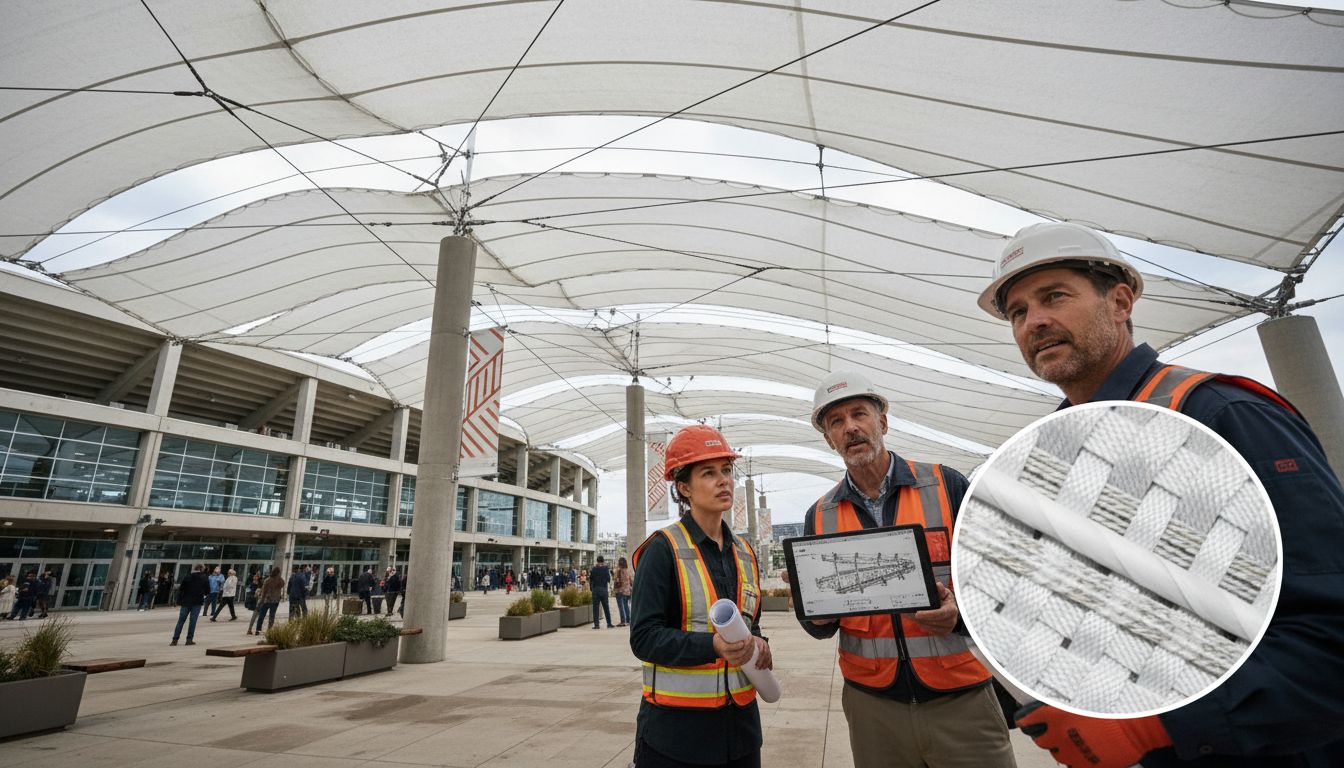 The structural integrity, performance characteristics, and potential applications play significant roles in determining the most appropriate fabric type for a given project.
Learn more about fabric selection strategies with our comprehensive fabric selection guide.
Fabric performance is far more than a simple matter of appearance. PubMed reveals that physical properties such as bursting strength, wicking behavior, pilling effect, and abrasion resistance are directly influenced by the intricate relationship between fiber types and fabric structures. This means the way threads are woven or knitted can dramatically alter a fabric’s fundamental characteristics.
According to DOAJ, different weave structures like plain, twill, and satin significantly impact crucial comfort properties. These variations affect critical performance metrics including:
For designers and creatives, understanding these structural nuances becomes paramount. The seemingly subtle differences in how fibers interlock can transform a fabric from merely decorative to functionally superior. A tightly woven structure might offer exceptional durability, while a more open weave could provide breathability and lightness.
Professionals must consider multiple factors when selecting fabrics. The intended use, environmental conditions, and desired performance characteristics all play crucial roles in determining the most appropriate fabric structure.
Learn more about fabric selection strategies with our comprehensive fabric selection checklist.
Fabric structures transcend traditional boundaries, finding innovative applications across diverse creative domains. Design Horizons reveals remarkable developments in materials like PTFE coated fiberglass and ETFE foil, which demonstrate extraordinary durability and adaptability in architectural and design contexts.
In architectural applications, Illumin highlights the versatility of tension fabric structures, particularly materials like:
The creative potential of fabric structures extends far beyond traditional expectations. From haute couture fashion design to intricate craft projects, these materials offer unprecedented flexibility. Apparel designers leverage complex weave structures for performance sportswear, while home decor professionals use specialized fabrics to create stunning, functional spaces.
Crafters and DIY enthusiasts increasingly recognize fabric structure as a critical design element. The right fabric can transform a simple project into an extraordinary piece, whether it’s a quilted wall hanging, a custom upholstered chair, or an innovative wearable art piece.
Explore inspiring home decor fabric ideas for every style.
Fabric selection is a nuanced process fraught with potential pitfalls. Fabric Structures warns that selecting inappropriate fabric structures without careful consideration can lead to significant challenges, including structural failures and unexpectedly high maintenance costs.
According to ETD, one of the most critical errors creators make involves misjudging fabric coating suitability. Key mistakes include:
Creatives often underestimate the complexity of fabric structure selection. What might appear visually appealing can quickly become a functional nightmare. A delicate silk might look stunning but collapse under minimal stress, while a robust industrial textile could feel unnecessarily stiff for a delicate design project.
The most successful designers approach fabric selection as a holistic process. They consider not just aesthetic appeal, but performance characteristics, durability, maintenance requirements, and the specific demands of the intended application.
Master the fabric selection process for perfect projects.
Fabric Structures emphasizes that understanding different fabric structures is fundamental to making informed material selections. Successful fabric choice requires a comprehensive approach that goes far beyond simple visual appeal, diving deep into the molecular and structural characteristics of textiles.
Teachers Institute reveals that considering molecular structures and chemical forces is crucial for selecting fabrics with desired properties. Designers and creators should evaluate key factors:
Practical fabric selection demands a holistic perspective. Each project requires careful consideration of environmental conditions, intended use, maintenance requirements, and aesthetic goals. A fabric that performs brilliantly in one context might completely fail in another.
The most successful creators approach fabric selection as a nuanced art form. They combine technical understanding with creative intuition, recognizing that the right fabric can elevate a project from ordinary to extraordinary.
Learn how to choose upholstery fabric with our practical guide.
Understanding the role of fabric structure is crucial to overcoming common challenges such as selecting the right weave for durability, flexibility, and performance. Whether you need a fabric that provides strength for apparel or breathability for home decor, making the right choice can feel overwhelming. Important details like fiber orientation, weave density, and coating materials shape the final product’s success. At fabric-fabric.com, we help you navigate these key concepts with a wide selection of fabrics designed to meet your exact needs.
Explore fabrics optimized for your projects today and benefit from clear product descriptions, detailed usage suggestions, and expert guidance. Don’t let fabric structure uncertainties hold your creativity back. Visit our site now to find the ideal materials that combine style with performance. Take control of your designs by shopping at fabric-fabric.com and unlocking the potential of every thread. Learn more by checking out how to choose upholstery fabric or follow our fabric selection process to make confident decisions.
Fabric structure refers to the architectural framework that defines how threads, fibers, and yarns interlock to create textile materials. It is crucial because it directly affects a fabric’s mechanical properties, strength, flexibility, and overall performance, influencing its suitability for various applications.
The structure of a fabric significantly influences its physical properties, such as bursting strength, air permeability, and water absorption. Variations in weave or knit patterns can enhance durability or breathability, making certain fabrics better suited for specific uses.
Fabric structures include woven, knitted, and nonwoven types, with specific applications like tensile structures, geodesic domes, and air-supported designs. Each type has unique characteristics and mechanical properties tailored to various uses, from fashion to architectural applications.
Common mistakes include overlooking environmental resistance, mismatching fabric coatings with application requirements, and failing to assess a fabric’s long-term performance. It’s essential to consider both aesthetic appeal and functional characteristics to avoid costly errors.