

 US Dollar
7 Key Pros and Cons of Linen for Fabrics and Projects
Posted by BLG on 2025 Dec 14th
Posted by BLG on 2025 Dec 14th

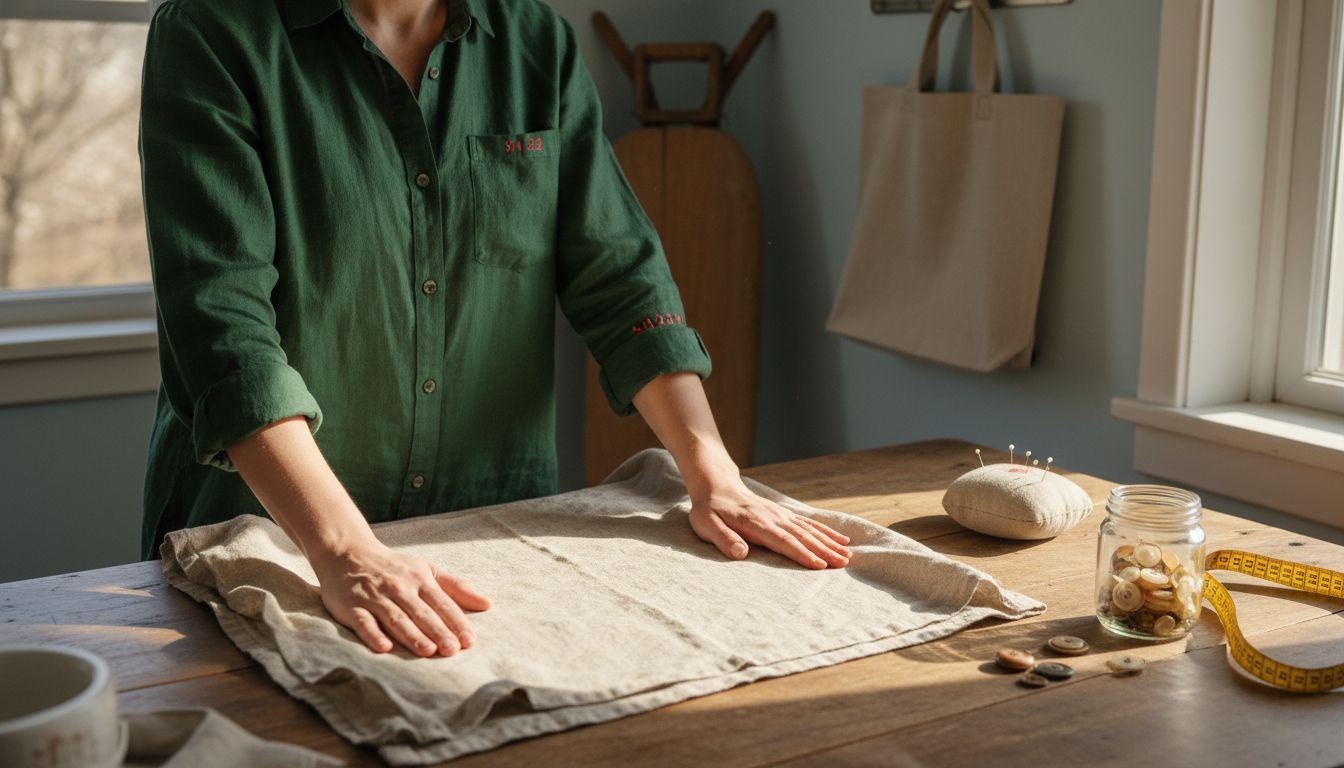
Most American shoppers are surprised to learn that linen can be up to three times stronger than cotton, making it an impressive choice for countless projects. Whether you live in a region with sweltering summers or just appreciate eco-friendly options, the right fabric changes everything. This guide breaks down why linen appeals to so many, from its cooling effect and natural breathability to sustainability and long-lasting durability.
| Key Insight | Explanation |
|---|---|
| 1. Linen Keeps You Cool | Linen’s natural breathability allows for air circulation and moisture absorption, making it ideal for warm weather comfort. |
| 2. Eco-Friendly Production | Linen cultivation uses minimal water and no pesticides, ensuring lower environmental impact compared to other fabrics like cotton. |
| 3. Exceptional Durability | Linen fibers are stronger, resist wear, and become softer with washes, providing long-lasting value for various uses. |
| 4. Managing Wrinkles | Linen wrinkles easily; strategic care can enhance its natural texture while maintaining a stylish appearance. |
| 5. Higher Investment Value | Although pricier, linen’s durability and quality make it a cost-effective choice over time, proving worthwhile for discerning consumers. |
Linen stands out as a champion fabric for staying cool in hot weather, thanks to its remarkable natural breathability. The unique structure of linen fibers creates an exceptional cooling effect that sets it apart from other textiles.
Understanding why linen feels so comfortable starts with its fiber composition. According to research, linen’s fibers are thicker than cotton’s, resulting in a lower thread count and more openings between threads. This inherent design allows air to pass through more easily, creating a natural ventilation system right against your skin.
How Linen Keeps You Cool:
In practical terms, this means linen clothing feels significantly more comfortable during summer months or in humid environments. Whether you’re wearing a linen shirt, dress, or using linen bedding, you’ll experience a noticeable difference in temperature regulation. The fabric works almost like a personal cooling system, wicking away moisture and allowing your skin to breathe.
Professional designers and textile experts recommend linen for anyone seeking comfort in warm weather. Its natural properties make it an ideal choice for summer wardrobes, outdoor clothing, and home textiles where temperature control matters most.
Linen represents a gold standard in sustainable textile production, offering environmental advantages that make it a standout choice for conscious consumers and designers. The journey of linen from plant to fabric showcases an incredibly eco-friendly manufacturing process that minimizes environmental impact.
The flax plant used to create linen is remarkable in its sustainability profile. Sustainable textile experts highlight that flax requires minimal agricultural intervention compared to other fiber crops. Unlike cotton, which demands extensive pesticides and water resources, flax grows naturally with remarkably low environmental maintenance.
Key Eco Friendly Characteristics:
The environmental benefits extend beyond cultivation. Linen production utilizes the entire flax plant, ensuring nothing goes to waste. This comprehensive approach means that even plant parts not used for fiber can be repurposed for other industrial or agricultural applications.
For environmentally conscious crafters, designers, and consumers, choosing linen represents more than a fabric selection. It is a direct contribution to reducing textile industry environmental footprint. By selecting linen for clothing, home textiles, or creative projects, you are making a meaningful choice that supports sustainable manufacturing practices.
Linen stands as a textile champion when it comes to durability, offering exceptional strength that outperforms many other fabric choices. This remarkable material has been prized for centuries, not just for its aesthetic qualities, but for its ability to withstand extensive wear and frequent use.
Textile experts confirm that linen fibers possess an inherent resilience that makes them incredibly long lasting. Unlike other fabrics that quickly show signs of wear, linen actually becomes softer and more comfortable with each wash while maintaining its structural integrity.
Durability Characteristics of Linen:
Practical applications for linens durability span multiple domains. Home textiles like tablecloths, napkins, and bedding benefit immensely from its robust nature. Clothing items such as shirts, jackets, and trousers crafted from linen can withstand years of regular use without significant degradation.
For consumers seeking long term value, investing in linen means choosing a fabric that genuinely outlasts many synthetic or less robust alternatives. Its natural strength combined with proper care ensures that your linen pieces will remain functional and attractive for years to come.
Linen’s natural beauty comes with a trade off that many textile enthusiasts find challenging: its inherent tendency to wrinkle easily. While this fabric offers numerous advantages, its propensity for creasing can be a significant drawback for those seeking a consistently crisp appearance.
Textile research confirms that linen’s unique fiber structure makes it particularly susceptible to wrinkling. The molecular composition of linen fibers means they do not hold their shape as rigidly as synthetic materials, causing them to crease and fold readily with movement and wear.
Understanding Linen’s Wrinkle Characteristics:
For those who prioritize a polished look, managing linen’s wrinkle tendency requires strategic approaches. Careful ironing, using light starch, selecting pre treated linen garments, and embracing a slightly relaxed aesthetic can help mitigate appearance concerns.
Interestingly, some fashion designers and style experts now celebrate linens naturally rumpled texture as a sign of authentic craftsmanship. What was once considered a drawback has transformed into a desirable characteristic that speaks to the fabrics organic origins and natural beauty.
Linen demands a thoughtful approach to cleaning and maintenance that goes beyond standard textile care. Understanding the specific needs of this delicate yet durable fabric ensures its longevity and preserves its unique characteristics.
Textile experts recommend gentle handling to maintain linens natural properties. The fabric requires a nuanced care routine that protects its fibers and prevents unnecessary wear or damage.
Essential Linen Care Guidelines:
When washing linen, choose gentle cycle settings and select water temperatures below 104 degrees Fahrenheit. Harsh washing methods can break down the fabrics natural fibers, reducing its structural integrity and softness. Hand washing remains the most recommended method for preserving delicate linen items.
Drying presents another critical maintenance stage. Machine drying can potentially shrink or damage linen, so air drying flat or hanging remains the optimal approach. Professional textile conservationists suggest rotating linen items during drying to ensure even moisture distribution and prevent potential fabric distortion.
Linen emerges as a true chameleon in the textile world, offering unparalleled versatility that spans numerous creative and functional applications. Its unique characteristics make it an exceptional choice for designers, crafters, and homemakers seeking a fabric that adapts beautifully across different projects.
Fabric selection experts highlight linen’s remarkable ability to transition seamlessly between various domains, from high fashion to home decor and practical crafting needs.
Versatile Project Applications:
The adaptability of linen extends far beyond traditional uses. Professional designers appreciate its capacity to transform from lightweight summer apparel to structured winter garments with equal grace. Home decorators leverage its natural texture to create everything from elegant curtains to rustic table runners.
For crafters and makers, linens versatility represents an opportunity for creative expression. Its durability combined with aesthetic appeal allows for innovative projects that range from intricate quilting to robust home renovation textiles. Whether you are creating a delicate summer dress or designing robust outdoor cushion covers, linen offers a compelling solution that combines form and function.
Linen stands as a premium textile that commands a higher price point, reflecting its exceptional quality and intricate production process. Understanding the economic factors behind linen pricing helps consumers make informed decisions about their fabric investments.
Fabric cost estimation experts recognize that linens pricing stems from complex agricultural and manufacturing considerations. The labor intensive cultivation of flax plants and the specialized processing required contribute significantly to its market value.
Key Cost Determining Factors:
While linen initially appears more expensive than synthetic or mass produced fabrics, its longevity and performance offer compelling long term value. Consumers who invest in linen benefit from a textile that outlasts cheaper alternatives, potentially reducing overall replacement costs.
Thoughtful buyers recognize that linens higher price represents an investment in quality. Its superior durability, eco friendly production, and timeless aesthetic make it a strategic choice for discerning crafters, designers, and homemakers seeking materials that combine performance with responsible manufacturing.
Below is a comprehensive table summarizing the key aspects of linen discussed throughout the article.
| Aspect | Description | Benefits and Considerations |
|---|---|---|
| Natural Breathability and Cooling | Linen offers exceptional air permeability due to its fiber structure, promoting a natural cooling effect. | Provides comfort in hot climates with moisture absorption, making it an ideal choice for summer clothing and bedding. |
| Eco-Friendly Production | Flax, the plant used for linen, requires minimal resources, no pesticides, and produces zero waste. | Linen is sustainable, biodegradable, and recyclable, appealing to environmentally conscious consumers. |
| Durability and Strength | Linen is stronger than cotton and becomes softer over time without losing integrity. | Long-term use without degradation makes it ideal for clothing and home textiles. |
| Wrinkle Prone Appearance | Linen fibers naturally wrinkle easily, creating a rumpled texture. | While challenging for crisp looks, the natural texture is celebrated by some as a design element. |
| Care and Maintenance | Requires gentle washing, low heat drying, and careful storage. | Proper care preserves its quality and extends longevity. |
| Versatility for Projects | Suitable for various applications including clothing and home decor. | Linen’s adaptability makes it a favorite among designers and crafters. |
| Cost Factors | Linen production involves labor-intensive processes and high-quality materials. | Higher initial cost is offset by durability and eco-friendly benefits. |
Choosing linen means balancing its natural breathability and eco-friendly benefits with its wrinkle challenges and care requirements. Whether you want durable fabrics that soften with time or are exploring versatile textile options for apparel, home decor, or craft projects, understanding these key fabrics traits empowers you to make the best choice. Experience firsthand how quality materials can elevate your creative projects while supporting sustainable practices.
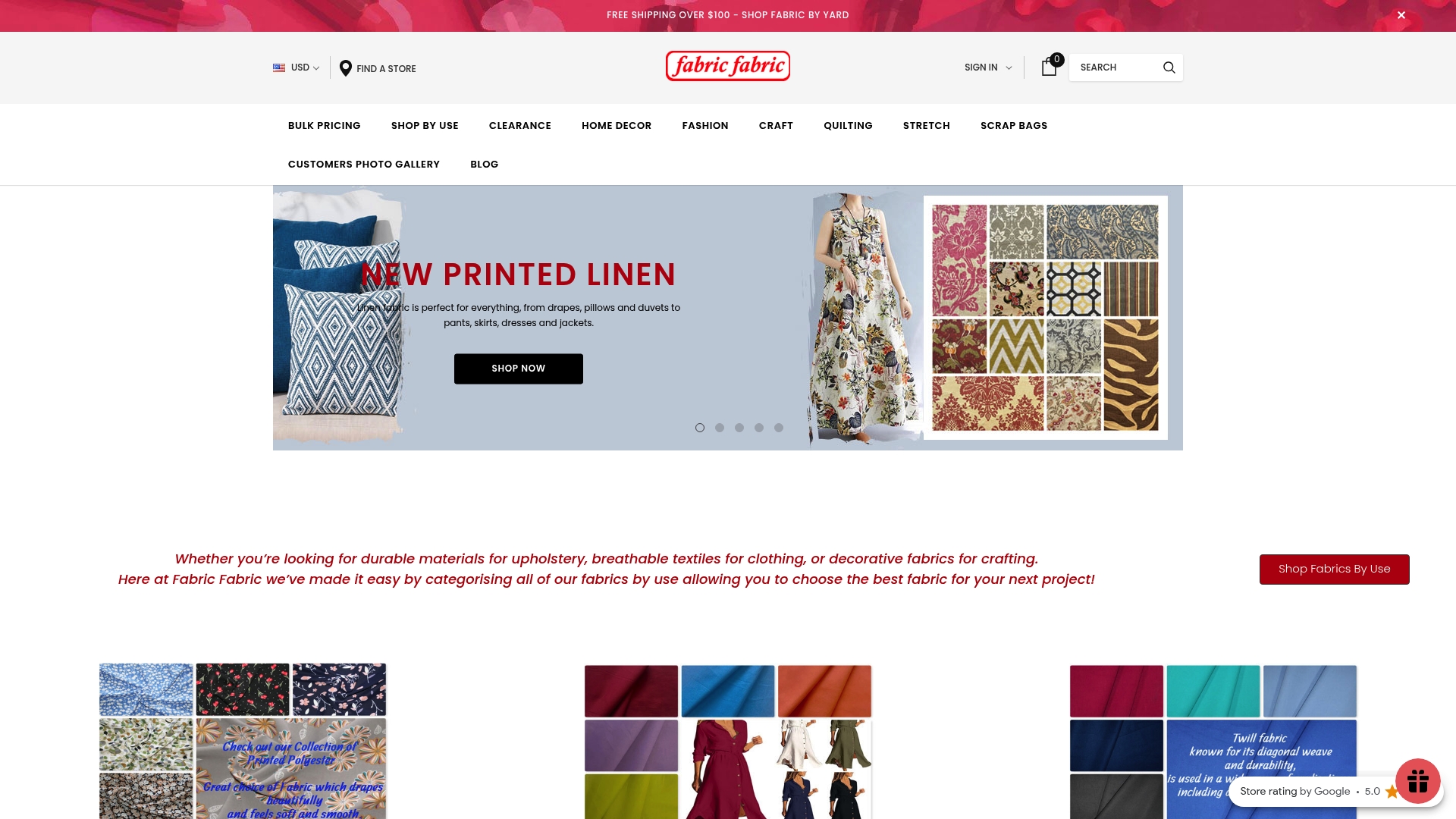
Explore a curated selection of premium fabrics including linen and other natural fibers to find the perfect match for your next venture. Visit Fabric-Fabric now to browse detailed product listings with clear usage advice and enjoy seasonal discounts. Start crafting with confidence and give your projects the lasting quality and comfort they deserve by shopping today.
Learn more about smart fabric selections and care tips by exploring our expert resources at Fabric-Fabric and make your fabric buying effortless and informed.
Linen offers natural breathability, making it ideal for warm weather. It efficiently absorbs moisture and allows for air circulation, providing comfort in humid conditions. Consider incorporating linen into summer wardrobes or home textiles for improved temperature regulation.
Linen is generally stronger than cotton and becomes softer and more comfortable with each wash. Invest in linen products for long-term use, as they can withstand daily wear and maintain their integrity for years with proper care.
Care for linen by washing in cool or lukewarm water and using mild detergents. To preserve its natural properties, avoid high heat drying; instead, air dry whenever possible. Implement these practices to maintain the quality of your linen products over time.
Linen tends to have a higher price point due to its labor-intensive cultivation and unique production process. Evaluate linen as an investment; its durability and quality may save you money in the long run, reducing the need for frequent replacements.
Linen naturally wrinkles easily due to its fiber structure, which can pose a challenge for those seeking a polished look. Embrace this characteristic as part of linen’s authenticity or apply careful ironing techniques to manage its appearance effectively.
Linen is incredibly versatile and can be used in various projects, including clothing, home furnishings, and decorative accessories. Explore its suitability for both casual and professional wear, as well as crafting and upholstery, to maximize its potential in your designs.