

 US Dollar

Understanding Why Use Linen Fabric for Your Designs
Posted by BLG on 2025 Sep 6th
Posted by BLG on 2025 Sep 6th


Linen fabric has quietly shaped everything from luxury fashion to hospital bedding for thousands of years and it is made from flax fibers using processes that date back to ancient Egypt. Many people assume cotton is king but linen fibers are significantly stronger than cotton and can last decades with proper care. What really turns heads though is linen’s mix of durability, natural elegance, and genuine sustainability that has designers, manufacturers, and eco-conscious creators rethinking what a truly superior textile looks like.
| Takeaway | Explanation |
|---|---|
| Linen is a sustainable textile option | Linen production requires less water and pesticides, making it an eco-friendly choice. Its biodegradability further reduces environmental impact. |
| Exceptional durability of linen fabric | Linen’s strong fibers resist wear and tear, ensuring products maintain their quality over time, making it ideal for long-lasting applications. |
| Versatile applications across industries | From fashion to medical and technical fields, linen’s adaptability meets diverse functional needs and aesthetic preferences. |
| Natural moisture and temperature management | Linen absorbs and releases moisture quickly, providing comfort for users in warm climates and various activities. |
| Aesthetic appeal and unique texture | The natural variations in weave and color contribute to linen’s sophisticated look, enhancing its desirability in design and fashion. |
Linen fabric represents one of the most historic and versatile textiles in human civilization, crafted from the fibers of the flax plant. This extraordinary material has distinguished itself through remarkable properties that make it a premier choice for designers, manufacturers, and textile enthusiasts across multiple industries.
Flax plants produce strong, lightweight fibers that transform into linen through a meticulous process of harvesting, retting, breaking, and spinning. According to Textile School, these natural fibers are composed primarily of cellulose, giving linen its distinctive strength and durability. Unlike synthetic materials, linen maintains an organic quality that breathes and adapts to different environmental conditions.
Linen fabric stands out for its extraordinary characteristics that set it apart from other textile materials. Its key properties include:
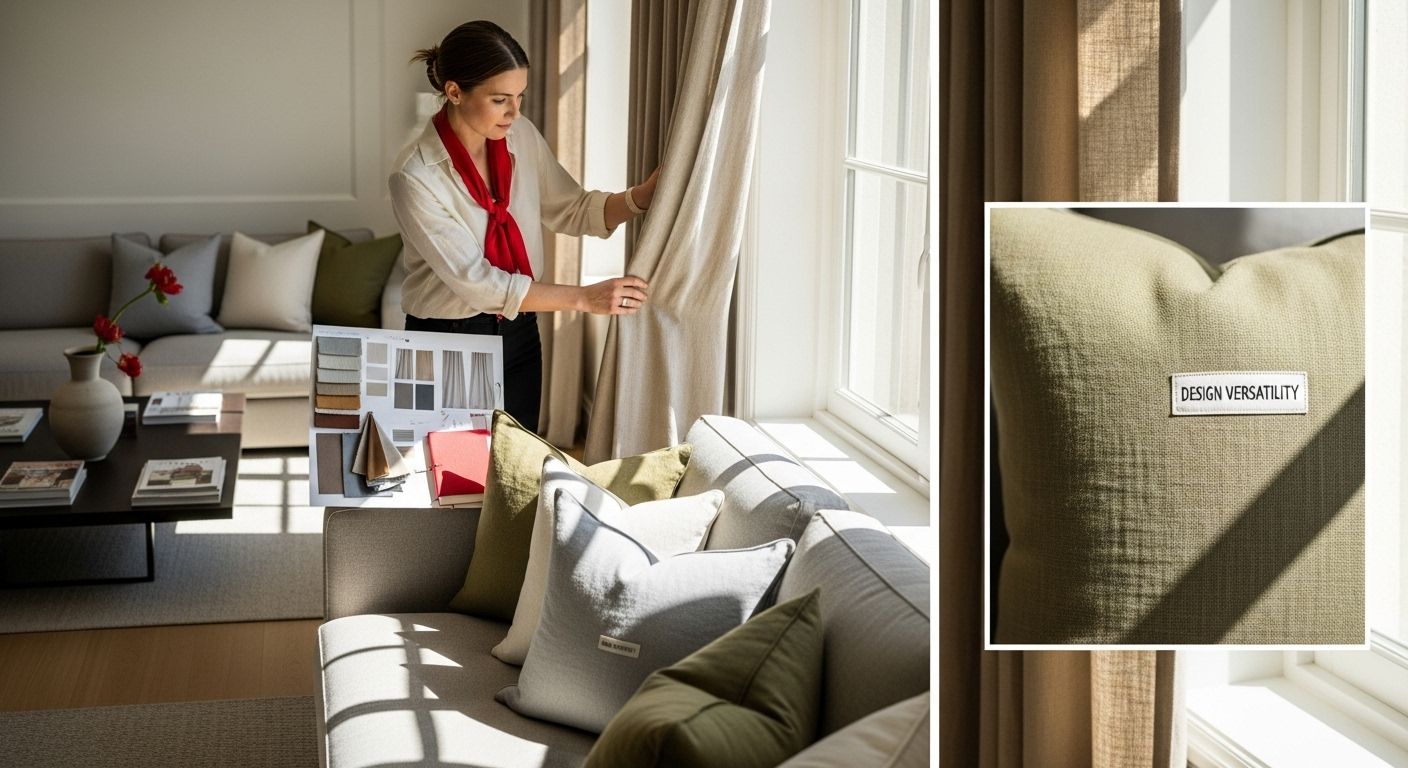
Beyond these functional attributes, linen presents a unique aesthetic quality. Its natural texture reveals subtle variations in weave and color, creating a sophisticated appearance that synthetic fabrics cannot replicate. Designers appreciate linen for its ability to convey both rustic charm and elegant refinement in clothing, home textiles, and decorative applications.
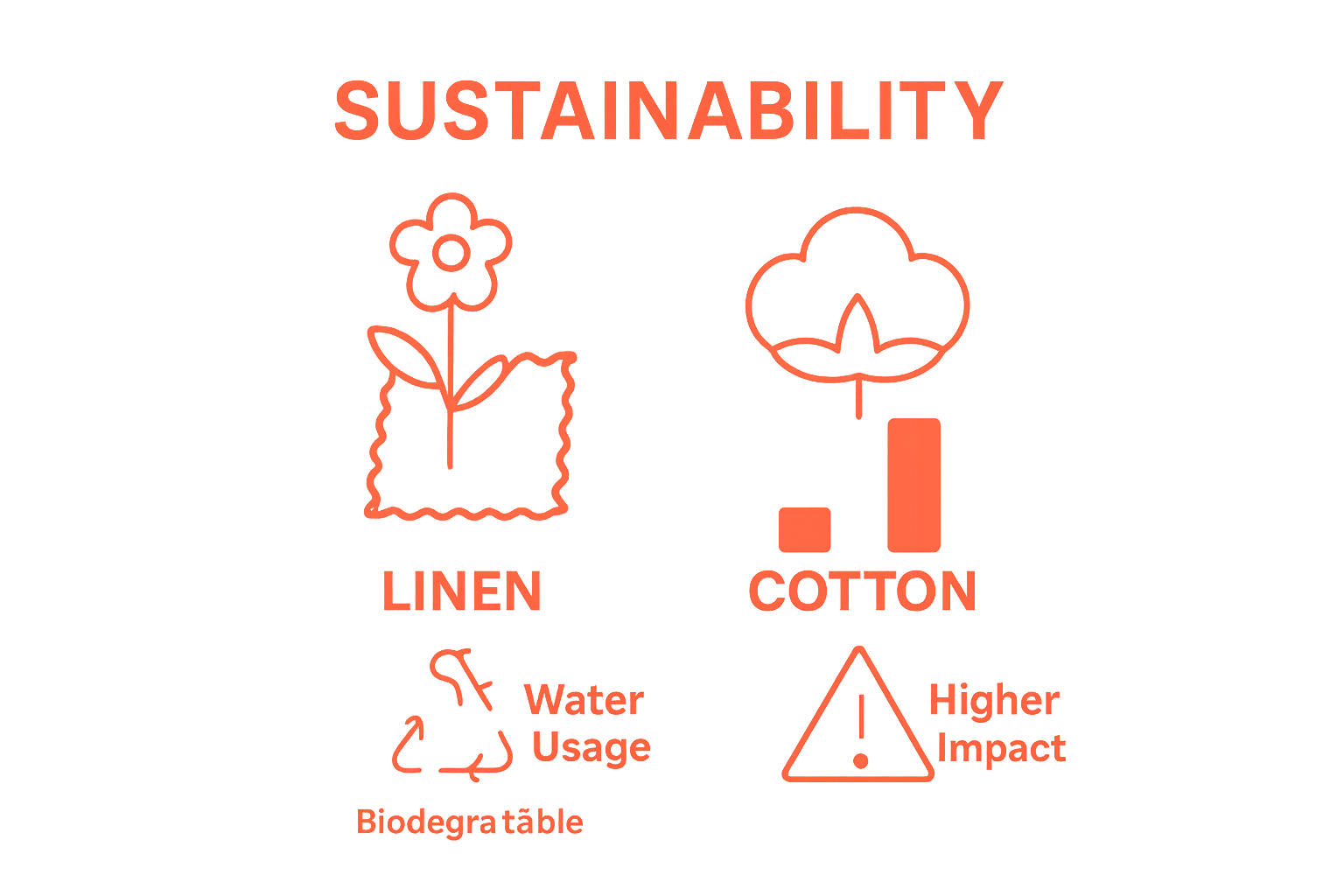
The fabric’s environmental credentials further enhance its appeal. As a renewable resource that requires minimal water and pesticide intervention during cultivation, linen represents a sustainable textile option for environmentally conscious creators and consumers. Its biodegradable nature ensures minimal ecological impact compared to petroleum-based synthetic alternatives.
Linen fabric transcends mere textile production, representing a sophisticated intersection of aesthetic appeal, functional performance, and sustainable design philosophy. Its significance in fashion and design extends far beyond traditional fabric applications, positioning itself as a transformative material for contemporary creative professionals.
Designers recognize linen as an extraordinarily adaptable fabric that communicates both minimalist elegance and organic complexity. According to Fashion Institute of Technology, linen offers unique textural qualities that enable creators to craft garments and products with inherent visual and tactile interest. Its natural variations in weave and color allow designers to create pieces that feel simultaneously sophisticated and authentically raw.
Linen’s remarkable performance characteristics make it an exceptional choice for design applications across multiple domains. Its inherent properties provide significant advantages:
Beyond traditional fashion contexts, linen has emerged as a critical material in architectural textiles, interior design, and sustainable product development. Its ability to blend aesthetic refinement with practical functionality positions it as a preferred material for designers seeking innovative and environmentally conscious solutions.
The fabric’s growing importance reflects a broader shift towards materials that balance visual appeal with ecological responsibility. Designers increasingly view linen not just as a textile, but as a statement of design philosophy that prioritizes sustainability, quality, and timeless aesthetic sensibility.
Linen fabric demonstrates remarkable adaptability across diverse environments, showcasing its exceptional performance characteristics that make it a superior textile choice for multiple applications. Its inherent properties enable seamless transitions between different functional requirements, making it a versatile material for designers and manufacturers.
This table summarizes the primary functional characteristics of linen fabric in various environments and applications, offering a quick reference for its performance in different settings.
| Environment/Application | Key Advantages of Linen |
|---|---|
| Tropical Climates | Exceptional breathability and fast drying |
| Professional Settings | Maintains crisp, wrinkle-resistant appearance |
| Outdoor/Athletic Use | Superior durability and moisture-wicking |
| Home Textiles | Hypoallergenic and resists bacterial growth |
| Industrial/Technical Uses | Lightweight strength, sustainable, technical adaptability |
In clothing applications, linen exhibits extraordinary thermal regulation and moisture management capabilities. According to Textile Research Journal, the fabric’s unique molecular structure allows rapid moisture absorption and quick evaporation, creating a natural cooling effect that maintains wearer comfort across varying temperature ranges. This characteristic makes linen particularly effective for summer clothing, activewear, and professional attire.
Linen’s performance varies dramatically across different settings, demonstrating its remarkable versatility:
Beyond clothing, linen proves equally impressive in home textiles and industrial applications. Its natural resistance to bacterial growth and hypoallergenic properties make it an excellent choice for bedding, upholstery, and medical textiles. Interior designers appreciate linen’s ability to provide both aesthetic elegance and functional performance in various living and working environments.
The fabric’s multifunctional nature extends to technical textile applications, where its strength, lightweight composition, and environmental sustainability position it as an innovative material for emerging design challenges. From architectural textiles to sustainable product development, linen continues to demonstrate remarkable adaptability across complex performance requirements.
Linen fabric represents a pinnacle of sustainable textile production, offering an environmentally responsible alternative to resource-intensive materials. Its ecological credentials extend far beyond aesthetic and functional qualities, positioning linen as a critical material in the global movement towards sustainable design and manufacturing.
Flax plant cultivation demonstrates remarkable environmental advantages compared to other textile fiber sources. According to Sustainable Textile Research Center, linen production requires significantly less water, pesticides, and energy compared to cotton and synthetic fabric manufacturing. The flax plant grows naturally in diverse climates, requiring minimal agricultural intervention and contributing to biodiversity preservation.
Linen’s environmental benefits manifest throughout its entire product lifecycle:
Beyond its production virtues, linen offers extraordinary durability that extends product lifecycles. Its resistance to wear and tear means fewer replacements, ultimately reducing overall textile waste. The fabric’s inherent strength allows garments and textiles to maintain structural integrity through multiple uses and washing cycles, directly challenging the disposable fashion paradigm.
The growing recognition of linen’s sustainability is driving increased adoption across industries. Designers, manufacturers, and consumers are increasingly viewing linen not just as a textile, but as a tangible commitment to environmental stewardship. Its ability to merge performance, aesthetic appeal, and ecological responsibility makes linen a transformative material in the ongoing global conversation about sustainable design and consumption.
Linen fabric transcends traditional textile boundaries, finding innovative applications across multiple industrial sectors. Its unique combination of durability, versatility, and ecological credentials positions it as a transformative material for contemporary design and manufacturing challenges.
In medical environments, linen demonstrates extraordinary potential beyond conventional textile uses. According to International Medical Textiles Association, the fabric’s natural antibacterial properties and hypoallergenic characteristics make it ideal for surgical gowns, patient bedding, and specialized medical uniforms. Its ability to resist bacterial growth and maintain structural integrity under repeated sterilization processes distinguishes linen as a superior medical textile.
Linen’s performance characteristics enable remarkable applications across technical and industrial domains:
Beyond traditional industrial applications, linen is emerging as a critical material in sustainable product design. Architects and engineers recognize its potential for creating environmentally responsible solutions that combine performance with ecological sensitivity. From acoustic panels to innovative building insulation, linen demonstrates remarkable adaptability across complex technical requirements.
The fabric’s versatility extends into emerging fields like smart textiles and sustainable technology. Researchers are exploring linen’s potential in developing advanced materials with integrated electronic functionalities, positioning it at the forefront of technological innovation while maintaining its natural, environmentally friendly characteristics.
Are you ready to turn the unique benefits of linen into a signature part of your next project? If durability, breathability, and natural style are top priorities, you already understand that choosing the right linen fabric makes all the difference for fashion, interiors, and even technical applications. You have learned how vital it is to source materials that not only enhance comfort and look beautiful, but also uphold the values of sustainability and long-lasting performance. That is why finding a trusted fabric supplier is your most important next step.
Experience the difference firsthand and explore a wide range of premium linen and other specialty fabrics at Fabric Fabric. Whether you are a professional designer or a DIY creator, you can access detailed product information, bulk pricing, and fast shipping to bring your ideas to life right away. Do not wait to source the linen that matches your vision—visit our fabric marketplace today and see how easy it is to get started. Your next standout collection begins with the right materials.
Linen fabric is known for its exceptional durability, superior moisture management, and natural temperature regulation. It is made from flax plant fibers, which provide strength and a unique aesthetic appeal.
Linen is ideal for warm climates due to its excellent breathability, moisture-wicking abilities, and natural cooling effect, making it comfortable to wear in hot weather.
Yes, linen is environmentally friendly. It requires less water and fewer pesticides during cultivation compared to other fabrics like cotton, and it is biodegradable, making it a sustainable choice for eco-conscious designers and consumers.
Linen is generally stronger and more durable than cotton, allowing it to withstand repeated use and washing while maintaining its structural integrity.
Below is a table comparing the key attributes of linen and cotton fabrics as discussed in the article, highlighting their differences in durability, environmental impact, and other relevant factors.
| Attribute | Linen | Cotton |
|---|---|---|
| Durability | Exceptionally strong, lasts decades | Strong, but wears faster |
| Moisture Management | Absorbs and releases moisture quickly | Absorbs, releases more slowly |
| Temperature Regulation | Provides coolness and insulation | Breathable, less insulating |
| Environmental Impact | Low water, low pesticides, biodegradable | Higher water and pesticide use, biodegradable |
| Texture and Aesthetic | Natural, unique weave and color | Smooth, uniform |
| Maintenance | Easy care, resists bacteria | Needs more frequent washing |
| This longevity makes linen a preferred choice for various applications, including apparel and home textiles. |