

 Canadian Dollars

Understanding Why Choose Linen for Your Projects
Posted by BLG on 2025 Oct 5th
Posted by BLG on 2025 Oct 5th

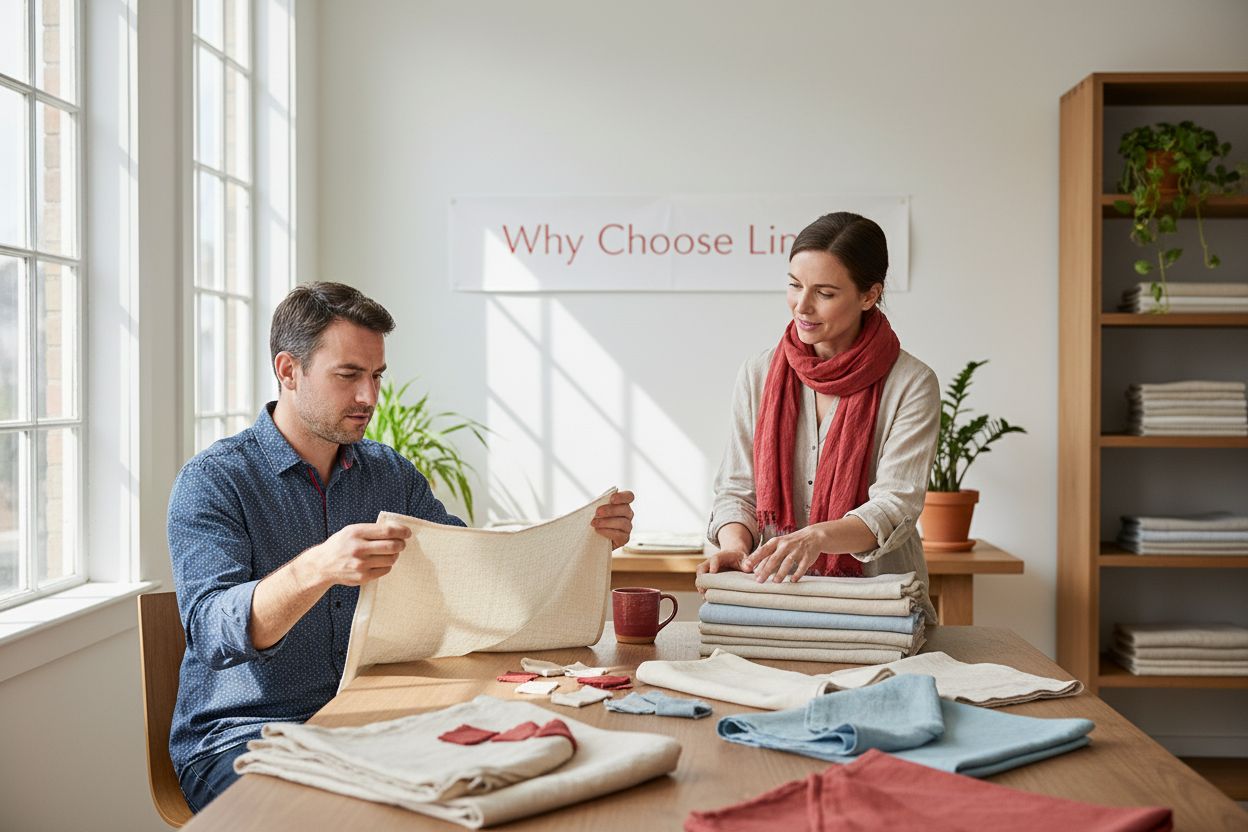
Linen is more than just a summer fabric. People have been weaving linen for over 36,000 years, making it one of the oldest textiles on the planet. Most assume cotton dominates eco-friendly fabrics, but linen uses 60 percent less water than cotton and actually gets softer and stronger the more you wash it.
| Takeaway | Explanation |
|---|---|
| Linen is an ancient, sustainable fabric | Linen has been produced for over 36,000 years, with the flax plant requiring minimal water and chemicals, making it eco-friendly. |
| Superior comfort through breathability | Linen allows for excellent air circulation and moisture absorption, keeping wearers comfortable in various climates. |
| Durable and improves with age | Linen textiles last decades, becoming softer over time, which reduces waste and promotes sustainability. |
| Versatile in fashion and home decor | Linen is suitable for clothing and various home decor items, appreciated for its elegance and functional attributes. |
| Biodegradable and environmentally friendly | Linen fibers decompose naturally, returning nutrients to the soil and supporting a circular economy. |
Linen represents one of the oldest and most remarkable textiles in human history, with roots stretching back thousands of years. This extraordinary fabric originates from the flax plant, a versatile crop that has been cultivated for millennia across multiple civilizations. Archaeological evidence from the National Museum of Natural History suggests that humans have been producing linen fabric for over 36,000 years.
The journey of linen begins with the flax plant (Linum usitatissimum), a slender flowering plant known for its delicate blue flowers and remarkable fiber potential. Cultivated primarily in regions with cooler climates like Belgium, France, and parts of Eastern Europe, flax requires specific growing conditions to produce high-quality fibers. The plant undergoes an intricate process of harvesting and extraction to transform its tough stalks into the soft, breathable textile we recognize as linen.
Key characteristics of the flax plant include:
Linen’s historical importance cannot be overstated. Researchers from the Metropolitan Museum of Art document that ancient Egyptians considered linen a symbol of purity and light, using it extensively in religious ceremonies and mummification processes. Pharaohs were wrapped in fine linen as a mark of social status and spiritual significance. In other cultures, linen represented wealth, craftsmanship, and technological advancement.
Beyond its cultural symbolism, linen emerged as a practical textile with extraordinary properties. Its natural ability to regulate temperature, absorb moisture, and resist bacterial growth made it invaluable for clothing, household textiles, and even early medical applications. The fabric’s durability and comfort ensured its continued popularity through centuries of human innovation and design.
Choosing linen as a fabric goes far beyond aesthetic appeal, offering remarkable advantages that make it a superior textile for numerous applications. Scientific research from the Textile Research Journal highlights the exceptional performance characteristics that set linen apart from other natural and synthetic materials.
Breathability stands as one of linen’s most celebrated attributes. Unlike synthetic fabrics that trap heat and moisture, linen allows air circulation, keeping the wearer cool and comfortable in various environments. Its unique molecular structure enables rapid moisture absorption and quick evaporation, making it ideal for clothing, bedding, and outdoor wear.
Key performance benefits of linen include:
Environmental consciousness increasingly drives textile selection, and linen emerges as a champion of sustainable fabric production. The flax plant requires minimal water and pesticides, making its cultivation significantly more eco-friendly compared to other textile crops. Linen’s inherent strength means garments and textiles crafted from this material can last decades, reducing waste and promoting a circular economy.
Unlike fast-fashion fabrics that deteriorate quickly, linen actually improves with age. Each wash makes the fabric softer and more comfortable, creating textiles that develop a beautiful patina and character over time. This longevity translates into reduced environmental impact and greater economic value for consumers seeking quality, long-lasting products.
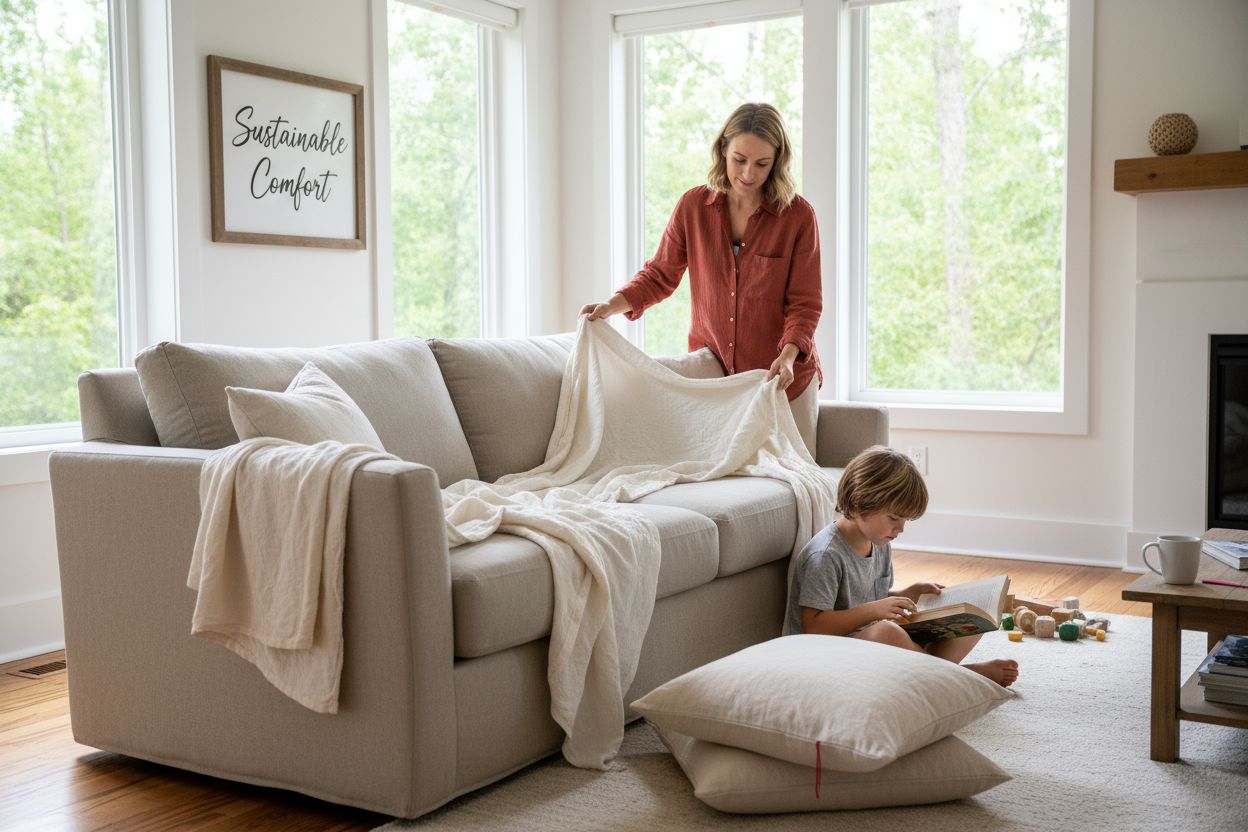
Linen represents a complex textile with extraordinary molecular properties that distinguish it from other natural and synthetic fabrics. Advanced materials research from the International Textile Research Center reveals the intricate mechanisms that contribute to linen’s exceptional performance and versatility.
At its core, linen’s unique behavior stems from the cellulose-rich fibers extracted from flax plant stalks. These long, strong fibers possess a distinctive molecular arrangement that creates remarkable thermal and moisture management capabilities. Unlike cotton or synthetic materials, linen fibers have a more linear and less twisted structure, which directly influences their interaction with environmental conditions.
Key molecular characteristics of linen include:
Linen’s ability to regulate temperature and moisture represents a fascinating interplay of physical properties. The fabric’s molecular structure allows rapid heat dissipation and moisture wicking, creating a microclimate between the fabric and skin that remains consistently comfortable. This unique characteristic makes linen an ideal material for clothing, bedding, and technical applications where temperature control is critical.
The fiber’s natural hollow structure enables air circulation, creating a cooling effect during warm temperatures while providing insulation in cooler environments. This adaptive quality emerges from millions of years of evolutionary development in the flax plant, translating into a textile with exceptional environmental responsiveness.
Linen transcends traditional textile boundaries, offering remarkable versatility across multiple creative and functional domains. Design researchers from the Parsons School of Design highlight linen’s extraordinary potential in contemporary design practices, emphasizing its adaptability and aesthetic appeal.
Linen fabric has become a cornerstone in fashion design, prized for its natural elegance and performance characteristics. Designers appreciate its ability to drape gracefully while maintaining structural integrity, making it ideal for creating everything from structured suits to flowing summer dresses. The fabric’s inherent texture provides visual depth and interest, allowing designers to craft garments that feel both sophisticated and effortlessly comfortable.
Significant fashion applications include:
Beyond fashion, linen emerges as a premier material for home decor and artisan crafting projects. Its natural aesthetic complements various design styles, from rustic farmhouse to modern minimalist interiors. Crafters and designers utilize linen for creating sophisticated home textiles, including tablecloths, curtains, throw pillows, and upholstery that combine durability with understated elegance.
The fabric’s versatility allows for intricate embroidery, quilting, and textile art techniques, providing artists and makers with a robust yet refined medium for creative expression. Its neutral tones and ability to accept natural dyes make linen an exceptional choice for those seeking to create unique, personalized textile pieces that tell a story through their materiality.
Linen represents a beacon of sustainable textile production, offering substantial environmental advantages that position it as a responsible choice for conscientious consumers and manufacturers. Environmental sustainability researchers from the Global Sustainability Institute have extensively documented the remarkable ecological credentials of linen production.
Flax cultivation demonstrates extraordinary environmental efficiency compared to other textile crops. The plant requires minimal water resources, thrives in poor soil conditions, and necessitates significantly fewer pesticides and fertilizers than cotton. Unlike resource-intensive textile crops, flax can grow in regions with marginal agricultural potential, reducing competition with food crop production and minimizing environmental strain.
Key ecological advantages of linen production include:
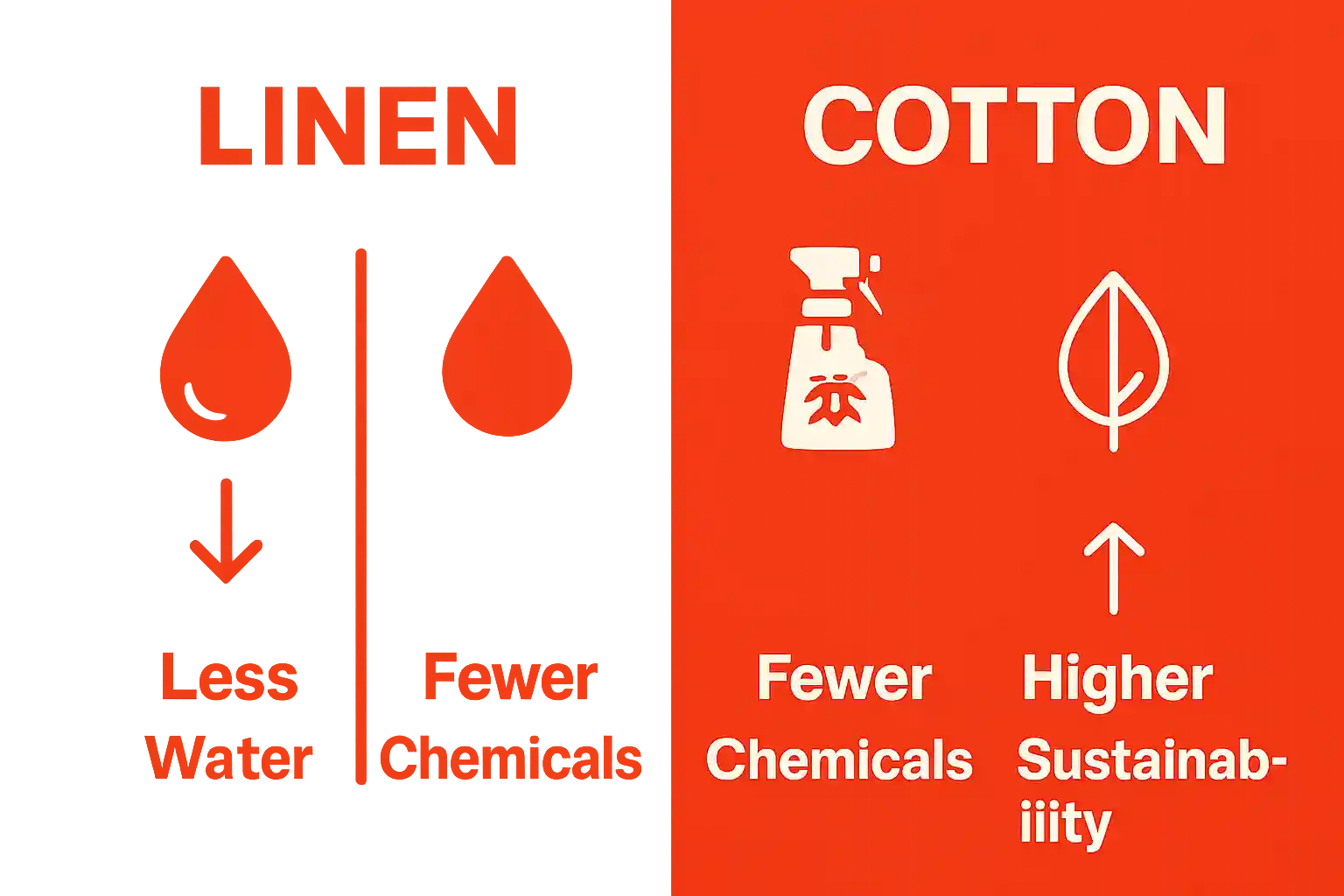
Linen’s end-of-life characteristics further distinguish it as an environmentally responsible textile. Being a natural cellulose fiber, linen biodegrades completely within a few weeks to months when disposed of properly, unlike synthetic fabrics that persist in landfills for centuries. Its decomposition process returns nutrients to the soil, creating a closed-loop system that aligns with circular economy principles.
The fabric’s inherent durability means fewer replacements are needed, reducing overall textile waste and consumption. Each linen garment or textile product can potentially last decades with proper care, representing a long-term investment in both personal wardrobes and environmental sustainability.
Are you searching for a fabric that truly delivers on quality, comfort, and sustainability for your next creation? Choosing linen means enjoying natural breathability, long-lasting durability, and an eco-friendly legacy. If you have ever felt frustrated by flimsy fabrics that do not wear well or materials that trap discomfort, linen offers the solution highlighted in our article. At fabric-fabric.com, we hand-select a wide range of linen and other premium textiles designed to support your vision, whether you are crafting apparel, home decor, or a custom project. Our easy-to-navigate site gives you clarity on every fabric’s properties so you can confidently pick the right material for your needs.
 Ready to embrace comfort, style, and sustainability? Visit our main store and browse our linen and specialty textile options today. Do not wait to transform your ideas into reality. Shop now at fabric-fabric.com and experience the difference firsthand.
Linen offers several advantages, including exceptional breathability, moisture-wicking capabilities, and natural temperature regulation.
Here is a table highlighting key characteristics of linen and how each feature translates into benefits for various uses.
| Linen Characteristic | Description | Practical Benefit |
|---|---|---|
| Ancient Heritage | Over 36,000 years of continuous use | Carries tradition and proven quality |
| Breathability | Allows excellent air circulation | Keeps wearer cool and comfortable |
| Moisture Absorption | Rapid moisture wicking and evaporation | Ideal for climates with humidity/heat |
| Durability | Gets softer and stronger with each wash | Long-lasting, reduces replacement waste |
| Sustainability | Requires minimal water, chemicals, and pesticides | Environmentally friendly, lower impact |
| Versatility | Adaptable to fashion, decor, artisan uses | Broad range of design and crafting options |
| Biodegradability | Naturally decomposes in weeks to months | Supports circular economy and less landfill |
Linen is generally more sustainable than cotton due to its lower water consumption, reduced need for pesticides, and ability to thrive in poor soil conditions.
To better understand the advantages and differences between linen and cotton, here is a comparison table summarizing sustainability factors, care, and performance aspects mentioned in the article.
| Feature | Linen | Cotton |
|---|---|---|
| Primary Source | Flax plant | Cotton plant |
| Water Consumption | Uses 60% less water than cotton | High water consumption |
| Pesticide Use | Minimal, often not needed | Requires significant pesticides |
| Soil Requirement | Thrives in poor soil | Needs fertile soil |
| Durability | Becomes softer and stronger with use | Tends to deteriorate over time |
| Biodegradability | Fully biodegradable | Biodegradable |
| Comfort and Breathability | Superior air circulation, moisture-wicking | Good, but can trap moisture |
Linen is known for its strength and longevity, often improving with age. It can last for decades if cared for properly, which reduces textile waste and supports a more sustainable consumption model.
Yes, linen is an excellent choice for home decor due to its natural aesthetic and versatility. It can be used in a wide range of applications, including tablecloths, curtains, and upholstery, adding both durability and style to your home.