

 US Dollar

Innovative Textile Sourcing Strategies: Your Step-by-Step Guide
Posted by BLG on 2026 Apr 17th
Posted by BLG on 2026 Apr 17th


TL;DR:
- Textile sourcing in 2025 involves balancing costs, sustainability, and supply chain resilience.
- Brands must verify compliance and traceability through certifications and blockchain technology.
- Nearshoring and next-gen materials are key strategies for reliability and meeting regulatory demands.
Textile sourcing in 2025 is no longer a straightforward cost exercise. Nearshoring, tariffs, and climate risks are reshaping how fashion designers, home decor specialists, and small business owners find and secure quality materials. Regulatory pressure is mounting, consumer expectations around sustainability are sharper than ever, and supply chain disruptions can erase months of planning overnight. This guide walks you through every stage of the sourcing process, from assessing your requirements and choosing the right region, to verifying compliance and selecting next-gen materials that keep your business competitive and credible.
| Point | Details |
|---|---|
| Nearshoring is rising | Tariffs and climate risks are making Mexico and Eastern Europe attractive sourcing options. |
| Sustainability is essential | Brands must prioritize next-gen materials and traceability in their sourcing strategies. |
| Digital tools boost reliability | AI forecasting and blockchain are unlocking faster, smarter textile sourcing. |
| Compliance drives success | Rigorous verification and audits are critical to ethical and legal sourcing in 2025. |
Before you contact a single supplier, you need a clear picture of what your sourcing environment actually looks like. That means understanding the regulatory, financial, and environmental forces already shaping your decisions.
95% of executives cite tariffs and sustainability as the defining issues in textile sourcing right now, and nearshoring is emerging as the top structural disruptor. Import duties on goods from traditional manufacturing hubs have climbed, and climate-related delays, from port flooding to drought-driven cotton shortages, are no longer rare events. They are built into risk models.
Here is a snapshot of what the sourcing landscape looks like heading into 2025:
| Factor | Impact level | Key consideration |
|---|---|---|
| Tariff increases | High | Raises landed cost from Asia-Pacific |
| Climate disruption | Medium-High | Affects raw material availability |
| Sustainability mandates | High | EU and US regulations tightening |
| Nearshoring growth | Medium | Shorter lead times, higher unit cost |
| Digital tool adoption | Medium | Improves forecasting accuracy |
Before you reach out to any vendor, make sure you have answered these core questions:
“Establishing traceability benchmarks before vendor outreach is not a nice-to-have. It is the baseline for doing business in regulated markets.”
For a deeper look at how these factors connect, the complete textile sourcing guide and the role of fabric sourcing are both worth reviewing before you move forward.
Pro Tip: Set your sustainability and traceability benchmarks in writing before you contact any supplier. Vendors who cannot meet documented standards early in the conversation will not meet them later under contract pressure.
With your prerequisites defined, the next decision is where to source and how to structure your sourcing model. These two choices are deeply connected.
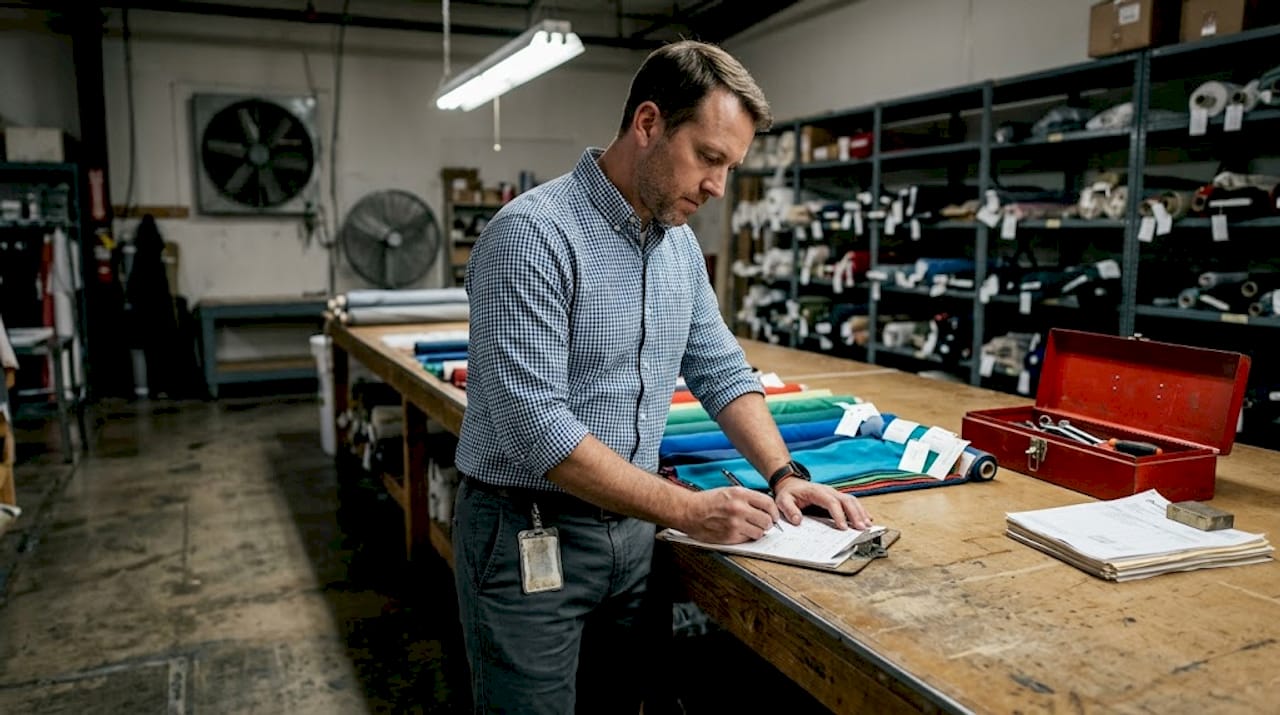
Cost-driven sourcing still favors Asia, particularly Bangladesh, Vietnam, and Indonesia for volume apparel and commodity fabrics. But reliability-focused brands are increasingly turning to nearshoring in Mexico and Eastern Europe, where shorter shipping lanes reduce exposure to geopolitical risk and climate-related port delays.
Here is how the major sourcing regions compare for 2025:
| Region | Cost index | Lead time | Reliability | Sustainability maturity |
|---|---|---|---|---|
| China | Low | Medium | Medium | Moderate |
| Bangladesh | Very low | Medium-Long | Medium | Developing |
| Vietnam | Low | Medium | Medium-High | Developing |
| Indonesia | Low | Medium | Medium | Developing |
| Mexico | Medium | Short | High | Moderate |
| Eastern Europe | Medium-High | Short | High | High |
Choosing your sourcing model is a step-by-step process:
For a closer look at which materials are trending in each region, the 2025 fabric trends resource offers useful context for aligning your sourcing choices with what consumers are actually buying.
Pro Tip: Use AI-powered sourcing platforms to score suppliers on disruption responsiveness, not just price. A supplier who communicates proactively during a delay is worth more than one who disappears.
Sustainability is no longer a marketing angle. It is a sourcing requirement. And the data is sobering: 80% of brands still lack formal sustainable material targets, even as synthetic fibers dominate at 68% of the textile market.
That gap is both a risk and an opportunity. Brands that move early on next-gen materials gain supplier relationships, regulatory readiness, and consumer trust before the market crowds.
The top materials worth prioritizing right now include:
Verifying that these materials are genuinely sustainable requires more than a supplier’s word. Key tools include:
For practical inspiration, the sustainable fabric examples resource and the conscious creators’ sustainability guide both offer project-level guidance that connects material choices to finished results.
Pro Tip: Always cross-reference supplier sustainability claims against a recognized benchmark like Textile Exchange or GOTS. Self-reported data without third-party verification is not a sourcing standard.
Choosing the right materials and suppliers is only half the job. Verifying that your sourcing is ethical and compliant protects your business from regulatory penalties, reputational damage, and supply chain surprises.
Here is a step-by-step verification process you can apply before finalizing any supplier contract:
Common compliance pitfalls to watch for:
“Regulatory penalties for non-compliant textile imports are escalating globally. The EU’s due diligence directive and US Customs enforcement actions make documentation a legal necessity, not a best practice.”
For more on building an ethical supply chain, the ethical sourcing impact resource and eco-friendly sourcing tips offer actionable frameworks for different business sizes.
Most sourcing conversations in the industry still default to cost as the primary variable. That framing is outdated, and it is costing brands more than they realize.
The shift from cost to reliability and sustainability is not a trend. It is a structural change driven by regulation, climate exposure, and consumer behavior. Brands that still treat sustainability as a line item rather than a sourcing pillar are building on a foundation that regulators and retailers are actively dismantling.
What we see working in practice is a three-part integration: digital tools for real-time supplier visibility, next-gen materials for regulatory and market readiness, and nearshore or regional relationships for resilience. None of these elements works well in isolation. A brand with great materials but no traceability system is exposed. A brand with strong traceability but no sustainable fiber strategy is falling behind.
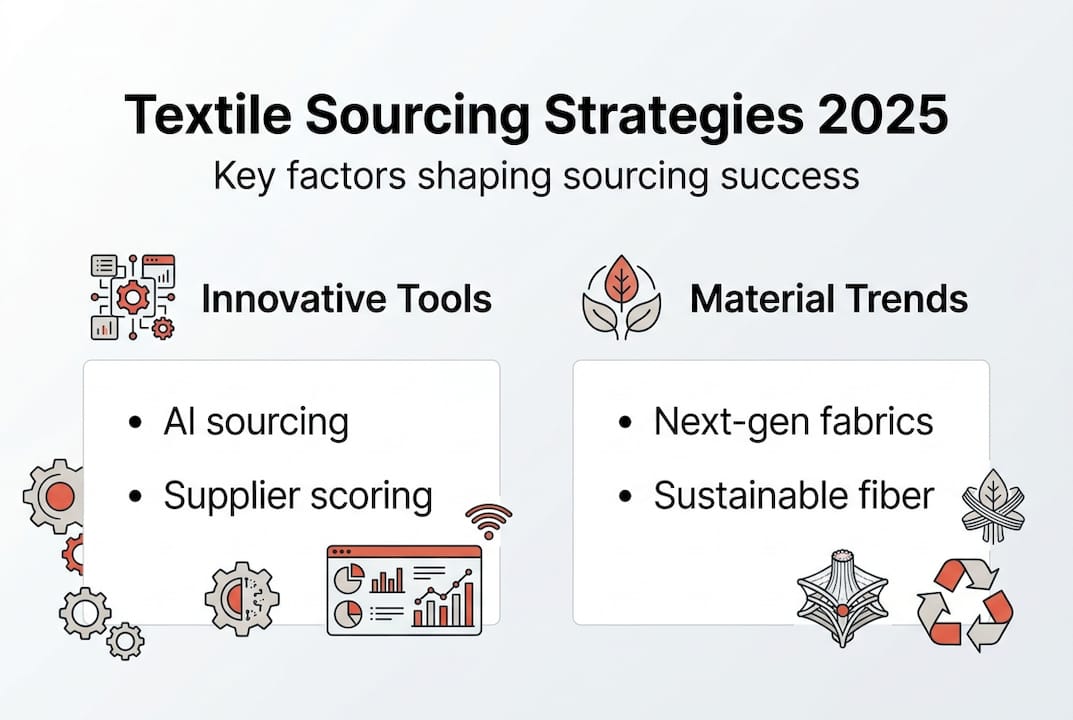
The brands that are pulling ahead are investing in 2025 sustainability reflections and treating sourcing as a strategic function, not a procurement task. That shift in mindset is where the real competitive advantage lives.
Putting these sourcing strategies into practice starts with having access to the right materials. Whether you are building a capsule collection, outfitting a home decor line, or scaling a small business, the quality of your fabric foundation shapes everything downstream.
At fabric-fabric.com, you will find a curated selection of fabrics organized by use, from apparel and upholstery to crafts and quilting, making it straightforward to match your sourcing strategy to the right product. For event designers and creative studios, the backdrop fabrics collection offers professional-grade options with clear specifications. Explore the full range and find materials that meet your quality, sustainability, and project requirements without the guesswork.
Reliability-focused brands are turning to nearshoring in Mexico and Eastern Europe due to tariffs and climate risks, but Asia remains the most cost-effective option for high-volume, price-sensitive sourcing.
Recycled polyester, TENCEL, and regenerative cotton are the top recommendations from Textile Exchange benchmarks for brands building a credible sustainable material strategy.
Blockchain platforms and certified third-party supplier audits are currently the most reliable combination for confirming both ethical practices and full supply chain traceability.
AI forecasting tools and digital sourcing platforms allow brands to monitor supplier performance in real time and respond to disruptions before they become costly delays.