

 Canadian Dollars

The Different Types of Woven Fabric, Explained by Weave Family
Posted by BLG on 2026 Aug 21st
Posted by BLG on 2026 Aug 21st

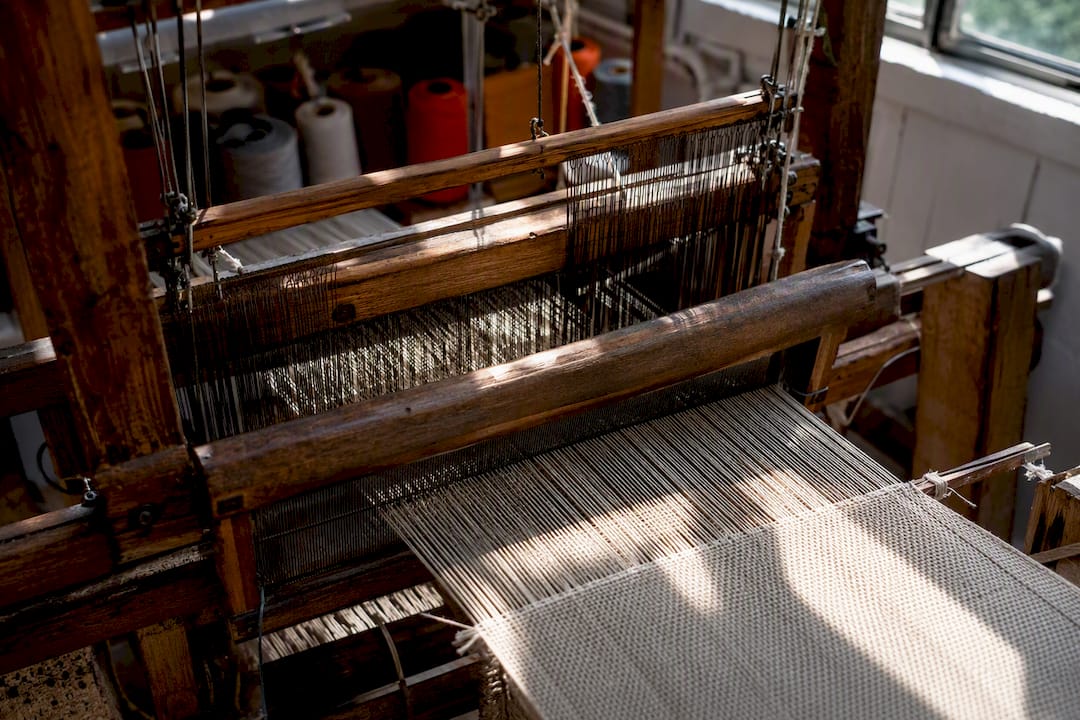
A woven fabric is any textile made by interlacing two sets of yarn, the lengthwise warp and the crosswise weft, at right angles on a loom. Nearly every woven textile you’ll touch is built on one of three basic weave families: plain, twill, and satin. Everything else, from denim to jacquard brocade, is a variation on those three.
Woven construction dominates the textile world for good reason. Woven fabrics made up roughly 66.5% of the global textile market in 2026, compared with 33.5% for knits, largely because interlaced yarns hold their shape and resist stretching far better than looped knit structures.
Every woven fabric traces back to plain, twill, or satin weave, and matching that weave family to your project matters more than matching fiber content alone.
| Point | Details |
|---|---|
| Three weaves rule them all | Plain, twill, and satin cover nearly every named woven fabric, from muslin to denim to charmeuse. |
| Weave decides drape and durability | Twill resists abrasion, satin drapes and shines, plain weave stays stable and breathable. |
| Shrinkage varies by weave | Plain weaves shrink least, twills more, satins most, so pre-wash before cutting. |
| Test before you commit | A stretch, light, and loupe check identifies weave family in under a minute. |
| Order swatches first | A small sample and test seam catch shrinkage and drape issues before you buy yardage from Fabric-fabric or elsewhere. |
Every woven fabric starts with the same two ingredients: a warp yarn strung tight on the loom lengthwise, and a weft yarn (sometimes called filling) that travels crosswise, over and under the warp threads. How that weft threads through the warp, tight grid, diagonal stagger, or long floating pass, decides almost everything about how the finished cloth behaves: its stretch, its shine, its strength, even how it wrinkles.
Change the interlacement pattern and you change the fabric’s personality entirely, even using the exact same yarn.
The three foundational structures cover most of what you’ll encounter:
Beyond the big three, a handful of specialized structures show up often enough that you should recognize them by name. Jacquard uses a programmable loom attachment to weave intricate patterns directly into the cloth rather than printing them on top. Leno twists pairs of warp yarns around each other between weft picks, locking an open, gauzy mesh in place so it doesn’t shift or fray. Pile weaves add a third yarn set that loops or cuts to stand up from the base cloth, giving you velvet’s nap or corduroy’s ridges. Dobby weaves use a small mechanical attachment to create tiny geometric patterns, think birdseye or waffle texture, within an otherwise simple weave.
Once you know the weave family, six characteristics tell you almost everything you need before buying or cutting into a fabric. Run through this checklist and you’ll rarely end up with the wrong material for a project.
For apparel that needs to move with the body, prioritize drape and hand. For upholstery, weight and abrasion resistance matter more than softness. Quilting favors stable, predictable plain weaves that hold a crisp seam. Craft projects give you the most latitude, since durability demands are usually lower.
One structural note worth remembering: weave family affects shrinkage, with plain weaves generally shrinking the least, twills more, and satins the most, largely because of how tightly the yarns pack and how the finishing process relaxes them in the wash.
Here’s the reference list you actually came for, organized loosely by feel and function so similar fabrics sit near each other.
Buckram is a heavily starched, stiff plain-weave cotton or blend used almost exclusively for structure, hat brims, bookbinding, and stiffening curtain headers. It has no drape at all by design and doesn’t take dye evenly, so it’s rarely a garment fabric on its own.
Cambric is a fine, tightly woven plain-weave cotton or linen with a slight sheen from calendering. It shows up in handkerchiefs, lightweight linings, and quilting backing. It presses crisp and holds a sharp seam.
Gabardine is a tightly woven twill, usually cotton, wool, or a blend, known for its steep diagonal rib and water-resistant density. It’s the fabric behind trench coats and tailored trousers because it holds a crease and resists wrinkling. Sewing note: gabardine’s tight weave dulls needles faster than looser fabrics, so swap needles more often than usual.
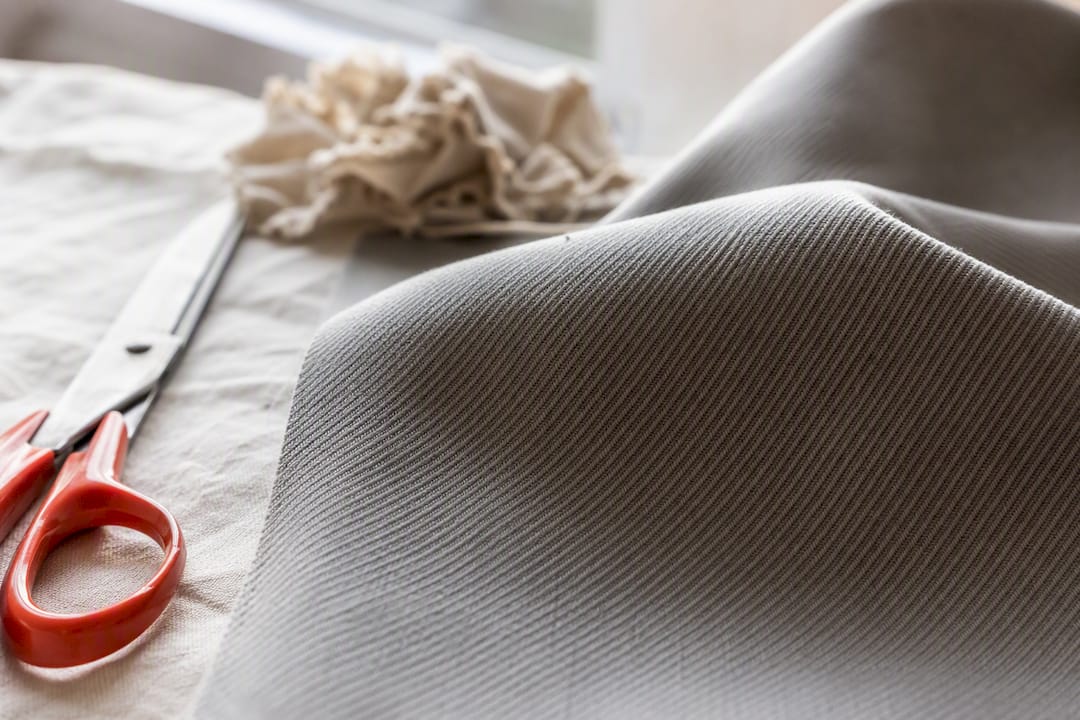
Drill is a sturdy cotton twill, heavier than most shirting twills but lighter than canvas. It’s the backbone of khaki work pants and military uniforms. Pre-shrink it before cutting; drill can lose several percent of its length on first wash.
Denim is the classic twill weave built with a colored (usually indigo) warp and a white or undyed weft, which is why it fades along the raised diagonal wale as it wears. Cotton denim ranges from lightweight shirting weights to heavy 14+ ounce jeans weight. Denim maps directly back to the twill family, and its durability comes straight from that diagonal interlacement. For a deeper look at denim’s twill cousins, see this guide to twill weave variations.
Corduroy is a cut-pile weave, technically a variation on twill, with pile yarns woven in, then sliced to create the fabric’s signature vertical ridges called wales. Cotton and cotton-blend corduroy is a workwear and children’s clothing staple. Always cut all pattern pieces with the nap running the same direction, or the ridges will catch light differently across the garment.
Flannel is usually a plain or twill weave, most often cotton or wool, that’s been brushed on one or both sides to raise a soft nap. That brushing is a finishing step, not a weave structure, which is why flannel can technically be built on either base weave. It’s warm, forgiving to sew, but sheds lint heavily in the first few washes.
Chiffon is a plain weave made from tightly twisted crepe yarns, usually silk or polyester, giving it a slightly rough, grainy hand despite being sheer and lightweight. It frays aggressively at cut edges and slides under a sewing machine foot, so most sewists use French seams and a fine needle.
Georgette is nearly identical to chiffon in structure, a plain weave from highly twisted crepe yarns, but it’s typically woven slightly heavier and has a more matte, crepey texture with less shine. The quickest way to tell them apart at the counter: chiffon feels smoother and lighter; georgette feels slightly grippier and more textured. Both fray badly and both benefit from a walking foot.
Lawn is a fine, lightweight plain-weave cotton, crisper than voile but softer than cambric, historically used for handkerchiefs and christening gowns. Modern quilting cotton lawns (Liberty of London made this fabric famous) are popular for summer blouses and lightweight quilts.
Cheesecloth is an extremely loose, open plain weave, originally used for wrapping cheese during aging, now popular for craft projects, gauzy curtains, and rustic apparel. It frays if you look at it wrong; finish every edge before it unravels past the point of use.
Crepe describes fabrics woven or twisted to create a pebbled, slightly puckered surface texture. It can technically be a plain weave using highly twisted “crepe” yarns in both directions, giving it more bounce and a matte finish than standard plain-weave cotton. Crepe resists wrinkling well but can shrink unevenly if not pre-treated.
Satin is any fabric built on the satin weave structure, long warp floats over multiple weft threads, that produces a glossy face and a duller back. Silk, polyester, and acetate are common fiber choices. Sateen is the weft-faced cousin, using the same float principle but usually in cotton, which is why sateen sheets feel silky but breathe more like cotton than silk. The quick rule: if it’s shiny and drapey and probably not cotton, call it satin; if it’s a cotton bedsheet or curtain with a soft sheen, it’s sateen. A detailed guide to sateen’s care requirements is worth bookmarking before you press one, since satin and sateen scorch at lower temperatures than plain cotton.
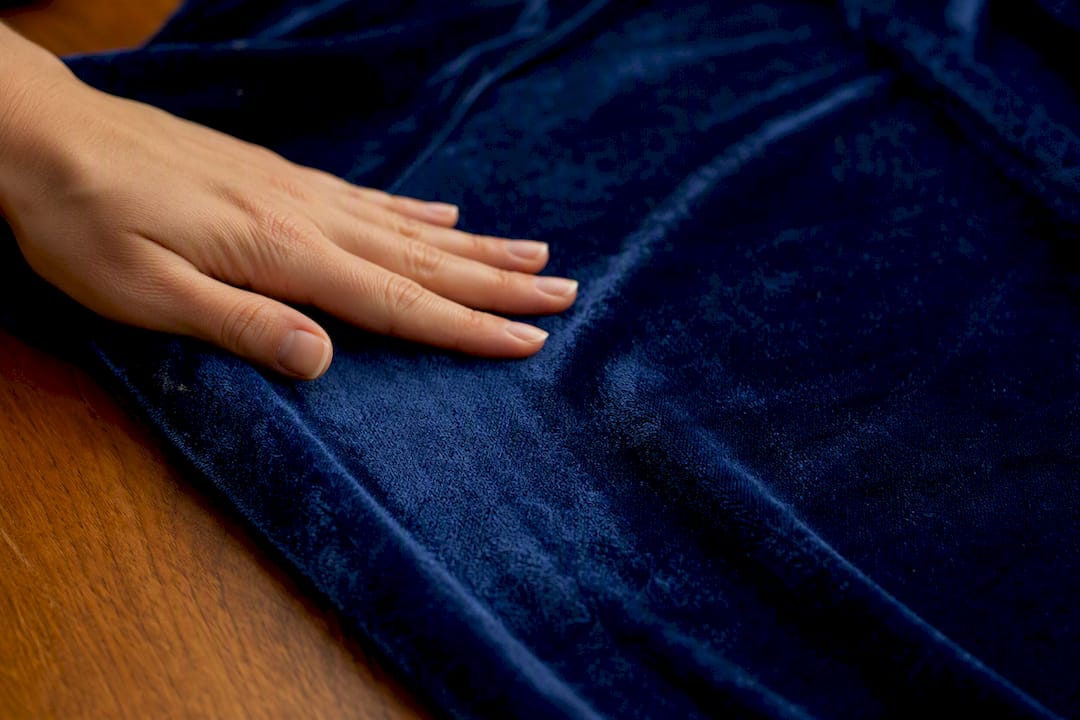
Velvet is a warp-pile weave where an extra set of warp yarns loops over wires or rods, then gets cut to create dense, upright pile. It’s used for evening wear, upholstery, and drapery. Velvet has a nap direction, meaning it looks different depending on which way you brush it, so cut every pattern piece in the same orientation.
Jacquard isn’t a fiber or a single structure but a loom technique that weaves complex patterns, damask florals, brocade motifs, matelassé texture, directly into the cloth using a punch-card or digital pattern system. Jacquard fabrics generally cost more than simple weaves because the loom setup and weaving time both increase with pattern complexity. See what jacquard actually looks like up close in this visual breakdown of jacquard surfaces, or read more on how jacquard weaving works.
Seersucker is a plain weave woven with alternating slack and taut warp tensions, which puckers some stripes while others lie flat. That built-in texture means it barely touches your skin when worn, which is exactly why it became a summer suiting staple in humid climates. It needs almost no ironing, since pressing flattens the puckers you’re paying for.
Leno is an open, gauzy weave where pairs of warp yarns twist around each other between weft passes, locking the structure so it stays stable despite being nearly transparent. You’ll find it in mosquito netting, produce bags, and some curtain sheers. Because the twist locks the yarns mechanically, leno resists the raveling you’d expect from such an open structure.
Pro Tip: Keep a swatch card of plain, twill, and satin weave in a drawer near your sewing table. When a new fabric arrives, hold it against each swatch under a strong light. Matching the float pattern takes ten seconds and saves you from guessing at care instructions later.
A note on commonly confused pairs: chiffon versus georgette comes down to twist and hand (smoother and shinier means chiffon, grippier and more matte means georgette), while satin versus sateen comes down to fiber and finish (drapey and lustrous in silk or polyester means satin, cotton with a soft sheen means sateen). Get those two distinctions right and you’ll correctly identify most fabric-counter mix-ups.
Not sure what’s on the bolt in front of you? Run through this sequence before you buy or cut.
These four checks: hold-to-light, stretch, texture, and loupe count, correctly sort the vast majority of samples you’ll come across. If a fabric still won’t cooperate, or you suspect a fiber blend that’s affecting the drape, ordering a small swatch before committing to yardage is the cheapest insurance in sewing.
Pro Tip: When identification is genuinely uncertain, a burn test on a small clipped thread can confirm fiber content even when the weave is obvious. Natural fibers like cotton and linen turn to soft gray ash; synthetics melt into a hard bead.
Different projects call for different weave families, and matching them correctly the first time saves both fabric and frustration.
Sewing-handling notes matter here too. Satin and other slippery weaves need a fresh, sharp needle and often a walking foot to prevent shifting under the presser foot. Velvet and corduroy both have a nap, so lay out every pattern piece facing the same direction before cutting. Open weaves like cheesecloth and leno fray fast, so finish edges immediately with a serger or zigzag stitch rather than waiting.
Pro Tip: Order a swatch, pre-wash it exactly the way you’ll wash the finished project, then sew a test seam. This single step catches shrinkage and puckering problems before you’ve committed to a full yard of fabric.
Most sewing mistakes I see traced back to fiber choice actually start with weave choice. Someone picks “cotton” for a flowy summer top, grabs a plain-weave quilting cotton off the shelf, and wonders why the finished garment stands away from the body instead of skimming it. The problem was never the fiber. It was that plain weave doesn’t drape the way a lightweight twill or a crepe would.
Knowing the weave family first, then narrowing by fiber, flips that decision in the right order. It’s the difference between guessing and choosing.
One habit worth building into your pattern planning: check the pattern’s suggested fabric list for weave language, not just fiber names, before you shop. If a pattern calls for “fluid drape,” you’re hunting for a satin or crepe structure, regardless of whether it’s silk or polyester underneath.
Once you know which weave family and fabric type fits your project, the harder part is usually finding a source that carries the exact weight, fiber, and finish you need without guessing from a tiny thumbnail photo. Fabric-fabric carries woven fabrics across every category covered here, from structured twills to sheer plain weaves, organized by intended use so you’re not scrolling through unrelated inventory to find what you need.
If you’re still narrowing down a weight or hand feel, order a swatch first. It costs far less than a full yard of the wrong fabric and lets you run the stretch and light tests covered above on the actual material before committing. For larger projects like curtains, cushions, or slipcovers, the home decor fabric collection covers heavier jacquards and canvas weaves built for that kind of wear, and the backdrop fabrics category is worth a look for anyone needing structured, heavier-weight woven yardage. Browse by fabric type, request a swatch, and order the exact yardage your pattern calls for.