

 US Dollar

Complete Guide to Defining Fabric Drape
Posted by BLG on 2025 Nov 22nd
Posted by BLG on 2025 Nov 22nd

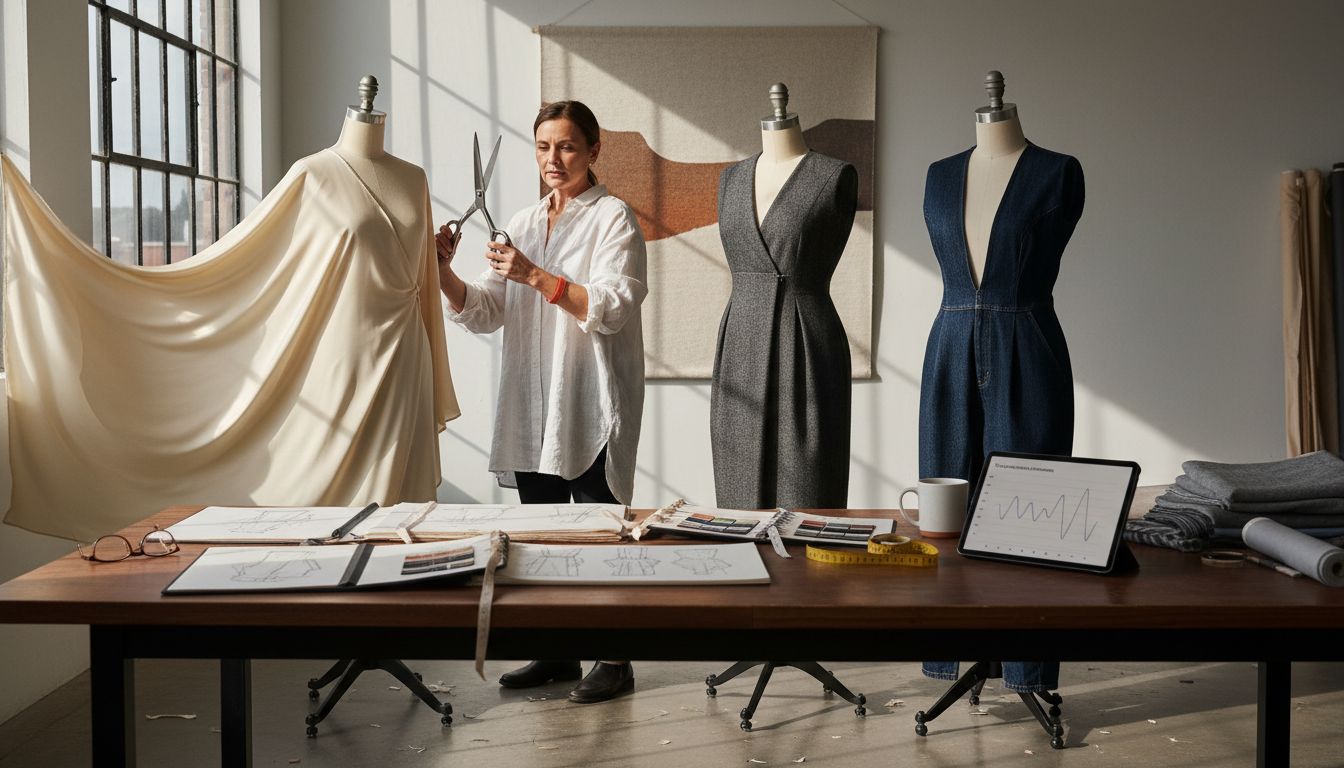
Most american designers have been surprised to learn that fabric drape is far more complex than it appears. Over 80 percent of garment outcomes depend on drape choices, shaping how fabric moves and feels in both fashion and home décor. With myths and assumptions clouding this subtle quality, understanding fabric drape becomes essential for anyone working with textiles. This guide uncovers what really shapes drape, separates fact from fiction, and helps creators make informed, beautiful decisions.
| Point | Details |
|---|---|
| Understanding Fabric Drape | Fabric drape is defined by how textiles move and hang, influenced by fiber characteristics and material flexibility. |
| Types of Drape | Fabrics are categorized into soft drape (fluid) and stiff drape (structured), each suited for different design applications. |
| Measuring Drape | Objective measurement techniques like the drape coefficient assess how fabric behaves when hung, being essential for precise design decisions. |
| Avoiding Common Mistakes | Designers often misjudge drape by oversimplifying weight and ignoring fiber composition; thorough testing is crucial. |
Fabric drape is the subtle art of how textiles move, fold, and hang when draped over a surface or body. According to Wikipedia, drapery describes how different textile materials fold and fall depending on their fiber characteristics and material flexibility. This fundamental property influences everything from clothing design to interior decorating.
At its core, fabric drape represents the way a material naturally falls and creates sculptural lines when suspended or worn. As Sew Your Soul explains, drape significantly impacts a garment’s overall appearance and feel. It’s not just about weight or thickness - multiple factors contribute to how a fabric will ultimately behave.
Common myths about fabric drape can mislead designers and creators. Many people incorrectly assume that:
In reality, drape depends on complex interactions between fiber content, weave structure, thread density, and material flexibility. A lightweight silk might have more dramatic drape than a heavy cotton, demonstrating how nuanced this characteristic can be.
Understanding fabric drape requires looking beyond surface-level assumptions. What Is Fabric Drape? Complete Guide for Creators provides deeper insights into how different textile properties interact to create movement and form. Creators who master these subtle distinctions can transform ordinary materials into extraordinary designs.
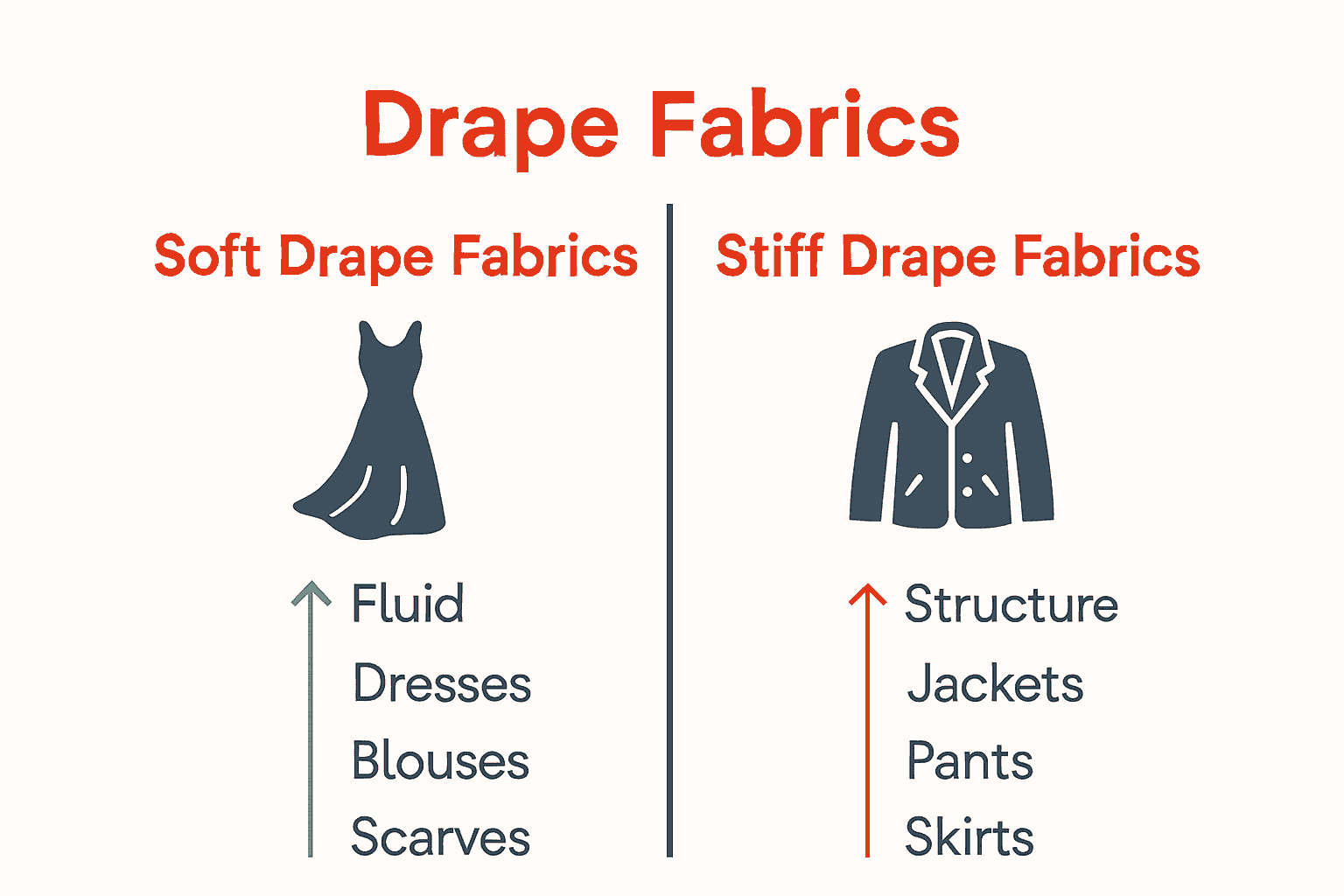
Fabric drape is not a one-size-fits-all characteristic, but rather a nuanced spectrum of textile behaviors. According to Sew Your Soul, fabrics can be categorized into two primary drape types: soft drape and stiff drape, each offering unique qualities for different design applications.
Soft Drape Fabrics are the chameleons of the textile world. These lightweight, fluid materials like chiffon, silk, and lightweight jersey create graceful, flowing silhouettes that move with incredible elegance. They conform smoothly to body contours, making them ideal for evening gowns, blouses, and delicate accessories where movement and fluidity are paramount.
Stiff Drape Fabrics stand in sharp contrast, maintaining structured shapes and providing architectural stability. Materials such as wool, denim, and heavy cotton create garments with defined lines and more pronounced geometric shapes. These fabrics are perfect for tailored suits, structured jackets, and designs requiring crisp, architectural forms.
To help creators choose the right fabric, here’s a quick comparison of drape characteristics:
| Fabric Type | Drape Behavior | Best Uses |
|---|---|---|
| Soft Drape | Fluid, Flowing | Evening wear, Scarves, Lightweight tops |
| Stiff Drape | Structured, Firm | Jackets, Structured dresses, Coats |
For more detailed insights into how fabric structure influences design, Understanding the Role of Drapery Fabrics in Design offers comprehensive exploration of textile properties and their creative applications. Understanding these nuanced differences empowers designers to select fabrics that perfectly match their creative vision.
Measuring fabric drape is a sophisticated process that goes far beyond simple visual inspection. According to research from Eprints White Rose, objective measurements evaluate how a fabric hangs and folds by considering critical factors like weave structure and fiber content. This scientific approach helps designers and manufacturers understand textile behavior with precision.
The drape coefficient is the primary quantitative method for assessing fabric movement. Researchers analyze how a circular fabric sample falls when suspended, measuring the percentage of area covered by the draped fabric. Different weave patterns dramatically influence this measurement. For instance, Etheses White Rose highlights that twill weaves demonstrate superior drape behavior compared to plain weaves, offering more flexibility and better wrinkle recovery.
Professional textile experts employ several assessment techniques:
For creators seeking deeper understanding of fabric characteristics, Fabric Hand Explained: Key Factors and Applications offers comprehensive insights into textile properties. Understanding these measurement techniques empowers designers to select materials that perfectly match their creative vision, transforming technical knowledge into artistic expression.
Fabric drape transforms design possibilities across multiple creative domains, serving as a critical factor in both fashion and interior styling. Designers leverage drape characteristics to create garments and spaces that breathe with visual and tactile elegance, selecting materials that perfectly capture their artistic vision.
In apparel design, drape determines a garment’s fundamental character. Soft, fluid fabrics like silk and chiffon create ethereal evening gowns that flow gracefully with body movement, while structured materials like wool and denim produce tailored suits and jackets with sharp, architectural lines. The way a fabric falls can dramatically transform a simple design into a sophisticated statement piece.
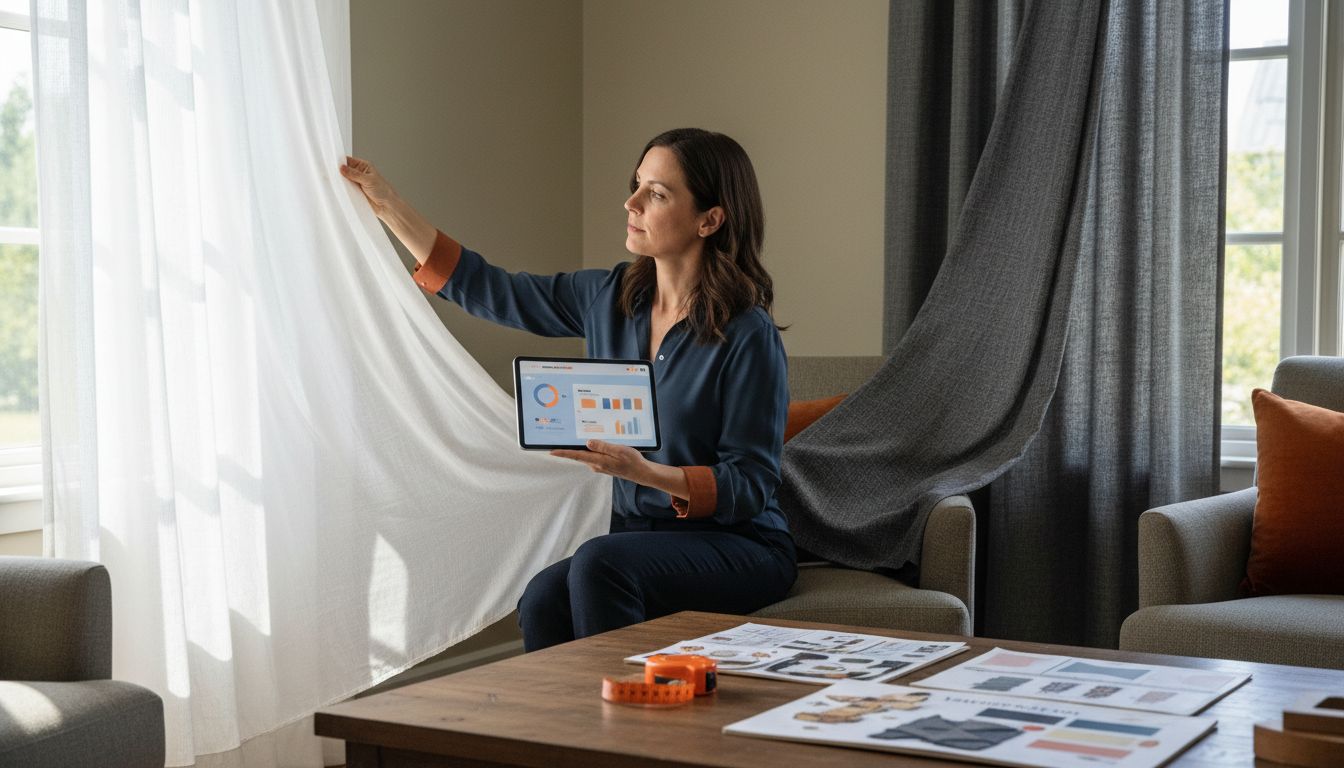
Interior design similarly relies on drape’s transformative power. Curtains, upholstery, and soft furnishings depend on fabric behavior to create atmospheres ranging from luxurious to minimalist. Consider these strategic applications:
Ultimate Home Decor Fabric Guide for Stylish Spaces provides deeper insights into selecting the perfect fabric for each design context. Understanding drape empowers creators to transform ordinary spaces and wardrobes into extraordinary expressions of personal style.
Selecting the perfect fabric drape requires thoughtful consideration of your project’s specific requirements. According to Templiq, the appropriate fabric drape is essential for achieving the desired style, with different materials offering unique aesthetic and functional qualities.
The project purpose dictates your drape selection. Sew Your Soul emphasizes that soft drape fabrics work best for designs requiring fluid movement, while stiff drape fabrics excel in projects needing structure and stability. A flowing evening gown demands lightweight, flexible materials, whereas a tailored blazer requires more rigid, structured textiles.
Consider these key factors when choosing fabric drape:
Essential Fabric Selection Guide for Designers and Decorators offers additional insights for creators seeking to master the nuanced art of fabric selection. Understanding drape helps transform raw materials into extraordinary design expressions.
Assessing fabric drape is an intricate process fraught with potential misconceptions that can derail even experienced designers. According to Sew Your Soul, a critical error is overlooking the nuanced influence of fiber content and weave structure, which can lead to unexpected garment behavior and disappointing project outcomes.
Many creators fall into predictable drape assessment traps. Templiq highlights that misjudging fabric characteristics can result in designs that neither fit nor move as initially envisioned. These missteps often stem from overly simplistic assumptions about textile performance.
Common mistakes in fabric drape assessment include:
How to Identify Fabric Quality: Expert Steps for Shoppers provides additional insights for creators seeking to elevate their material selection skills. Mastering drape assessment requires patience, practice, and a willingness to challenge preconceived notions about textile performance.
Understanding fabric drape goes beyond just identifying fabric weight or appearance. The challenge many creators face is selecting textiles that truly perform and match their vision in apparel design or home décor. This guide sheds light on critical concepts like the distinction between soft drape and stiff drape, the importance of weave structure, and how fabric behavior can make or break your final design. If you want your projects to move and flow exactly as you imagine, mastering these details is essential.
Explore a curated collection of premium fabrics at fabric-fabric.com where every material is described with detailed drape and usage insights. Whether you are aiming for fluid elegance with silk or structured form with denim, you will find the perfect match to bring your creative ideas to life. Don’t compromise on quality and functionality when it’s time to choose your textile. Start your journey now at Complete Guide to Fabric Selection and deepen your knowledge with our Fabric Hand and Quality Guide. Visit fabric-fabric.com today and transform your projects with fabrics that drape beautifully and inspire confidence.
Fabric drape refers to how textiles move, fold, and hang when suspended or worn. It influences a garment’s overall appearance and feel based on factors like fiber characteristics, material flexibility, and weave structure.
Fabrics can be categorized mainly into two types: soft drape and stiff drape. Soft drape fabrics, like chiffon and silk, create flowing silhouettes, while stiff drape fabrics, like wool and denim, maintain structured shapes and defined lines.
Fabric drape is measured using methods like the drape coefficient, which analyzes how a circular fabric sample falls when suspended. Other techniques include the drape meter test and image analysis, helping designers understand fabric behavior with precision.
Consider the garment type, desired silhouette, fabric weight, fiber content, intended use, and how the fabric interacts with body movement. Each of these factors significantly affects the final design and functionality of the garment.