

 Canadian Dollars

Understanding the Role of Drapery Fabrics in Design
Posted by BLG on 2025 Aug 22nd
Posted by BLG on 2025 Aug 22nd

Drapery fabrics do much more than just cover windows. These specialized textiles combine both science and style, making them a crucial part of any well-designed space. Here’s the unexpected part. The weight, texture, and composition of a drapery fabric can completely change how a room feels, looks, and even sounds. Turns out, picking the right drapery isn’t just about pretty patterns but about transforming entire environments.
| Takeaway | Explanation |
|---|---|
| Drapery fabrics enhance aesthetics and functionality. | These textiles balance visual appeal and practical uses in interior design, improving spaces in both style and operation. |
| Consider light and thermal control when selecting fabrics. | Fabrics can regulate temperature and manage light, contributing significantly to comfort within a space. |
| Drapery influences psychological perception of space. | The right fabric can create feelings of comfort, intimacy, or sophistication by altering how a space is perceived. |
| Material composition affects durability and maintenance. | Understanding fabric types helps in choosing materials that withstand wear while requiring minimal upkeep. |
| Drapery fabrics act as strategic design elements. | Designers incorporate these textiles to achieve specific aesthetic and functional goals, shaping overall interior narratives. |
Drapery fabrics represent specialized textile materials specifically designed for creating window coverings, curtains, and decorative hanging elements in interior spaces. Unlike standard fabrics, these textiles are engineered with unique characteristics that enable them to hang gracefully, control light transmission, and enhance aesthetic appeal.
Drapery fabrics possess distinctive properties that set them apart from other textile types. Fabric weight, texture, and composition play critical roles in determining their performance and visual impact. Key characteristics include:
Below is a table summarizing the key characteristics that define drapery fabrics and distinguish them from other textile types.
| Characteristic | Description |
|---|---|
| Exceptional Drape Quality | Allows smooth and elegant hanging of the fabric |
| Structural Integrity | Maintains desired shape and prevents sagging |
| Light Absorption/Reflection | Controls how fabric absorbs or reflects light in a space |
| Thermal & Acoustic Insulation | Offers protection from temperature changes and external noise |
| Fabric Weight | Contributes to hanging style and performance |
| Texture | Affects the tactile and visual experience |
| Fabric Composition | Determines durability and maintenance needs |
Professional designers and textile experts carefully evaluate these elements when selecting appropriate drapery materials for specific design contexts. According to Britannica, textiles are complex networks of fibers that serve both functional and decorative purposes.
The role of drapery fabrics extends beyond mere visual aesthetics. These textiles serve multiple practical functions within interior environments. They regulate room temperature by blocking solar radiation, provide privacy, reduce external noise transmission, and contribute to overall spatial ambiance.
This table summarizes the practical functional benefits drapery fabrics offer within interior environments.
| Functional Benefit | How It Supports Interior Spaces |
|---|---|
| Temperature Control | Provides thermal insulation, blocks solar radiation |
| Sound Absorption | Reduces external noise transmission |
| Light Management | Regulates natural light filtration |
| Privacy Provision | Prevents unwanted visibility from outside |
| UV Protection | Shields interiors from harmful sun exposure |
| Ambiance Enhancement | Contributes to the overall spatial atmosphere |
| Maintenance Considerations | Offers ease of cleaning and durability |
Fabric selection involves analyzing several technical parameters such as:
Professional interior designers recognize that drapery fabrics are sophisticated engineering solutions that balance technical performance with artistic expression, transforming ordinary spaces into compelling visual experiences.
Drapery fabrics are transformative elements that do far more than simply cover windows. These sophisticated textile solutions play a pivotal role in shaping interior environments, blending aesthetic appeal with functional performance across residential and commercial spaces.
Drapery fabrics function as critical design elements that communicate style, mood, and spatial character. They serve as visual anchors that can dramatically alter room perception, creating depth, texture, and visual interest. Professional designers understand that fabric selection goes beyond color and pattern selection, involving nuanced considerations of how materials interact with light, architectural features, and overall design narrative.
Key visual contributions include:
Beyond aesthetic contributions, drapery fabrics deliver substantial functional benefits. According to research from the National Institutes of Health, textiles play a critical role in managing indoor environmental quality, influencing factors such as acoustics, light management, and thermal regulation.
Practical performance aspects include:
Successful interior design integrates drapery fabrics as strategic components rather than mere decorative afterthoughts. Architects and designers carefully consider fabric properties such as weight, translucency, and texture to achieve precise environmental and aesthetic objectives. Whether creating minimalist modern spaces or rich, layered traditional interiors, drapery fabrics offer designers powerful tools for spatial transformation and sensory experience.
Drapery fabrics transcend traditional interior design boundaries, emerging as pivotal elements that bridge fashion, functionality, and artistic expression. These versatile textiles represent complex intersections between material science, aesthetic design, and practical application across multiple creative domains.
Fabric selection communicates sophisticated design narratives, serving as a silent language that conveys mood, cultural context, and creative intention. Professional designers leverage drapery fabrics as expressive mediums that translate conceptual ideas into tangible sensory experiences. The inherent qualities of a fabric communicate intricate details about style, cultural heritage, and design philosophy.
Key design communication elements include:
Drapery fabrics play a crucial role in fashion design, influencing garment structure, movement, and wearer experience. According to the Fashion Institute of Technology, textile choices represent complex negotiations between aesthetic appeal and practical functionality.
Performance considerations in fashion include:
Contemporary design practices recognize drapery fabrics as interdisciplinary tools that transcend traditional categorical boundaries. Designers increasingly view these textiles as dynamic materials capable of transforming spatial experiences, clothing design, and sensory interactions. By understanding fabric properties at molecular and aesthetic levels, creators can develop innovative solutions that merge technological precision with artistic expression.
Drapery fabric selection represents a sophisticated process that combines technical expertise, design insight, and strategic decision making. Professionals approach textile selection as a nuanced art form that balances aesthetic preferences with functional performance requirements across various design contexts.
Fabric composition fundamentally determines performance characteristics, influencing everything from visual appearance to durability and maintenance requirements. Professional designers meticulously analyze material properties to ensure optimal outcomes in different environmental conditions.
Critical material composition factors include:
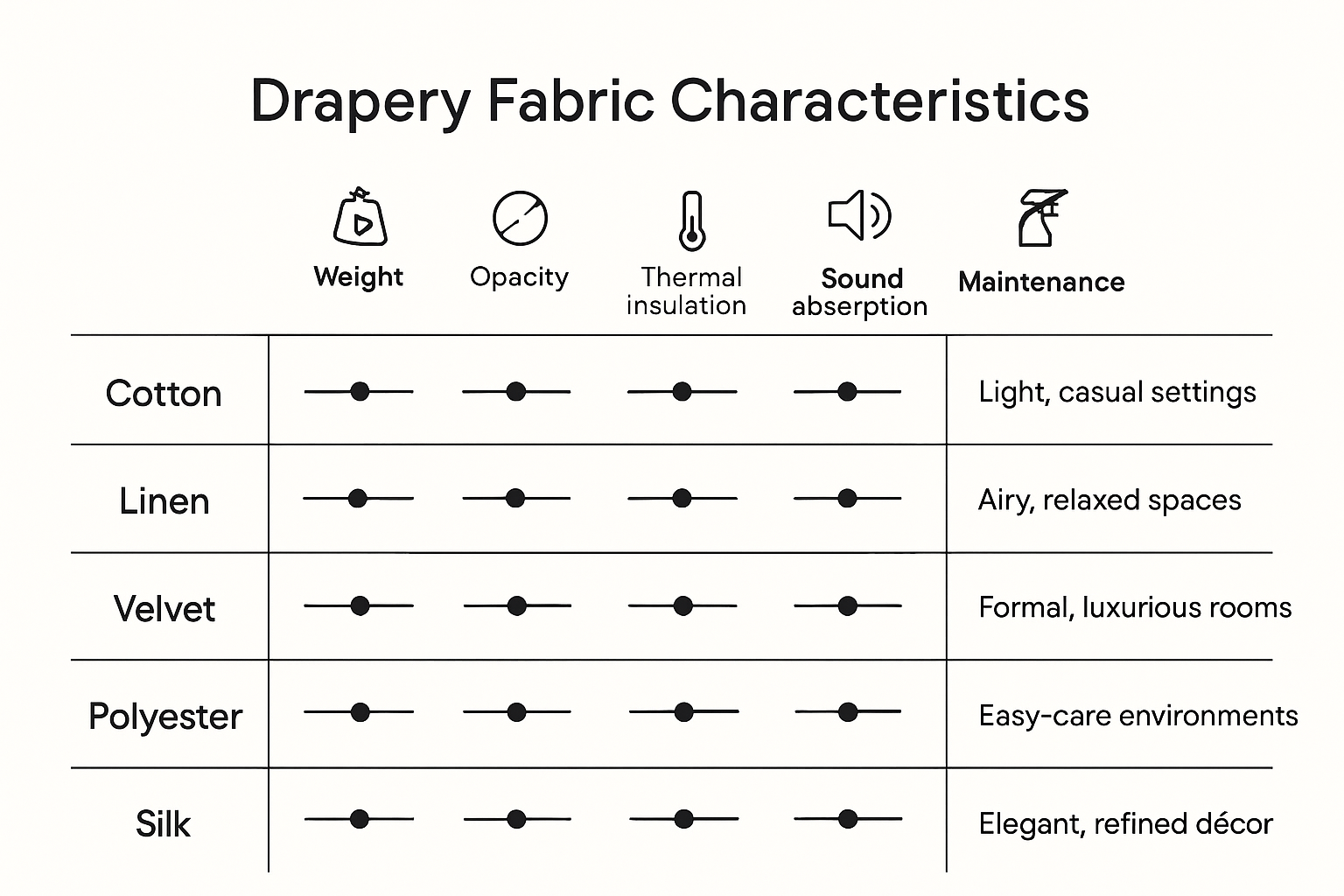
Designers evaluate drapery fabrics through complex performance lenses that extend beyond surface aesthetic qualities. Each textile must demonstrate adaptive capabilities across multiple environmental parameters. Fabric selection involves comprehensive assessments of how materials respond to light, temperature, humidity, and mechanical stress.
Key performance evaluation criteria encompass:
Successful drapery fabric selection emerges from a holistic approach that integrates technical understanding with creative vision. Professionals develop sophisticated decision making frameworks that consider multiple interconnected variables. These frameworks transform fabric selection from a simple aesthetic choice into a strategic design intervention that shapes spatial experiences and user interactions.
Drapery fabrics function as profound psychological interfaces that transform spatial experiences, extending far beyond mere decorative elements. These sophisticated textile solutions actively shape human perception, emotional response, and environmental interactions through intricate sensory mechanisms.
Drapery fabrics act as dynamic psychological modulators, creating nuanced emotional landscapes within interior environments. Their strategic placement and material properties can dramatically alter spatial perception, generating feelings of comfort, openness, intimacy, or sophistication. Professional designers understand that fabric choices represent powerful communication tools that silently influence occupant psychology.
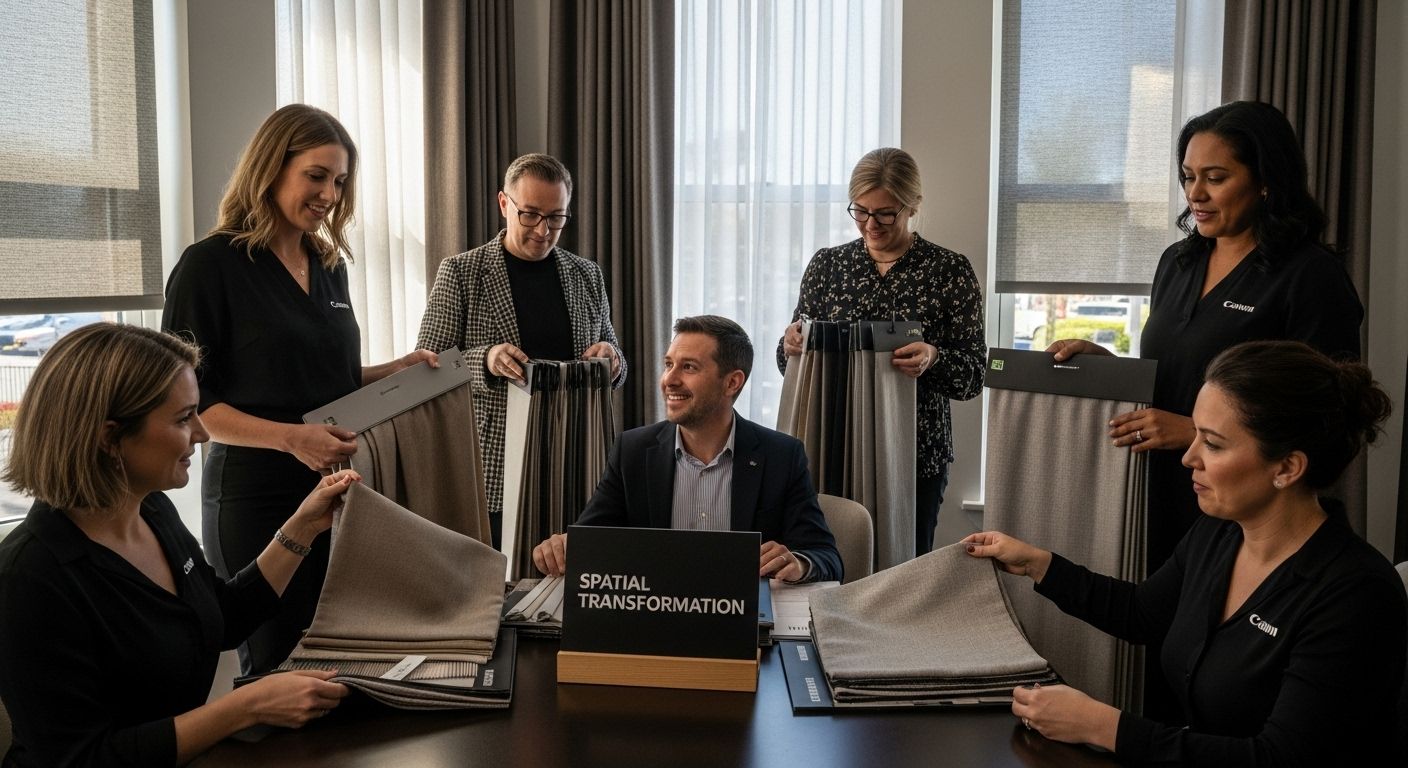
Psychological spatial transformation mechanisms include:
Textile selections trigger complex neurological and emotional responses through multisensory engagement. According to research from the University of Washington, architectural textiles represent sophisticated environmental stimuli that communicate beyond visual aesthetics.
Sensory interaction elements encompass:
Designers strategically leverage drapery fabrics as precision instruments for mood engineering. By understanding material properties and their psychological implications, professionals can craft intentional emotional experiences within spatial contexts. These textile selections become deliberate interventions that shape human perception, transforming interior environments from passive backgrounds into active, responsive psychological landscapes.
Struggling to find the perfect drapery fabric that combines both style and function? If you have ever felt overwhelmed by balancing visual impact, light control, or insulation in your designs, you are not alone. As discussed in the article, the choice of drapery fabric can influence not just a room’s appearance but also mood, comfort, and environmental quality. Designers and DIY enthusiasts alike know how critical it is to pick the right fabric with qualities like exceptional drape, proper weight, and ideal texture.
Do not settle for generic solutions when you can access a curated range tailored for both residential and commercial projects. Discover how our extensive selection at Fabric-Fabric.com addresses your needs, with options for both bulk and individual orders. Shop now for specialized materials—whether you need luxurious velvet, practical polyester, or designer cotton, you will find fabrics engineered for both beauty and performance. Visit Fabric-Fabric.com today and turn knowledge into transformative designs.
Drapery fabrics are specialized textiles designed for creating window coverings, curtains, and decorative elements in interior spaces. They are engineered for unique characteristics that allow them to hang gracefully, control light transmission, and enhance aesthetic appeal.
When selecting drapery fabrics, consider factors like fabric weight, texture, composition, light filtration capabilities, durability, ease of maintenance, and color fastness. These elements affect both the aesthetic and functional performance of the fabrics in your space.
Drapery fabrics play a critical role in shaping the visual appeal of a room. They can create balance, introduce color and texture, soften architectural lines, and establish focal points, significantly altering the perception of the space.
Yes, drapery fabrics can enhance indoor environmental quality by providing thermal insulation, reducing noise transmission, managing light levels, and offering privacy. This can contribute to overall comfort and ambiance within an interior space.