

 Canadian Dollars

Benefits of Wholesale Fabrics for Crafters and Small Businesses
Posted by BLG on 2026 Jun 16th
Posted by BLG on 2026 Jun 16th

TL;DR:
- Buying wholesale fabrics provides significant savings through lower per-yard costs, consistent quality, and reduced waste. Building supplier relationships and planning orders carefully ensure long-term operational stability and better pricing. Proper swatch testing and inventory management are essential to maximize the benefits of wholesale sourcing for small businesses and crafters.
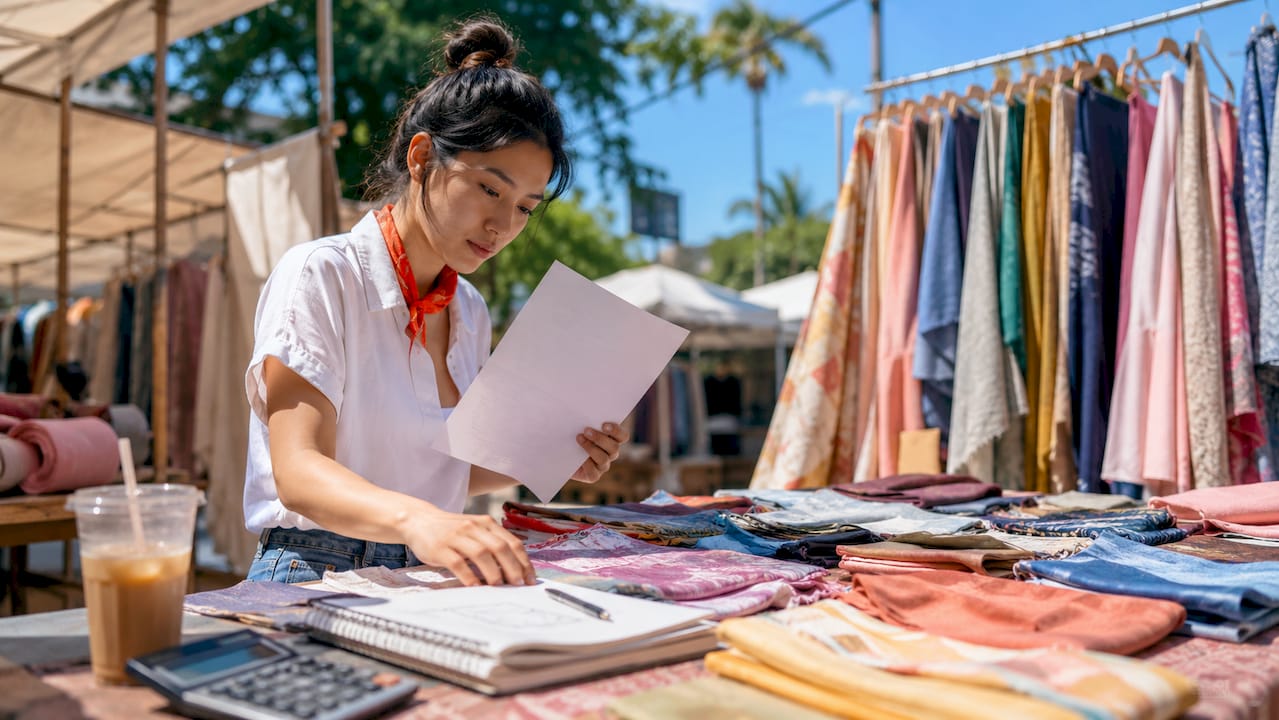
Wholesale fabrics are bulk textiles sold at a lower price per yard than standard retail cuts, giving crafters, fashion designers, and small business owners a direct cost advantage from the first order. The benefits of wholesale fabrics go well beyond price alone. Consistent quality, reliable supply, and reduced waste all compound into real savings over time. Platforms like Fabriclore and My Textile Fabric have built entire buying guides around this model because the math works for anyone who sews, decorates, or designs at scale. If you spend more than a few hundred dollars on fabric each year, buying wholesale is the single most effective change you can make to your materials budget.
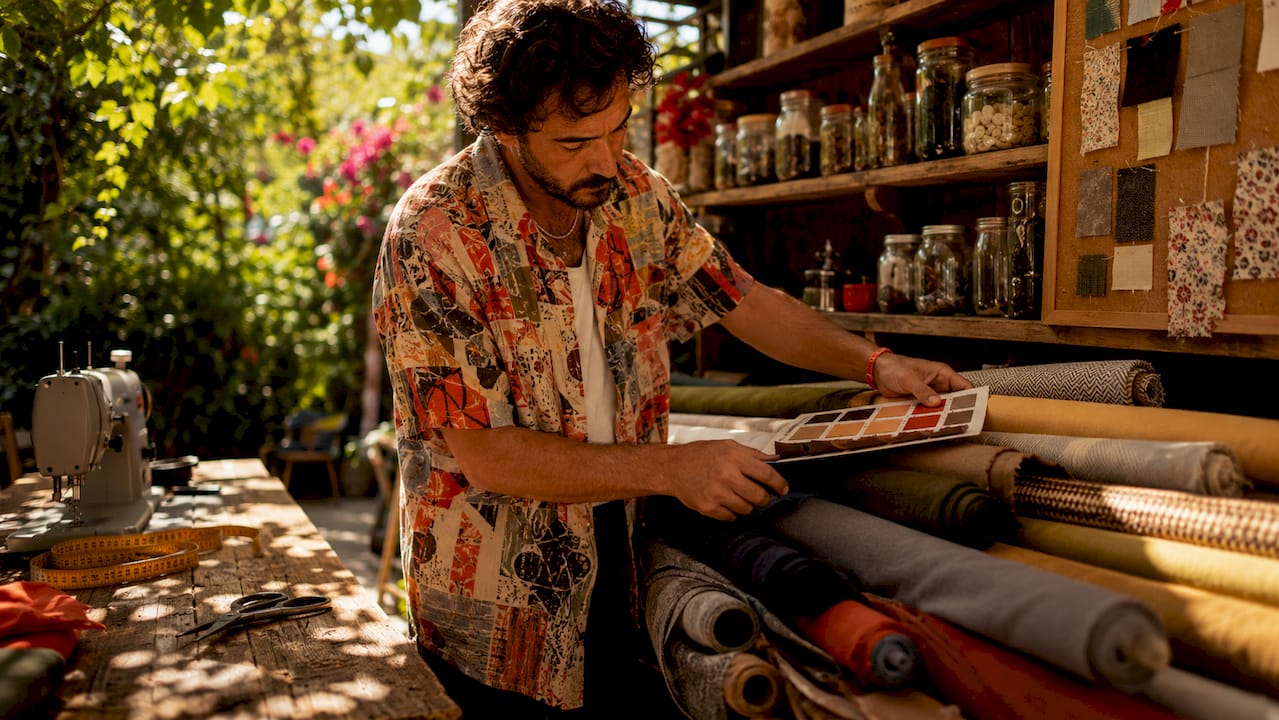
The core wholesale fabric advantage is price per yard. Wholesale pricing is lower per yard than retail across virtually every fabric category, with tiered discounts that deepen as your order volume grows. That means the more you buy, the less each yard costs.
Typical wholesale prices run $3–$15 per yard depending on fabric type and supplier. Retail prices for the same materials often land 40%–60% higher. For a small business cutting 500 yards of cotton per season, that gap adds up to hundreds of dollars in recovered margin.
Tiered pricing is the mechanism that makes this work:
Consolidated orders also cut your shipping costs. Buying 100 yards in one shipment costs far less per yard to ship than placing ten separate 10-yard orders. That logistics saving is a direct addition to your margin.
Pro Tip: Time your bulk orders around end-of-season clearance events. Wholesale suppliers routinely discount slow-moving stock by an additional 15%–30%, and the fabric quality is identical to full-price inventory.
Quality consistency is the benefit most crafters overlook until they experience its absence. Bulk supply maintains uniform quality and color matching across an entire collection, which matters enormously when you are producing multiple garments or decorating a full room.
Retail fabric purchases carry a real risk: dye lots change between bolts, and two yards bought a month apart may not match perfectly. Wholesale buying from a single bolt or production run eliminates that problem. Every yard comes from the same batch.
For boutique owners and designers, this consistency is not a luxury. It is a production requirement. A customer who orders two matching throw pillows expects them to match. A fashion designer showing a six-piece collection needs every piece to read as a cohesive set.
“Wholesale buying is key to maintaining consistent seasonal collections and brand identity for designers and boutiques.” — Sara Fabrics Wholesale Guide
Pro Tip: Build a direct relationship with your wholesale supplier’s account manager. Suppliers prioritize repeat buyers when allocating limited stock from popular fabric runs, which protects your access to consistent materials.
Pre-cut fabric bundles reduce waste by up to 25% compared to traditional cutting. That number reflects real material savings, not just tidier workspaces. Less waste means your cost per finished piece drops even further beyond the wholesale price advantage.
Bulk buying also cuts packaging and logistics waste significantly. Consolidated shipments reduce packaging waste by about 60% compared to multiple smaller orders. For a small business shipping and receiving regularly, that reduction also means less time spent processing deliveries.
Storage planning is the trade-off. Wholesale quantities require dedicated space, and poor planning leads to fabric sitting unused for months. The solution is simple: calculate your monthly yardage consumption before placing an order, then buy 10%–15% above that figure as a buffer. Avoid buying speculative inventory just because the price is attractive.
Pro Tip: Match your minimum order quantity to your next three months of planned projects, not your wishlist. Fabric stored for more than six months ties up cash and risks damage from humidity or pests.
Different fabric types carry different wholesale advantages depending on your project type. The table below covers the most common wholesale fabrics, their typical price ranges, and their best uses.
| Fabric type | Typical wholesale price | Best uses |
|---|---|---|
| Cotton | $3–$7 per yard | Quilting, apparel, home decor |
| Polyester | $2–$6 per yard | Activewear, linings, crafts |
| Silk | $8–$15 per yard | Eveningwear, scarves, luxury decor |
| Tulle | $2–$5 per yard | Bridal, costumes, table decor |
| Burlap | $2–$4 per yard | Rustic decor, event backdrops |
| Upholstery fabric | $5–$12 per yard | Furniture, cushions, drapery |
| Velvet | $6–$14 per yard | Apparel, home decor, accessories |
Cotton and polyester offer the strongest value at wholesale because their retail markups are highest relative to production cost. Silk and velvet deliver the most dramatic per-yard savings in absolute dollar terms when bought in bulk.
Wholesale suppliers often provide custom orders, sample swatches, and flexible pricing for small business buyers. That means you are not locked into a supplier’s standard catalog. You can request specific weights, weaves, or colorways and receive samples before committing to a full order.
For crafters working on DIY projects, exploring bulk fabric for DIY projects can help you identify which fabric types deliver the most value for your specific project type.
Minimum order quantities affect cash flow and storage in ways that catch new wholesale buyers off guard. A supplier requiring a 50-yard minimum on a fabric you only need 20 yards of forces a choice: overbuy or skip the savings. The fix is to plan purchases around projects you have already confirmed, not projects you are considering.
Negotiation is more accessible than most small business owners expect. Here is how to approach it:
Swatch testing before bulk production reduces the risk of receiving unusable inventory. Physical samples let you check color accuracy, hand feel, shrinkage behavior, and drape before you commit thousands of dollars to a full order.
Pro Tip: Always request a minimum of two swatches per fabric: one to test (wash, stretch, cut) and one to keep as a reference standard for quality comparison when your bulk order arrives.
For a deeper look at sourcing strategy, the practical guide to sourcing bulk fabric covers supplier evaluation and quality checks in detail.
Bulk sourcing reduces emergency procurement and improves production stability for anyone running a consistent output of garments, crafts, or home decor pieces. Running out of a key fabric mid-project is expensive in both time and money. Retail restocking is slow, and dye lot matching becomes nearly impossible.
Wholesale buying solves this by giving you a buffer. When you hold 100 yards of a core fabric, you can fulfill orders, complete projects, and handle unexpected demand without stopping production. That reliability has a dollar value that does not show up on a per-yard price comparison but absolutely shows up in your bottom line.
Tiered discounts and sampling support from bulk suppliers also help small businesses scale purchasing as they grow. You do not need to switch suppliers when your volume doubles. You simply move up the discount tier.
The advantages of buying fabrics wholesale compound over time. Each order builds supplier trust, which often translates into priority access to new stock, better payment terms, and faster turnaround on custom requests.
Supplier relationships are the most underrated part of cost-effective fabric sourcing. A supplier who knows your business will alert you to incoming price increases, reserve stock from popular runs, and work with you on payment terms during slow seasons. None of that appears in a catalog price.
The practical steps are straightforward. Place consistent orders rather than sporadic large ones. Pay on time. Communicate your upcoming project pipeline so your supplier can plan production. These behaviors signal that you are a reliable buyer, and reliable buyers get preferential treatment.
Quality control and reliable supplier partnerships drive operational success in bulk fabric sourcing more than price alone. A slightly higher per-yard price from a supplier with consistent quality and reliable lead times is almost always worth more than the cheapest option with unpredictable delivery.
For crafters and small businesses building their first wholesale relationships, the guide to maximizing fabric savings offers a practical framework for evaluating and approaching suppliers.
Buying wholesale fabrics delivers compounding advantages across cost, quality, and operations. The biggest gains come from combining lower per-yard pricing with consistent supply and reduced waste.
| Point | Details |
|---|---|
| Lower per-yard cost | Wholesale pricing beats retail across all fabric types, with deeper discounts at higher volumes. |
| Quality consistency | Buying from a single production run eliminates dye lot mismatches across projects. |
| Waste reduction | Pre-cut bundles cut material waste by up to 25%, lowering your real cost per finished piece. |
| Production stability | Holding a fabric buffer eliminates emergency restocking and keeps projects on schedule. |
| Supplier relationships | Consistent ordering builds trust that translates into priority stock access and better terms. |
I have watched crafters and small business owners make the same mistake repeatedly: they treat wholesale fabric buying as a one-time cost decision rather than a sourcing strategy. They find a cheap price, place a large order without swatching, and end up with 80 yards of fabric that does not behave the way they expected. That is not a wholesale problem. That is a planning problem.
The suppliers worth staying with are not always the cheapest. They are the ones who ship samples quickly, answer questions honestly, and tell you when a fabric is not right for your intended use. I have paid slightly more per yard from a supplier like that and come out ahead every single time because I never had to eat a bad bulk order.
Inventory management is the other discipline most buyers skip. Buying 200 yards because the price is great makes no sense if you only use 40 yards per month and you do not have climate-controlled storage. Fabric degrades. Moths are real. Humidity warps hand feel. Buy what you will use within a reasonable window, and reinvest the savings from your next order rather than tying up capital in a fabric stockroom.
The bottom line is this: the benefits of buying fabrics wholesale are real and significant, but they require you to do the work upfront. Swatch first. Plan your quantities. Build the relationship. Do those three things and wholesale buying will be one of the best financial decisions you make for your craft or business.
— kev
Fabric-fabric carries a wide selection of fabrics suited for home decor, crafting, and fashion projects, with pricing structured to reward buyers who order by the yard in volume. Whether you are outfitting a studio, stocking up for a seasonal collection, or sourcing materials for a one-time large project, the catalog covers everything from velvet and satin to burlap and sequins.

The home decor fabric collection includes affordable options for upholstery, drapery, and decorative projects, with clear pricing and usage guidance for each product. For event designers and photographers, the backdrop fabric selection offers wholesale-friendly pricing on materials built for high-visibility use. Free shipping thresholds and seasonal promotions make it straightforward to hit the order volumes where the real savings begin.
Wholesale fabrics offer lower per-yard pricing than retail, consistent quality across a production run, and reduced shipping costs through consolidated orders. These advantages compound for anyone producing garments, home decor, or craft projects at regular volume.
Wholesale fabric typically runs 40%–60% below retail price per yard, with deeper discounts available at higher order volumes through tiered pricing structures.
A minimum order quantity (MOQ) is the smallest yardage a supplier will sell at wholesale pricing. MOQs affect cash flow and storage, so buyers should align order size with confirmed project needs rather than speculative demand.
Yes. Swatch testing before bulk orders lets you verify color accuracy, shrinkage behavior, and hand feel before committing to a large purchase. Request at least two swatches per fabric so you can test one and keep one as a reference.
Cotton and polyester deliver the strongest wholesale value because retail markups on these fabrics are highest relative to their production cost. Silk and velvet offer the largest absolute dollar savings per yard when purchased in bulk.