

 US Dollar

Why Buy in Bulk: Maximizing Fabric Savings and Value
Posted by BLG on 2025 Dec 27th
Posted by BLG on 2025 Dec 27th

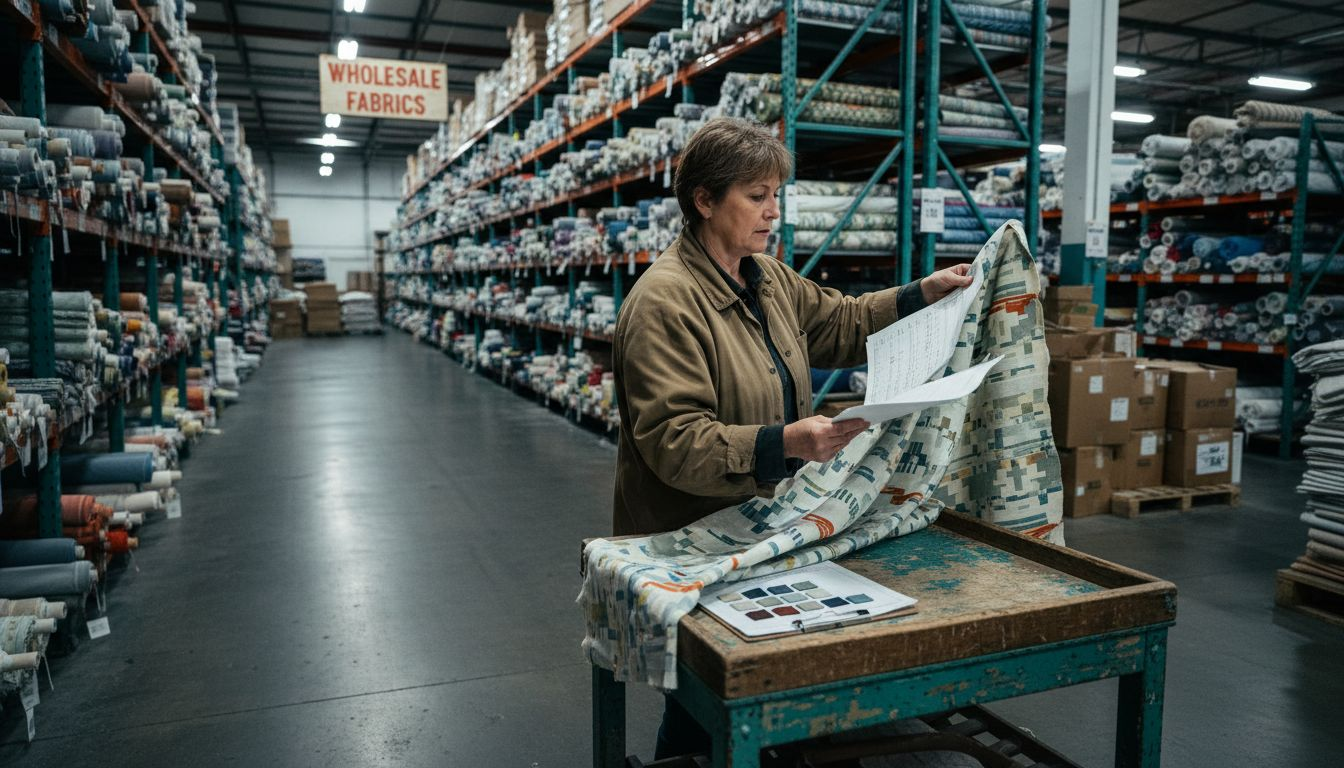
More than 60 percent of American crafters say fabric quality and price drive their project choices. For quilters and DIY creators across North America, sourcing material by the yard often means watching budgets shrink with every trip to local shops. Bulk fabric buying unlocks a smarter path for those seeking cost-effective solutions and greater creative freedom. This guide explains how to make bulk purchasing work for your projects and avoid common pitfalls that waste money and resources.
| Point | Details |
|---|---|
| Understanding Bulk Purchasing | Bulk buying offers reduced prices on larger quantities, beneficial for projects needing consistent fabric supplies. |
| Evaluate Fabric Types | Different fabric compositions impact pricing and usage; choose wisely based on project requirements. |
| Plan Project Timelines | Align bulk purchases with project schedules to maximize efficiency and minimize waste during production. |
| Avoid Common Mistakes | Thoroughly research fabric specifications and total costs, including shipping, to prevent budget pitfalls. |
Fabric shopping for large-scale projects demands strategic planning and understanding of wholesale purchasing dynamics. When crafters and quilters need substantial material quantities, bulk buying transforms from a simple purchasing decision into a nuanced art of cost management and resource optimization.
Understanding bulk fabric purchasing requires recognizing the fundamental difference between retail and wholesale transactions. Wholesale fabric buying involves acquiring significantly larger fabric quantities at reduced per-unit prices, enabling creators to access materials more economically. This approach proves particularly advantageous for quilters, costume designers, and home decor enthusiasts who frequently require consistent fabric supplies for multiple projects.
Successful bulk fabric procurement involves several critical considerations. Fabric shoppers must evaluate material quality, understand minimum order quantities, assess shipping costs, and compare prices across multiple suppliers. Experienced creators often develop relationships with specific wholesalers who consistently provide high-quality textiles matching their specific project requirements. Tracking fabric compositions, weave types, and color consistency becomes paramount when purchasing in substantial volumes.
Pro tip: Before committing to a bulk fabric purchase, always request fabric swatches to verify color, texture, and quality, preventing potentially costly mismatches in your creative projects.
Creative projects demand strategic fabric selection, and understanding the diverse landscape of bulk textile purchases can dramatically impact project success and cost-effectiveness. Different fabric types offer unique characteristics that influence purchasing decisions for crafters, designers, and manufacturers alike.
Fabric composition plays a critical role in bulk purchasing strategies. Comparing fabric types reveals distinct categories that significantly affect pricing and performance. Natural fibers like cotton and linen, synthetic materials such as polyester, and blended textiles each present unique advantages for bulk buyers. Cotton remains popular for its breathability and versatility, while polyester offers durability and wrinkle resistance. Blended fabrics combine the best attributes of multiple fiber types, providing creators with more nuanced material options.
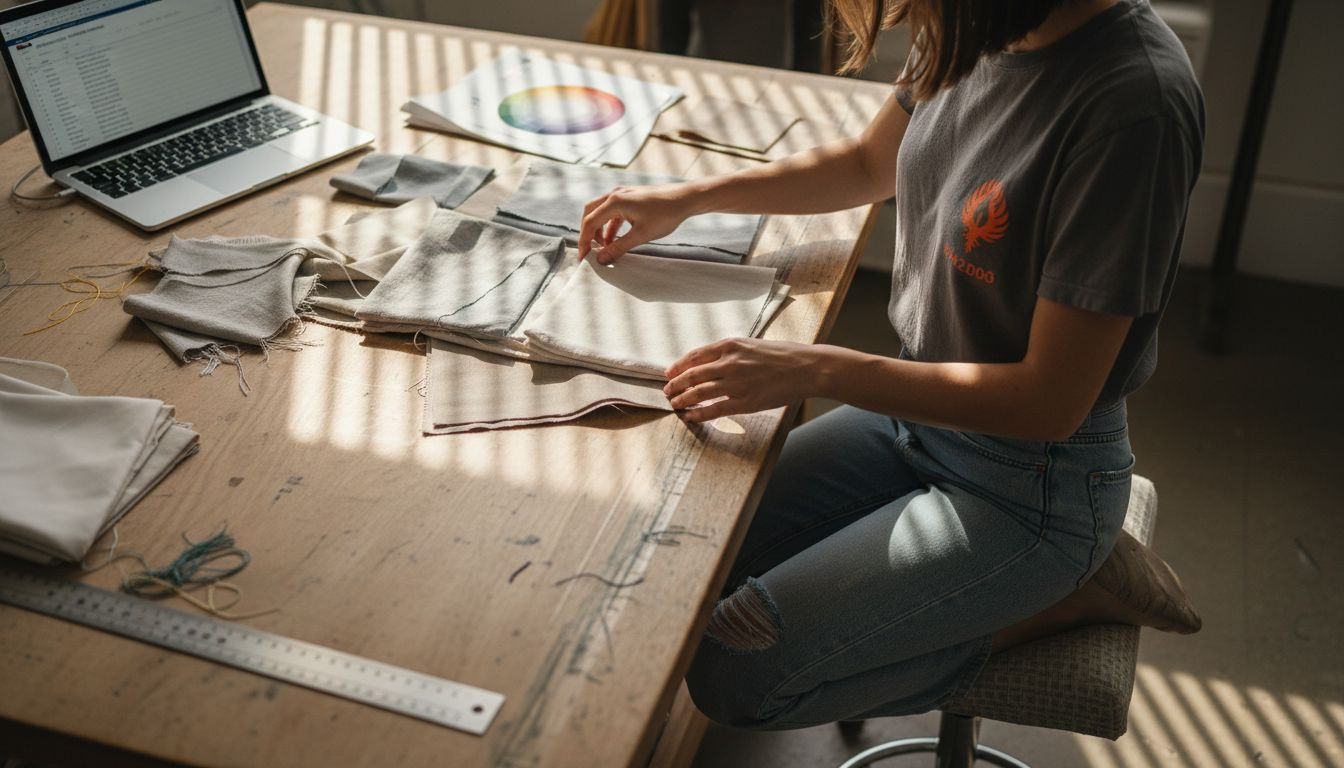
When considering bulk fabric purchases, crafters must evaluate multiple factors beyond simple material composition. Specialized fabrics like wool, silk, denim, and performance synthetics serve specific project needs. Quilters might prioritize cotton’s softness, while costume designers could seek stretch fabrics like spandex blends. Industrial creators often require robust materials with specific performance characteristics, making a comprehensive understanding of fabric types essential for making informed bulk purchasing decisions.
Here’s a quick comparison of popular fabric types for bulk purchases:
| Fabric Type | Main Advantages | Typical Uses | Price Range (per yard) |
|---|---|---|---|
| Cotton | Breathable, easy to dye | Quilting, apparel | $4 – $12 |
| Polyester | Durable, resists wrinkling | Costumes, home decor | $2 – $8 |
| Linen | Natural, highly absorbent | Summer clothing, drapery | $7 – $18 |
| Blends | Combines fibers’ strengths | Versatile, multi-purpose | $5 – $15 |
| Wool | Warm, moisture-wicking | Coats, upholstery | $10 – $25 |
| Silk | Luxurious, strong, shiny | Formalwear, lingerie | $15 – $40 |
Pro tip: Always request fabric samples and conduct small-scale tests before committing to large bulk orders to ensure the material meets your precise project requirements.
Successful creative projects demand meticulous planning, with bulk fabric orders serving as a critical foundation for efficient workflow and resource management. Understanding how these large-scale purchases intersect with project timelines and operational strategies can mean the difference between smooth execution and logistical challenges.
Production planning in textile projects requires sophisticated coordination between material procurement, scheduling, and workflow optimization. Bulk orders fundamentally reshape project planning by introducing economies of scale that impact everything from initial material selection to final product development. Designers and manufacturers must carefully assess order quantities, anticipate material requirements, and align bulk purchases with specific project milestones to maximize efficiency and minimize waste.
The strategic implications of bulk fabric ordering extend beyond simple cost savings. Complex projects involving multiple fabric types, intricate design requirements, and tight deadlines demand precise inventory management and forward-thinking procurement strategies. Textile creators must balance lead times, seasonal demand fluctuations, and material availability when planning bulk orders. This approach requires a holistic view of project requirements, considering factors like fabric composition, color consistency, and potential variations in material quality that could impact overall project outcomes.
Pro tip: Create a comprehensive project timeline that integrates bulk fabric order lead times, allowing for potential shipping delays and quality inspection periods to prevent last-minute production bottlenecks.
Bulk fabric purchasing represents more than a simple cost-cutting strategy—it’s a comprehensive approach to resource management that can transform how creators and manufacturers approach textile production. Understanding the financial and environmental implications of strategic bulk ordering is crucial for both economic and sustainable project planning.
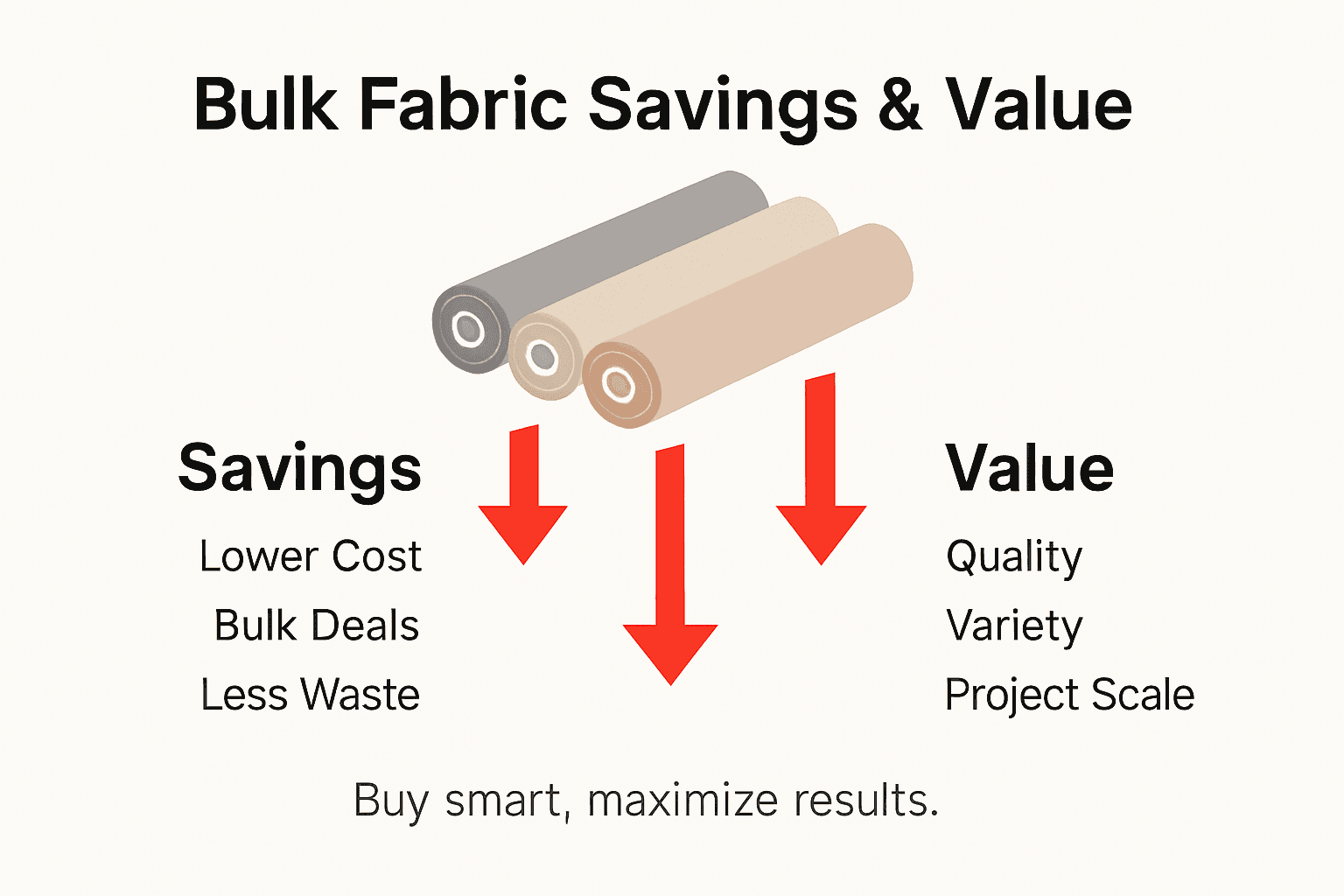
Innovative approaches to circular economy strategies reveal substantial benefits of bulk fabric purchasing beyond immediate cost savings. Manufacturers and crafters can significantly reduce material waste, lower per-unit costs, and minimize their environmental footprint through intelligent bulk procurement. By purchasing larger quantities, buyers can negotiate better pricing, reduce packaging waste, and optimize inventory management, creating a more streamlined and cost-effective production process.
The economic advantages of bulk fabric ordering extend far beyond simple price reductions. Strategic bulk purchases enable creators to stabilize material costs, hedge against market fluctuations, and develop more predictable budgeting models. Textile professionals who implement data-driven procurement strategies can achieve remarkable efficiency, with some studies indicating potential waste reduction of up to 30% and cost savings ranging from 15% to 25% compared to traditional purchasing methods. These savings stem from reduced shipping costs, bulk pricing discounts, and more efficient inventory management.
Below is a summary of financial and operational benefits from bulk fabric buying:
| Benefit Category | Description | Typical Impact |
|---|---|---|
| Cost Savings | Lower per-yard price, bulk discounts | 15% – 25% saved |
| Waste Reduction | Less packaging, reduced leftover fabric | Up to 30% less waste |
| Inventory Efficiency | Fewer reorders, predictable budgeting | Streamlined operations |
| Environmental Footprint | Less transport, reduced resource usage | Improved sustainability |
Pro tip: Calculate your potential savings by comparing per-yard prices between bulk and retail purchases, factoring in shipping costs and long-term project requirements to determine the most economical purchasing strategy.
Bulk fabric purchasing represents a strategic approach to material acquisition, but without careful planning, creators can fall into costly pitfalls that undermine their economic and creative objectives. Understanding common mistakes helps crafters and designers make more informed purchasing decisions that protect their budget and project quality.
One of the most critical errors is failing to thoroughly research and understand fabric specifications before committing to large orders. Inexperienced buyers often overlook crucial details like fabric weight, fiber composition, shrinkage rates, and color consistency. These oversights can lead to significant challenges during project implementation, resulting in wasted materials, unexpected color variations, and potential project failures that far outweigh any initial cost savings.
Financial miscalculations represent another substantial risk in bulk fabric purchasing. Many creators mistakenly focus solely on per-yard pricing without considering additional expenses such as shipping costs, potential import duties, storage requirements, and minimum order quantities. These hidden expenses can quickly erode anticipated savings, transforming what seemed like a smart economic decision into a financial burden. Experienced textile professionals recommend developing comprehensive cost models that account for all potential expenses and factor in realistic project timelines and material requirements.
Pro tip: Create a detailed spreadsheet comparing total costs, including shipping, potential waste, and storage expenses, before finalizing any bulk fabric purchase to ensure true economic advantage.
Buying fabric in bulk offers incredible savings and efficiency but requires careful planning to avoid costly mistakes like inconsistent colors or unexpected fees. If you want to take advantage of lower prices while ensuring fabric quality and timely delivery, it is essential to partner with a trusted supplier who supports your creative goals with transparent pricing and reliable service.
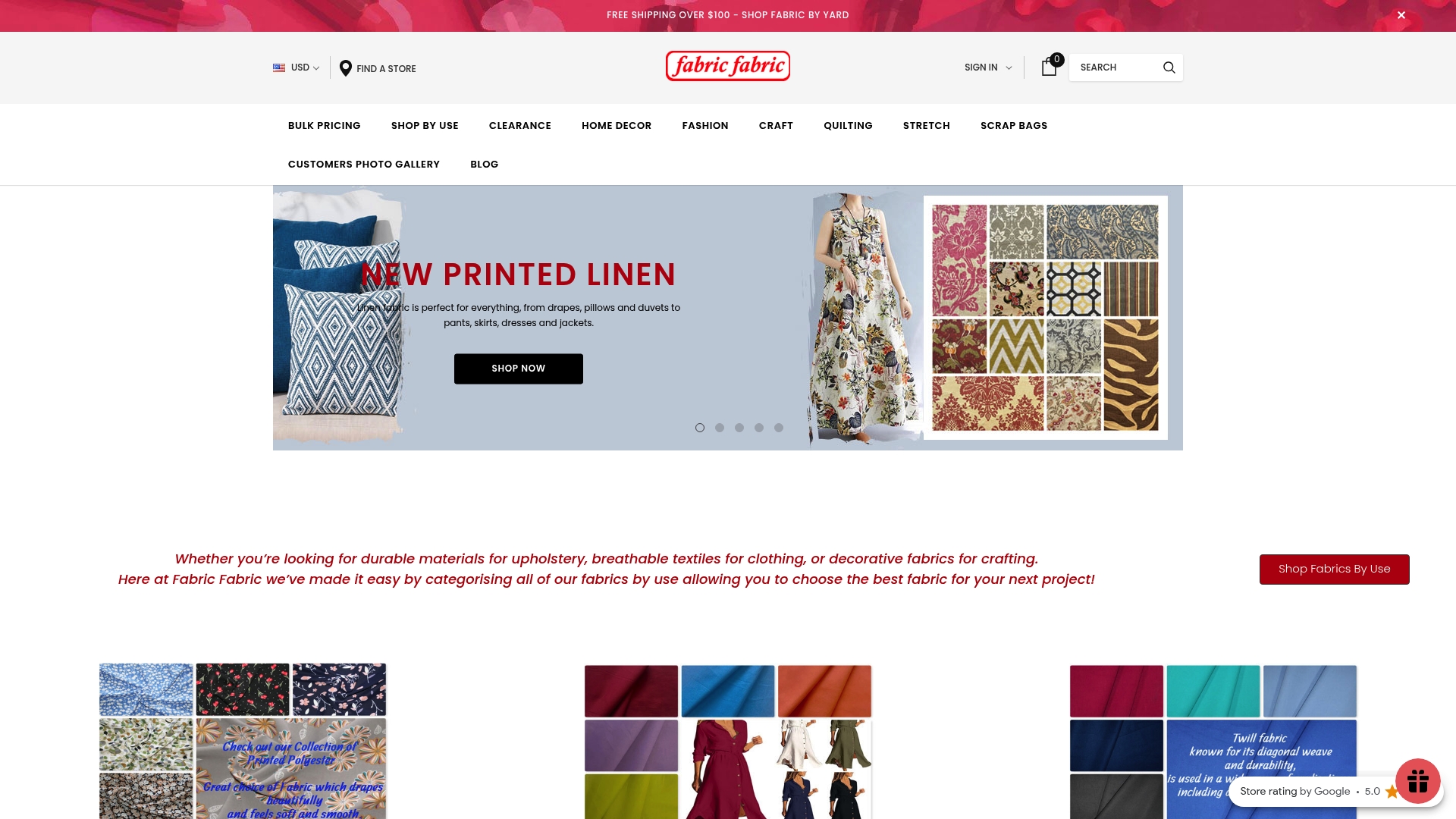
Explore a wide selection of fabrics perfect for quilting, apparel, home decor, and crafts on Fabric-Fabric. Our user-friendly platform provides detailed product information and clear pricing so you can confidently place bulk orders with minimal risk. Take advantage of our regular promotions and free shipping thresholds to stretch your budget even further. Start planning your next project with us today and experience how buying in bulk can transform your creative workflow and cost management.
Buying fabric in bulk offers significant cost savings due to lower per-unit prices, reduces packaging waste, and enhances inventory management for larger projects.
Request fabric swatches to verify color, texture, and quality, and conduct small-scale tests to ensure the material meets your project requirements.
Consider the fabric’s composition, performance characteristics, and suitability for your specific projects, such as durability, breathability, and texture.
Bulk buying can streamline project timelines by ensuring consistent material supply, but it requires meticulous planning to account for lead times, shipping delays, and quality checks.