

 US Dollar

Wholesale Fabric Explained: Sourcing, Types, Costs
Posted by BLG on 2025 Oct 29th
Posted by BLG on 2025 Oct 29th

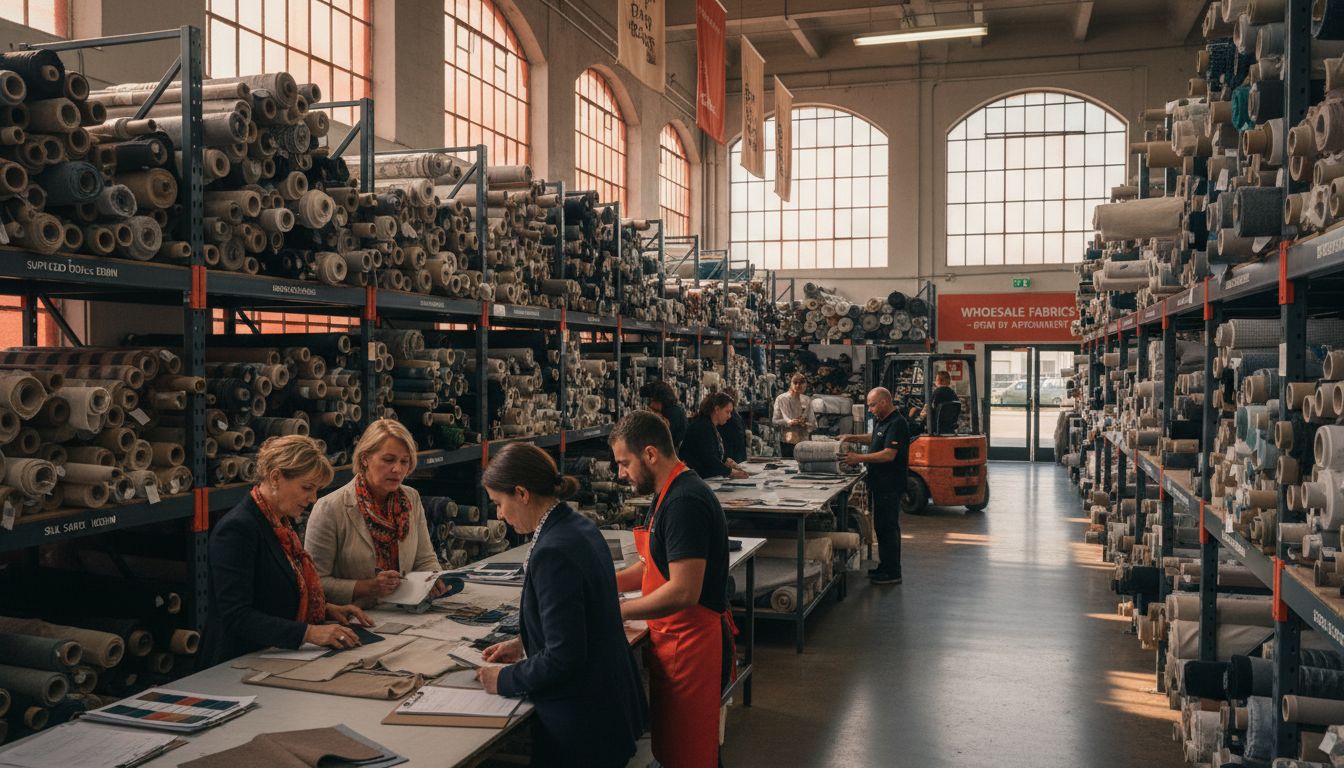
Did you know that the global textile industry moves over 100 million tons of fiber every year? Wholesale fabric forms the vital link that connects farmers, factories, and creative professionals around the world. For anyone working with textiles, understanding the basics of wholesale fabric can help you make smarter choices, avoid common pitfalls, and find high-quality materials for any project.
| Point | Details |
|---|---|
| Wholesale Fabric Market | Represents the essential supply chain that connects raw materials to manufacturing, emphasizing bulk purchasing and lower pricing. |
| Fabric Types and Characteristics | Key types include natural, synthetic, and blended fabrics, each with unique features suited for various applications. |
| Supply Chain Understanding | The transformation of fibers into fabrics involves critical processes like spinning, weaving, and finishing, impacting final product quality. |
| Sourcing Effectively | Successful procurement requires careful consideration of fiber content, minimum order quantities, and solid supplier relationships to avoid costly mistakes. |
Wholesale fabric represents the backbone of textile commerce, where substantial quantities of fabric are distributed to manufacturers, retailers, and businesses across various industries. According to research from the National Academies Press, wholesale fabric encompasses a complex process involving spinning fibers into yarns, transforming these yarns through weaving or knitting, and ultimately finishing fabrics for specific applications.
The textile industry categorizes wholesale fabrics through multiple critical dimensions. Fiber content serves as a primary classification method, distinguishing between natural fibers like cotton and wool, synthetic materials, and innovative blends. As documented by the USDA Economic Research Service, these categorizations are fundamental to understanding trade dynamics and intricate supply chain mechanisms within the global textile market.

Wholesale fabric trading involves several key characteristics that distinguish it from retail fabric purchasing:
For crafters, designers, and small business owners, understanding wholesale fabric means recognizing an ecosystem where textiles transform from raw materials into versatile products. The wholesale market serves as a critical bridge connecting raw fiber production with the creative and manufacturing sectors that bring innovative textile products to life.
The wholesale fabric market offers an extensive array of textiles, each with unique characteristics and specialized applications. According to research from the American Textile History Museum, notable fabric types include Chino cloth, Charmeuse, Organdie, and Drill, demonstrating the remarkable diversity within textile production.
Weave and knit structures fundamentally define fabric properties and performance. As documented by the Utah Education Network, fabric types are primarily categorized through two core production methods: weaving and knitting. Weave structures like plain, twill, and satin offer distinct textures and strengths, while knit structures including warp and weft knits provide different stretch and drape characteristics.
Key wholesale fabric types can be broadly classified into several essential categories:
Natural Fiber Fabrics
Synthetic Fiber Fabrics
Blended Fabrics
For designers, crafters, and manufacturers, understanding these fabric types means selecting the perfect material for specific project requirements, balancing aesthetic appeal with functional performance.
Here’s a summary of key wholesale fabric types and their main characteristics:
| Fabric Type | Key Features | Typical Applications |
|---|---|---|
| Cotton (Natural) | Breathable Soft Versatile |
Apparel Home textiles |
| Wool (Natural) | Warm Durable Good insulation |
Suits Outerwear Blankets |
| Silk (Natural) | Luxurious Smooth Lightweight |
Dresses Lingerie Scarves |
| Polyester (Synthetic) | Wrinkle-resistant Quick-drying |
Sportswear Linings Furnishings |
| Nylon (Synthetic) | Strong Elastic Abrasion-resistant |
Activewear Luggage Upholstery |
| Acrylic (Synthetic) | Soft Lightweight Wool-like warmth |
Sweaters Blankets Hats |
| Cotton-Poly Blend | Comfortable Durable Easy-care |
T-shirts Uniforms Bedding |
| Wool-Synthetic Blend | Enhanced strength Improved wear |
Tailored garments Uniforms |
The wholesale fabric supply chain is a complex and intricate process that transforms raw fibers into finished textiles ready for manufacturing and design. According to research from the National Academies Press, the supply chain involves multiple critical stages, each contributing to the fabric’s final quality and characteristics.
The journey begins with fiber production, where raw materials like cotton, wool, or synthetic fibers are harvested or manufactured. Bangla Encyclopedia documents that specialized textile mills then take these fibers through several sophisticated transformation stages:
Each stage requires precision and expertise. Textile mills utilize advanced machinery like industrial looms and knitting machines to create fabrics with specific textures, strengths, and characteristics. The process demands technical skill and understanding of how different fibers, spinning techniques, and weaving methods impact the final textile product.
For businesses and designers, understanding this supply chain means recognizing the intricate journey from raw fiber to finished fabric. It involves complex interactions between agricultural producers, textile manufacturers, processors, and distributors, creating a global network that supports countless industries from fashion to home decor.
Wholesale fabric pricing is a complex landscape influenced by multiple critical factors. According to research from the National Academies Press, pricing dynamics are determined by intricate elements including fiber type, fabric construction, and specialized finishing processes. These variables create a nuanced pricing structure that can significantly impact purchasing decisions for businesses and designers.
The USDA Economic Research Service highlights that effective sourcing requires comprehensive evaluation of several key considerations:
Fiber Content
Minimum Order Quantities (MOQs)
Sourcing Factors
Navigating wholesale fabric sourcing requires strategic planning. Businesses must balance cost considerations with quality requirements, understanding that lower prices can sometimes indicate compromised fabric performance. Developing relationships with reliable suppliers, negotiating volume discounts, and understanding market trends are crucial for making informed purchasing decisions that align with project budgets and quality standards.
Navigating the wholesale fabric market requires strategic awareness and careful decision-making. According to research from the Utah Education Network, many buyers make critical errors by not fully understanding fabric properties and their implications for specific project requirements. Selecting materials without comprehensive knowledge can lead to costly mistakes and project failures.
The National Academies Press emphasizes the importance of quality control and supplier reliability, highlighting several key areas where buyers frequently encounter challenges:
Fabric Selection Errors
Sourcing and Purchasing Mistakes
Financial and Logistical Pitfalls
Experienced buyers develop a critical eye for detail, understanding that successful wholesale fabric procurement goes beyond price. It requires a holistic approach that considers fabric performance, supplier reputation, and long-term project requirements. Investing time in research, requesting comprehensive samples, and building relationships with reliable suppliers can dramatically reduce the risk of costly purchasing mistakes.
Navigating the wholesale fabric market can be overwhelming with so many fiber types, pricing structures, and minimum order quantities to consider. If you are looking for a reliable source that simplifies your sourcing process while offering diverse options like cotton, silk, polyester, and blends, you are in the right place. Understanding the importance of fabric performance and supplier reliability is crucial, but finding a trusted online retailer that matches these needs is equally important.
Explore our extensive fabric collection designed for apparel, crafts, and home decor projects with clear descriptions and competitive pricing. Start your next project confidently knowing you can access quality fabrics with user-friendly tools to support your buying decisions. Don’t wait to get the perfect fabric for your designs and enjoy seasonal discounts and free shipping offers by shopping today at fabric-fabric.com.
Wholesale fabric refers to the bulk distribution of textiles to manufacturers, retailers, and businesses, involving large volume purchases at reduced prices compared to retail.
The primary types of wholesale fabric include natural fiber fabrics (like cotton, wool, and silk), synthetic fiber fabrics (such as polyester, nylon, and acrylic), and blended fabrics that combine different materials for enhanced properties.
The wholesale fabric supply chain begins with fiber production, followed by spinning, weaving or knitting, and finishing processes that transform raw fibers into the final fabric products, involving various specialized stages and technical skills.
Wholesale fabric pricing is influenced by factors such as fiber content, fabric construction, minimum order quantities, and current market dynamics, making it essential for buyers to evaluate these aspects for effective sourcing.
IN FABRIC FABRIC WE SELL WHOLESALE PRICE.
We have access to textile mills all over the world. please contact us for more information.
The item we have been selling are printed polyester Koshibo, check shirting and sheeting poly cotton plain
and printed, denim and bull Denim, Linen fabric, Melton Wool.
We ship our remnent to africa and caribian countries.
fabric-fabric.com located Toronto
We are number one fabric warehouse store that has all kind of fabric in Canda Toronto.