

 Canadian Dollars

What Is Jersey Knit? Versatility for Modern Sewing
Posted by BLG on 2026 Feb 4th
Posted by BLG on 2026 Feb 4th

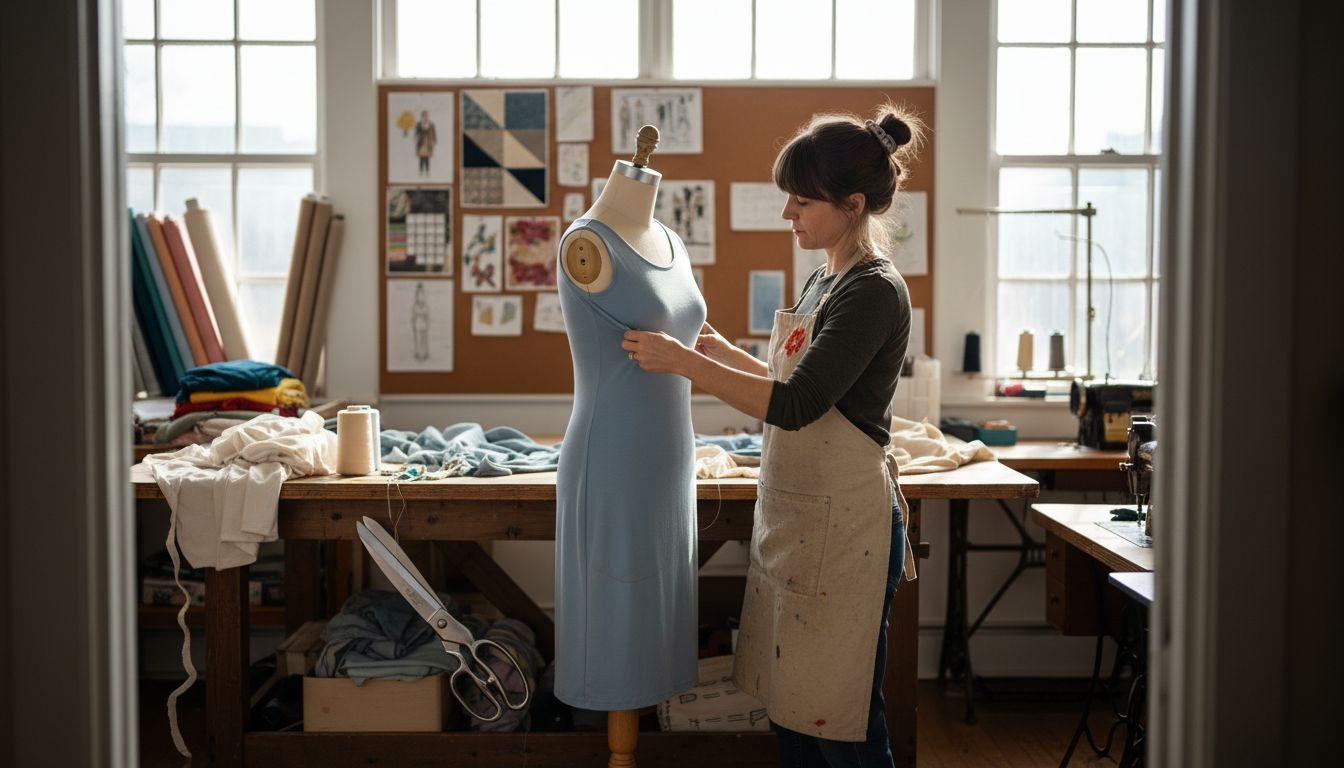
Finding fabric that balances comfort, affordability, and versatility can be a real challenge when you love sewing your own clothes or crafting unique home accents. Jersey knit stands out as a popular choice thanks to its lightweight feel, stretch, and ability to work for everything from T-shirts to pillow covers. Whether you prefer cotton, wool, or easy-care synthetics, this adaptable material offers flexibility for nearly every project. Discover how understanding the basics of jersey knit can help you create stylish, practical pieces on any budget.
| Point | Details |
|---|---|
| Versatile Jersey Knit Fabric | Jersey knit offers exceptional stretch, comfort, and breathability, making it ideal for various sewing projects. |
| Types of Jersey Knit | Single jersey is lightweight and highly stretchy, while double jersey is heavier and more stable, impacting their uses in apparel and home textiles. |
| Performance Factors | The fiber composition significantly affects jersey knit’s properties, influencing comfort, durability, and moisture management for different applications. |
| Sewing Techniques | Proper needle and stitch selection are crucial for successful jersey knit projects to avoid common mistakes and ensure professional results. |
Jersey knit is a versatile fabric that has transformed modern sewing projects with its unique characteristics and adaptable nature. Originating from the Channel Island of Jersey, this textile has evolved from traditional wool compositions to embrace a wide range of fiber technologies.
The fabric is created through a specialized knitting technique that interlocks yarns) into a lightweight, stretchy material. Unlike woven fabrics, jersey knit uses a single needle bed knitting process that produces a smooth, flexible surface with excellent drape and stretch.
Key characteristics of jersey knit include:
Modern jersey knits can be crafted from diverse fibers, ranging from traditional wool and cotton to advanced synthetic polymers like polyester, rayon, and viscose. Polymeric molecules twisted into yarns create the flexible, looped structure that gives jersey its signature elasticity and comfort.
Pro tip: When working with jersey knit, always use a ballpoint or stretch needle to prevent fabric damage and ensure smooth, professional-looking seams.
Jersey knit fabrics offer remarkable versatility through their distinct variations, with single and double knit techniques) creating unique textile characteristics. Each type brings specific advantages to sewing projects, allowing crafters to select the perfect fabric for their design needs.
Single Jersey Characteristics:
Double Jersey Characteristics:
Double knitting techniques create fabrics with exceptional durability and versatility. These advanced knitting methods allow for complex fabric structures that can produce reversible materials with enhanced performance properties.
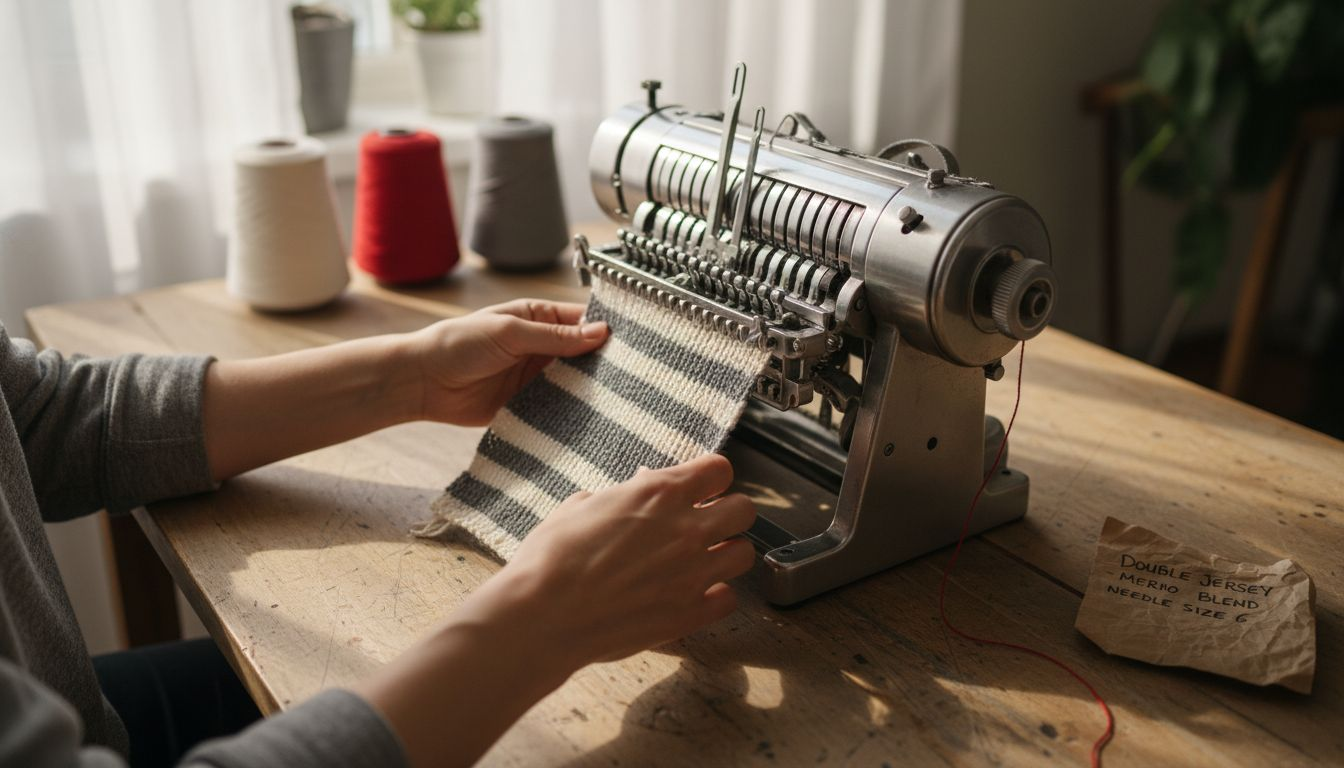
The choice between single and double jersey depends on the specific project requirements, with factors like desired drape, weight, and stretch playing crucial roles in fabric selection.
Here’s a quick reference comparing single and double jersey knit types:
| Jersey Type | Appearance | Weight | Typical Uses |
|---|---|---|---|
| Single Jersey | Smooth front, textured back | Light and thin | T-shirts, dresses |
| Double Jersey | Smooth on both sides | Heavier, stable | Jackets, skirts |
Pro tip: Always test fabric stretch and recovery before starting your project to ensure the jersey knit matches your intended garment design and performance needs.
Jersey knit fabrics have a remarkable range of performance characteristics that make them incredibly versatile for various applications. Fabric structure and fiber composition) play critical roles in determining the overall performance and functionality of these textiles.
Key Performance Characteristics:
Fiber Composition Impact: The choice of fibers dramatically influences jersey knit performance. Natural fibers like cotton provide softness and breathability, while synthetic fibers such as spandex and polyester enhance stretch, durability, and moisture management. Sportswear fabric performance depends significantly on this strategic fiber blending.
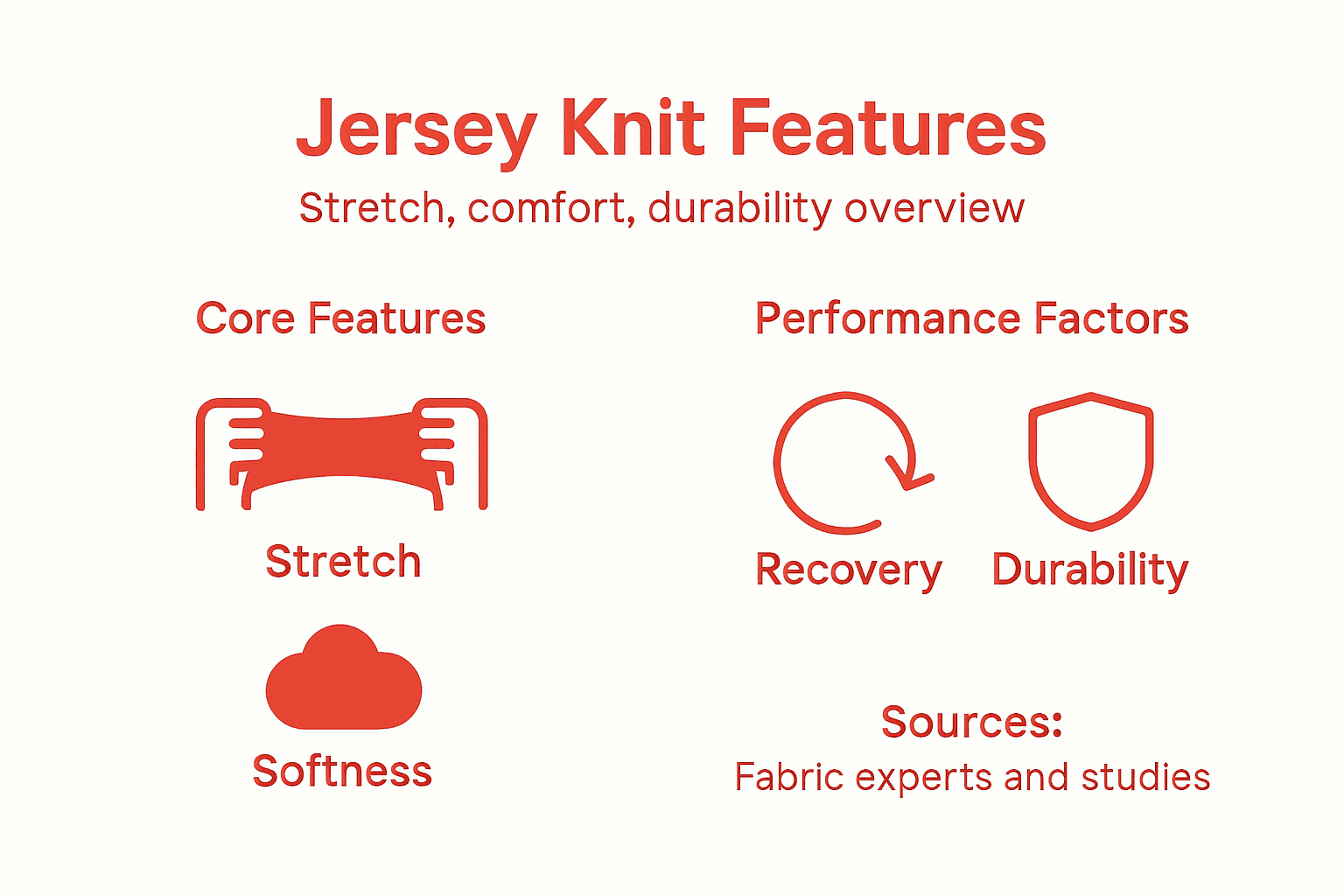
Use this summary to understand how common fibers affect jersey knit performance:
| Fiber Type | Comfort Level | Stretch & Recovery | Durability |
|---|---|---|---|
| Cotton | Soft, breathable | Moderate elasticity | Wears faster |
| Polyester | Smooth, wicks moisture | High, retains shape | Highly durable |
| Spandex/Elastane | Flexible, soft | Exceptional stretch | Long-lasting stretch |
| Wool | Warm, insulating | Some give | Naturally resilient |
Modern jersey knits can be engineered to meet specific performance requirements, from athletic wear that manages moisture and provides compression to casual clothing that offers maximum comfort and ease of movement.
Pro tip: When selecting jersey knit for a project, consider the intended use and prioritize fiber blend and knit structure to achieve optimal performance.
Jersey knit has become a go-to fabric for both fashion and home textile applications) due to its incredible versatility and comfort. From casual wear to home decor, this adaptable material offers sewists and crafters endless creative possibilities.
Apparel Uses:
Home Project Applications:
Home sewing projects benefit significantly from jersey knit’s stretch and softness. Its ability to retain shape and provide comfort makes it an ideal choice for sewists looking to create durable, flexible home textiles.
The fabric’s adaptability allows crafters to transform a single material into multiple project types, from clothing to home decor, making it a versatile staple in any creative workspace.
Pro tip: Always pre-wash jersey knit fabrics to prevent shrinkage and test your stretch stitch settings before beginning your final project.
Jersey knit demands specialized sewing techniques to prevent fabric damage and ensure professional-looking results. Sewing machine settings and fabric handling play critical roles in creating successful jersey knit projects.
Common Jersey Sewing Mistakes:
Critical Sewing Techniques:
Proper needle and stitch selection prevents seam puckering and maintains jersey’s natural drape. Understanding the fabric’s unique characteristics is key to avoiding frustrating sewing errors.
Maintaining consistent tension and using specialized machine feet can transform challenging jersey projects into professional-looking garments that showcase the fabric’s inherent flexibility.
Pro tip: Always purchase extra jersey fabric for testing and practice to build confidence with this versatile material.
If you are looking to master the art of working with jersey knit fabric but struggle with selecting the right type or handling its stretch and recovery properties, you are not alone. This fabric’s unique characteristics demand careful choice and sewing techniques to achieve professional results. Whether your goal is to create comfortable athletic wear, stylish loungewear, or soft home textiles, understanding fabric composition and suitable stitches is key to success.

Unlock your creativity today with our extensive collection of high-quality jersey knits including the versatile Bamboo Cotton Stretch Jersey. Visit fabric-fabric.com to browse fabrics tailored to apparel and home decor projects. Also, complement your sewing with elegant Floral Jacquard Fabric for unique home accents. Start your creative journey now and enjoy expert-approved fabrics delivered to your doorstep.
Jersey knit fabric is a versatile textile made using a specialized knitting technique that interlocks yarns into a lightweight, stretchy material. It originated from the Channel Island of Jersey and is known for its exceptional stretch, soft texture, and breathability.
The main types of jersey knit are single and double jersey. Single jersey is lightweight and highly stretchy, suitable for T-shirts and lightweight garments. Double jersey is heavier, smoother on both sides, and offers more structure, typically used for jackets and skirts.
To sew with jersey knit, use a ballpoint or stretch needle and select narrow zigzag or stretch stitches to prevent fabric damage. Avoid pulling on the fabric while sewing and consider using lightweight stabilizers for better results.
Jersey knit fabric is commonly used for T-shirts, dresses, loungewear, athletic clothing, and nightwear in fashion. For home projects, it’s popular for making fitted bed sheets, pillowcases, lightweight blankets, and cushion covers.