

 US Dollar

Double-Knit Fabrics Explained: Types, Uses, and Benefits
Posted by BLG on 2025 Oct 17th
Posted by BLG on 2025 Oct 17th

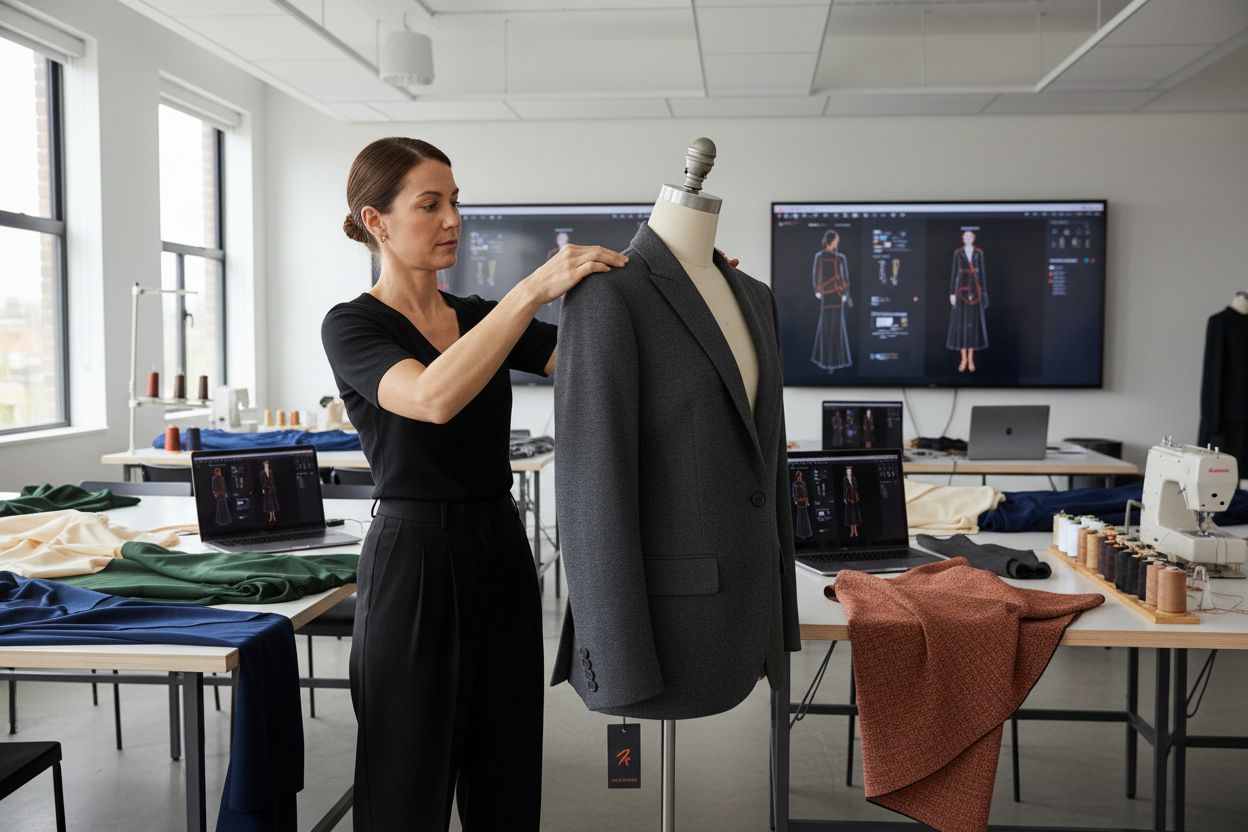
Did you know that double-knit fabrics can maintain their shape and resist wrinkles even after countless wears? This unique textile construction has become a favorite among designers and crafters seeking reliable structure and comfort in garments and home decor. With their impressive stability and versatility, double-knit fabrics offer solutions for everything from professional attire to stylish upholstery, making them an essential choice for creative projects that demand both performance and appeal.
| Point | Details |
|---|---|
| Double-Knit Construction | Double-knit fabrics are created using two sets of needles, resulting in a durable and stable textile that maintains shape and resists wrinkles. |
| Variety of Types | Key types include Jersey, Ponte, Merino Wool, and Jacquard, each offering unique characteristics suitable for different applications. |
| Performance Benefits | These fabrics provide excellent thermal insulation, shape retention, and resistance to stretching, making them ideal for tailored garments and activewear. |
| Maintenance Best Practices | Proper care includes gentle machine washing, low-heat pressing, and specific care for specialty fabrics to maintain their quality and structure. |
Double-knit fabrics represent a sophisticated textile technique that creates a unique, sturdy fabric with remarkable structural integrity. Unlike traditional single-knit fabrics that use a single set of needles, double-knit fabrics are created using two sets of needles simultaneously, resulting in a more complex and stable fabric structure.
The core characteristics of double-knit fabrics make them stand out in the textile world. These fabrics are typically formed using specialized knitting machines that interlock two layers of fabric together, creating a material that is simultaneously thick, resilient, and versatile. Key features include:
What sets double-knit fabrics apart is their exceptional performance across different applications. They maintain shape retention better than single-knit fabrics, making them ideal for structured garments like blazers, pencil skirts, and tailored dresses. The intricate knitting process allows for complex textures and patterns to be integrated directly into the fabric’s structure, providing designers with incredible creative flexibility.
Whether you’re a fashion designer, crafter, or textile enthusiast, understanding double-knit fabrics opens up a world of innovative design possibilities.
Their unique construction offers a perfect blend of durability, comfort, and aesthetic appeal that makes them a standout choice for numerous creative and practical projects.
Double-knit fabrics come in several distinctive variations, each offering unique characteristics and applications for designers and crafters. Jersey double-knit represents the most common and versatile type, characterized by its smooth surface and moderate stretch, making it perfect for everyday clothing like shirts, dresses, and lightweight jackets.
Another prominent category is ponte double-knit, known for its heavier weight and exceptional structure. Ponte fabrics are prized for their:
Merino wool double-knits provide a luxurious alternative, blending the technical advantages of double-knit construction with the natural properties of wool. These fabrics offer superior temperature regulation, moisture-wicking capabilities, and a soft, comfortable feel that makes them exceptional for high-end sportswear and winter clothing.
Specialty double-knit fabrics like jacquard double-knits introduce complex patterns directly into the fabric’s structure, allowing designers to create intricate designs without additional printing or embellishment. From technical performance wear to haute couture fashion, these varied double-knit types demonstrate the incredible versatility and innovation possible within this remarkable textile category.
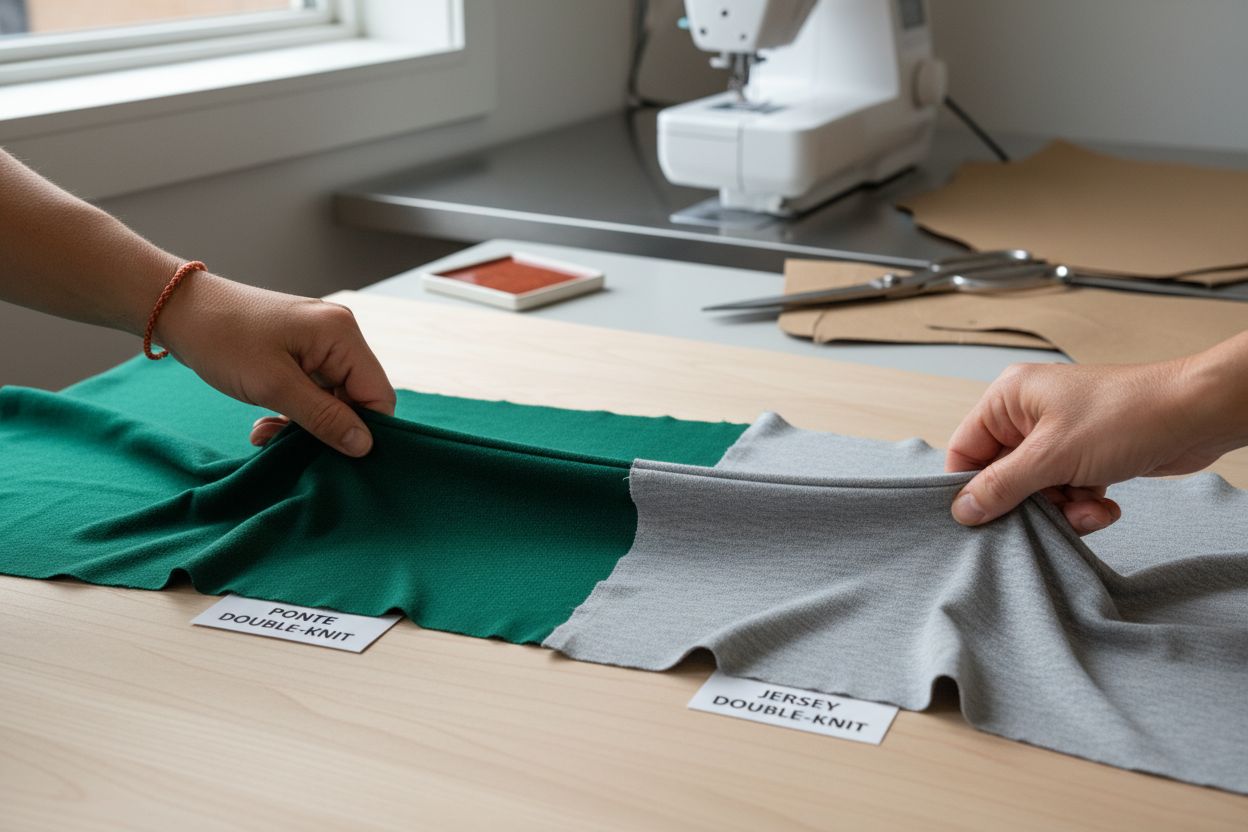
Here’s a summary comparing major double-knit fabric types:
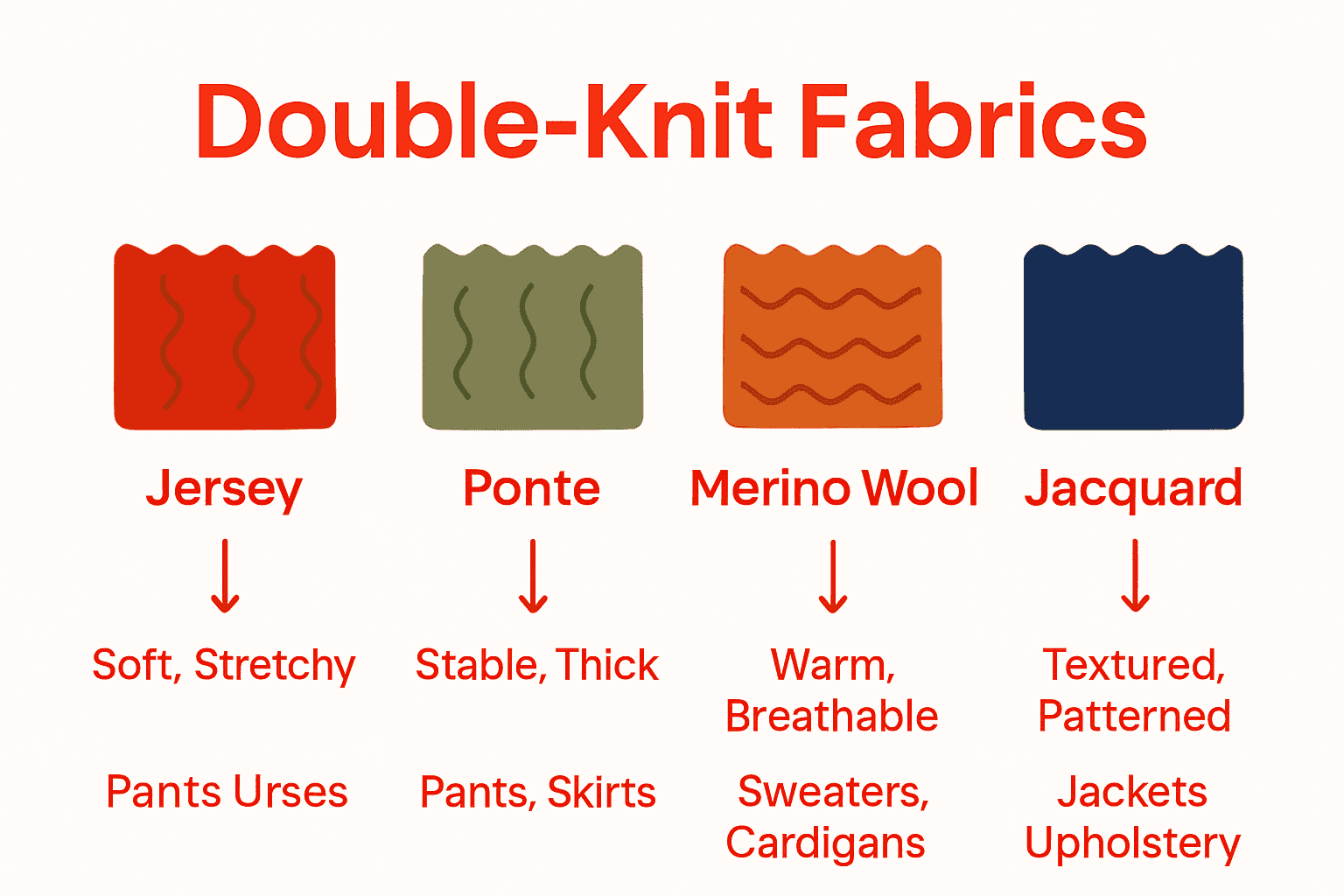
| Type | Weight/Feel | Main Features | Common Uses |
|---|---|---|---|
| Jersey Double-Knit | Light to moderate | Smooth surface Moderate stretch |
Shirts Dresses Jackets |
| Ponte Double-Knit | Heavy, structured | Minimal stretch Shape retention |
Blazers Pencil skirts Pants |
| Merino Wool Double-Knit | Medium, soft | Thermal insulation Moisture-wicking |
Sportswear Winterwear |
| Jacquard Double-Knit | Varies by design | Complex patterns Dense texture |
Fashion garments Performance wear |
According to research from Casual Fabric, double-knit fabrics are remarkable textiles distinguished by their exceptional structural properties. These fabrics are inherently double-faced, offering remarkable stability and stretch resilience that sets them apart from traditional knitted materials. Their unique construction provides a range of performance characteristics that make them invaluable across multiple applications.
The key performance features of double-knit fabrics include:
As explained by Frontier Textile, these fabrics result from complex knitting techniques involving intricate needle interactions across multiple sets. The resulting material yields a dense, stable textile with premium weight and hand feel. This sophisticated construction method creates fabrics with minimal stretch and exceptional recovery, making them ideal for structured garments that require consistent shape and appearance.
Double-knit fabrics excel in versatility, transitioning seamlessly between apparel and home decor applications. Their robust construction provides durability, easy handling, and a structured drape that designers and crafters appreciate. Whether used in tailored blazers, professional workwear, or decorative home textiles, these fabrics consistently deliver high-performance characteristics that blend aesthetic appeal with practical functionality.
According to GMT Textile Publications, double-knit fabrics have become a versatile staple in both professional and casual wardrobes. These fabrics shine particularly in structured clothing pieces that demand precise tailoring and exceptional shape retention. Professional attire like pencil skirts, tailored knit trousers, blazers, and winter dresses benefit immensely from double-knit’s remarkable stability and polished appearance.
In the realm of professional and athletic wear, double-knit fabrics offer unique advantages:
Frontier Textile highlights that double-knit’s robust construction extends beyond apparel into home decor applications. The fabric’s stable drape and resilience make it an excellent choice for decorative elements like throw pillows, lightweight upholstery, and accent pieces. Its ability to maintain shape while providing a sophisticated texture allows designers to create both functional and aesthetically pleasing interior design elements.
From activewear and uniforms to elegant home textiles, double-knit fabrics demonstrate remarkable versatility. Their unique combination of structure, comfort, and aesthetic appeal makes them a go-to material for designers seeking performance and style across multiple domains. Whether you’re crafting a tailored blazer or designing a modern living room accent, double-knit offers a professional, refined solution that combines practicality with visual elegance.
According to eHow, double-knit fabrics require nuanced care that varies depending on their specific fiber composition. While these fabrics generally demonstrate excellent durability, understanding the unique characteristics of different fiber blends is crucial for maintaining their quality and appearance.
Key care and maintenance guidelines include:
As recommended by Red Black Textile, specialty double-knit fabrics like scuba or jacquard require extra attention. Professional cleaning might be necessary to preserve intricate textures and complex construction. When sewing double-knit fabrics, always use ballpoint needles to prevent fabric damage and maintain the integrity of the knit structure.
Common mistakes to avoid include using high heat, which can damage polyester fibers, and aggressive washing techniques that might compromise the fabric’s unique structural properties. Cotton double-knits are particularly prone to shrinkage, so always check specific care labels and follow manufacturer recommendations. By understanding these nuanced care instructions, you can ensure your double-knit garments and textiles remain vibrant, structured, and looking professional for years to come.
Have you ever struggled to find a fabric that maintains crisp structure, resists wrinkles, and brings your creative vision to life? If you have learned from our article how crucial stability and versatility are in double-knit fabrics, now is the perfect time to transform your knowledge into action. At fabric-fabric.com, you will find expertly curated double-knit textiles and many other fabric types, always with detailed product descriptions that make choosing easy and stress-free.
Stop guessing about quality or the right material for your specific needs. Whether you are designing tailored blazers, crafting unique home decor, or selecting performance wear for your next project, fabric-fabric.com offers a vast range of fabrics with practical usage suggestions and clear pricing. Experience the confidence of shopping for premium double-knit materials today and enjoy special seasonal discounts and fast delivery. Visit our home page now and bring your textile projects to a professional level.
Double-knit fabrics are textiles made using two sets of needles, resulting in a sturdy, interlocked structure that offers excellent shape retention and durability compared to single-knit fabrics.
The main types of double-knit fabrics include jersey double-knit, ponte double-knit, merino wool double-knit, and jacquard double-knit, each offering unique characteristics suitable for various applications.
Double-knit fabrics are commonly used in structured clothing like blazers, pencil skirts, and dresses, as well as in home decor items such as throw pillows and lightweight upholstery due to their stability and aesthetic appeal.
Care for double-knit fabrics by machine washing on a gentle cycle with cold water, turning garments inside out, flat drying to maintain shape, and using low-heat pressing or steaming to avoid damage.