

 Canadian Dollars

What Is Cotton Velvet Fabric? Properties and Uses
Posted by BLG on 2026 Jun 4th
Posted by BLG on 2026 Jun 4th

TL;DR:
- Cotton velvet is a dense, plush, natural fabric with a matte finish that resists static and wicks moisture. Its construction involves double-cloth weaving, creating a short pile that varies in density, affecting durability and application. Proper care and placement are essential, as cotton velvet is sensitive to light, stains, and high traffic, making it ideal for decorative and low-use settings.
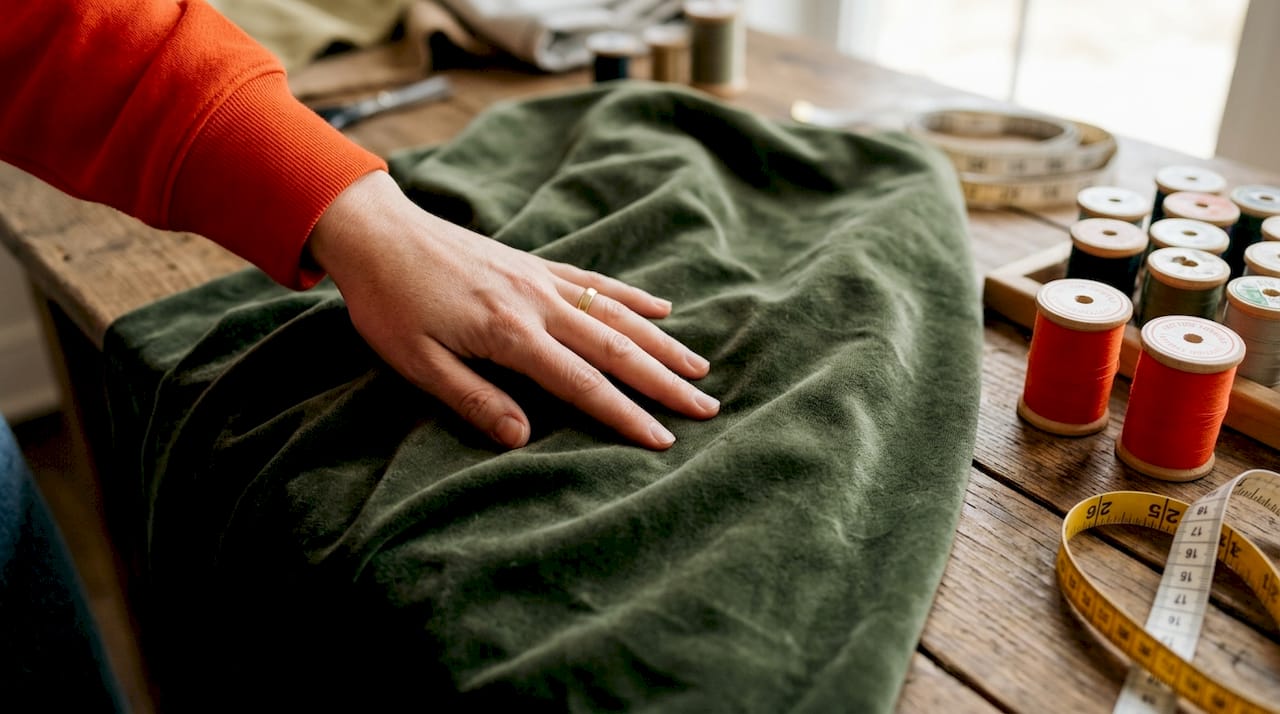
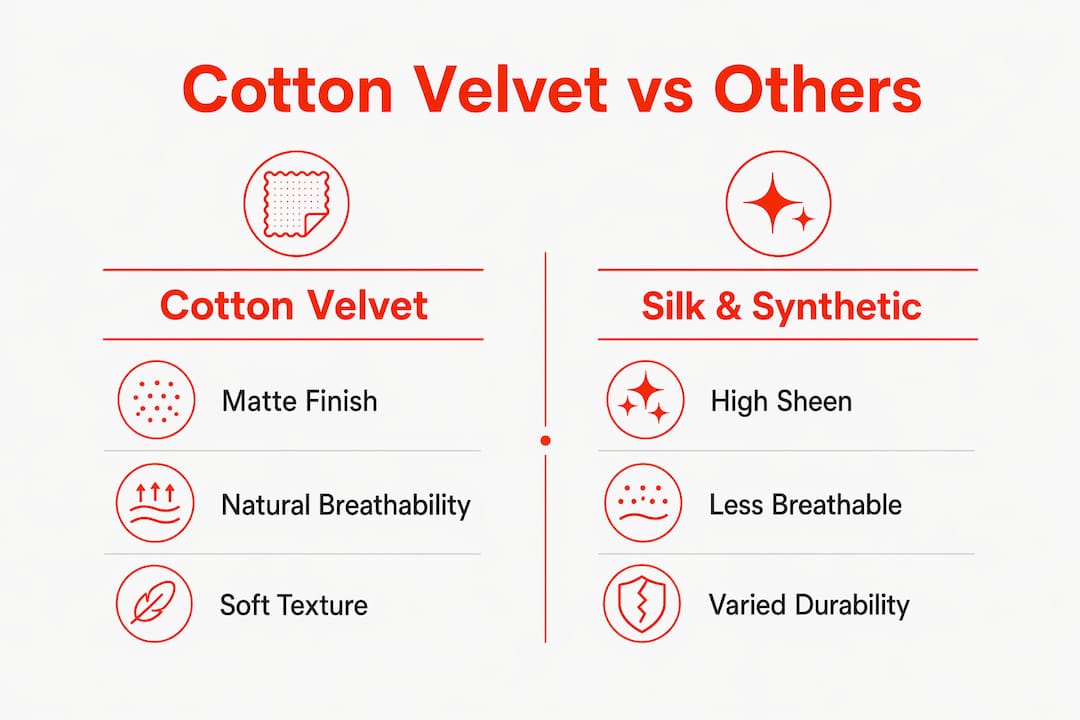
Cotton velvet fabric is a cut-pile textile woven from 100% cotton fibers, producing a dense, plush surface with a soft texture, matte finish, and natural breathability. Unlike synthetic velvets, cotton velvet wicks moisture and resists static, making it comfortable across seasons and suitable for both fashion and home decor. Its pile creates subtle color variation depending on the direction of light, giving it a visual depth that polyester versions simply cannot replicate. If you are choosing between velvet types for upholstery, drapery, or apparel, understanding cotton velvet’s construction and properties is the clearest path to making the right call.
Cotton velvet is defined as a woven fabric with a short, dense pile created from cotton yarns, classified within the broader category of pile weave textiles. Velvet, as a fabric type, belongs to the cut-pile family, meaning the loops formed during weaving are sliced open to produce the characteristic soft surface. Cotton velvet specifically uses cotton as the fiber base, which gives it properties distinct from silk velvet or polyester velvet.
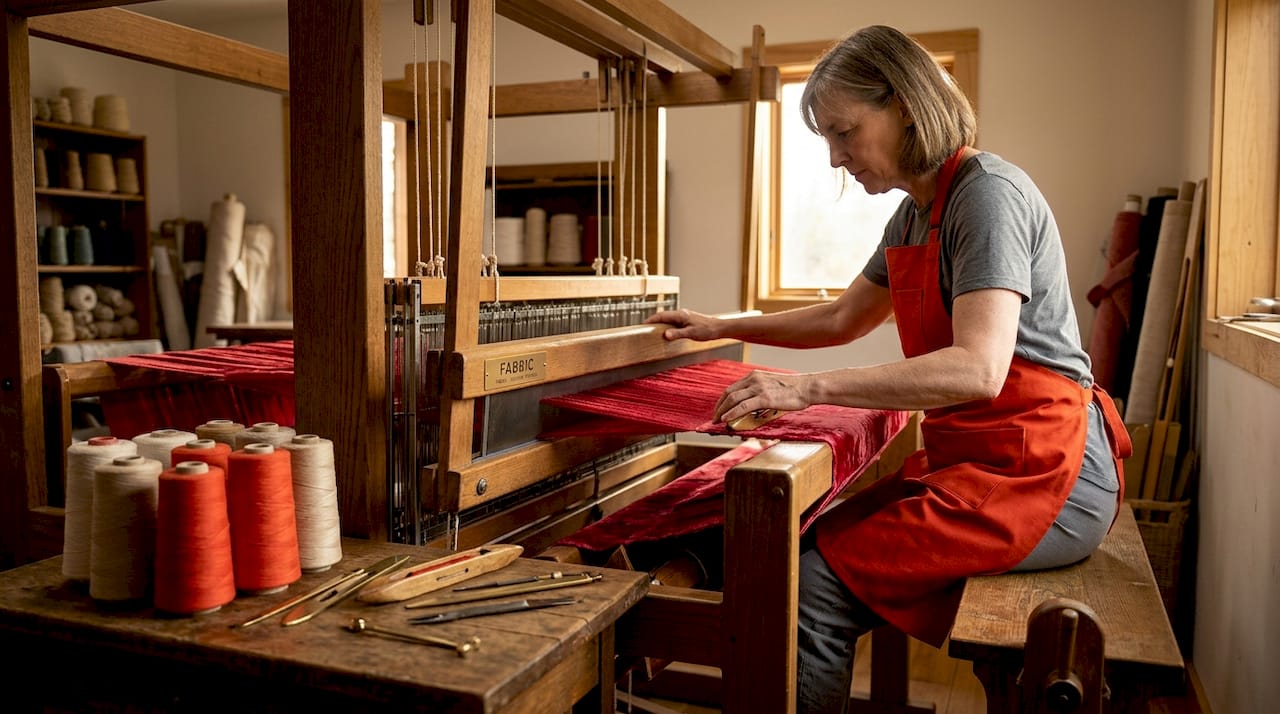
The construction method is what separates cotton velvet from most other fabrics. The double-cloth weaving method produces two fabric layers simultaneously, connected by pile warp yarns running between them. A blade then cuts those connecting yarns, separating the two layers and leaving each with an upright pile surface. This process requires precision machinery and skilled setup, which is part of why quality cotton velvet carries a higher price point than woven flat fabrics.
Pile height typically ranges between 1 and 3 millimeters, with point density exceeding 100,000 points per square inch in high-quality variants. Higher density means a plusher feel and better durability, while lower density produces a lighter drape. This measurement directly affects how the fabric performs in upholstery versus apparel applications.
| Property | Cotton velvet | Silk velvet | Synthetic velvet |
|---|---|---|---|
| Luster | Matte, subtle | High sheen | Moderate to high |
| Breathability | Excellent | Good | Poor |
| Moisture wicking | Yes | Limited | No |
| Durability | Moderate | Delicate | High |
| Price point | Mid-range | Premium | Budget |
| Best use | Upholstery, apparel | Evening wear | Costumes, decor |
Cotton velvet’s matte finish differentiates it clearly from silk velvet’s high luster and from synthetic velvet’s tendency to trap heat and moisture. Silk velvet drapes more fluidly but is far more fragile. Polyester velvet holds up to washing better but feels noticeably less natural against the skin.
Pro Tip: When shopping for cotton velvet, run your hand against the pile in both directions. A quality cut pile will show a clear color shift, darker in one direction and lighter in the other. Weak color shift usually signals low pile density.
Cotton velvet is not a single product. It comes in several distinct constructions, each suited to different applications. Understanding the types of velvet fabrics available helps you match the right variant to your project.
Plain cotton velvet is the standard form: an even, upright pile with a consistent surface and natural sheen. It works well for structured garments, throw pillows, and formal upholstery where a clean, polished look is the goal.
Crushed velvet is produced by twisting the fabric while wet or pressing the pile in multiple directions. The result is an irregular, textured surface with a modern, slightly distressed aesthetic. It reflects light unevenly, creating visual interest without embellishment.
Embossed velvet uses heat-stamped rollers or plates to press patterns directly into the pile. Floral motifs, geometric shapes, and abstract designs are common. The pressed areas create contrast against the uncut pile, producing a two-tone effect without dye.
Velveteen is technically a cotton variant with a shorter, denser pile weave that is more durable and suited to everyday wear. It is woven differently from true velvet, using a filling-pile construction rather than warp-pile, which makes it stiffer and more resistant to crushing. Velveteen is the fabric you find in children’s clothing, casual jackets, and everyday home textiles.
Each type affects drape, durability, and visual character. Plain cotton velvet drapes softly and suits formal settings. Crushed and embossed variants add texture and personality to contemporary interiors. Velveteen trades some softness for practicality, making it the right choice when the fabric will see regular use.
Cotton velvet is used year-round in upholstery, drapery, and apparel, with each application drawing on a different strength of the fabric. Its combination of softness, weight, and breathability makes it one of the more versatile luxury textiles available.
Upholstery. Sofas, armchairs, and headboards upholstered in cotton velvet gain an immediate sense of warmth and texture. The dense pile structure acts as a mechanical anchor, resisting fabric movement and providing a stable surface. Cotton velvet works best in low-traffic seating areas where its appearance can be preserved. For bedroom headboards, it adds tactile luxury without the heat retention of synthetic alternatives. You can explore upholstered headboard options to see how cotton velvet translates in real bedroom settings.
Drapery and curtains. Cotton velvet drapes carry significant visual weight and block light effectively. Their matte surface absorbs rather than reflects light, creating a sense of depth and warmth in a room. Cotton drapery in velvet construction suits formal dining rooms, bedrooms, and living spaces where insulation and aesthetics both matter.
Structured fashion garments. Blazers, evening jackets, and midi dresses in cotton velvet hold their shape well due to the fabric’s body and weight. The natural fiber breathability makes cotton velvet comfortable in transitional seasons, unlike polyester velvet which traps heat. Designers from Oscar de la Renta to contemporary sustainable labels have used cotton velvet for structured pieces precisely because it photographs beautifully and wears comfortably.
Accent textiles. Throw pillows, cushion covers, and bedspreads in cotton velvet add tactile contrast to a room without overwhelming it. The fabric’s pile catches light differently throughout the day, giving a room subtle visual movement.
Pro Tip: For upholstery projects, always request a fabric sample and place it in the actual room for at least 48 hours before ordering. Cotton velvet reads very differently under natural light versus artificial light, and the color can shift noticeably depending on pile direction.
Cotton velvet requires more deliberate care than most fabrics, but the maintenance routine is straightforward once you understand what damages the pile.
Handwash gently or dry clean. Machine washing risks crushing the pile permanently. Use cool water and a mild detergent if handwashing. Dry cleaning is the safest option for structured garments and upholstery panels.
Avoid acetone-based products. Acetone dissolves the pile chemically, causing permanent fiber damage. This rules out many common stain removers and nail polish removers. Always check the ingredient list before applying any product to cotton velvet.
Treat stains immediately. Blot, never rub. Rubbing pushes the stain deeper into the pile and can mat the fibers. Use a clean, damp cloth and work from the outer edge of the stain inward.
Protect from direct sunlight. Cotton velvet fades faster than most fabrics under UV exposure. Even indirect light in a north-facing room causes notable fading over time. Use UV-filtering window film or line your drapes if the fabric will be near windows.
Vacuum regularly with a soft brush attachment. Cotton velvet’s pile attracts dust and pet hair. A weekly light vacuum prevents buildup that can mat the surface and dull the color.
Store flat or rolled, never folded. Folding creates permanent creases in the pile. Roll cotton velvet garments in acid-free tissue paper for long-term storage.
Pro Tip: To revive a flattened pile on cotton velvet upholstery, hold a garment steamer about 6 inches from the surface and brush gently with a soft-bristle clothes brush in the direction of the pile. Never press an iron directly onto velvet.
Cotton velvet’s appeal is real, but so are its constraints. Knowing them upfront prevents expensive mistakes.
Cotton velvet is less durable than synthetic blends and wears down quickly in high-traffic areas. A sofa seat cushion in cotton velvet will show wear within a few years of daily use, while a polyester or nylon velvet blend in the same position might last twice as long. This makes cotton velvet better suited to decorative or occasional-use pieces than to primary seating.
The fabric has no natural water or stain resistance. Spills penetrate the pile quickly and can leave watermarks even after the liquid dries. This is not a fabric for homes with young children or pets unless you are prepared for frequent professional cleaning. The pile also acts as a dust magnet, requiring consistent maintenance to keep it looking fresh.
UV sensitivity is a genuine concern. Upholsterers consistently note that cotton velvet fades even in low-light environments, and the color loss is uneven, meaning the fabric can develop a patchy appearance over time. Placement matters enormously. A cotton velvet sofa positioned away from windows and out of direct foot traffic will last years longer than one placed in a sun-drenched family room.
The right approach is to weigh these limitations against the specific use case. For a formal sitting room that sees light use, cotton velvet is a strong choice. For a busy kitchen banquette or a child’s bedroom, it is not. Understanding the role of velvet in interiors helps clarify where the fabric genuinely earns its place.
Cotton velvet is a cut-pile cotton textile that delivers natural breathability, a matte finish, and tactile softness, but requires deliberate placement and care to maintain its appearance over time.
| Point | Details |
|---|---|
| Construction method | The double-cloth weaving process cuts pile yarns to create cotton velvet’s signature plush surface. |
| Breathability advantage | Cotton velvet wicks moisture and resists static, making it more comfortable than synthetic velvet in warm conditions. |
| Type selection matters | Plain, crushed, embossed, and velveteen variants each suit different applications from formal upholstery to everyday wear. |
| Care is non-negotiable | Avoid acetone, direct sunlight, and machine washing to prevent permanent pile damage and fading. |
| Placement is critical | Cotton velvet performs best in low-traffic, low-light settings where its appearance can be preserved long-term. |
Most buyers focus on color and texture when choosing cotton velvet, which makes sense. The fabric is visually compelling and feels extraordinary in hand. What they consistently underestimate is how much the environment determines whether that investment holds up.
I have seen beautiful cotton velvet sofas turn patchy and dull within 18 months simply because they were placed near a south-facing window. The fading is not dramatic at first, but it is cumulative and uneven, and by the time it is obvious, the damage is done. The fabric itself was not at fault. The placement was.
My practical advice: always test a fabric sample in the actual room before committing to a large order. Live with it for a week. Watch how the light hits it at different times of day. Cotton velvet’s pile direction changes how color reads, and what looks rich and deep in a showroom can look flat in your specific lighting conditions.
For allergy-conscious buyers, cotton velvet is worth the extra care. Its natural fiber composition means no off-gassing from synthetic treatments, and it does not harbor the same static charge that attracts airborne particles to polyester velvet. For anyone building a considered, sustainable interior, that matters. The care requirements are real, but they are manageable. The reward is a fabric that no synthetic can genuinely replicate.
— kev
Fabric-fabric carries a curated selection of cotton velvet fabrics suited for upholstery, drapery, fashion, and accent projects. Whether you are sourcing plain cotton velvet for a formal sofa, crushed velvet for a contemporary bedroom, or velveteen for a structured jacket, the range covers the full spectrum of pile constructions and colorways.
Sampling before you commit is always the right move with velvet. Fabric-fabric makes it straightforward to order swatches so you can test color, pile direction, and drape in your actual space before placing a full order. Browse the backdrop fabrics collection for premium cotton velvet options, or explore the broader home decor fabric range for coordinating textiles across your project.
Velvet is a cut-pile woven fabric, meaning its soft surface is created by cutting looped yarns to produce an upright pile. It can be made from cotton, silk, polyester, or blended fibers.
Cotton velvet works well for low-traffic upholstery like formal chairs and decorative cushions, but it wears faster than synthetic blends in high-use settings and requires careful maintenance to preserve its appearance.
Velveteen uses a shorter, denser filling-pile construction that makes it stiffer and more durable than standard cotton velvet, making it better suited to everyday wear and casual home textiles.
Gentle handwashing in cool water is possible for some cotton velvet items, but dry cleaning is the safest method for structured garments and upholstery. Machine washing risks permanently crushing the pile.
Yes. Cotton velvet is sensitive to UV light and can fade noticeably even in indirect light conditions. Positioning it away from windows and using UV-filtering treatments significantly extends its color life.