

 US Dollar

What is Cotton Duck Fabric? Understanding Its Properties
Posted by BLG on 2025 Aug 31st
Posted by BLG on 2025 Aug 31st

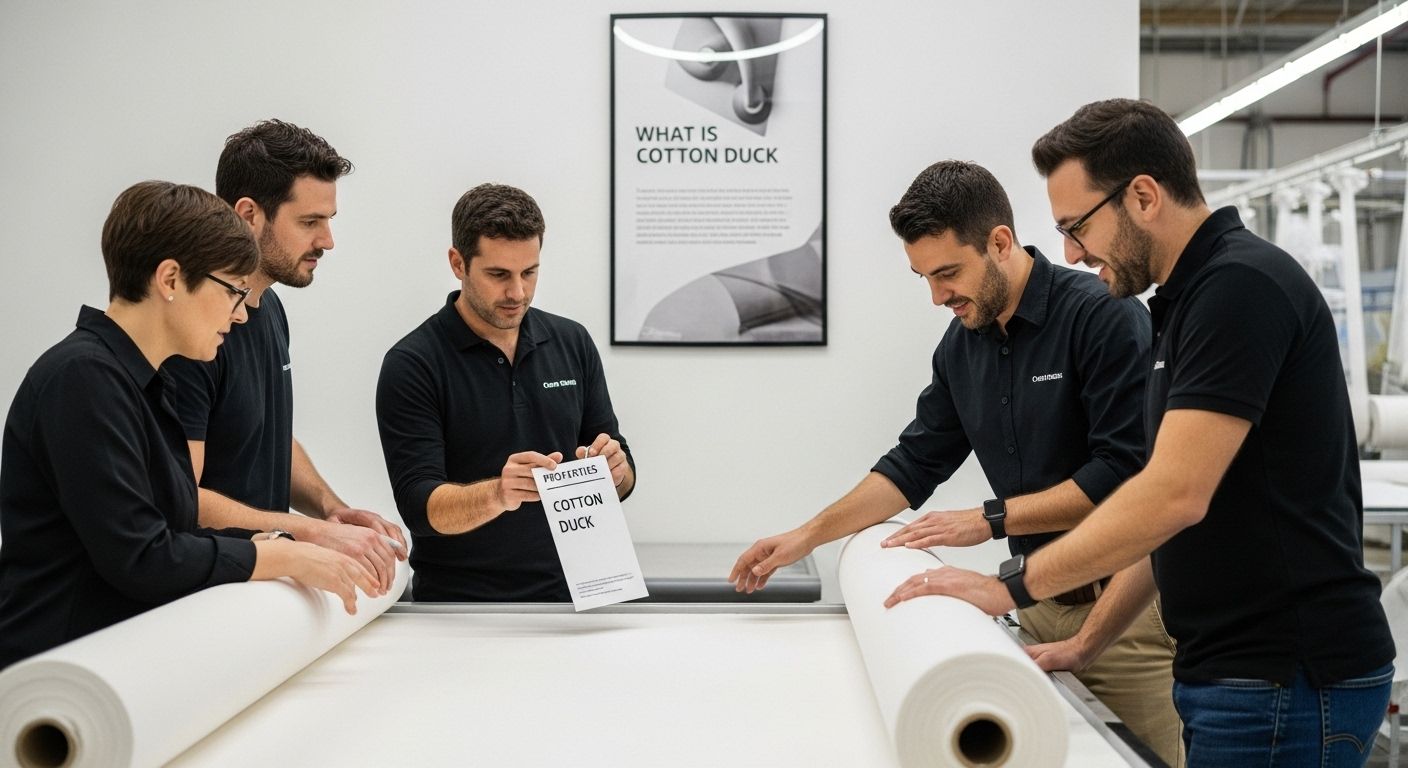
Cotton duck fabric shows up everywhere, from heavy-duty workwear to art studios and furniture. Most people just think of it as tough canvas for tents or tarps, but it goes way further than that. What surprises many is that this fabric can have a thread count as high as 320 per square inch, making it even denser than most bedsheets and able to handle just about anything you throw at it. You might be shocked at how its strength and structure quietly shape everything from fashion runways to the inside of your home.
| Takeaway | Explanation |
|---|---|
| Cotton duck is a durable fabric. | It is tightly woven from 100% cotton, offering exceptional strength and wear resistance. |
| Ideal for industrial applications. | Its robust nature makes it suitable for workwear, outdoor gear, and protective covers. |
| Great for fashion and interior design. | Designers value its structural integrity for creating tailored garments and sophisticated décor. |
| Maintenance is key for longevity. | Machine wash in cold water with gentle detergent to keep the fabric in good condition. |
| High thread count enhances quality. | Cotton duck typically has a thread count of 192-320, contributing to its durability and minimal stretch. |
Cotton duck fabric represents a robust, tightly woven textile with distinctive properties that set it apart from other cotton materials. This heavyweight fabric derives its name from the Dutch word “doek,” meaning cloth, and has been a staple in various industrial and creative applications for generations.
At its core, cotton duck fabric is constructed from 100% cotton fibers using a plain or twill weave technique that creates exceptional durability. The weaving process involves tightly interlacing threads in a manner that produces a dense, sturdy material with minimal space between individual cotton yarns. This unique construction gives cotton duck its characteristic strength and resilience.
The fabric typically features a high thread count, usually ranging between 192 and 320 threads per square inch. Such dense weaving contributes to its remarkable characteristics:
Cotton duck fabric’s robust nature makes it ideal for numerous practical applications. Professional industries and craftspeople rely on this material for tasks requiring strength and reliability. According to Textile Research Journal, cotton duck demonstrates superior performance in areas like:
The fabric’s inherent characteristics of being heavyweight, tightly woven, and resistant to wear make it an exceptional choice for environments demanding high-performance textiles. Its natural cotton composition also provides breathability and comfort, distinguishing it from synthetic alternatives that might feel less comfortable during extended use.
Cotton duck fabric represents a versatile material that transcends traditional textile boundaries, offering remarkable adaptability across fashion and interior design landscapes. Its unique characteristics enable designers and creators to transform functional textiles into sophisticated aesthetic statements.
In the fashion industry, cotton duck fabric provides designers with a robust canvas for creative expression. Its heavyweight nature and minimal stretch make it perfect for structured garments that require precise tailoring. Designers appreciate cotton duck for creating pieces like:
The fabric’s ability to hold complex shapes and maintain crisp lines allows fashion professionals to experiment with architectural silhouettes that challenge traditional clothing construction techniques.
Interior designers and home decor enthusiasts increasingly recognize cotton duck’s potential for creating sophisticated, durable textiles. According to Architectural Digest, cotton duck offers exceptional performance in residential and commercial settings. Its natural durability makes it ideal for:
The fabric’s neutral tone and texture provide an excellent base for custom printing, dyeing, and embellishment. Professional decorators value its ability to withstand frequent use while maintaining aesthetic appeal, making it a preferred choice for high-traffic residential and commercial environments.
Beyond its visual appeal, cotton duck’s inherent strength ensures that design investments remain beautiful and functional for extended periods, bridging the gap between artistic vision and practical durability.
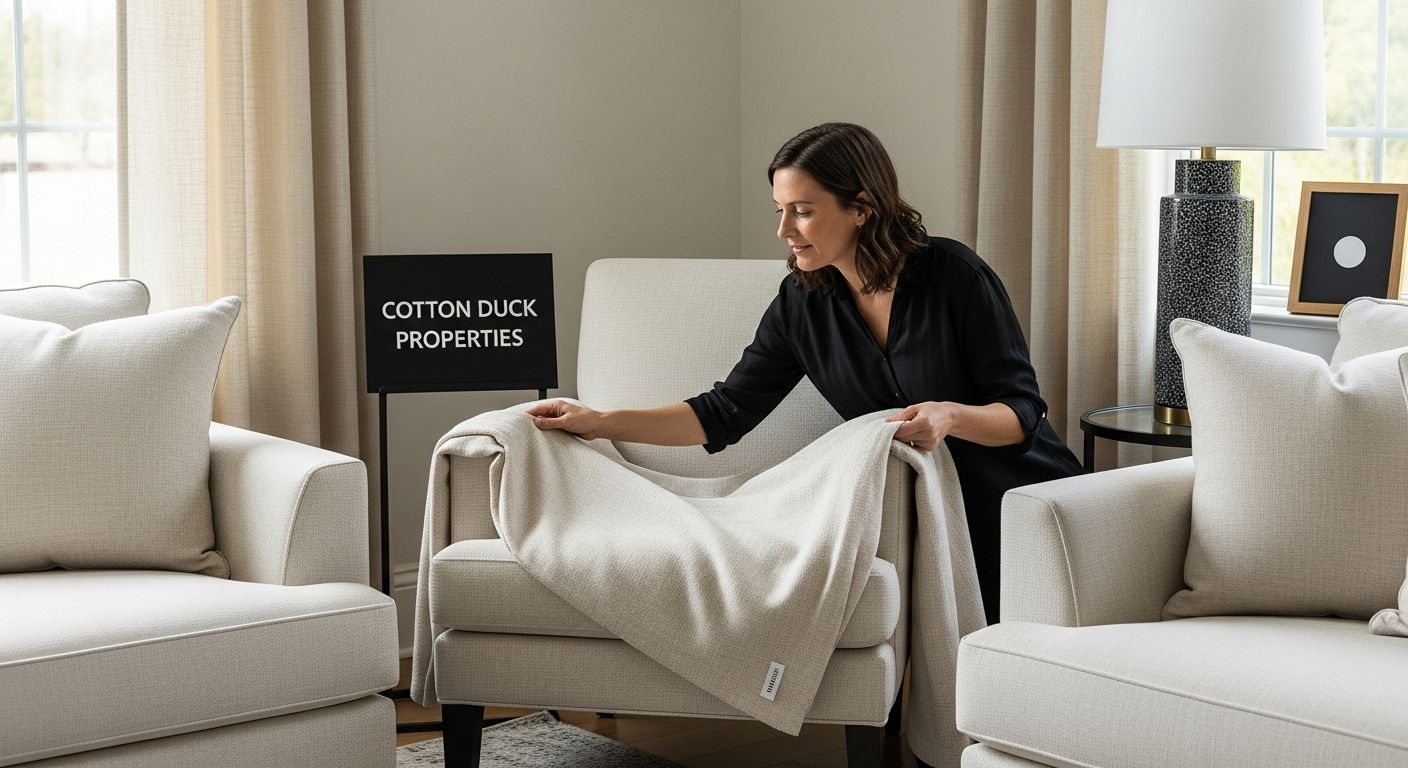
Cotton duck fabric production represents a sophisticated textile manufacturing process that transforms raw cotton into a robust, versatile material through precise engineering and strategic weaving techniques. Understanding this intricate process reveals the complexity behind creating such a durable fabric.
The production of cotton duck begins with meticulous cotton fiber selection. Manufacturers carefully choose high-quality cotton fibers based on specific criteria like length, strength, and uniformity. These selected fibers undergo initial processing that includes:
This preparatory stage ensures that the resulting fabric will possess superior strength and consistent texture. The quality of raw materials directly influences the final fabric’s performance and durability.
Weaving represents the critical transformation stage where cotton yarns become distinctive duck fabric. According to Textile Research Institute, cotton duck is characterized by its plain weave technique, which involves tightly interlacing warp and weft threads. Key weaving characteristics include:
Manufacturers control thread count and tension to create different weights and grades of cotton duck fabric, ranging from lightweight to heavy-duty varieties. The precise weaving process determines the fabric’s ultimate strength, appearance, and functional properties.
After weaving, cotton duck undergoes specialized finishing processes that enhance its performance. These treatments might include water-resistant coatings, color dyeing, or additional fabric stabilization. Quality control measures ensure each fabric section meets rigorous industrial standards, examining aspects like thread integrity, dimensional stability, and overall fabric strength.
Cotton duck fabric’s exceptional durability and versatility have established its critical role across multiple professional and industrial sectors. Its unique combination of strength, flexibility, and adaptability makes it an indispensable material for numerous specialized applications.
Industrial environments demand materials that can withstand extreme conditions, and cotton duck fabric delivers consistently reliable performance. Construction professionals utilize this fabric for critical protective and functional purposes:
The fabric’s ability to resist wear, provide structural support, and create temporary protective barriers makes it invaluable in challenging work environments where durability is paramount.
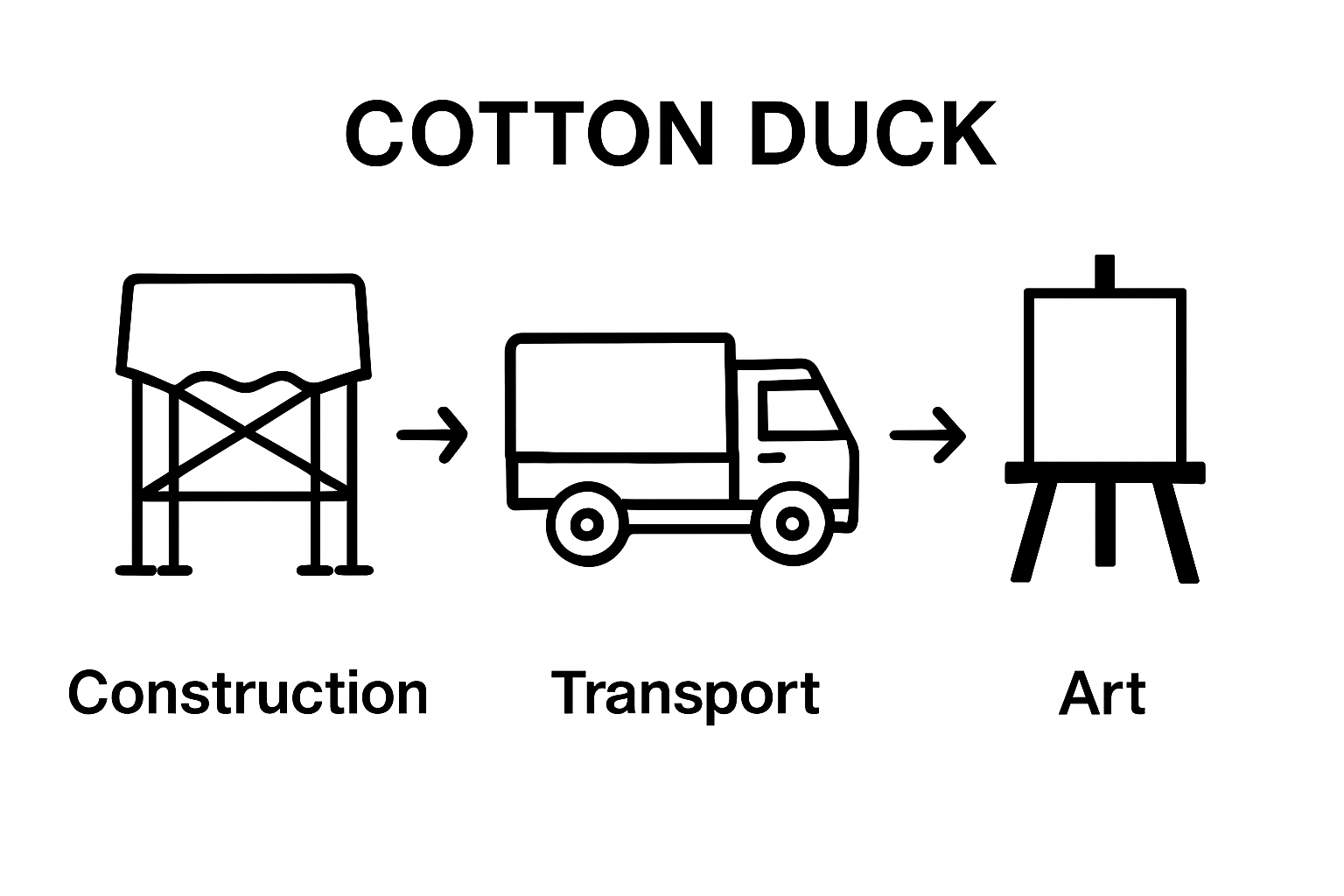
Transportation industries rely extensively on cotton duck fabric for robust protective solutions. According to National Transportation Research Board, the material’s resistance to tearing and environmental degradation makes it ideal for:
Its water-resistant properties when treated, combined with inherent strength, ensure that valuable equipment and cargo remain protected during transit and storage.
Beyond industrial uses, cotton duck fabric serves as a fundamental material in artistic and creative domains. Artists and craftspeople appreciate its stable surface and structural integrity for applications like:
The fabric’s ability to maintain shape, accept various treatments, and provide a reliable working surface makes it a preferred choice for creative professionals seeking dependable materials.
Below is a table summarizing the various applications of cotton duck fabric across different industries and creative fields, providing a convenient overview of its versatility and key uses.
| Industry/Field | Typical Applications | Key Benefits |
|---|---|---|
| Construction & Industrial | Scaffolding covers, drop cloths, sheeting, temporary walls | Durability, wear resistance, protection |
| Transportation & Logistics | Truck covers, marine tarps, cargo protection, equipment shields | Tear resistance, weather protection |
| Creative & Artistic | Painting canvases, stage backdrops, set design, photo backdrops | Stable surface, accepts treatments |
| Fashion | Structured jackets, workwear, minimalist garments, runway designs | Shape retention, crisp lines |
| Home Decor & Design | Upholstery, throw pillows, curtains, window treatments | Sturdiness, customizable texture |
Cotton duck fabric embodies a remarkable combination of physical properties that distinguish it from conventional textile materials. Its exceptional performance characteristics arise from a sophisticated interplay between material composition, weave structure, and inherent cotton fiber qualities.
Cotton duck fabric demonstrates extraordinary tensile strength, resulting from its dense weave and carefully selected cotton fibers. The fabric’s structural integrity enables it to withstand significant mechanical stress without compromising its fundamental characteristics. Key strength indicators include:
The tight plain weave construction ensures that individual threads interlock securely, creating a robust material capable of enduring substantial physical challenges.
According to Textile Performance Research Center, cotton duck fabric exhibits exceptional longevity compared to similar textiles. Its durability stems from multiple interconnected factors:
Proper maintenance ensures cotton duck fabric retains its remarkable properties over extended periods. Recommended care practices include:
By following these guidelines, users can preserve the fabric’s structural integrity, appearance, and functional performance, maximizing its potential across diverse applications.
This table outlines the key physical properties, durability factors, and care recommendations for cotton duck fabric to help readers quickly compare essential aspects of its performance and maintenance.
| Property | Explanation |
|---|---|
| Structural Strength | Withstands high stress, resists tearing and puncturing |
| Durability | Dense weave and quality fibers ensure longevity |
| Thread Count | Typically 192-320 threads per square inch |
| Fabric Stretch | Minimal; holds shape during use |
| Maintenance Recommendations | Machine wash cold, gentle detergent, avoid hot drying |
| Environmental Resistance | Performs under varied conditions when treated |
| Comfort/Breathability | Natural cotton provides breathability and comfort |
You have just learned how cotton duck fabric stands out for its strength, dense weave, and remarkable durability in both fashion and interior design. But finding high-quality cotton duck that meets your exact needs can be a real challenge. Whether you are searching for dependable textiles for industrial applications, resilient upholstery, or striking creative projects, the worry of inconsistent quality, limited selection, or confusing product descriptions can stall your progress and lead to disappointing results.
Take control of your creative process and ensure lasting performance by shopping where expert knowledge meets variety. At https://fabric-fabric.com, you will discover a thoughtfully curated range of cotton duck and other specialty fabrics, designed to help you achieve the practical and aesthetic goals highlighted in your research. Choose confidently, knowing you can compare options, order the right amount, and enjoy a seamless shopping experience trusted by professionals and DIY creators alike. Visit https://fabric-fabric.com today and secure the perfect cotton duck fabric for projects that need to work hard and look great.
Cotton duck fabric is a strong, tightly woven textile made from 100% cotton fibers, known for its exceptional durability, high thread count, and minimal stretch. It is often used in various industrial and creative applications.
Cotton duck fabric is characterized by its structural strength, wear resistance, and high tensile strength. It also features a dense weave that contributes to its durability and ability to withstand repeated usage under stress.
Cotton duck is used in numerous applications including industrial workwear, outdoor equipment, heavy-duty bags, painter’s drop cloths, upholstery, and even fashion garments. Its versatility makes it suitable for both practical and aesthetic designs.
To maintain cotton duck fabric, it is recommended to machine wash it in cold water with mild detergent, avoid high-temperature drying, and store it in a cool, dry place. Promptly addressing stains can also help preserve its appearance and functionality.