

 US Dollar

What Is Cotton Duck Fabric Used For: A Practical Guide
Posted by BLG on 2026 Jul 7th
Posted by BLG on 2026 Jul 7th

TL;DR:
- Cotton duck fabric is a heavy, tightly woven textile known for durability and breathability. It is commonly used in upholstery, home decor, crafting, and outdoor applications, with weight grades suited to each purpose. Proper pre-washing, needle choice, and weight selection extend fabric life and project quality.
Cotton duck fabric is a heavy, tightly woven cotton textile known for exceptional strength, breathability, and versatility across crafting, home decor, and utility projects. The industry term is “duck cloth” or “duck canvas,” and it differs from standard canvas in one key way: cotton duck uses a denser plain weave and higher thread count, which produces a stiffer, more abrasion-resistant surface. Whether you are reupholstering a chair, sewing a tote bag, or covering outdoor equipment, understanding what is cotton duck fabric used for helps you choose the right weight and finish before you cut a single yard.
Cotton duck is one of the most reliable fabrics for home upholstery, slipcovers, and curtains. Its tight plain weave resists sagging and fraying, and its natural texture gives furniture a clean, unfussy look that synthetics rarely replicate. The breathability of cotton duck also prevents the clammy feel common with polyester upholstery blends.
Weight is the deciding factor for furniture applications. Fabrics weighing 14–18 oz/yard can last up to 10 years in busy residential seating, while fabrics under 10 oz show significant wear within 18 months. That gap is large enough to make weight selection the single most consequential decision in any upholstery project.
For curtains and drapery, lighter grades in the #10 to #12 range work well because they hang with body without blocking light entirely. Heavier grades suit Roman shades and structured valances where stiffness is an asset. Fabric-fabric carries cotton drapery options suited to both light filtering and room-darkening applications.
DIY home projects are where cotton duck really earns its reputation. Crafters use it for floor cushion covers, storage bins, laundry bags, and wall art backdrops. The fabric takes paint, dye, and stenciling well, which makes it a favorite for personalized home decor.
Pro Tip: Pre-wash cotton duck before cutting upholstery pieces. The fabric shrinks noticeably on first wash, and pre-washing prevents slipcovers from puckering after the first cleaning.
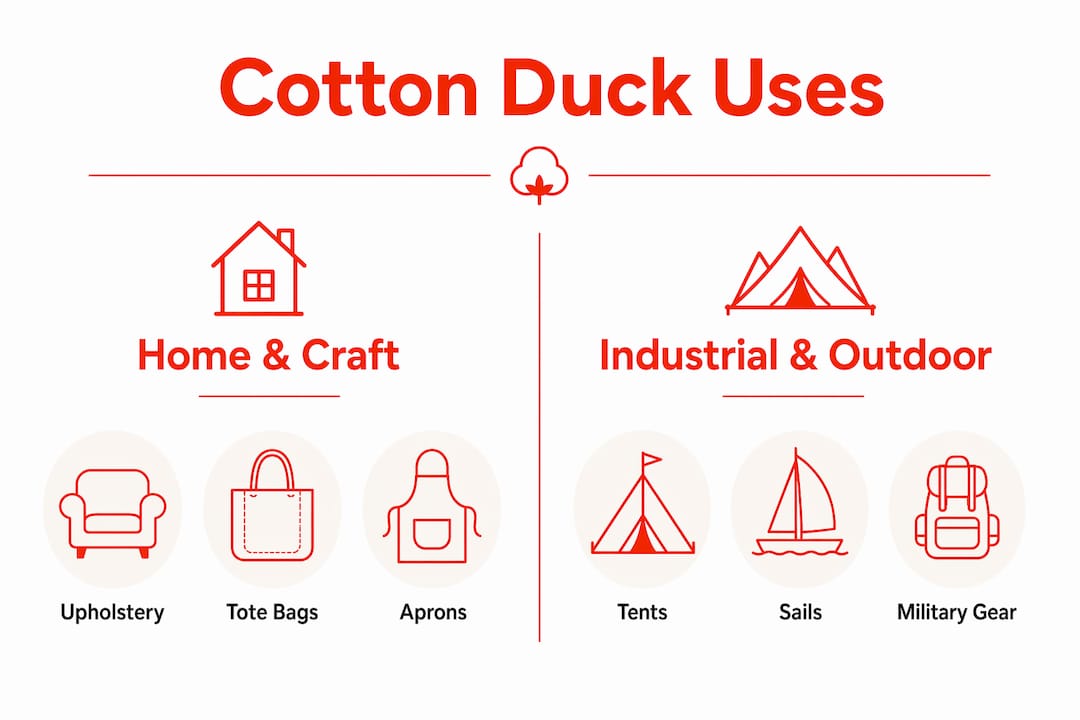
Cotton duck cloth fabric is the go-to material for sturdy tote bags, aprons, tool rolls, and workwear. Its structure holds shape under load, which is why market tote bags made from duck canvas outlast bags made from lighter cotton twill by a wide margin. The fabric softens with washing while retaining its structural integrity, making it comfortable enough for items that contact skin directly.
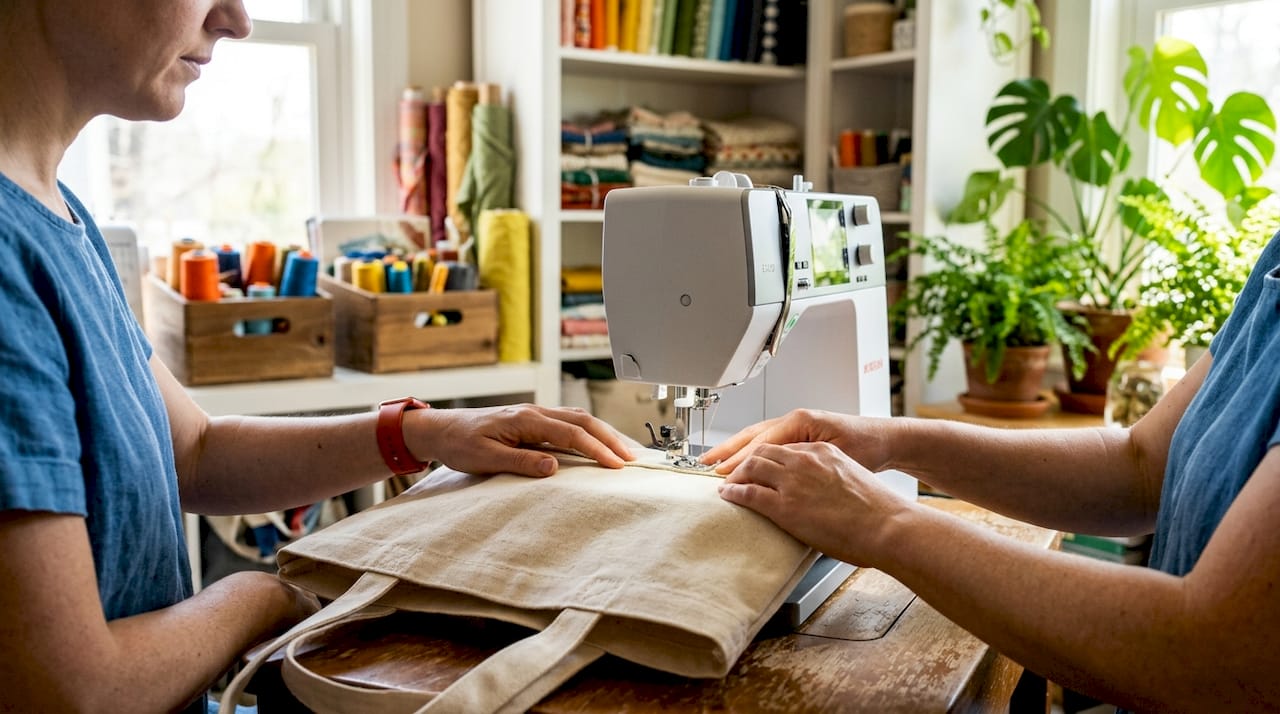
Weight selection for apparel differs from upholstery. Aprons and workwear jackets call for #8 to #10 weight, which is stiff enough to protect but flexible enough to wear all day. Bags and accessories tolerate heavier grades like #6 because they do not need to flex around a body.
Follow these steps when sewing cotton duck for crafting and apparel projects:
Pro Tip: Use a Teflon or walking foot when sewing multiple layers of cotton duck. A standard presser foot drags and shifts layers, which throws off seam alignment on thick projects.
For apparel, cotton canvas duck fabric breathes better than most synthetics, which matters for workwear worn in warm environments. A painter’s apron or a gardening jacket made from #10 weight duck canvas will outlast its synthetic equivalent and feel more comfortable through a full workday.
Cotton duck has been used in tents, sails, and military gear for centuries, and those applications persist today because no synthetic fully replicates its combination of breathability and abrasion resistance. The tight plain weave and thick yarns resist tearing under load, which is why sandbags, hammocks, and heavy-duty tarps are still made from duck canvas.
The key limitation outdoors is moisture. Cotton duck lacks inherent water and mildew resistance unless treated. “Army Duck” is a treated variant that adds water and mildew resistance while preserving breathability. Untreated cotton duck works well in dry environments but degrades quickly when exposed to sustained moisture.
| Application | Recommended weight | Treatment needed |
|---|---|---|
| Tents and shelters | #4 to #6 | Waterproofing treatment |
| Tarps and covers | #6 to #8 | Mildew-resistant finish |
| Hammocks | #8 to #10 | Optional UV treatment |
| Sandbags | #4 to #6 | None required |
| Outdoor cushion covers | #8 | Waterproof spray + UV thread |
Outdoor cushions benefit from #8 weight cotton duck combined with UV-resistant thread and a waterproof spray applied after sewing. This combination extends the life of outdoor covers significantly without requiring a fully synthetic fabric.
The durability of cotton duck in utility applications comes directly from its plain weave and yarn thickness. Both factors contribute to abrasion resistance and tear strength that lighter wovens cannot match.
Cotton duck is classified by standardized weight grades ranging from #1 (the heaviest at 24 oz per square yard) to #12 (the lightest at 10 oz per square yard). Lower numbers mean heavier fabric. This grading system is the clearest tool you have for matching fabric to project.
The table below maps grades to common project types:
| Grade | Weight (oz/sq yd) | Best for |
|---|---|---|
| #1 to #3 | 18–24 oz | Industrial tarps, military gear, heavy sandbags |
| #4 to #6 | 15–18 oz | Tents, heavy upholstery, workwear |
| #7 to #8 | 12–15 oz | Tote bags, aprons, outdoor covers |
| #9 to #10 | 10–12 oz | Curtains, light upholstery, slipcovers |
| #11 to #12 | 10 oz | Lightweight apparel, wall art, backdrops |
A common mistake in upholstery projects is choosing a weight that is too light for the traffic the piece will receive. Seating surfaces need heavier grades than armrests or decorative panels. Matching weight to stress point extends the life of the finished piece considerably.
Fabric finishing treatments add another layer of decision-making. Waxed or oiled duck canvas suits outdoor and utility work. Bleached or dyed duck suits home decor and apparel. Natural, unfinished duck is the most versatile starting point for crafters who plan to paint or dye the fabric themselves.
Pro Tip: When in doubt, go one grade heavier than you think you need. Cotton duck is easier to work with when it has structure, and the extra weight rarely hurts the finished look.
For a deeper look at selecting weights by project type, the heavyweight fabric selection guide at Fabric-fabric covers the decision framework in practical detail.
Cotton duck rewards preparation. Skipping pre-wash, using the wrong needle, or rushing seam allowances creates problems that are hard to fix once the fabric is cut and sewn.
Pro Tip: Beeswax your thread before sewing heavy duck canvas by hand. Running thread across a block of beeswax reduces friction and prevents tangling through thick layers.
Combining cotton duck with other materials expands its range. Pairing it with a cotton batting layer adds insulation for pot holders and oven mitts. Backing it with a waterproof PUL fabric creates a washable, moisture-resistant surface for baby items and pet accessories. The beginner’s fabric guide at Fabric-fabric covers compatible fabric pairings for common project types.
Cotton duck fabric is the most practical choice for projects that demand durability, breathability, and a natural aesthetic, provided you match the weight grade to the specific stress demands of the application.
| Point | Details |
|---|---|
| Weight grade determines durability | Grades #1 to #12 range from 24 oz to 10 oz; choose heavier grades for high-traffic upholstery and utility work. |
| Upholstery needs 14–18 oz minimum | Fabrics under 10 oz wear out within 18 months on busy seating; heavier grades last up to 10 years. |
| Outdoor use requires treatment | Untreated cotton duck absorbs moisture; use waterproofing sprays or treated “Army Duck” for outdoor applications. |
| Sewing requires heavy-duty needles | Use sizes 100/16 or 110/18 with a 3.0–4.0 mm stitch length to prevent skipped stitches on dense weaves. |
| Pre-washing prevents shrinkage issues | Always pre-wash before cutting to account for first-wash shrinkage and remove factory sizing. |
Cotton duck is one of those materials I keep coming back to, not because it is fashionable, but because it is honest. It does exactly what it promises. When a client asks me what fabric will hold up on a window seat that gets daily use from kids and pets, I do not hesitate. A #6 or #8 weight duck canvas, pre-washed and well-sewn, will outlast most alternatives at a fraction of the cost of performance synthetics.
The place where I see crafters go wrong most often is underestimating weight. They pick a lighter grade because it is easier to sew, and six months later the fabric is pilling and the seams are pulling. Cotton duck’s natural aesthetic is genuinely beautiful, but that beauty only holds up when the weight matches the job.
My other strong opinion: stop treating cotton duck as a purely utilitarian fabric. The lighter grades take dye and paint beautifully. A #10 weight duck canvas painted with fabric medium and acrylic paint makes a wall hanging that looks far more considered than anything you can buy off the shelf. The DIY home decor guide at Fabric-fabric is worth reading if you want project ideas that go beyond the obvious.
Cotton duck is not perfect for every situation. It is heavier than linen, less drape-y than cotton voile, and needs treatment for wet environments. But for the overlap of durability, natural texture, and workability, nothing else comes close at the same price point.
— kev
Fabric-fabric carries a curated selection of cotton duck fabrics suited for upholstery, crafting, backdrops, and home decor projects.
The backdrop fabric collection includes cotton duck options in multiple weights and finishes, from natural unbleached duck for painting and dyeing projects to treated versions ready for outdoor and utility use. Each listing includes weight specifications and suggested applications, so you can match the fabric to your project before you order. Free shipping thresholds and seasonal promotions make it straightforward to stock up on the grades you use most.
Cotton duck fabric is a heavy, tightly woven plain-weave cotton textile classified by weight grades from #1 (24 oz, heaviest) to #12 (10 oz, lightest). It is stronger and denser than standard canvas due to its higher thread count and thicker yarns.
Canvas and cotton duck are closely related but not identical. Cotton duck uses a denser plain weave and higher thread count than standard canvas, which gives it greater abrasion resistance and structural strength.
For high-traffic upholstery, use cotton duck weighing 14–18 oz per yard, which corresponds to grades #4 to #6. Fabrics under 10 oz wear out within 18 months on busy seating surfaces.
Untreated cotton duck absorbs moisture and is not waterproof, making it best for dry environments. Treated versions such as “Army Duck” add water and mildew resistance for outdoor applications like tarps, tents, and furniture covers.
Use heavy-duty or denim/jeans needles in sizes 100/16 or 110/18, paired with a stitch length of 3.0–4.0 mm. Standard needles deflect on the dense weave and produce skipped stitches or breakage.