

 Canadian Dollars

Understanding Why Choose Heavyweight Fabrics for Your Projects
Posted by BLG on 2025 Aug 23rd
Posted by BLG on 2025 Aug 23rd

Heavyweight fabrics are not just thicker and tougher than what you find in everyday shirts or curtains. They can weigh up to 16 ounces per square yard, turning ordinary textiles into powerhouses for everything from winter coats to industrial safety gear. Most people think these fabrics are just about warmth and heft but what really sets them apart is how they shape design itself, making products last longer and perform better in ways that lighter materials never could.
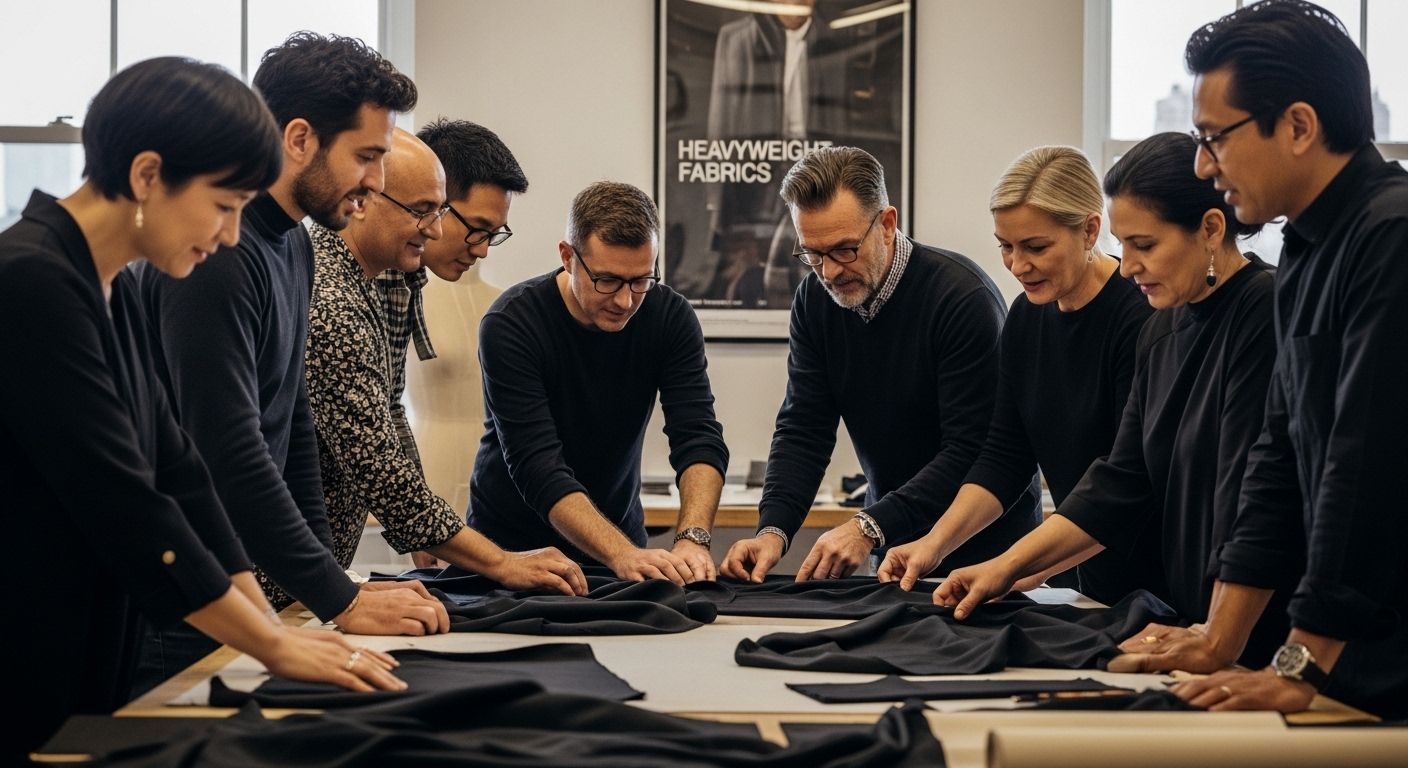
| Takeaway | Explanation |
|---|---|
| Heavyweight fabrics offer unmatched durability. | Their dense weave provides superior resistance to wear, making them ideal for high-demand applications. |
| Fabric weight influences design choices significantly. | Designers must consider fabric weight for thermal regulation, drape, and structure when creating products. |
| Versatility in applications showcases heavyweight fabrics. | Industries use these fabrics for everything from fashion to protective gear, leveraging their robust characteristics. |
| Understanding fabric composition enhances performance. | The fiber type used in heavyweight fabrics impacts comfort, durability, and the intended application of the material. |
| Long-lasting products depend on material density. | Heavier fabrics resist wear and tear, extending the product lifecycle compared to lighter alternatives. |
When exploring textile materials, heavyweight fabrics represent a distinct category with unique properties that set them apart from lighter fabric alternatives. These substantial textiles are characterized by their dense weave, substantial weight, and exceptional durability, making them crucial for numerous applications across fashion, interior design, and industrial sectors.
Heavyweight fabrics typically range between 10 to 16 ounces per square yard, creating a robust material that provides substantial structure and protection. According to Textile School, these fabrics are distinguished by their thickness, density, and ability to maintain shape under various conditions.
Key characteristics of heavyweight fabrics include:
Heavyweight fabrics can be constructed from various fibers, including natural materials like wool and cotton, synthetic options like polyester, or blended compositions. The specific fiber selection significantly impacts the fabric’s performance, comfort, and application potential.
Professional textile designers recognize that heavyweight fabrics excel in scenarios demanding robust materials. Whether creating winter outerwear, upholstery, workwear, or technical performance garments, these fabrics provide unparalleled strength and functionality. Their dense construction allows them to withstand significant stress, making them ideal for high-demand environments where durability is paramount.
Understanding the nuanced characteristics of heavyweight fabrics empowers designers and manufacturers to select the most appropriate materials for their specific project requirements, ensuring optimal performance and longevity.
To help distinguish heavyweight fabrics from lighter alternatives, here is a table summarizing defining characteristics discussed in the article.
| Characteristic | Description |
|---|---|
| Weight Range | 10 to 16 ounces per square yard |
| Structural Durability | Superior resistance to wear and tear |
| Thermal Insulation | Enhanced protection against cold and heat |
| Drape and Structure | Maintains form and shape, enabling structured silhouettes |
| Transparency | Reduced transparency compared to lighter fabrics |
| Common Fiber Types | Wool, cotton, polyester, and blended compositions |
| Ideal Applications | Winter coats, upholstery, industrial gear, and technical garments |
Fabric weight emerges as a critical technical parameter that profoundly influences design decisions across multiple industries. Beyond simple numerical measurements, fabric weight represents a complex interplay of material properties that determine performance, aesthetic qualities, and functional capabilities of textile products.
Fabric weight quantifies the mass per unit area, typically measured in ounces per square yard or grams per square meter. According to Textile School, this measurement provides designers with essential insights into material characteristics that directly impact product design and functionality.
Key design considerations related to fabric weight include:
Professional designers recognize fabric weight as a strategic tool for achieving specific performance outcomes. Lightweight fabrics might excel in athletic wear requiring breathability, while heavyweight materials provide superior protection in workwear and outdoor equipment. The weight directly influences how a material behaves under stress, maintains shape, and responds to environmental conditions.
The selection process involves carefully balancing multiple factors. Designers must consider end-use requirements, aesthetic goals, comfort parameters, and manufacturing constraints. A precise understanding of fabric weight enables creators to engineer textiles that meet exact specifications across fashion, industrial, and technical applications.
Ultimately, fabric weight transcends simple numerical measurement. It represents a sophisticated intersection of material science, design strategy, and functional engineering, allowing designers to transform raw textile materials into purposeful, high-performance solutions that meet complex user needs.
Heavyweight fabrics represent a transformative element in design, offering remarkable advantages that extend far beyond traditional textile applications. These robust materials provide exceptional performance characteristics that elevate both aesthetic and functional attributes across fashion and interior design landscapes.
According to Textile Performance Research, heavyweight fabrics deliver unparalleled performance through their unique structural composition. Their dense construction enables superior resistance to wear, making them ideal for high-traffic environments and demanding design applications.
Significant benefits of heavyweight fabrics include:
Designers recognize heavyweight fabrics as powerful tools for creating bold, structured silhouettes in fashion and creating statement pieces in interior design. These materials offer exceptional drape, allowing for dramatic architectural forms in clothing and upholstery. Heavyweight textiles transform simple designs into sculptural statements, providing designers unprecedented creative freedom.
In fashion contexts, heavyweight fabrics enable crisp tailoring, structured jackets, and architectural garments that maintain precise shape. Interior designers leverage these materials to craft robust furniture upholstery, dramatic curtains, and sophisticated wall coverings that communicate luxury and sophistication.
By combining advanced material science with creative vision, heavyweight fabrics represent more than mere textile choices. They embody a sophisticated approach to design that prioritizes performance, durability, and aesthetic expression across multiple creative disciplines.
Durability represents a fundamental characteristic that distinguishes exceptional textiles from ordinary materials. Heavyweight fabrics emerge as premier solutions for creating long lasting products that withstand extensive use and challenging environmental conditions.
According to Historical Textile Research, fabric durability is fundamentally determined by its structural composition and material characteristics. Heavyweight fabrics demonstrate superior structural integrity through their dense weave and substantial material mass, which directly correlates with enhanced resistance to mechanical stress and prolonged usage.
Critical factors contributing to heavyweight fabric durability include:
The longevity of heavyweight fabrics stems from multiple interconnected design principles. Their robust construction allows materials to maintain structural stability across diverse environmental conditions. Professional textile engineers understand that fabric weight directly influences its ability to resist wear, tear, and deformation.
In practical applications, heavyweight fabrics demonstrate remarkable performance characteristics. Whether utilized in industrial workwear, outdoor equipment, or high-end furniture upholstery, these materials consistently outperform lighter alternatives. Their dense composition creates a natural barrier against environmental challenges, reducing material breakdown and extending product lifecycle.
The following table organizes the key real-world applications of heavyweight fabrics in various industries, highlighting where these durable materials make a functional impact.
| Industry | Example Applications |
|---|---|
| Industrial Safety | Construction workwear, welding clothing, chemical suits, firefighting gear, military and law enforcement equipment |
| Fashion/Outerwear | Winter coats, tailored jackets, structured garments |
| Interiors | Upholstery, dramatic curtains, wall coverings |
| Outdoor & Performance Gear | Mountaineering equipment, expedition clothing, sports apparel |
| Automotive & Aerospace | Interior components, technical equipment |
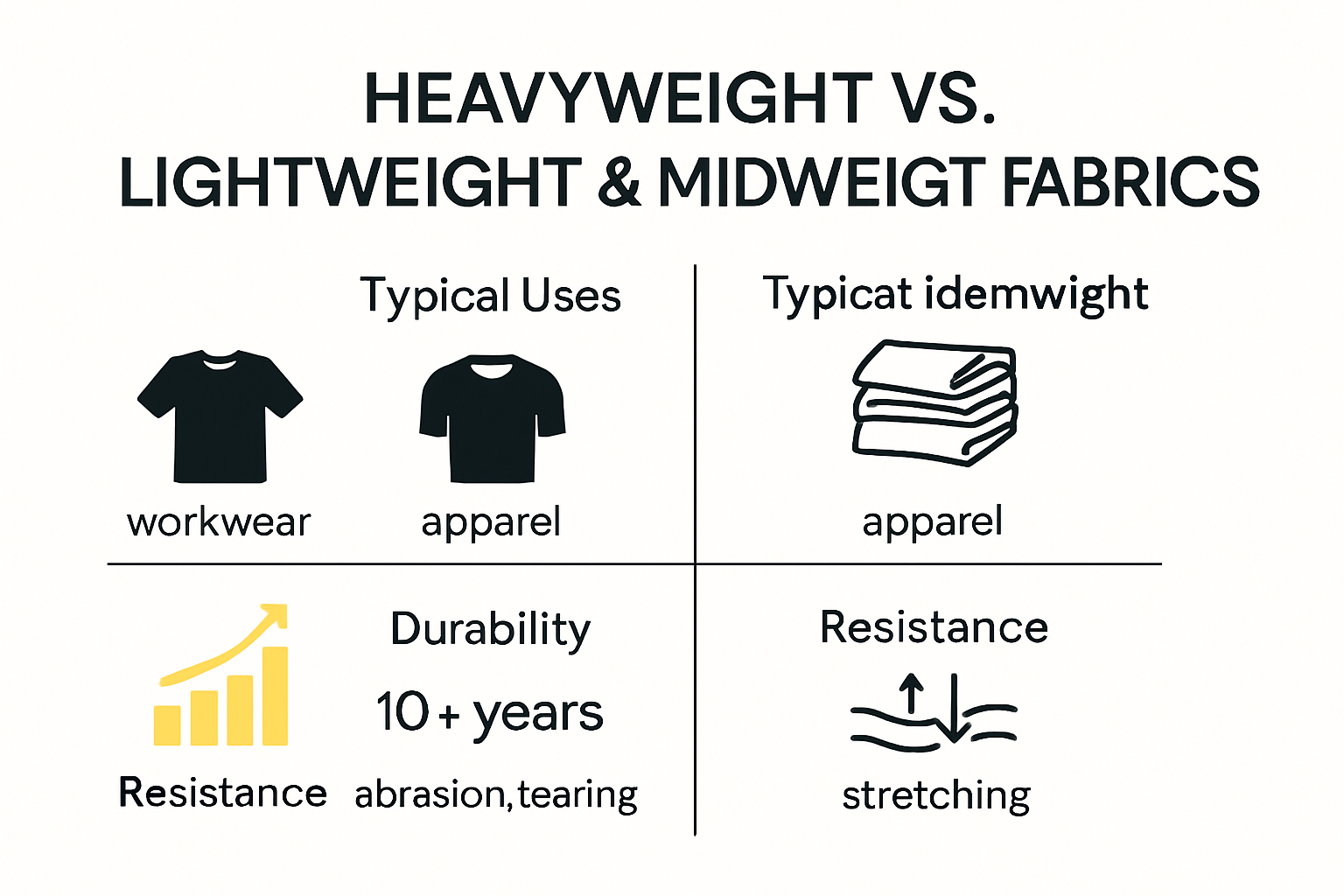
Ultimately, heavyweight fabrics represent a strategic investment in quality. By prioritizing material density and structural integrity, designers and manufacturers can create products that not only look exceptional but also deliver sustained performance over extended periods of use.

Heavyweight fabrics transcend traditional textile boundaries, emerging as critical solutions across diverse industrial sectors. Their exceptional performance characteristics enable transformative applications that address complex technical and functional requirements in multiple professional domains.
According to CDC Occupational Safety Research, heavyweight fabrics play a pivotal role in developing advanced protective equipment. Specialized industrial textiles provide comprehensive protection against mechanical, thermal, and chemical hazards, making them indispensable in high-risk work environments.
Key industrial applications of heavyweight fabrics include:
Beyond safety considerations, heavyweight fabrics demonstrate remarkable versatility across performance-driven industries. Automotive manufacturers utilize these robust textiles for interior components, while aerospace engineers integrate them into specialized equipment requiring exceptional strength and heat resistance.
In outdoor and recreational industries, heavyweight fabrics enable the creation of high-performance gear designed to withstand extreme environmental conditions. Mountaineering equipment, expedition clothing, and professional sports apparel rely on these materials to deliver consistent performance under challenging circumstances.
The strategic application of heavyweight fabrics represents a sophisticated approach to material engineering. By leveraging advanced textile technologies, industries can develop solutions that prioritize safety, durability, and performance across an expanding range of professional and technical applications.
Is your next project calling for unmatched durability, structure, and long-lasting quality? Heavyweight fabrics offer precisely what you need to achieve superior results in fashion, interiors, and professional applications. Whether your pain point is finding the right textile for robust workwear, luxurious upholstery, or tailored apparel, don’t let uncertainty over quality or selection hold you back. You deserve access to the precise type, weight, and performance described in our guide.
Discover why designers and makers trust Fabric-Fabric.com as their source for heavyweight materials. With our extensive product range, you can move from planning to completion confidently. Experience options in cotton, wool, velvet, and advanced blends—all sorted for fast selection and reliable delivery.
Ready to take the next step? Explore our curated collection and easily shop the heavyweight fabrics that suit your exact needs at Fabric-Fabric.com now. Find the right match today and deliver the strength and style your project demands.
Heavyweight fabrics are textiles that typically weigh between 10 to 16 ounces per square yard. They are known for their dense weave, substantial weight, and exceptional durability, making them ideal for various applications in fashion, interiors, and industrial sectors.
Heavyweight fabrics offer superior durability, enhanced thermal insulation, and the ability to maintain structured silhouettes. Their exceptional resistance to wear makes them perfect for projects requiring long-lasting material performance, such as winter outerwear, upholstery, and protective gear.
Fabric weight affects structural integrity, thermal regulation, drape, and potential manufacturing techniques. Designers must consider the weight to achieve specific performance outcomes, balancing aesthetic goals with functionality and comfort requirements in textile products.
Heavyweight fabrics are widely used in industrial safety gear, winter apparel, outdoor equipment, furniture upholstery, and technical performance garments. Their robust characteristics allow them to perform exceptionally well in high-demand environments and challenging conditions.
[ Understanding the Role of Yarn Weight in Crafting
– CRAFTISS
](https://craftiss.com/blogs/news/understanding-the-role-of-yarn-weight)
What Is Workwear? A 2025 Guide for Hardworking Professionals - WorkWear Comfort