

 US Dollar

Tapestry Type Fabric: Uses, Types, and How to Choose
Posted by BLG on 2026 Jun 25th
Posted by BLG on 2026 Jun 25th

TL;DR:
- Tapestry fabric is a heavy, jacquard-woven textile with the design built into the weave, not printed on it. Its dense construction provides durability, dimensional texture, and acoustic benefits that printed fabrics cannot match, making it ideal for upholstery and wall art. Proper evaluation involves checking weave density, fiber content, and gentle maintenance to ensure long-lasting use.
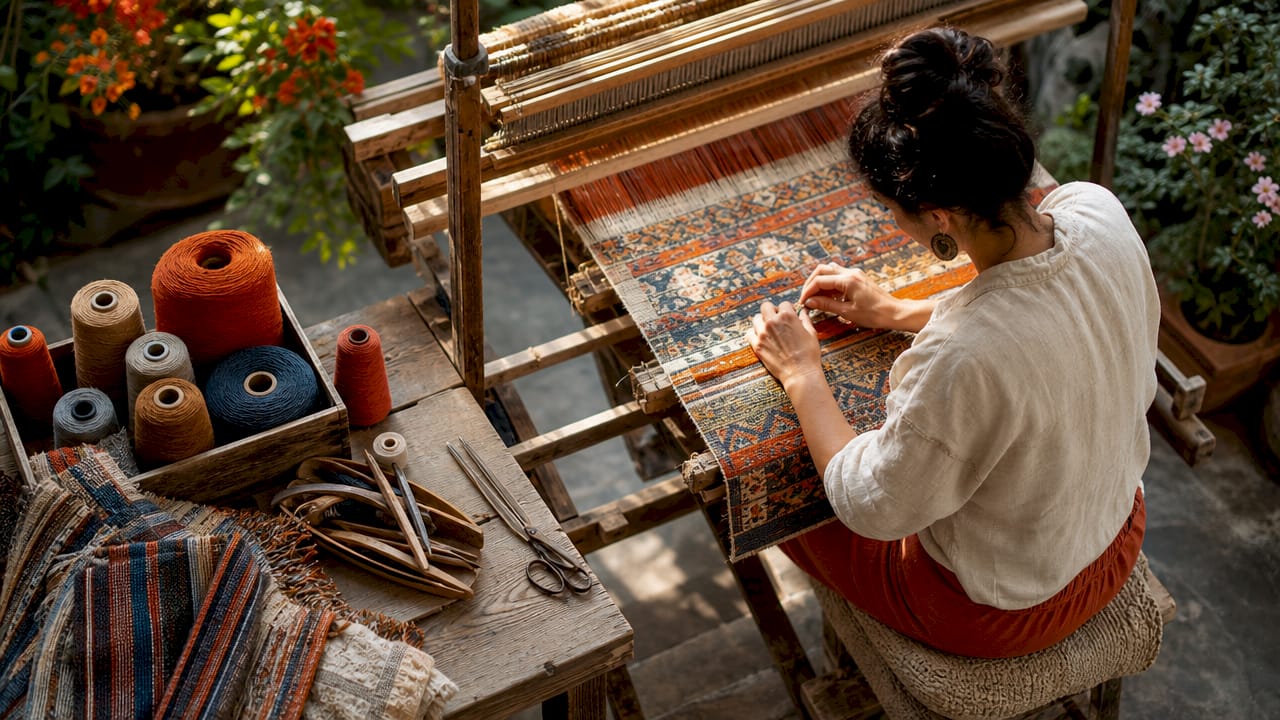
Tapestry type fabric is a heavy, jacquard-woven textile where the design is built directly into the fabric structure during weaving, not printed or painted on afterward. Typical weights run between 250–500 gsm, giving the cloth real body and structure that printed fabrics simply cannot match. That construction is what separates woven textile tapestry from decorative alternatives like canvas prints or embroidered cloth. For designers and crafters, understanding this distinction is the first step toward choosing the right material for upholstery, wall hangings, cushions, or statement drapery.
Tapestry fabric gets its character from the jacquard loom. The design is formed during weaving, not applied to a finished surface. That process creates a three-dimensional texture that flat printed or painted fabrics cannot replicate. The result is a cloth with visual depth, physical weight, and a surface that changes appearance depending on the light angle.
This construction also drives durability. Wool, silk, and linen fibers combined with complex weave structures resist wear over decades, which is why museum-quality historic pieces survive centuries of handling. A printed canvas, by contrast, fades and cracks because the design sits on top of the base material rather than within it.
Functionally, tapestry textiles do more than look good. Tapestries provide sound absorption and insulation, making them especially useful in rooms with high ceilings, exposed beams, or hard flooring. That acoustic benefit is one reason interior designers reach for woven textile materials when softening open-plan spaces.
Pro Tip: Evaluate tapestry quality by pressing your thumb firmly against the surface. A dense, high-quality weave will feel firm and show minimal distortion. A loose weave will shift under pressure and signal lower durability.
| Feature | Tapestry fabric | Printed canvas | Embroidered fabric |
|---|---|---|---|
| Design method | Woven into structure | Applied to surface | Stitched onto base cloth |
| Texture | 3D, dimensional | Flat | Raised at stitch points only |
| Durability | Very high | Moderate | Moderate to high |
| Weight (gsm) | 250–500 | 200–350 | Varies widely |
| Sound absorption | Yes | Minimal | Minimal |
Designers frequently weigh tapestry fabrics against chenille, brocade, velvet, and heavy cotton. Each has a distinct profile, and choosing the wrong one for a project wastes both money and effort.
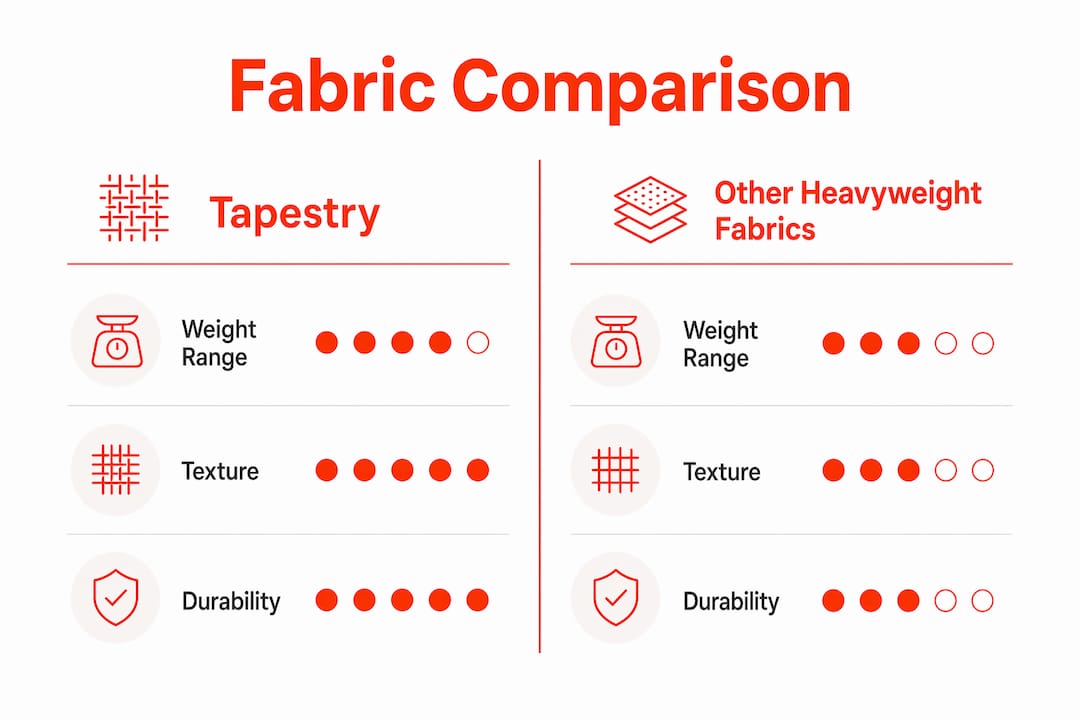
Chenille is soft and plush, making it comfortable for seating upholstery. It lacks the structural pattern integration of tapestry, so the surface design is less durable under repeated friction. Brocade shares the jacquard weaving process with tapestry but uses supplementary threads to create a raised pattern on a separate ground weave. That gives brocade a more formal, lustrous look suited to drapery and decorative pillows rather than heavy-use upholstery.
Velvet delivers exceptional softness and a rich visual depth, but its pile surface is vulnerable to crushing and marking. Heavy cotton is affordable and washable, but it lacks the fiber complexity and visual weight that fiber content provides in true tapestry textiles. Tapestry fabric sits at the intersection of durability, pattern complexity, and tactile richness that none of these alternatives fully replicate.
| Fabric | Weight range | Texture | Best use | Durability |
|---|---|---|---|---|
| Tapestry | 250–500 gsm | 3D, dimensional | Upholstery, wall art, cushions | Very high |
| Chenille | 200–400 gsm | Soft, plush | Seating, throws | Moderate |
| Brocade | 150–350 gsm | Raised, lustrous | Drapery, decorative pillows | High |
| Velvet | 200–450 gsm | Pile, smooth | Accent pieces, curtains | Moderate |
| Heavy cotton | 200–350 gsm | Flat, matte | Casual upholstery, crafts | Moderate |
For heavyweight fabric projects where pattern longevity and structural integrity matter, tapestry consistently outperforms the alternatives.
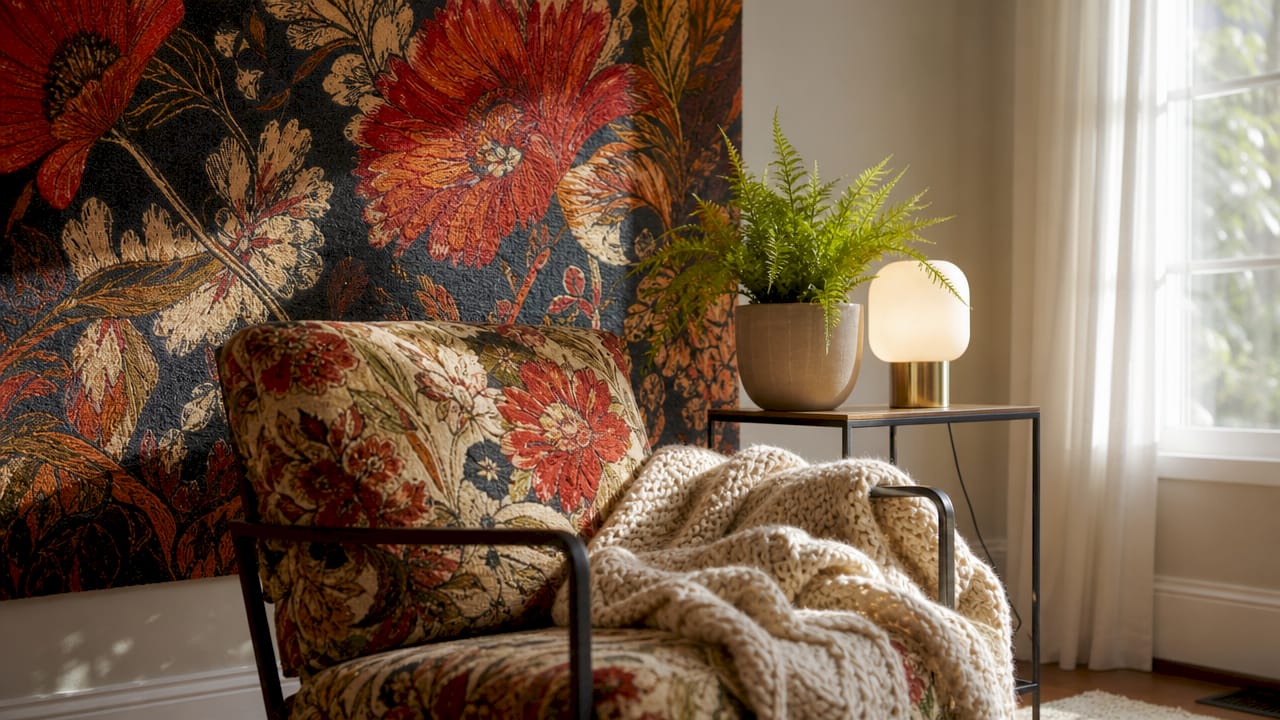
Tapestry uses have expanded well beyond the medieval wall hanging. Designers in 2026 are using woven textile materials as door replacements, room dividers, and focal-point installations in open-plan living spaces. The shift reflects a broader reaction against digital art saturation. A woven piece brings texture, warmth, and acoustic function that a framed print or screen simply cannot deliver.
For crafters and home decorators, the practical applications are wide:
Woven patterns range from traditional historic scenes to modern abstract and geometric designs. That range means tapestry fabric fits both a Victorian-era study and a minimalist Scandinavian interior. Contemporary designers are also recontextualizing vintage quilts and Welsh blankets as wall art, treating them as fabric tapestries rather than functional textiles.
Pro Tip: Mount wall hangings using a wooden support bar sewn into a fabric sleeve along the top edge. This distributes the weight evenly and prevents the weave from distorting or sagging over time.
For geometric and abstract pattern options that complement tapestry pieces, geometric quilting fabric works well as a coordinating accent in mixed-textile projects.
Choosing the right tapestry textile starts with two factors: weave density and fiber composition. Weave density and fiber type determine durability more than surface design alone. A visually striking piece with a loose weave and synthetic fibers will not hold up the way a dense wool or linen blend will.
Follow these steps when evaluating and caring for tapestry fabrics:
For drapery applications, pairing tapestry fabric with a quality cotton drapery lining extends the life of the piece and improves thermal performance.
Tapestry type fabric is defined by its jacquard-woven construction, which integrates the design into the cloth structure, producing durability, dimensional texture, and acoustic benefits that no printed or painted alternative can match.
| Point | Details |
|---|---|
| Structural definition | Tapestry fabric is jacquard-woven at 250–500 gsm, with the design built into the weave, not applied to the surface. |
| Durability advantage | Wool, silk, and linen fiber combinations produce tapestry textiles that resist wear over decades of use. |
| Functional benefits | Dense woven textiles absorb sound and provide insulation, making them practical choices beyond pure decoration. |
| Fabric comparison | Tapestry outperforms chenille, velvet, and heavy cotton in pattern durability and structural complexity for upholstery and wall art. |
| Care priorities | Limit sun exposure, clean gently, and store rolled rather than folded to preserve fiber integrity long term. |
I have worked with a lot of fabric categories over the years, and tapestry is the one that consistently surprises designers who encounter it seriously for the first time. Most people arrive thinking it is a historical curiosity, something for medieval-themed rooms or grandmother’s parlors. They leave understanding it as one of the most structurally sophisticated textiles available for contemporary interiors.
What I find genuinely compelling about woven tapestry textile in 2026 is the timing. Designers are actively choosing tapestries as a counterweight to digital art saturation, and that is not a nostalgic impulse. It is a functional one. A woven piece brings acoustic softening, thermal mass, and tactile richness to a space in a single installation. No framed print does that.
The craft angle is equally underrated. A tapestry fabric panel can become a bag, a cushion cover, a framed textile artwork, or an upholstered chair seat. The material rewards creativity precisely because its design is structural rather than superficial. You can cut it, sew it, mount it, and stretch it without the design degrading the way a printed surface would.
My honest recommendation: if you are choosing between a printed decorative fabric and a true woven tapestry textile for any project that will see regular use or public display, choose the tapestry. The upfront cost is higher, but the longevity and visual depth justify it every time.
— kev
Fabric-fabric carries a curated selection of heavyweight and decorative fabrics suited for the full range of tapestry-inspired projects, from upholstery and wall hangings to cushion covers and craft work.
The backdrop fabric collection includes options that work beautifully as statement wall pieces or structured upholstery panels. For designers and crafters who want to explore the full range of home decor fabric options, Fabric-fabric organizes its selection by use case, making it straightforward to find the right weight and texture for any project. Free shipping thresholds and seasonal promotions make stocking up on quality materials practical for both hobbyists and professionals.
Tapestry type fabric is a heavyweight, jacquard-woven textile where the pattern is integrated into the weave structure during production. Typical weights range between 250–500 gsm, giving the cloth significant body and durability.
Tapestry fabric forms its design on the loom during weaving, while printed fabric has its design applied to a finished surface. This makes tapestry far more durable and gives it a three-dimensional texture that printed alternatives cannot replicate.
Wool, silk, linen, and cotton are the most common fiber choices in tapestry textiles. Wool and linen offer the best durability and texture, while cotton blends provide a more affordable option for craft projects.
Yes. Tapestry fabric is one of the most suitable materials for upholstery because its woven construction resists surface wear far better than printed or embroidered alternatives. Its weight and density also make it structurally stable on chair frames and cushion forms.
Minimize direct sunlight exposure and vacuum gently with a brush attachment to remove dust. Mount pieces using a wooden support bar sewn into a fabric sleeve to distribute weight evenly and prevent sagging.