

 US Dollar

Specialty Fabric Sourcing Guide for Unique Projects
Posted by BLG on 2026 Feb 23rd
Posted by BLG on 2026 Feb 23rd

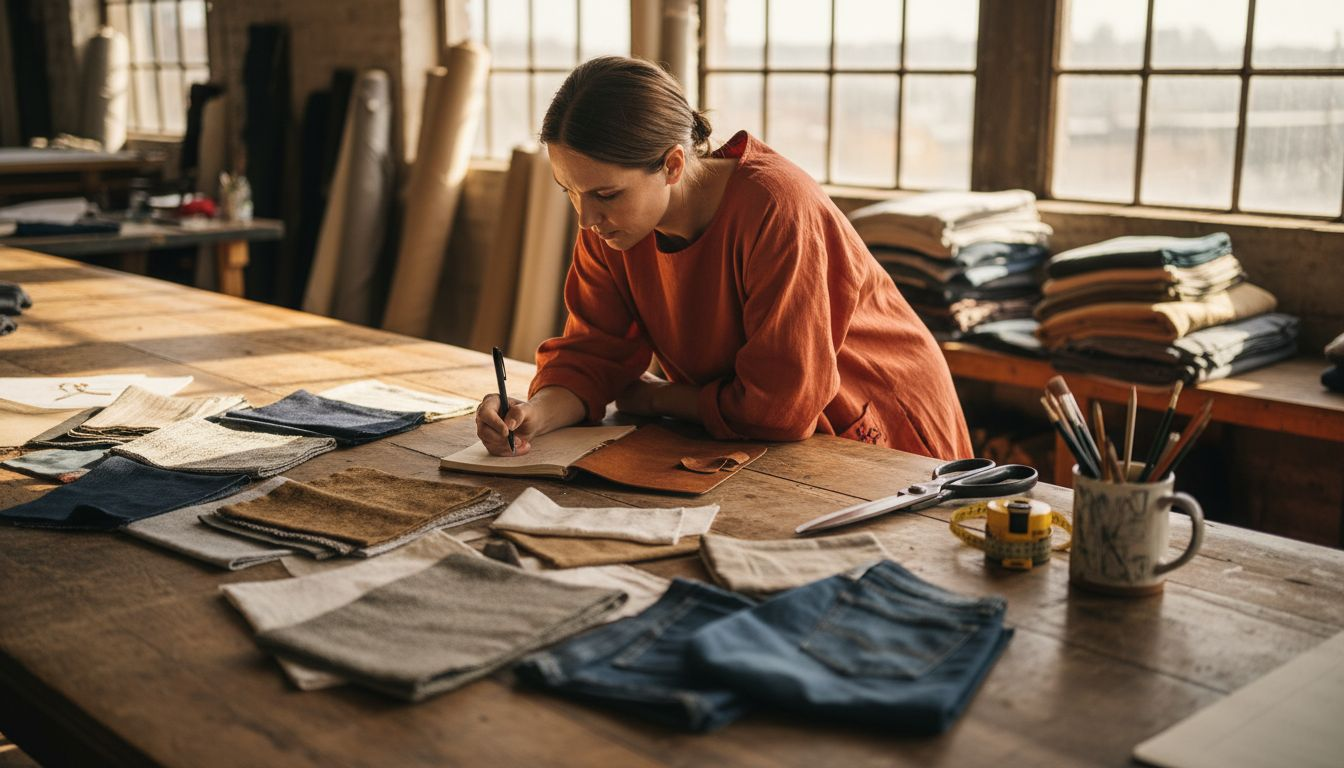
Finding the right specialty fabric for a quilt or decorator pillow can quickly get overwhelming with so many choices in the market. For every Canadian or American sewing enthusiast, knowing fabric strengths and properties is crucial to avoid costly mistakes and disappointment. This guide breaks down how to identify true project needs, understand essential fabric characteristics, and confidently select the best materials—helping you create one-of-a-kind, high-quality pieces that actually last. For each step, you’ll find clear strategies to save time and money while achieving your vision.
| Key Point | Explanation |
|---|---|
| 1. Define Your Project Requirements | Understand the specific needs of your project to select appropriate fabrics and avoid costly mistakes later on. |
| 2. Research Reliable Suppliers | Choose trusted suppliers based on your fabric needs, checking for transparency and quality considerations to ensure good purchases. |
| 3. Strategically Compare Fabric Options | Use detailed comparisons of fabric types, costs, and quality metrics to ensure you get the best value for your budget. |
| 4. Verify Fabric Quality Before Purchase | Confirm the authenticity and quality of the fabric through testing and supplier documentation to avoid subpar materials. |
Before you shop for specialty fabrics, you need to know exactly what you’re making and what the fabric needs to do. This step saves you money and prevents frustration later. You’ll evaluate your project’s demands and match them to real fabric characteristics.
Start by asking yourself these core questions about your project:
Your answers shape everything. A quilted wall hanging in a bedroom has completely different needs than a kitchen-adjacent decorator cushion that gets daily use.
Here’s a quick overview of how different fabric project types relate to essential fabric characteristics:
| Project Type | Critical Fabric Characteristic | Common Challenges |
|---|---|---|
| Quilted Wall Hanging | Dimensional stability | Colors may fade in sunlight |
| Decorative Pillow | Texture and drape | Attracts dust and pet hair |
| Outdoor Cushion | Stain resistance and colorfastness | Weather and moisture exposure |
| High-traffic Area Item | Durability, washability | Frequent washing may cause wear |
Next, understand what properties matter for your specific project. Understanding fabric characteristics like strength, flexibility, and dimensional stability helps you choose materials that actually perform. For quilts, you need stable, predictable cotton that won’t shift during piecing. For decorative pillows, you might prioritize texture and drape over durability. High-traffic items demand stain resistance and colorfastness.
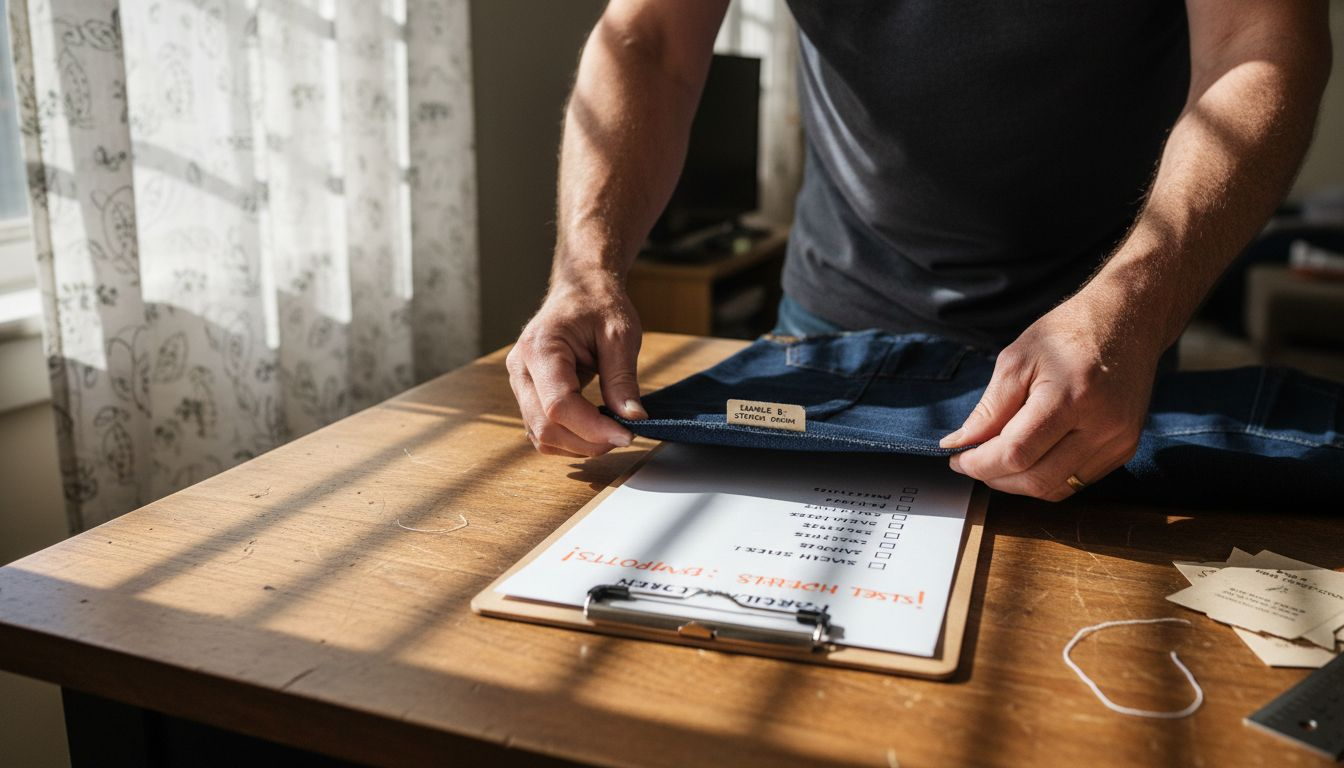
Write down your functional requirements. Does the fabric need to be washable? Should it resist fading from window light? Does it need to hold a crisp fold or drape softly? Will it contact moisture, food, or pets? These aren’t minor details—they determine which specialty fabrics will actually work.
Consider your skill level too. Complex projects with intricate piecing benefit from stable, forgiving fabrics. Newer quilters often struggle with slippery silks or stretchy knits. Save those for when you’re confident in your technique.
Your budget matters, but don’t let it drive the initial identification. First, identify what you truly need. Then source options that fit your requirements and wallet. The most affordable fabric is worthless if it doesn’t work for your project.
Spend 15 minutes upfront identifying your true requirements—it prevents buying mistakes that cost far more than planning time.
Pro tip: Create a simple one-page project profile with your answers to these questions before you start shopping; bring it with you or reference it when evaluating fabric options online to avoid impulse purchases that don’t match your actual needs.
Now that you know what your project needs, it’s time to find suppliers who can actually deliver quality specialty fabrics. This step determines whether you’ll get authentic materials at fair prices or end up with disappointing substitutes.
Start by identifying what type of supplier makes sense for your needs. Are you seeking domestic producers for faster shipping and transparency? Looking for organic or sustainably certified fabrics? Wanting access to niche specialty materials? Your project requirements guide which suppliers to prioritize.
Check established supplier directories for verified businesses. Access to U.S. manufacturer directories helps you source fabrics from vetted domestic producers with transparent supply chains. If you’re buying organic specialty fabrics, certified organic textile suppliers ensure your materials meet established standards rather than relying on unverified claims.
Evaluate suppliers using these key criteria:
Don’t rely on a single supplier. Building relationships with two or three trusted sources gives you options and protects against stock shortages. Diversifying also exposes you to different specialty fabric innovations and price points.
To help judge suppliers efficiently, here’s a summary comparison of three key specialty fabric supplier types:
| Supplier Type | Best For | Typical Strengths | Watch Outs |
|---|---|---|---|
| Domestic Producers | Fast shipping, transparency | Consistent quality, reliable supply | Higher costs, limited selections |
| Organic Certified | Eco-conscious projects | Verified standards, safer chemicals | May require larger orders |
| Niche Specialty Retailers | Unique, rare fabrics | Access to rare materials, expert advice | Unpredictable stock, higher prices |
Check if suppliers offer samples. Many quality fabric retailers provide swatches or small cuts so you can test how the fabric behaves before committing to yardage. This is invaluable for understanding drape, texture, and actual color.
Trustworthy suppliers welcome questions about fiber content, care requirements, and specific fabric properties without making you feel like you’re bothering them.
Pro tip: Before placing your first order with a new supplier, buy a small quantity or sample to test their quality, shipping speed, and accuracy; this prevents disappointment on larger purchases and builds confidence in the relationship.
With suppliers identified, you’re ready to evaluate your fabric choices side by side. This step prevents overspending and ensures you’re getting genuine quality for your money, not just paying for brand names or marketing hype.
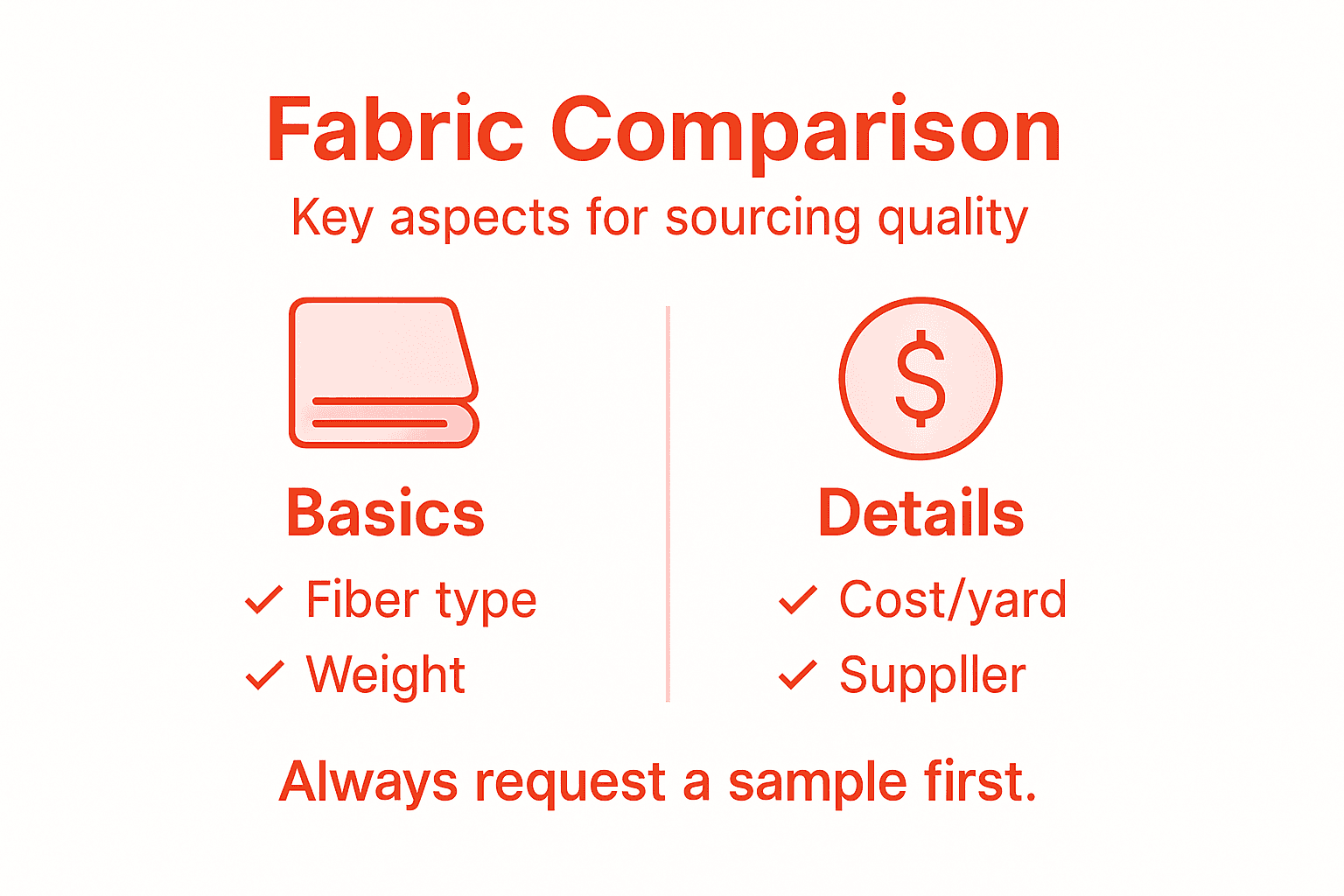
Start by gathering detailed information on each fabric option. Write down the fiber content, weight, thread count, special finishes, care requirements, and availability for every candidate. Comparing fabrics without this baseline data is like shopping blindfolded.
Calculate the true cost per yard or project. Understanding unit pricing requirements helps you compare costs accurately across different suppliers and quantities. Some retailers quote per yard, others by bolt, and specialty suppliers may have minimum orders. Normalize everything to the same measurement to see actual price differences.
Consider these pricing factors beyond the base cost:
Evaluate quality against price. The cheapest fabric isn’t always the best bargain if it requires special handling, frays excessively, or fades quickly. Quality specialty fabrics from reputable suppliers often cost more upfront but deliver better final projects and last longer.
Don’t skip sample comparison. Order swatches from your top two or three options and test them physically. See how the fabric feels, drapes, and holds color in your actual lighting. Sometimes what looks perfect online disappoints in person.
The goal isn’t finding the cheapest fabric; it’s finding the best value for your specific project needs at a fair price.
Pro tip: Create a simple spreadsheet comparing fiber content, price per yard, minimum order, return policy, and lead time for your top three options; this eliminates emotional decisions and gives you a clear picture of which supplier offers the best overall value.
Before committing to a large purchase, you need to confirm the fabric is genuine and meets the quality standards you expect. Counterfeit or misrepresented fabrics waste your money and undermine your projects.
Start with the label and documentation. Legitimate suppliers clearly state fiber content, fiber origin, care instructions, and any special treatments or certifications. If this information is vague, incomplete, or missing entirely, that’s a red flag.
Request detailed product specifications from the supplier. Ask about the fabric’s construction method, weight in grams per square meter, thread count if applicable, and any finishes applied. Reputable sellers provide this data willingly and can explain their sourcing practices.
Understand supply chain transparency for specialty fabrics. Modern supply chain traceability tools and technologies enable verification of fiber authenticity and quality standards. Ask suppliers whether they use traceability methods for their materials, especially for premium or organic fabrics.
Test the fabric yourself before full commitment:
Be skeptical of claims that seem too good. Genuine silk at ten dollars per yard or organic cotton at bargain prices might not be what they claim. Quality specialty fabrics cost appropriately for their materials and production standards.
Check for certifications when they matter. For organic fabrics, look for legitimate certifications like Global Organic Textile Standard. For performance fabrics, verify any technical certifications from recognized testing bodies.
If a supplier can’t or won’t explain their sourcing and quality practices, shop elsewhere.
Pro tip: Always request a small sample or swatch first, test it thoroughly at home under your actual lighting and usage conditions, and verify it meets your expectations before placing your full fabric order.
Sourcing the right specialty fabric can feel overwhelming with so many options and requirements to consider. Whether you need durable materials for high-traffic items or soft textures for decorative pieces understanding your project needs is key to success. At fabric-fabric.com we take the guesswork out of finding quality fabrics that meet your exact criteria.
Bulk Pricing - Fashion Fabrics offers an extensive selection of premium materials at competitive prices allowing you to choose fabrics that combine durability, colorfastness, and texture. For projects involving kids or intricate craftsmanship explore our Shop By Use - Kids Fabrics where safety and softness are prioritized without sacrificing style.
Get started now to avoid costly mistakes and delays in your specialty fabric sourcing. Explore trusted options backed by detailed descriptions, full content transparency, and easy sample requests on fabric-fabric.com. Make your unique project a reality with confidence and value today.
To determine the right fabric characteristics, start by evaluating the specific needs of your project. Consider factors like usage, washability, aesthetic preferences, and exposure to elements like sunlight or moisture.
Look for suppliers who specialize in the type of fabric you need, have a transparent supply chain, and provide detailed product specifications. Prioritize those with positive customer reviews and clear return policies to ensure a reliable purchasing experience.
You can compare costs by calculating the true price per yard and considering additional factors like shipping and bulk discounts. Normalize all costs to the same measurement to see actual price differences, which helps in making informed decisions.
To verify fabric quality, request detailed product specifications and look for information on fiber content and origin. Always test a small swatch for feel, weight, and colorfastness to ensure it meets your expectations.
To avoid impulse purchases, create a one-page project profile that outlines your specific fabric requirements before shopping. Reference this profile when evaluating fabric options to ensure your choices align with your actual needs.