

 US Dollar

Why Choose Specialty Fabric for Unique Projects
Posted by BLG on 2025 Dec 12th
Posted by BLG on 2025 Dec 12th

Most people think specialty fabrics are just for luxury or extravagant fashion, yet over half of American designers regularly use these advanced textiles in practical projects. Specialty fabrics go far beyond basic material choices, delivering precision solutions for challenges that standard fabrics cannot handle. Understanding what sets specialty fabrics apart can change the way you approach design, helping you separate long-standing myths from real material benefits.
| Point | Details |
|---|---|
| Specialty Fabrics Defined | Specialty fabrics are unique textiles designed for specific performance, offering advanced functionalities that standard fabrics cannot match. |
| Misconceptions Addressed | Contrary to belief, specialty fabrics are not just expensive; they provide targeted solutions and vary in price, combining luxury with functionality. |
| Key Categories | Notable types include smart fabrics, performance athletic fabrics, and sustainable options, reflecting a diverse and innovative textile landscape. |
| Investment Value | Specialty fabrics, while potentially costly upfront, offer long-term durability and performance benefits that justify the investment. |
Specialty fabrics represent unique textile materials designed for specific performance characteristics and specialized applications beyond standard fabric offerings. Unlike mass-produced textiles, these fabrics are crafted with distinctive properties that elevate them from ordinary materials into extraordinary design solutions. Understanding wool fiber characteristics reveals the nuanced engineering behind these remarkable textiles.
Contrary to popular misconceptions, specialty fabrics are not simply expensive or impractical materials. They are strategically developed textiles with targeted functionalities that solve specific design challenges. For instance, cashmere represents more than luxury - it embodies precision textile engineering. Cashmere’s intricate production standards demonstrate the meticulous processes that distinguish specialty fabrics from standard materials.
Key characteristics of specialty fabrics typically include:
While many assume specialty fabrics are exclusively high-end or prohibitively expensive, the reality is more nuanced. These textiles range from moderately priced technical materials used in outdoor gear to premium designer textiles. The value lies not in pure cost, but in the specialized engineering that transforms ordinary fabric into extraordinary material solutions tailored for specific creative and functional needs.
Specialty fabrics represent an innovative landscape of textile technologies, ranging from traditional performance materials to cutting-edge smart textiles. Textile innovations are transforming fashion design through advanced material engineering that pushes traditional fabric boundaries. These specialized textiles go far beyond conventional fabric offerings, delivering unique properties tailored for specific applications.
Among the most exciting specialty fabric categories are smart fabrics which integrate technological capabilities directly into textile structures. These remarkable materials can change color, monitor physiological metrics, adapt to environmental conditions, and even self-repair. Emerging smart fabric types include sensor-enabled garments, temperature-responsive materials, and textiles with embedded electronic components that expand traditional clothing functionality.
Key specialty fabric categories include:
The diversity of specialty fabrics reflects ongoing technological innovation. From moisture-wicking athletic wear to flame-resistant industrial textiles, these materials represent sophisticated solutions engineered to solve complex design challenges. Types of Wholesale Fabrics Every Designer Should Know can provide additional context for designers seeking comprehensive textile understanding, showcasing how specialized fabrics transform creative possibilities across multiple industries.
Specialty fabrics distinguish themselves from standard textiles through remarkable performance capabilities that transform traditional material limitations. Technical fabric innovations demonstrate extraordinary advantages in durability, functionality, and adaptability across diverse environments. These advanced materials are engineered to solve complex design challenges that conventional fabrics cannot address.

Nonwoven specialty fabrics provide exceptional mechanical protection and barrier properties that standard textiles simply cannot match. While traditional fabrics offer basic coverage, specialty fabrics integrate sophisticated engineering that enhances performance, comfort, and functionality. This technological leap allows designers and manufacturers to create products with unprecedented capabilities.
Key performance advantages of specialty fabrics include:
The transformative potential of specialty fabrics extends far beyond conventional textile applications. Sustainable fabric selection represents another critical dimension where specialty materials outperform standard options. These innovative textiles not only solve immediate design challenges but also contribute to broader goals of performance, sustainability, and technological advancement across multiple industries.
Sustainable sewing techniques reveal the incredible versatility of specialty fabrics across design and crafting disciplines. Specialty fabrics are not just materials - they are creative solutions that transform how designers and makers approach their projects. From intricate quilting to professional garment construction, these advanced textiles offer unprecedented flexibility and performance.
Crafters and designers leverage specialty fabrics to solve complex design challenges with remarkable precision. Marine textile innovations demonstrate how specialized materials can be engineered for extreme environments, providing inspiration for creative problem-solving across multiple disciplines. Whether developing outdoor gear, performance clothing, or artistic installations, specialty fabrics provide tools that traditional textiles cannot match.
Practical applications for specialty fabrics span numerous creative domains:
The true power of specialty fabrics lies in their ability to transform creative vision into tangible reality. Fabric selection process becomes an art form when designers understand the nuanced capabilities of these extraordinary materials. By selecting the right specialty fabric, creators can elevate their projects from ordinary to extraordinary, unlocking new dimensions of design potential.
Specialty fabrics represent a strategic investment that transcends traditional textile considerations. Textile life expectancy guidelines reveal that carefully selected specialty materials can significantly outlast conventional fabrics, offering superior long-term value despite higher initial costs. Understanding the nuanced economics of these advanced textiles requires a comprehensive approach to evaluating performance, durability, and maintenance requirements.
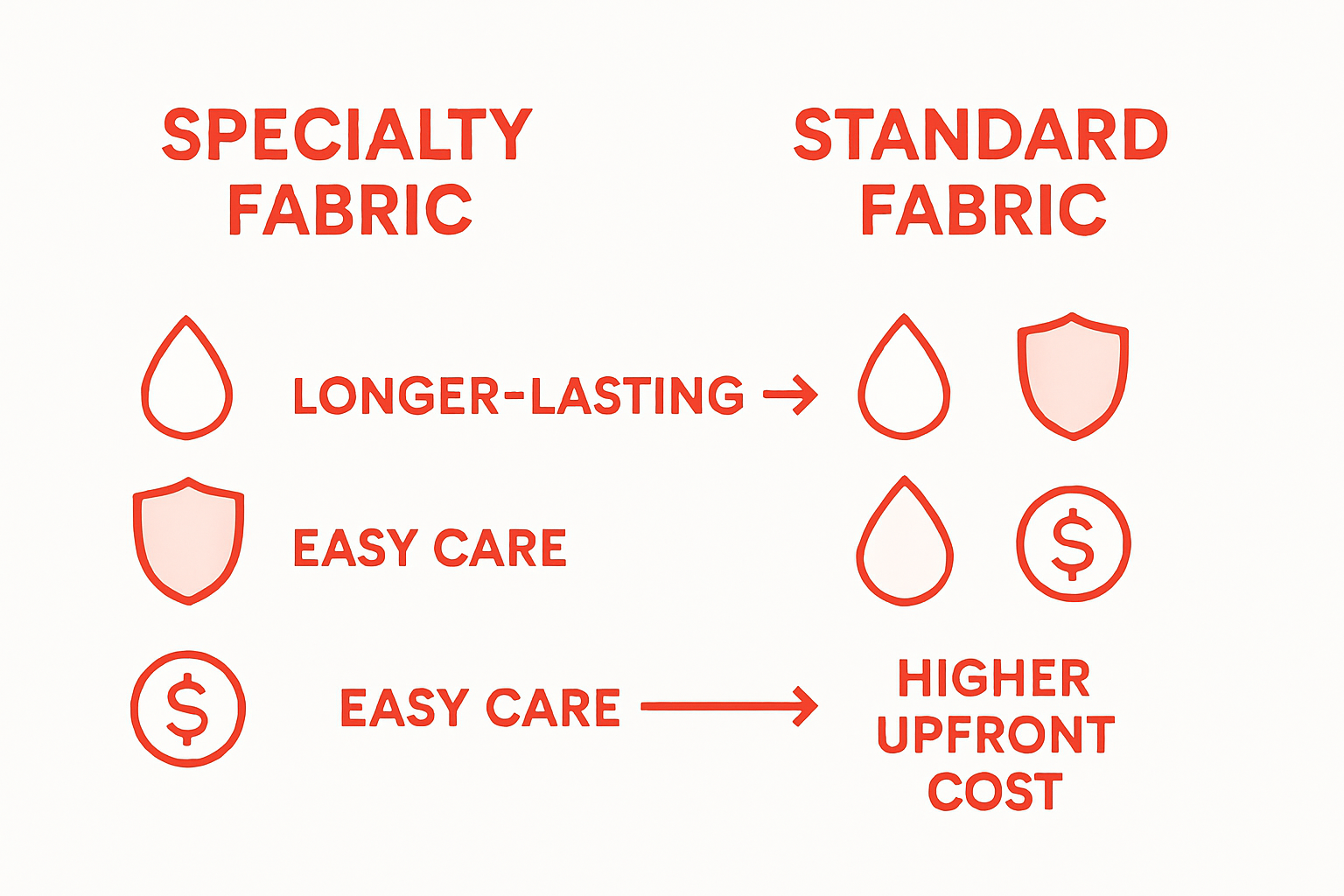
Fabric composition choices play a critical role in determining overall fabric longevity and sustainability. Pure natural fibers and carefully engineered specialty fabrics demonstrate remarkable resistance to wear, maintaining structural integrity and aesthetic quality far longer than standard textile alternatives. This extended lifecycle represents a crucial economic advantage, offsetting higher upfront expenses through reduced replacement frequency.
Key cost and longevity considerations include:
The true value of specialty fabrics emerges through a holistic assessment that considers long-term performance rather than immediate price. Creators who approach textile selection as a strategic decision will discover that specialty fabrics offer exceptional return on investment, transforming initial expenses into lasting creative potential.
Taking on creative projects means facing challenges like finding the right material that combines durability, aesthetics, and specialized functions. This article highlights how specialty fabrics offer enhanced performance, targeted functionality, and exceptional longevity that standard textiles cannot match. If you want your designs to stand out and last longer while solving real-world problems, choosing the right specialty fabric is key.
Explore a diverse selection of expertly crafted fabrics for apparel, home decor, quilting, and crafts at Fabric-Fabric.com. Our online store features detailed descriptions and user-friendly navigation to help you find specialty textiles like satin, velvet, lace, and more that elevate your creative vision.
Ready to bring innovation and expert craftsmanship to your next project? Visit Fabric-Fabric.com now to browse our premium fabrics. Discover how the right specialty fabric can transform your work with enhanced durability, unique textures, and practical features. Don’t settle for ordinary when extraordinary is just a click away.
Specialty fabrics are unique textile materials engineered for specific performance characteristics and applications beyond standard fabric offerings. They often possess enhanced durability, unique textures, and specialized functionalities tailored for particular environments.
Specialty fabrics are designed with advanced manufacturing techniques to provide benefits like superior weather resistance, moisture management, and specialized protective characteristics. In contrast, standard fabrics typically offer basic coverage without these enhanced features.
Common types of specialty fabrics include performance athletic fabrics, technical industrial textiles, medical and protective wear materials, smart textiles, and sustainable regenerative fabrics, each catering to specific applications and challenges.
Yes, specialty fabrics represent a strategic investment as they typically outlast conventional fabrics, providing long-term value. Although they may come with higher initial costs, their durability and functionality can reduce replacement frequency and maintenance, ultimately offering a better return on investment.