

 Canadian Dollars

Sofa fabric types: expert guide to choosing in 2026
Posted by BLG on 2026 Mar 7th
Posted by BLG on 2026 Mar 7th

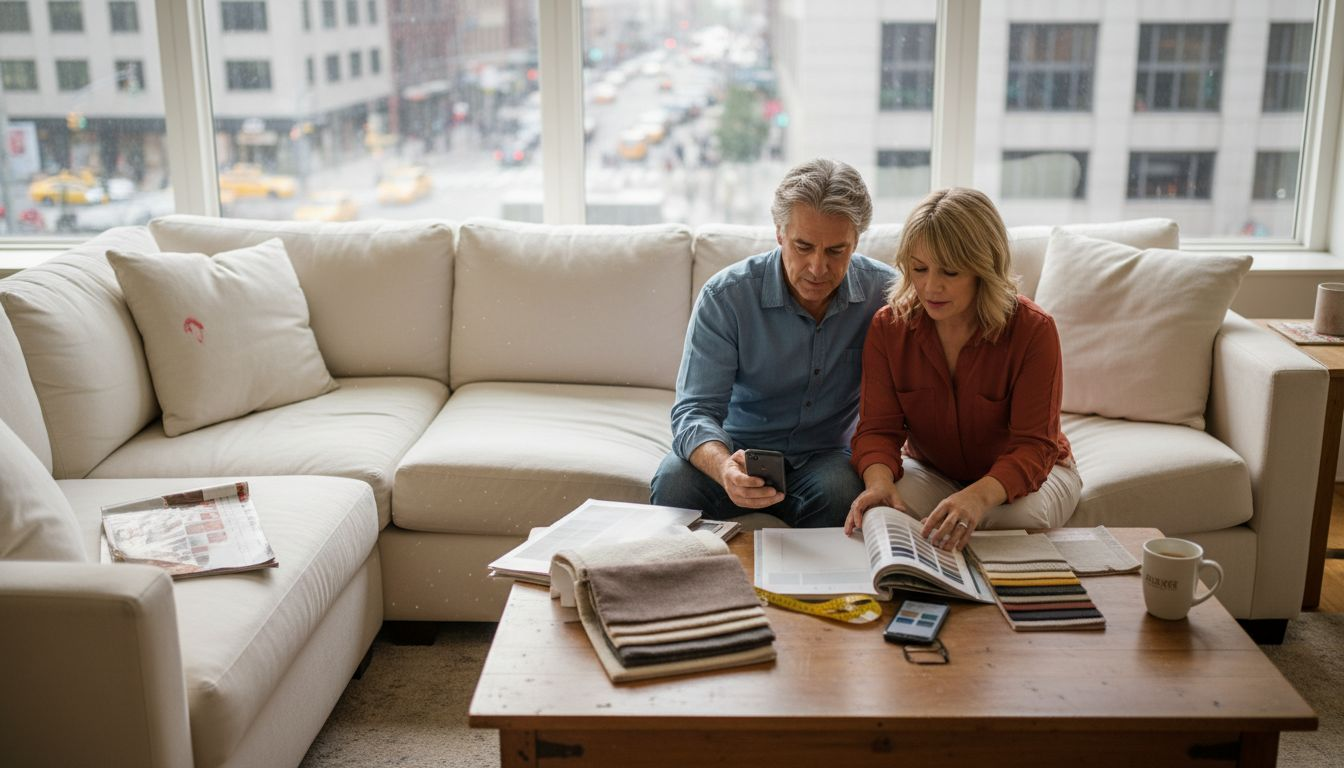
Selecting the right sofa fabric feels overwhelming when you face dozens of material options, each promising different benefits. Understanding key criteria like durability ratings, stain resistance, comfort levels, and maintenance requirements helps you navigate choices confidently. This guide breaks down the most popular sofa fabric types with specific performance data, empowering you to match fabric characteristics to your lifestyle, budget, and design vision for a sofa that lasts and looks great.
| Point | Details |
|---|---|
| Selection criteria | Durability, stain resistance, comfort, price, and maintenance define fabric suitability for different households. |
| Top performers | Microfiber and performance fabrics deliver highest durability and stain resistance for active homes. |
| Luxury trade-offs | Velvet offers rich texture but requires professional care and suits low-traffic areas only. |
| Natural options | Cotton and linen provide breathable comfort but need more maintenance and suit gentle use. |
| Outdoor champions | Olefin and acrylic resist moisture and UV damage, perfect for sunrooms and patios. |
Before diving into specific fabric types, understanding the core evaluation criteria ensures you prioritize what matters most for your situation. Durability stands as the foundation, measured in double rub counts that indicate how many abrasion cycles a fabric withstands before showing wear. Heavy-use sofas need at least 30,000 double rubs, while light-use pieces function well at 15,000.
Stain and moisture resistance directly impact how easily you maintain your sofa and how long it stays attractive. Fabrics treated for stain protection or naturally resistant materials save time and money on cleaning. Comfort and tactile feel affect daily satisfaction, with softer textures inviting relaxation but sometimes requiring gentler care.
Price ranges vary dramatically based on fiber content, manufacturing processes, and brand positioning. Budget-conscious shoppers find excellent options in synthetic blends, while luxury seekers invest in premium natural fibers or high-tech performance fabrics. Maintenance requirements span from simple water-based spot cleaning to professional-only care every year.
Aesthetic considerations include colorfastness, which prevents fading from sunlight exposure, and texture variety that matches your interior design style. A comprehensive fabric selection guide helps balance these factors based on your priorities.
Pro Tip: Test fabric samples in your actual room lighting and against existing décor before committing to large yardage purchases.
Key selection factors to evaluate:
Systematic evaluation process:
Microfiber dominates the practical upholstery market because it delivers exceptional performance at accessible prices. This synthetic material consists of ultra-fine polyester fibers woven tightly together, creating a soft surface that mimics suede while resisting wear remarkably well. Microfiber fabrics exceed 40,000 double rubs and handle heavy daily use without pilling or thinning.
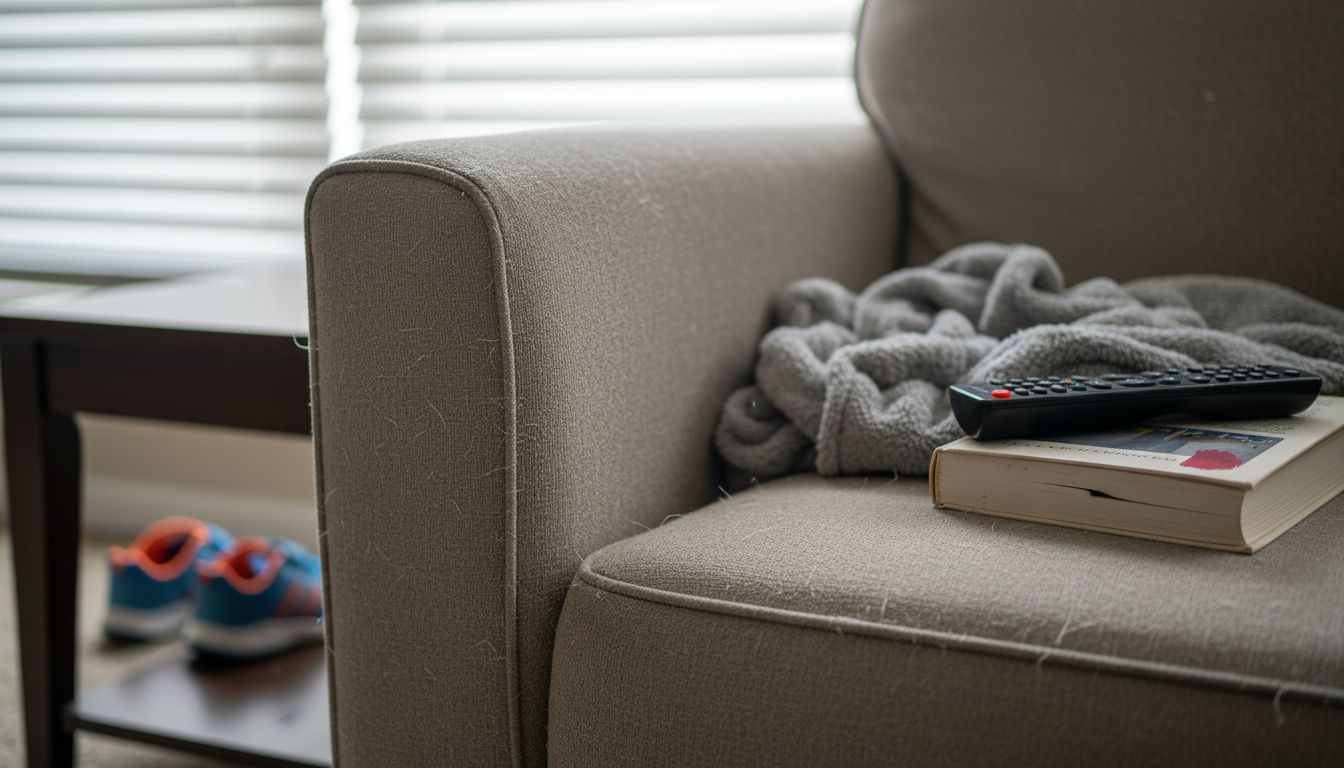
Stain resistance ranks among microfiber’s strongest advantages, with most spills wiping away using only water and mild soap. The tight weave prevents liquids from penetrating deep into fibers, giving you time to address accidents before they set. Families with young children and pet owners appreciate this forgiving characteristic that maintains appearance despite frequent mishaps.
Budget considerations favor microfiber, typically priced 30 to 50 percent lower than natural fiber alternatives or luxury synthetics. This cost efficiency doesn’t sacrifice quality, making it an intelligent choice for first-time upholstery projects or rental properties. The fabric also resists fading from sunlight better than many cotton or linen options.
Comfort levels satisfy most users, though breathability falls slightly below natural fibers. The synthetic composition traps more heat, which some find less comfortable during warm months. However, the soft texture and variety of colors available through retailers like those offering types of upholstery fabric for sofa compensate for this minor limitation.
Microfiber advantages:
Pro Tip: Use a soft brush attachment on your vacuum weekly to prevent dust buildup in microfiber’s fine weave and maintain its soft feel.
Velvet transforms any sofa into a statement piece with its distinctive pile that catches light beautifully and feels luxurious to touch. This woven fabric features cut fibers standing upright, creating depth and richness that synthetic alternatives struggle to replicate. The visual impact makes velvet a designer favorite for formal living rooms and sophisticated spaces.
Durability considerations require realistic expectations, as velvet has durability around 20,000 double rubs and suits low-traffic environments best. Heavy use causes pile crushing that creates permanent shiny patches and worn areas. Families with active lifestyles or pets should reserve velvet for accent chairs rather than primary seating.
Maintenance demands professional attention to preserve velvet’s appearance and texture. Home cleaning attempts often damage the delicate pile, leaving visible streaks or matted sections. Professional cleaners use specialized techniques that lift dirt without crushing fibers, though this service adds ongoing ownership costs.
Price positioning reflects velvet’s premium status, with quality options starting at twice the cost of microfiber and climbing higher for silk-blend varieties. The investment makes sense for style-focused rooms where the sofa serves as a focal point rather than a workhorse. Understanding velvet vs velour difference helps you select the right pile height and durability level.
Velvet characteristics:
Cotton brings natural breathability and classic appeal to sofa upholstery, offering a time-tested option that feels familiar and comfortable. This plant-based fiber allows air circulation better than synthetics, preventing the heat buildup that makes some sofas uncomfortable during warmer months. The soft hand and matte finish suit traditional and casual interior styles equally well.
Durability falls into the moderate range, with most cotton upholstery fabrics testing between 15,000 and 20,000 double rubs. This performance level works fine for guest rooms, formal living areas, or homes with minimal traffic. Active family rooms and daily-use sofas overwhelm cotton’s resistance, leading to premature wear and pilling.
Stain vulnerability presents cotton’s primary challenge, as untreated natural fibers absorb liquids quickly and release them reluctantly. Protective treatments improve resistance but never match synthetic alternatives. Immediate attention to spills becomes essential, with blotting preferred over rubbing that spreads stains deeper into the weave.
Affordability makes cotton accessible, priced competitively with entry-level synthetics while offering superior breathability. The wide availability and established supply chains keep costs reasonable. Exploring 7 types of upholstery fabrics reveals how cotton compares across the full upholstery spectrum.
Cotton sofa fabric features:
Engineered performance fabrics represent the cutting edge of upholstery technology, combining extreme durability with nearly bulletproof stain resistance. Brands like Crypton and Sunbrella embed protective barriers at the molecular level rather than applying surface coatings that wear away. This construction delivers consistent performance throughout the fabric’s lifespan.
Durability ratings regularly exceed 50,000 double rubs, with some commercial-grade options surpassing 100,000 cycles. This resilience makes performance fabrics ideal for sofas that see constant use, from family media rooms to waiting areas. The fabrics maintain their appearance and structural integrity far longer than traditional alternatives.
Stain resistance approaches legendary status, repelling over 90 percent of common household threats including red wine, coffee, pet accidents, and food spills. Most messes wipe clean with a damp cloth and mild detergent, eliminating the anxiety that accompanies light-colored upholstery. This confidence allows bolder color choices that might otherwise feel too risky.
Versatility extends to indoor and outdoor applications, with many performance fabrics resisting moisture, mildew, and UV fading equally well in both environments. This crossover capability suits sunrooms, covered patios, and spaces with floor-to-ceiling windows. Resources like best upholstery fabrics 2025 comparison highlight performance fabric advantages.
Premium pricing reflects the advanced manufacturing processes and proprietary technologies these fabrics employ. Expect to invest 50 to 100 percent more than standard synthetics, though the extended lifespan and reduced maintenance costs often justify the upfront expense.
Performance fabric benefits:
Pro Tip: Request outdoor-rated performance fabrics even for indoor use if your sofa sits near large windows, as UV protection prevents fading that ruins appearance prematurely.
Linen carries a relaxed, organic aesthetic that works beautifully in coastal, farmhouse, and European-inspired interiors. The natural texture and subtle slubs create visual interest and tactile variety that perfectly tailored fabrics lack. This plant-based fiber breathes exceptionally well, staying cool even during extended sitting periods.
Durability limitations become apparent with regular use, as linen fabrics achieve about 15,000 double rubs and suit gentle handling best. The fiber’s natural softness means less abrasion resistance compared to cotton or synthetics. Occasional-use furniture like guest room sofas or decorative settees match linen’s capabilities appropriately.
Wrinkling tendencies give linen both character and challenges, depending on your perspective. The natural creasing that occurs with use contributes to the fabric’s casual charm but bothers those who prefer crisp, smooth appearances. Accepting this characteristic as part of linen’s personality prevents disappointment.
Maintenance requirements include professional cleaning every 12-18 months to maintain condition and prevent permanent soiling. Between professional services, gentle vacuuming and immediate spot treatment handle routine care. The natural fiber composition makes linen more delicate than synthetics during cleaning.
Linen works wonderfully in specific contexts where its attributes align with usage patterns and style preferences. Understanding these boundaries through resources like essential sofa fabric names elevate your decor helps you make appropriate selections. External perspectives on linen upholstery benefits and drawbacks provide additional context.
Linen upholstery qualities:
Synthetic upholstery fabrics offer practical solutions that balance durability, easy maintenance, and budget accessibility. Polyester blends and faux leather lead this category, each bringing distinct advantages to sofa applications. These manufactured materials resist common problems that plague natural fibers while delivering consistent quality.
Colorfastness represents a major synthetic advantage, with pigments bonded at the molecular level resisting fading from sunlight and cleaning. This stability keeps your sofa looking fresh years longer than natural fabrics that gradually lose vibrancy. Bold colors and deep tones remain true without the protective window treatments natural fibers often require.
Durability varies by specific construction, with quality faux leather achieving around 35,000 double rubs and polyester blends ranging from 25,000 to 40,000 cycles. These performance levels suit most residential applications comfortably. The materials resist pilling, fuzzing, and fiber breakdown better than cotton or linen alternatives.
Cleaning simplicity makes synthetics popular for busy households, as most spills wipe away with damp cloths and gentle cleaners. Faux leather especially excels here, with non-porous surfaces preventing liquid absorption entirely. This ease reduces long-term ownership costs and maintenance time.
Breathability compromises represent the primary trade-off, as synthetic materials trap more heat than natural fibers. Some users find this uncomfortable during extended sitting periods or warm weather. However, the practical benefits often outweigh this consideration for families prioritizing durability and stain resistance. Exploring essential sofa fabric names reveals the full synthetic options landscape.
Synthetic fabric advantages:
Olefin and acrylic fabrics shine in challenging environments where moisture, sunlight, and abrasion converge. These synthetic materials resist degradation from elements that destroy natural fibers, making them ideal for outdoor furniture, sunrooms, and high-humidity locations. The specialized performance justifies their place in the upholstery fabric lineup.
Moisture resistance sets olefin apart, absorbing 50 percent less water than cotton or polyester. This characteristic prevents mildew growth and moisture-related odors that plague outdoor cushions. Acrylic shares similar properties while adding enhanced UV stability that prevents color fading even under direct sun exposure.
Abrasion resistance handles the rough treatment outdoor furniture endures, from sandy beachwear to pet claws. These fabrics maintain structural integrity through conditions that would quickly damage cotton, linen, or even standard polyester. The durability supports years of outdoor service without replacement.
Color retention under sunlight exposure makes olefin and acrylic uniquely suited for bright spaces. While most fabrics fade noticeably within two to three years of sun exposure, these materials maintain vibrancy for five years or longer. This longevity reduces the frequency of reupholstery projects and preserves your design vision.
Versatility allows blending outdoor-capable fabrics into indoor schemes, especially for homes with floor-to-ceiling windows or open-plan designs connecting indoor and outdoor spaces. The performance characteristics provide peace of mind without sacrificing style options. Resources like drapery fabric options 2025 comparison show how these materials fit broader fabric selections.
| Feature | Olefin | Acrylic |
|---|---|---|
| Moisture Absorption | 50% less than cotton | 40% less than cotton |
| UV Resistance | Excellent | Superior |
| Abrasion Rating | 30,000+ double rubs | 25,000+ double rubs |
| Color Retention | 5+ years | 6+ years |
| Best Use | Outdoor sofas, marine | Sunrooms, patios |
Olefin and acrylic characteristics:
Choosing the right sofa fabric becomes straightforward when you match performance characteristics to your specific needs and lifestyle. The comparison table below consolidates key metrics for quick reference, helping you identify fabrics that align with your priorities.
| Fabric Type | Durability (Double Rubs) | Stain Resistance | Comfort Level | Price Range | Best For |
|---|---|---|---|---|---|
| Microfiber | 40,000+ | High | Good | $ | Families, pets, heavy use |
| Velvet | 20,000 | Moderate | Excellent | $$$ | Low-traffic, formal spaces |
| Cotton | 15,000-20,000 | Low | Excellent | $ | Guest rooms, light use |
| Performance | 50,000+ | Very High | Good | $$$$ | Active homes, versatile use |
| Linen | 15,000 | Low | Excellent | $$ | Casual, gentle use |
| Polyester Blends | 25,000-40,000 | High | Moderate | $ | Budget-conscious, practical |
| Faux Leather | 35,000 | Very High | Moderate | $$ | Easy maintenance, modern |
| Olefin/Acrylic | 25,000-30,000 | High | Moderate | $$ | Outdoor, sunrooms |
Recommendations by household type guide you toward suitable options. Families with young children or pets should prioritize microfiber or performance fabrics that forgive daily mishaps and clean easily. The investment in performance fabrics pays dividends through extended lifespan and reduced stress over inevitable spills.
Style-focused households with controlled traffic can explore velvet, linen, or cotton for their superior aesthetics and comfort. These fabrics shine when protected from heavy use and given appropriate maintenance. The visual and tactile rewards justify the extra care for those who value design impact.
Budget-conscious shoppers find excellent value in microfiber and polyester blends that deliver solid performance without premium pricing. These fabrics prove that cost-effective doesn’t mean compromising on durability or appearance. Smart selection within this category creates attractive, long-lasting results.
Outdoor and sunroom applications demand olefin, acrylic, or outdoor-rated performance fabrics that resist moisture and UV damage. Standard indoor fabrics fail quickly in these environments, making specialized materials essential. The upfront investment prevents premature replacement and ongoing frustration.
Trade-off considerations help set realistic expectations. High durability often comes with reduced breathability, while natural comfort typically requires more maintenance. No single fabric excels in every category, so prioritizing your must-have features guides you to the best compromise for your situation. Consulting resources like types of upholstery fabric for sofa and best upholstery fabrics comparison provides additional decision support.
Selection guidelines:
Pro Tip: Order fabric samples and live with them for a week, testing how they respond to your actual household conditions before committing to full upholstery yardage.
Now that you understand the key characteristics and trade-offs across sofa fabric types, you can shop confidently for materials that match your needs. Fabric Fabric offers a curated selection of premium upholstery fabrics spanning all the categories discussed in this guide, from durable microfiber to luxurious velvet and high-performance outdoor options.
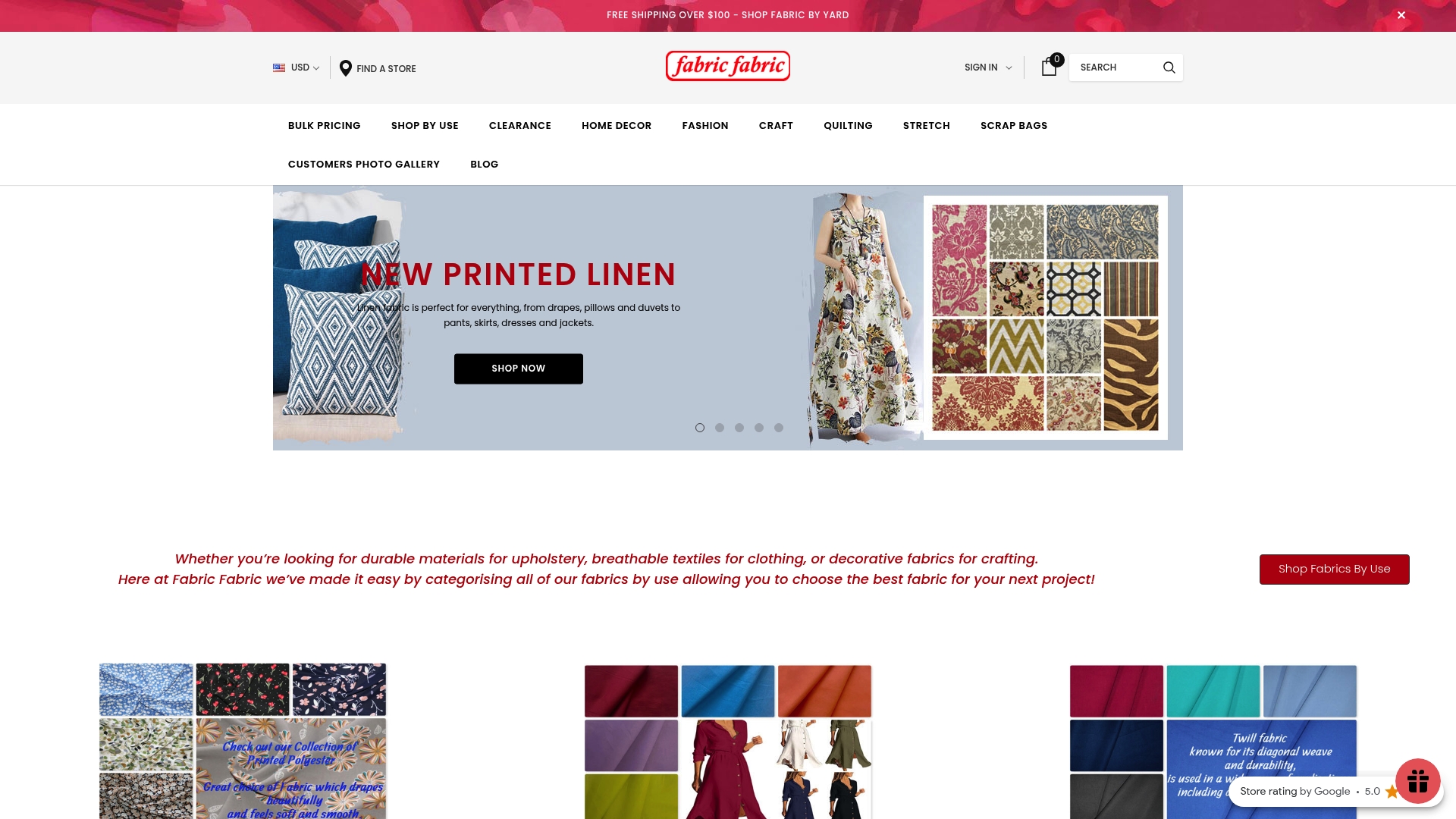
The website’s organized collections make browsing efficient, with detailed specifications including durability ratings, care instructions, and color options for each fabric. Expert recommendations aligned with current upholstery trends for 2026 help you stay on-trend while making practical choices. Whether you’re tackling a DIY reupholstery project or working with a professional, finding the right fabric becomes straightforward. Explore options like backdrop fabrics to see the quality and variety available for your sofa transformation.
Durability is measured in double rubs, indicating fabric resistance to abrasion through standardized testing. Higher double rub values mean longer-lasting fabric suitable for frequent use. Request this specification from retailers before purchasing to ensure the fabric matches your expected usage level.
Microfiber and performance fabrics excel with high durability and stain resistance that forgive daily mishaps. They clean easily with water-based solutions and withstand heavy use without showing premature wear. These practical choices reduce stress and maintenance time for active households.
Velvet requires professional cleaning to maintain softness and prevent pile damage from home cleaning attempts. Linen wrinkles easily and benefits from professional cleaning every 12 to 18 months to preserve condition. Both fabrics suit gentle use environments where their beauty justifies the extra maintenance attention.
Synthetic fabrics are durable and easy to maintain but may lack the breathability of natural fibers. Natural fabrics like cotton and linen offer enhanced softness and airflow that some users prefer for extended sitting. The comfort difference varies by individual preference and climate conditions.