

 US Dollar

Polyester Cotton Blend Fabric: Uses, Care, and Benefits
Posted by BLG on 2026 Jul 10th
Posted by BLG on 2026 Jul 10th

TL;DR:
- Polyester cotton blends combine polyester’s durability with cotton’s softness, offering versatile performance for various projects.
- Proper care involves washing in cool water, drying on low heat, and avoiding fabric softeners to extend fabric life and maintain appearance.
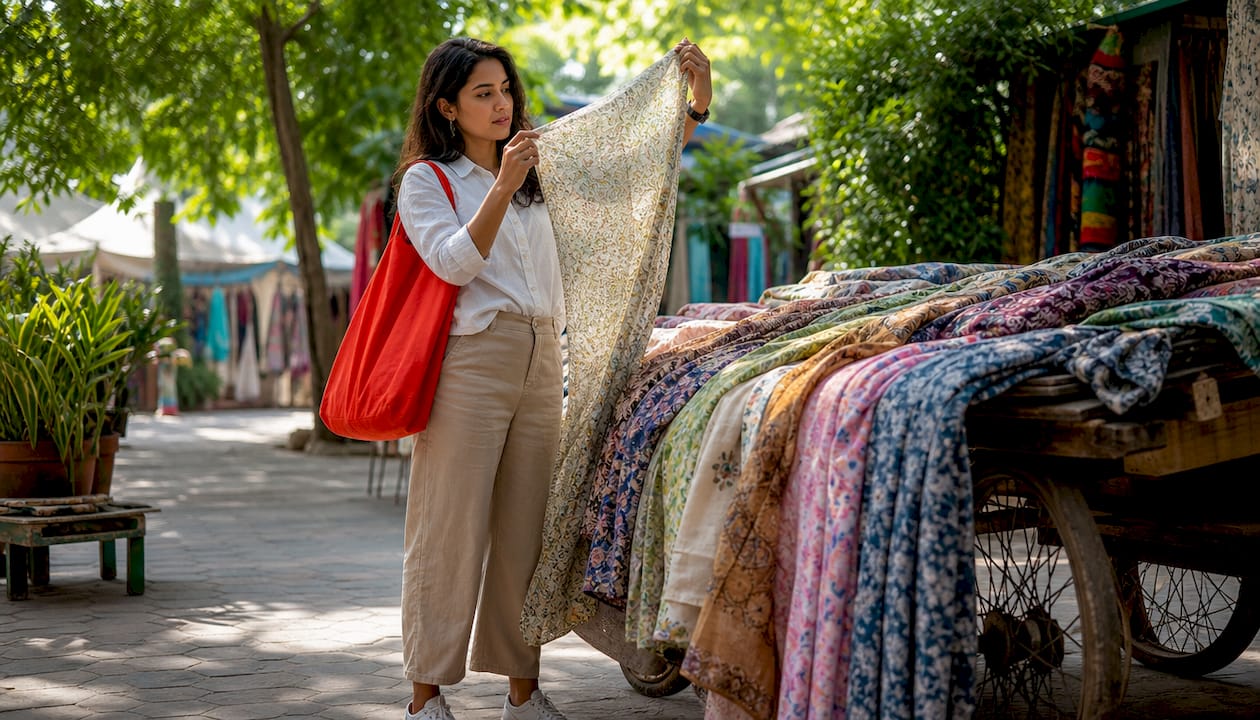
Polyester cotton blend fabric is defined as a textile that combines polyester and cotton fibers to deliver the strengths of both materials in a single cloth. Known in the industry as “poly-cotton,” this blend appears in common ratios like 50/50, 65/35, and 70/30, each tuned for a different balance of softness, durability, and care ease. The result is a fabric that outperforms pure cotton in wrinkle resistance and drying speed while staying far more comfortable than 100% polyester. Crafters, uniform buyers, and home decorators all reach for poly-cotton because it works across a wide range of projects without demanding specialized care.
The ratio of polyester to cotton is the single biggest factor in how a blend performs. Shift the ratio toward cotton and you get a softer, more breathable fabric. Shift it toward polyester and you get a tougher, faster-drying cloth that holds its shape longer.
| Ratio | Best for | Strengths | Trade-offs |
|---|---|---|---|
| 80/20 cotton/polyester | Casual wear, bedding | Very soft, breathable | Wrinkles more easily |
| 65/35 cotton/polyester | Everyday apparel, quilting | Balanced comfort and durability | Moderate drying speed |
| 50/50 polyester/cotton | Uniforms, activewear | Wrinkle resistant, fast drying | Less soft than high-cotton blends |
| 65/35 polyester/cotton | Workwear, upholstery | High durability, shape retention | Less breathable |
A 65/35 polyester-cotton blend delivers approximately 40% higher tensile strength and 75% better abrasion resistance compared to 100% cotton. That durability gap explains why workwear manufacturers and upholstery producers favor polyester-heavy ratios. For home bedding and quilting projects, a high-cotton ratio wins on comfort and skin feel.
End-use guides blend selection: choose 60–80% cotton for softness and breathability, and 65% or more polyester for durability and stain resistance. That principle holds whether you are sewing a summer shirt or sourcing fabric for event backdrops.
Pro Tip: Before buying, write down the primary function of your project. If the fabric will face friction, outdoor light, or repeated washing, go polyester-heavy. If it sits against skin all day, go cotton-heavy.
Poly-cotton’s versatility is its defining commercial strength. The same fiber combination that works in a hospital uniform also works in a bedroom curtain, which is why it appears across so many product categories.

Apparel and uniforms represent the largest use category for this blend. Workwear brands favor 65/35 polyester-cotton for its resistance to tearing and its ability to hold a pressed crease through repeated washing. Casual t-shirts and hoodies often use a 50/50 ratio, which gives a soft hand feel while still drying faster than pure cotton. Sportswear brands use higher-polyester blends to manage moisture and reduce weight.
Home textiles are another major application. Poly-cotton curtains resist fading and hold their shape better than pure cotton equivalents. Bedding made from a 60/40 cotton-polyester ratio stays soft against skin while surviving frequent machine washing without heavy shrinkage. Upholstery fabric benefits from the abrasion resistance that polyester adds, making it a practical choice for sofas and chair covers that take daily wear.
The blend also serves well in commercial and craft settings:
The blend’s adaptability across these categories comes from one core property: polyester stabilizes the cotton fibers, preventing them from distorting under stress or heat.
Proper care extends the life of any poly-cotton item significantly. The rules are straightforward, but skipping them causes shrinkage, pilling, and color loss faster than almost any other fabric type.
Wash in cool or warm water. Industry guidance recommends washing poly-cotton blends at 30–40°C (86–104°F) on a gentle cycle. Hot water causes the cotton component to shrink and weakens polyester fiber bonds over time.
Use low heat when drying. Heat is the primary threat to poly-cotton fabrics. High dryer temperatures cause cotton to shrink and can distort polyester’s structure permanently. A low-heat or air-dry setting protects both fiber types.
Iron at the right temperature. Keep the iron below 150°C (300°F). Polyester melts or glazes at higher temperatures, leaving shiny marks that cannot be reversed. Use a pressing cloth between the iron and the fabric for extra protection.
Treat oily stains immediately. Polyester attracts oily stains because of its synthetic fiber structure. Apply a small amount of dish soap directly to the stain before washing. Standard detergent alone often fails to break down the grease bond.
Skip the fabric softener. Fabric softener deposits a waxy, hydrophobic film on polyester fibers. That coating traps odors and reduces the fabric’s breathability over time. White vinegar in the rinse cycle works as a safe alternative to soften the cloth without residue buildup.
Manage pilling with the right tool. Pilling is a natural friction effect on poly-cotton surfaces. Use a fabric shaver or a sharp disposable razor held flat against the cloth. Pulling pills off by hand tears the surrounding fibers and creates holes.
Pro Tip: Turn poly-cotton garments inside out before washing. This reduces surface friction in the drum, which slows pilling and protects printed or dyed surfaces from fading.
For a full breakdown of laundering best practices, the fabric care guide at Fabric-fabric covers step-by-step instructions for blended textiles.
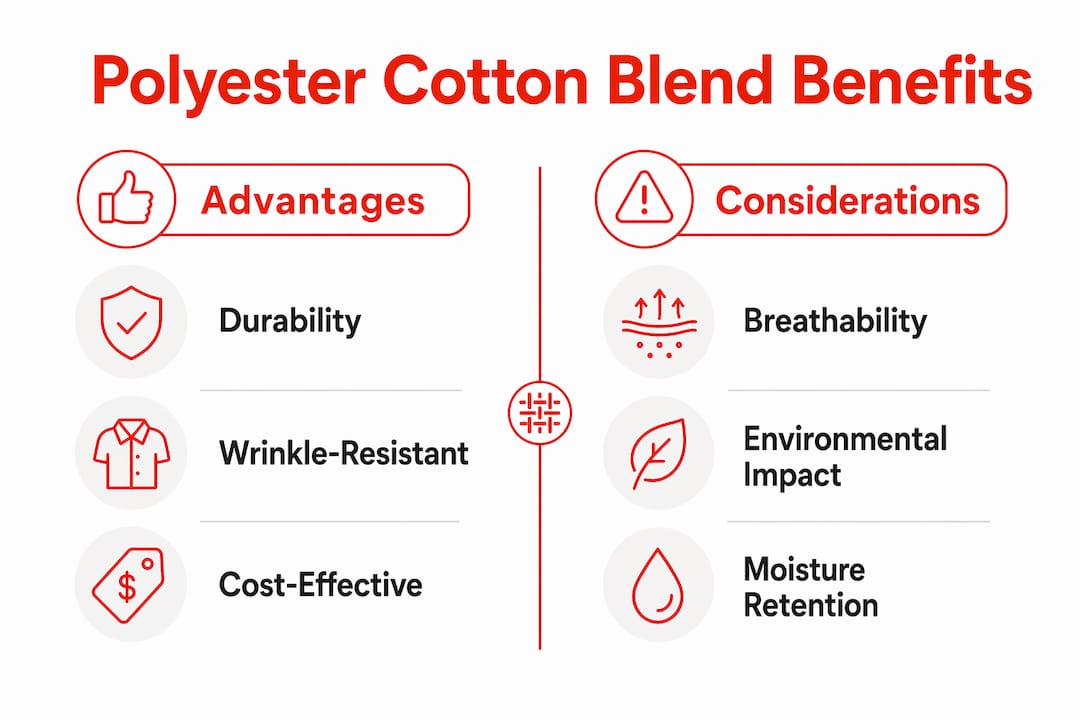
Poly-cotton outperforms single-fiber fabrics in several measurable ways. The blend is not a compromise. It is a deliberate engineering choice that fixes the main weaknesses of both pure cotton and pure polyester.
Durability. A 65/35 polyester-cotton blend shows approximately 40% higher tensile strength than 100% cotton. That means seams hold longer, edges fray less, and the fabric survives more wash cycles before showing wear.
Drying speed. Polyester dries about 45% faster than 100% cotton. In a blend, that property carries over, making poly-cotton a practical choice for sportswear, workwear, and any application where quick turnaround between washes matters.
Wrinkle resistance. Pure cotton wrinkles heavily after washing and requires ironing to look presentable. Polyester fibers in the blend act as a structural memory, pulling the cloth back toward its original shape as it dries. A 50/50 or higher-polyester blend can often go straight from the dryer to wear without ironing.
Cost. Polyester is less expensive to produce than cotton. Blending the two fibers brings the overall fabric cost down compared to high-quality pure cotton, without sacrificing the comfort that makes cotton desirable.
Breathability. This is where the blend gets nuanced. Pure polyester traps heat and moisture against the skin. Cotton fibers in the blend create air channels that improve breathability. A high-cotton blend like 65/35 cotton-polyester is genuinely breathable for everyday wear, though it will not match the airflow of pure linen or high-thread-count cotton.
Environmental note. Polyester is derived from petroleum and does not biodegrade readily. Cotton is natural but water-intensive to grow. The blend sits between the two on environmental impact. Buyers who prioritize sustainability should look for recycled polyester options, which reduce the petroleum footprint without sacrificing the blend’s performance benefits. The complete guide to fabric blends at Fabric-fabric covers sustainable sourcing options in more detail.
Polyester cotton blend fabric delivers the durability of polyester and the comfort of cotton in a single, versatile textile that suits apparel, home decor, and commercial projects equally well.
| Point | Details |
|---|---|
| Ratio drives performance | Higher polyester means more durability; higher cotton means more softness and breathability. |
| Care with low heat | Wash at 30–40°C and dry on low heat to prevent shrinkage and fiber damage. |
| Skip fabric softener | Softener coats polyester fibers and reduces breathability; use white vinegar instead. |
| Treat oily stains fast | Apply dish soap directly to grease stains before washing for effective removal. |
| Match blend to end-use | Choose 65%+ polyester for workwear and upholstery; 65%+ cotton for bedding and casual wear. |
Most buyers pick poly-cotton fabric based on price or appearance alone. That is the wrong starting point. After years of working with blended textiles across apparel, quilting, and home decor projects, I have seen the same mistake repeat: someone buys a 65/35 polyester-heavy blend for bedding because it is affordable and wrinkle-free, then wonders why it feels warm and uncomfortable after a few nights.
The ratio conversation matters more than the fiber conversation. A 50/50 blend and an 80/20 cotton-polyester blend are both “poly-cotton,” but they perform very differently against skin, under an iron, and in a dryer. I always tell people to read the care label before the price tag. The care instructions reveal the ratio’s priorities.
The other mistake I see constantly is ignoring pilling until it is too late. Pilling starts early on high-friction areas like collar edges and underarms. Catching it with a fabric shaver at the first sign keeps the cloth looking new for years. Waiting until the surface is covered means the damage is already structural.
One sourcing tip I stand behind: buy from retailers who list the exact fiber percentage on the product page. Vague labels like “cotton-rich blend” tell you nothing useful. Exact ratios let you predict performance before you cut a single yard.
— kev
Fabric-fabric stocks a wide selection of poly-cotton blends suited for quilting, home decor, and commercial applications, all listed with clear fiber content and usage guidance.
Whether you need quilting fabric by the yard for a patchwork project or durable cloth for curtains and upholstery, the home decor fabric range covers both high-cotton and polyester-heavy options. For event and photography use, the backdrop fabric selection includes wrinkle-resistant poly-cotton blends that hold color well under studio lighting. Every product page lists fiber content, care instructions, and suggested uses so you can match the right blend to your project before you order.
Polyester cotton blend fabric is a textile made from a combination of polyester and cotton fibers, typically in ratios like 50/50, 65/35, or 70/30. The blend combines polyester’s durability and wrinkle resistance with cotton’s softness and breathability.
High-cotton blends like 65/35 or 80/20 cotton-polyester are genuinely breathable for everyday wear. Higher-polyester blends are less breathable but dry faster and resist wrinkles more effectively.
Cotton polyester blends work well in uniforms, casual apparel, bedding, curtains, upholstery, quilting, and event backdrops. The ideal ratio depends on whether the application prioritizes comfort, durability, or care ease.
Wash in cool or warm water at 30–40°C on a gentle cycle, and dry on low heat or air dry. High temperatures cause cotton to shrink and can permanently distort polyester fibers.
Fabric softener leaves a waxy residue on polyester fibers that traps odors and reduces breathability over time. White vinegar added to the rinse cycle softens the fabric without coating the fibers.