

 Canadian Dollars

How to Choose Decor Fabric for Your Home
Posted by BLG on 2026 Jun 21st
Posted by BLG on 2026 Jun 21st

TL;DR:
- Decor fabric is chosen to enhance interior spaces through texture and pattern, covering upholstery, drapery, and accessories. Main types include natural wovens, velvets, embroidered textiles, and synthetic blends, each suited for different uses and budgets. Proper selection, matching fiber content, and care practices extend fabric life and ensure projects look their best over time.
Decor fabric is any textile selected specifically to enhance interior spaces through texture, pattern, and function. The category covers upholstery fabric, drapery, accent pillows, table runners, and wall hangings. Materials range from budget cotton muslin at under $5 per yard to premium printed linen above $150 per yard. Choosing the right home decor fabric determines how a room looks, how long your project lasts, and how much you spend getting there.
The home decor fabric category breaks into four practical groups: natural wovens, velvets and pile fabrics, embroidered and jacquard textiles, and synthetic blends. Each group serves different rooms and budgets.
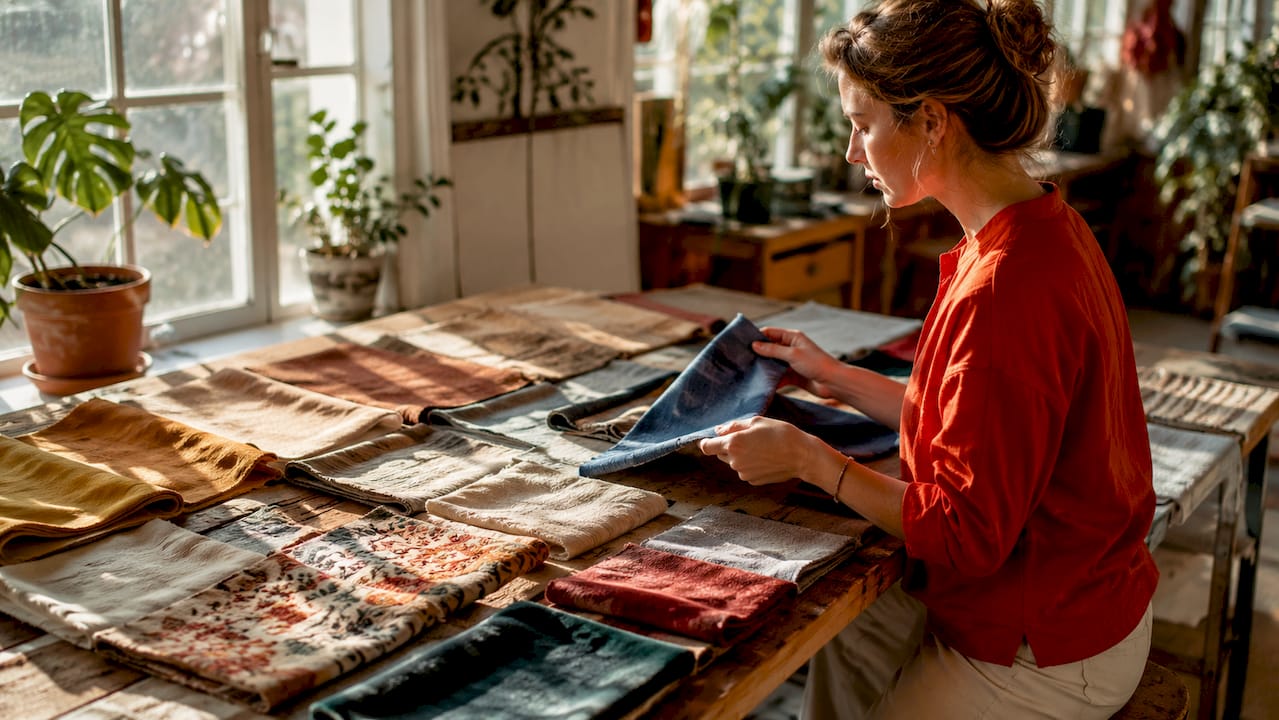
Natural wovens include cotton muslin, linen, and canvas. Cotton muslin is breathable, neutral in color, and easy to drape, making it widely preferred for curtain linings, drapery interlining, and light upholstery. Unbleached cotton muslin runs about $4.99 per yard at 100 GSM and 47 inches wide. That price point makes it the go-to starting fabric for first-time DIY decorators.
Velvet and pile fabrics deliver depth and luxury. They work well for accent chairs, throw pillows, and window treatments where you want visual weight. Velvet wears best in low-traffic areas because pile can flatten under constant friction.
Embroidered and jacquard fabrics add texture and visual interest suited for accent pillows, upholstery, and window treatments in premium home decor. Jacquard weaves the pattern directly into the fabric structure, so it does not fade or peel the way printed designs can.
Synthetic blends such as polyester-linen or acrylic-cotton mixes offer durability at a lower cost. They resist staining and fading, which makes them practical for high-traffic upholstery or outdoor cushions.
Pro Tip: Check the fabric weight in GSM (grams per square meter) before buying. Curtain fabric typically works best between 150–300 GSM. Upholstery fabric performs better above 300 GSM.
| Fabric Type | Best Use | Approx. Price Range |
|---|---|---|
| Cotton muslin | Linings, light curtains, crafts | $4.99–$15 per yard |
| Linen | Drapery, table linens, cushions | $15–$50 per yard |
| Velvet | Accent chairs, pillows, drapes | $20–$60 per yard |
| Embroidered or jacquard | Statement upholstery, pillows | $50–$156 per yard |
| Printed cotton | Cushion covers, curtains, crafts | $15–$72 per yard |
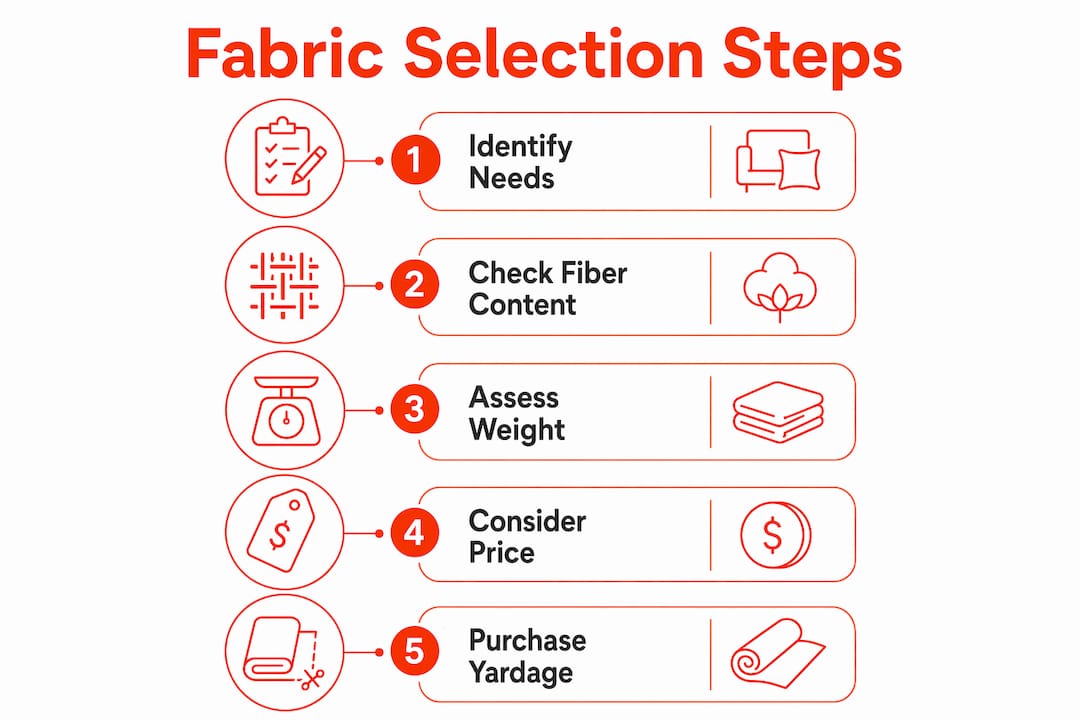
Matching fabric qualities to project use prevents premature wear and dissatisfaction. A fabric that looks perfect on screen can fail within months if you pick the wrong weight or fiber for the job. Follow these steps before you buy.
Define the project type first. Upholstery fabric for a sofa seat needs a high rub count, typically above 15,000 double rubs for residential use. Fabric for curtains can be lighter and more loosely woven. Craft linings need almost no structural strength at all.
Check fiber content against your lifestyle. Homes with pets or children need tightly woven, stain-resistant fibers. Natural fibers like linen breathe well but wrinkle easily. Synthetic blends hold their shape better under daily stress.
Order samples before committing to yardage. Ordering fabric samples before purchase reduces returns and confirms that color, texture, and weight match your room. A swatch costs almost nothing compared to buying five yards of the wrong fabric.
Calculate yardage carefully, then add 15%. Measure your project dimensions, account for pattern repeats, and add a buffer for cutting errors. Large patterns with a 12-inch or greater repeat can add 20–30% to your total yardage need.
Look for OEKO-TEX certification on discount fabric. Discount fabrics often carry OEKO-TEX certification, which confirms the textile meets safety and environmental standards despite a lower price. That certification matters especially for children’s rooms or upholstered pieces that get daily skin contact.
Match pattern scale to room scale. Large floral or geometric patterns read well in spacious rooms. Small repeating patterns work better on accent pillows or in compact spaces where a large pattern would feel chaotic.
Pro Tip: Always buy all the yardage you need from a single order. Dye lots vary between production runs, and even premium fabrics can show slight color shifts from one batch to the next.
Price does not always equal quality for every application. The right tier depends on where the fabric lives in your home and how hard it works.
Budget and mid-range fabrics (roughly $5–$30 per yard) perform well for craft projects, pillow covers, table runners, and curtain linings. Unbleached cotton muslin at $4.99 per yard handles lining and toile work without any compromise. A printed cotton at the mid-range level gives you color and pattern at a fraction of designer pricing.
Premium decorative textiles (above $70 per yard) justify their cost on statement pieces. Printed cotton averages $72 per yard at the entry point of the premium tier. Premium materials like printed linen or silk range from $138 to $156 per yard. Those prices reflect fiber quality, print complexity, and often the country of origin for the print process.
The practical rule: spend more where the fabric faces wear, sunlight, or daily contact. Spend less where it serves as a background or lining.
How to spot quality in discount fabric:
The home decor fabric guide from Fabric-fabric breaks down pricing tiers in detail for homeowners who want to plan a full room budget before shopping.
Proper care extends fabric life and keeps colors looking fresh. The approach varies by fiber type, but a few rules apply across the board.
Pro Tip: For large drapery panels, plan for multiple fabric cuts when ordering over 40–50 yards. Online retailers typically cut continuous lengths up to that limit, so pattern matching across cuts requires careful planning before you order.
Storing leftover fabric properly also protects your investment. Wrap it in acid-free tissue paper if you plan to keep it more than a few months. This prevents yellowing in natural fibers like linen and cotton.
Choosing the right decor fabric requires matching fiber content, weight, and price tier to the specific demands of each home project.
| Point | Details |
|---|---|
| Match fabric to project demands | Upholstery needs high rub counts; curtains and linings can use lighter, cheaper weaves. |
| Buy all yardage at once | Dye lots vary between production runs, so a single order prevents color mismatches. |
| Use samples before committing | Ordering swatches confirms color, texture, and weight before you cut into full yardage. |
| Budget fabric works for many projects | OEKO-TEX certified discount fabric performs well for linings, crafts, and pillow covers. |
| Care determines longevity | Vacuuming, rotating, and following care labels keeps decorative textiles looking new longer. |
The biggest mistake homeowners make is buying fabric by color alone. A beautiful linen in a perfect shade of sage will disappoint you if it is too lightweight for the sofa you planned to reupholster. I have seen it happen repeatedly. The fabric looks stunning on the bolt and falls apart within a year of daily use.
The second mistake is underordering. Homeowners calculate the exact yardage they need and order nothing extra. Then they go back for more and find the dye lot has shifted. The new fabric is close but not identical, and the difference shows under natural light. Buy more than you think you need. The leftover yardage always finds a use in a pillow cover or a valance.
What actually works is treating fabric selection like a structured process for decorators. Define the project, set the performance requirements, set the budget, then shop. That order matters. Most people reverse it and shop first, then try to justify the choice afterward.
DIY home decor projects succeed when you let the fabric do the work. A well-chosen patterned fabric for a single accent chair can anchor an entire room’s color story. You do not need to spend $150 per yard to get that result. A $25 printed cotton with the right scale and color does the same job. Know what you need, buy enough of it, and care for it properly.
— kev
Fabric-fabric carries a full range of home decor fabrics by the yard, from budget cotton muslin to premium embroidered and jacquard textiles. Whether you are lining curtains, reupholstering a chair, or building a statement wall panel, the selection covers every price tier and project type.
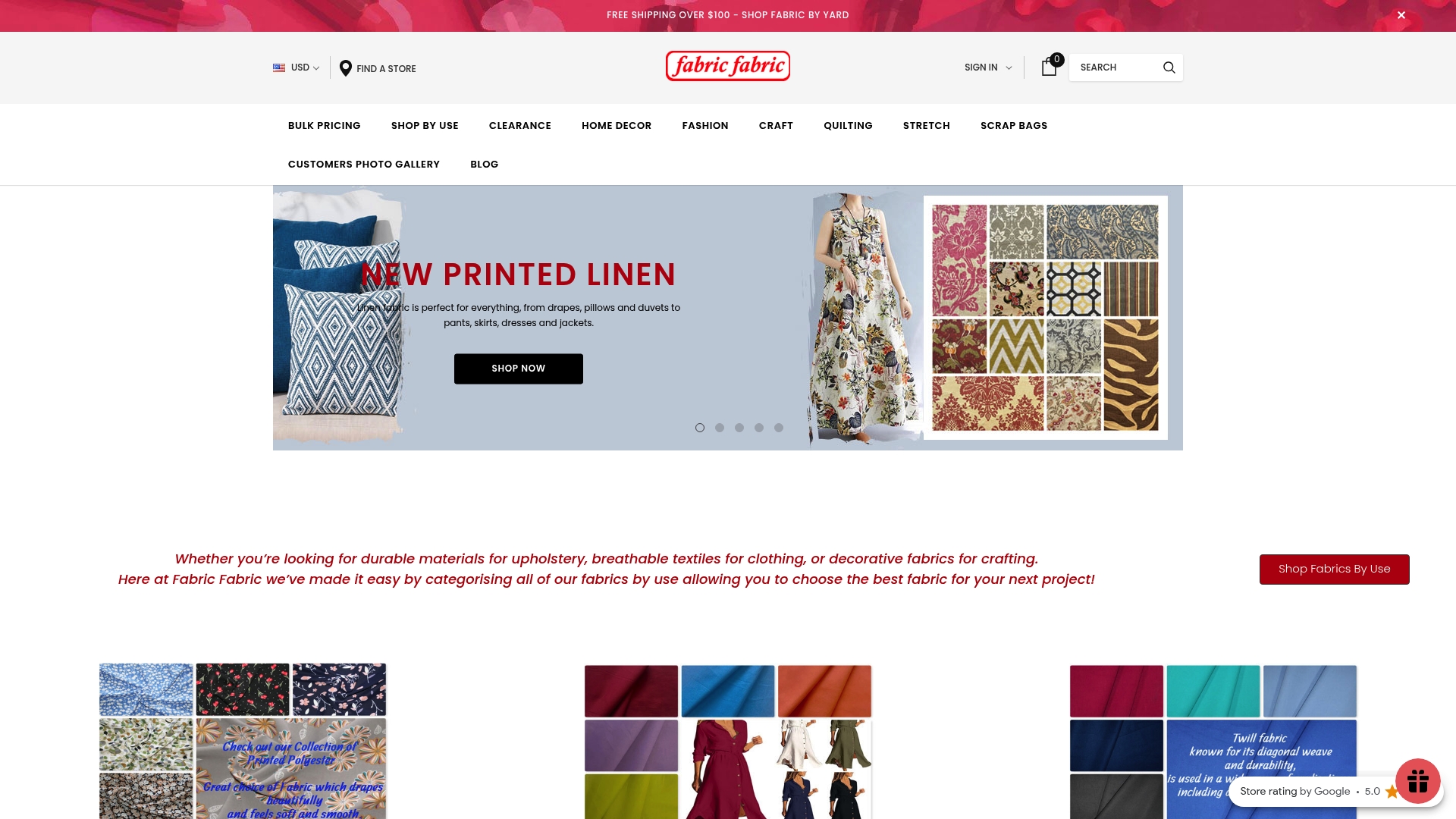
Fabric-fabric also stocks specialty options including backdrop fabrics for photography setups and unique room installations. Seasonal sales and free shipping thresholds make it practical to stock up on yardage for larger projects. Browse the full home decor collection, order swatches to test before you commit, and find the right fabric for every room in your home.
Decor fabric covers upholstery, drapery, accent pillows, table linens, and wall hangings. Any textile chosen to improve the look or function of an interior space qualifies as home decor fabric.
Select upholstery fabric with a rub count above 15,000 double rubs for residential use and check fiber content against your household’s wear patterns. Tightly woven synthetic blends or heavy natural weaves like canvas and jacquard hold up best under daily contact.
Budget and discount fabric works well for linings, craft projects, pillow covers, and curtains. Look for OEKO-TEX certification to confirm safety standards, and check weave density before buying.
Dye lots vary between production runs, meaning two orders of the same fabric can show slight color differences. Buying all needed yardage in a single order eliminates that risk entirely.
Cotton muslin, linen, and lightweight polyester blends all work well for curtains. Cotton muslin is breathable and easy to drape, making it a practical and affordable choice for both lined and unlined panels.