

 US Dollar

Fabric Maintenance Workflow: Your 2026 Practical Guide
Posted by BLG on 2026 Jun 22nd
Posted by BLG on 2026 Jun 22nd

TL;DR:
- A fabric maintenance workflow is a systematic process that preserves textile quality through proper cleaning, handling, and storage. Proper techniques can extend fabric lifespan by up to 50% and reduce energy consumption, making it a high-return habit for crafters and professionals.
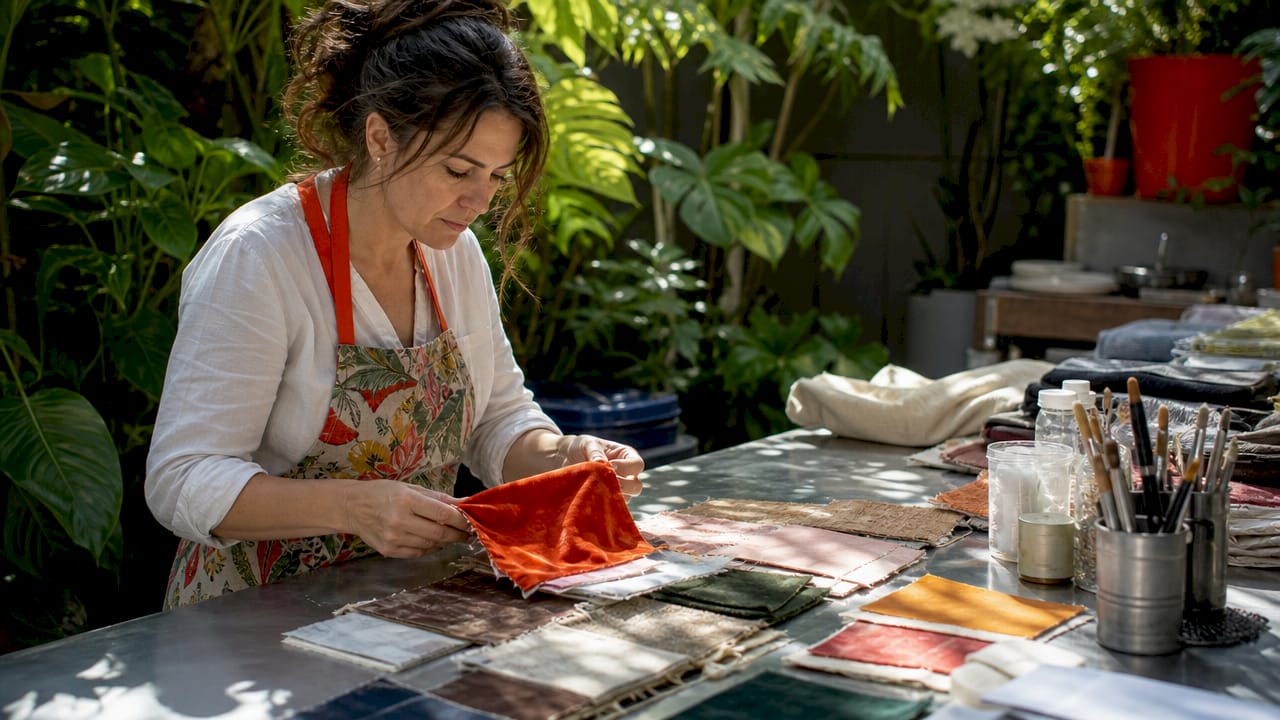
A fabric maintenance workflow is a systematic process for preserving textile quality through proper cleaning, handling, and storage at every stage of a fabric’s life. Whether you work with velvet upholstery, satin dress fabric, or quilting cotton, the method you use to clean and store each piece determines how long it lasts. Proper maintenance techniques extend fabric lifespan by up to 50% and reduce energy consumption at the same time. That single fact makes a structured fabric care process one of the highest-return habits any crafter or textile professional can build.
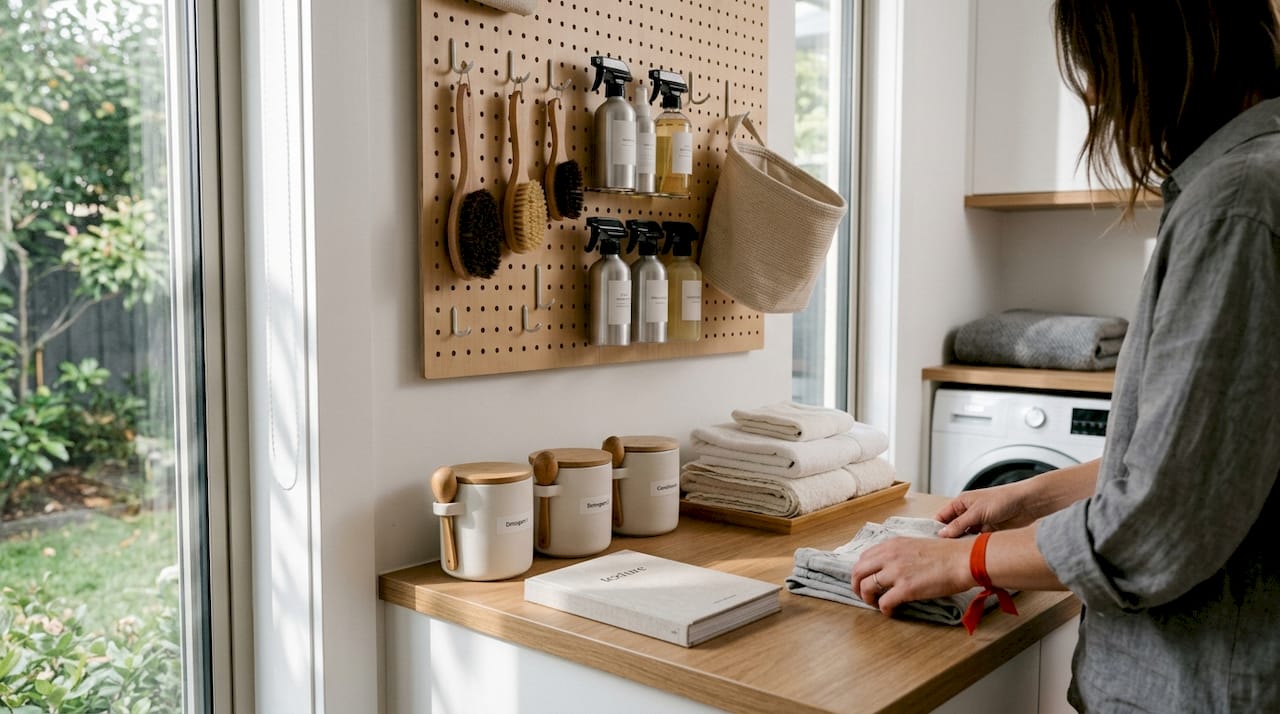
The right supplies make or break your results before you even touch water. Gathering them in advance prevents improvised decisions that damage fabric.
Detergents and cleaning agents:
Equipment you need on hand:
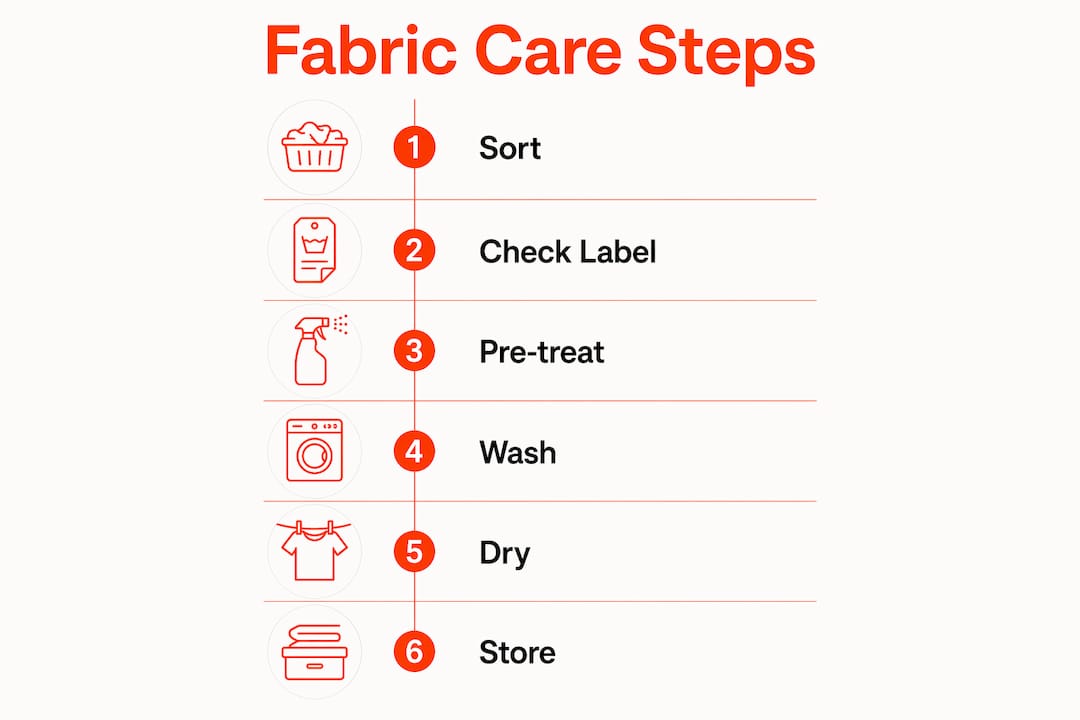
Care labels follow ISO 3758 symbols and give you the exact washing temperature, drying method, and bleaching rules for each fabric. Read the label before you do anything else. Skipping this step causes more damage than any wrong detergent choice. Fabric-fabric’s guide to reading care labels explains each symbol clearly if you need a reference.
| Tool | Best use |
|---|---|
| pH-neutral detergent | Silk, wool, linen, delicate wovens |
| Enzyme-based detergent | Cotton, polyester, protein stains |
| Microfiber cloth | Spot treatment, blotting, surface cleaning |
| Flat drying rack | Knitwear, lace, lightweight wovens |
| Garment steamer | Velvet, satin, structured upholstery fabric |
Pro Tip: Choose plant-based, fragrance-free detergents when working with upholstery or backdrop fabrics. Synthetic fragrances leave residue that attracts dust and degrades fiber over time.
Sorting is the first physical step in any fabric cleaning process. Sorting by fabric type, weight, and lint properties prevents abrasion, color transfer, and pilling during washing. Never wash heavy denim with lightweight chiffon in the same load.
Professional care for delicate textiles requires cold water at or below 30°C (86°F). Fill a clean basin, add a small amount of pH-neutral detergent, and submerge the fabric. Gentle hand washing for 2–3 minutes with multiple rinses removes residue without stiffening fibers. Squeeze gently. Never wring silk, lace, or velvet.
| Fabric | Recommended drying method |
|---|---|
| Wool and knitwear | Flat dry on a rack, reshape while damp |
| Silk and satin | Air dry away from direct sunlight |
| Cotton and linen | Tumble dry low or air dry |
| Velvet and upholstery | Steam, never tumble dry |
| Polyester blends | Tumble dry low, remove while slightly damp |
Removing garments from the dryer while slightly damp prevents heat-induced fiber stiffness and brittleness. Drying fabric to fully bone-dry is one of the most common causes of early textile failure. Pull pieces out when they feel just barely damp and let them finish air drying flat or on a hanger.
Pro Tip: For graphic apparel and printed fabrics, follow a vivid print care routine: cold wash, inside out, air dry. Heat is the fastest way to crack and fade printed designs.
83% of luxury garment damage results from standard laundry environments, not from fabric age. That means most textile damage is preventable with better technique.
The most common errors in fabric maintenance workflows:
“Professional care prioritizes proactive maintenance over reactive cleaning, recommending immediate stain pre-treatment to prevent long-term fiber damage.” — INCIDENT Premium Fabric Care Guide
Corrective measures that work:
Pro Tip: Label storage bins by fabric type and note the last wash date. This prevents the common mistake of storing unwashed fabric, which causes yellowing from invisible body oils and attracts moths over time.
A textile maintenance schedule turns one-off care decisions into a repeatable system. Consistency protects fabric far more than any single perfect wash. Washing fabrics before storage prevents yellowing and moth damage caused by invisible oil and sweat deposits. That single habit alone extends usable fabric life significantly.
Building your schedule:
Sustainability practices worth building in:
Routine maintenance cycles tailored by observation let you refine care effectiveness over time. The goal is a schedule that fits your actual project load, not a generic checklist that gets abandoned after two weeks.
A structured fabric maintenance workflow, built on correct sorting, temperature control, and proactive stain treatment, is the single most effective way to extend textile life and reduce fabric replacement costs.
| Point | Details |
|---|---|
| Start with the care label | ISO 3758 symbols tell you the exact temperature, drying method, and detergent type for each fabric. |
| Sort before every wash | Separate by fiber type, weight, and color to prevent abrasion, pilling, and dye transfer. |
| Remove fabric slightly damp | Pulling pieces from the dryer before fully dry prevents heat-induced stiffness and fiber breakdown. |
| Limit fabric softener use | Use softener every 2–3 washes to avoid residue buildup that blocks breathability and traps odors. |
| Log and adjust your routine | Record each care session and change one variable at a time to identify what works for each fabric type. |
Most crafters and professionals treat fabric maintenance as an afterthought. They focus on sourcing and construction, then wonder why their materials degrade faster than expected. I made the same mistake early on.
The shift that changed my results was treating care as part of the design process, not a separate task. When I started logging care sessions for every fabric type I worked with, patterns emerged fast. A particular linen I used for home decor projects was stiffening after two washes. The culprit was warm water combined with a standard detergent. Switching to cold water and a pH-neutral formula fixed it completely.
The other lesson I keep coming back to: knitwear should never be hung. Gravity distorts the fiber structure over time. Folding flat is the correct method, and it is one of those details that sounds minor until you ruin an expensive piece. The same logic applies to velvet. Steam it. Never iron it directly. Never tumble dry it.
The professionals who maintain fabric best are not the ones with the most expensive equipment. They are the ones who observe carefully, adjust methodically, and resist the urge to rush. A two-minute hand wash done correctly beats a 40-minute machine cycle done carelessly every time.
— kev

A maintenance workflow is only as good as the fabric you start with. Lower-quality textiles degrade faster regardless of how carefully you wash and store them. Fabric-fabric carries a wide selection of backdrop fabrics built for repeated use in professional and crafting environments, along with home decor fabric by the yard suited to upholstery, quilting, and design projects. Both categories are sourced with durability in mind, which means your care routine actually pays off over time. If you are building or refining your textile workflow in 2026, starting with the right material is the most practical first step.
A fabric maintenance workflow is a structured, repeatable process for cleaning, handling, and storing textiles to preserve their quality and extend their usable life. It covers sorting, washing, drying, stain treatment, and storage in a consistent sequence.
Wash fabrics before storing them and again before use. Invisible body oils and environmental deposits oxidize over time, causing yellowing and attracting moths even in sealed storage.
Cold water at or below 30°C (86°F) is the standard for delicate textiles including silk, wool, and lace. Higher temperatures cause shrinkage, fiber stiffness, and color fading in most natural fibers.
Stiffness usually results from detergent residue, overdrying, or hot water. Rewash the fabric in cold water with a minimal amount of pH-neutral detergent, rinse thoroughly, and remove it from the dryer while still slightly damp.
No. Overusing fabric softener causes greasy residue to build up in fiber, which reduces absorbency and traps odors. Limit use to every 2–3 wash cycles to preserve breathability and fabric performance.