

 US Dollar

Fabric Care Tips for Retailers: 2026 Practical Guide
Posted by BLG on 2026 Jun 8th
Posted by BLG on 2026 Jun 8th


TL;DR:
- Effective fabric care in retail involves clear labeling, proper handling, and fiber-specific cleaning to extend product lifespan. Educating customers on sustainable practices and maintaining optimal storage conditions further reduces damage and builds trust. Implementing standardized SOPs and embracing digital labels can give retailers a competitive edge while improving inventory quality.
Fabric care tips for retailers are defined as the standardized practices covering labeling, handling, cleaning, and storage that protect textile inventory, reduce returns, and build lasting customer trust. Retailers who treat fabric maintenance as a core business process rather than an afterthought see measurable gains in product lifespan and fewer damage claims. This guide covers the most current best practices for fabric care, from hang tag standards to sustainability messaging, so you can protect your inventory and give customers the confidence to buy more.
Clear care labels are the single most powerful tool you have for reducing fabric damage after the point of sale. When customers know exactly how to wash, dry, and store a fabric, they cause less damage and return fewer products.
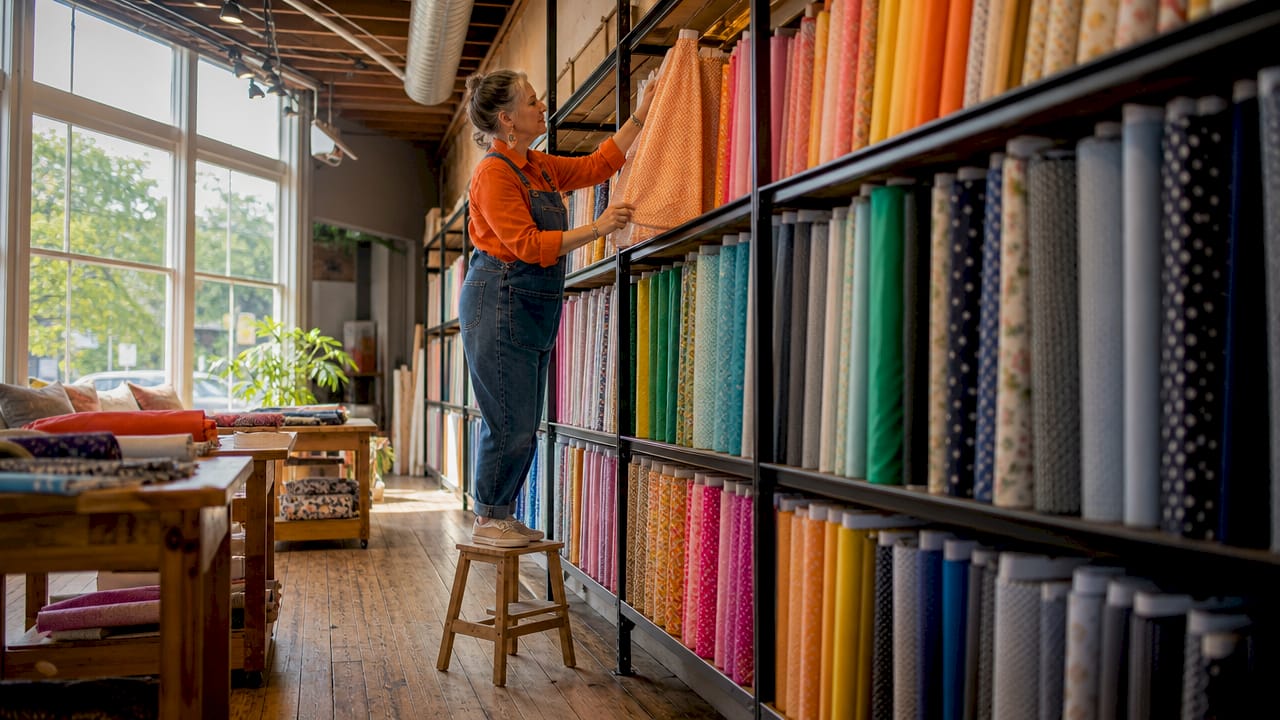
The industry standard for hang tags is a 60 x 100 mm tag with a minimum 7 pt font. That size is not arbitrary. It reflects the minimum readable format for most adults in a retail environment, and dropping below it measurably reduces compliance.
Care instructions should follow a four to five-line structure covering wash, bleach, dry, iron, and dry-clean commands in that order. Overcomplicated labels confuse customers. A concise, prioritized format is the standard that maximizes comprehension and reduces fabric damage.
Pro Tip: Print care labels on tear-resistant, washfast material. A label that fades or disintegrates after the first wash defeats its entire purpose.
Proper handling at intake and on the floor is where most preventable fabric damage begins. A retailer who skips a structured intake process is absorbing liability that belongs to the supplier.
Intake inspection and documentation of pre-existing garment damage reduces false damage claims by 70%. That number alone justifies building a formal inspection step into your receiving workflow. Photograph damage, log it by SKU, and attach notes to the product record before the item reaches the floor.
Sorting fabric inventory before cleaning or processing follows four criteria: fabric type, color, soil level, and care method. Sorting by these four factors prevents color transfer, avoids fiber damage from incompatible wash cycles, and eliminates the cost of re-cleaning. A red velvet bolt processed alongside white cotton muslin is a preventable loss.
Pro Tip: Create a one-page SOP for intake and sorting and post it at your receiving station. Standardized SOPs and staff training dramatically reduce damage rates and improve customer retention.
Cleaning fabric inventory is not one-size-fits-all. The fiber content, weave structure, and finish all determine which method preserves the fabric and which one destroys it.
The “least aggressive method” rule is the governing principle for all retail fabric cleaning. Start with spot cleaning or airing out. Escalate to hand washing, then machine washing on a gentle cycle, and only reach for stronger methods when milder ones fail. This incremental approach preserves fiber integrity and extends the usable life of your stock.
Delicate fabrics like silk, wool, and cashmere require hand washing in cold water, mesh bags for any machine washing, and flat drying to prevent distortion. These are not optional steps. Skipping flat drying on a wool knit, for example, causes irreversible stretching that makes the product unsellable.
Synthetic fabrics carry an additional concern. A single wash cycle releases 124 to 308 mg of microplastic fibers per kilogram of fabric. Washing at cooler temperatures and running full loads reduces fiber shedding, which matters both for the environment and for fabric longevity.
| Fabric type | Recommended method | Temperature | Drying method |
|---|---|---|---|
| Cotton, linen | Machine wash, regular cycle | Warm (40°C / 104°F) | Tumble dry low or air dry |
| Polyester, nylon | Machine wash, gentle cycle | Cool (30°C / 86°F) | Air dry preferred |
| Silk, cashmere, wool | Hand wash or wool cycle | Cold (20°C / 68°F) | Lay flat to dry |
| Velvet, sequins | Spot clean or dry clean only | N/A | Air dry flat |
Air drying prevents mechanical shrinkage that tumble drying causes, especially at high heat. For display fabrics and floor samples that need frequent refreshing, air drying is the default. Reserve tumble drying for durable cotton and linen stock where some relaxation of the weave is acceptable.
Avoid bleach and fabric softeners on any delicate or specialty fabric. Bleach degrades fiber bonds over repeated use, and fabric softeners leave a coating that reduces breathability and alters the hand feel of natural fibers.
How you store fabric between purchase and sale determines whether it arrives at the customer in sellable condition. Poor storage is a slow, invisible source of inventory loss.
Pro Tip: Steam is the safest way to remove wrinkles from display fabrics. A handheld steamer like the Jiffy J-2000 relaxes fibers without the direct heat contact that a dry iron can cause on delicate weaves.
For hanging stock, use padded hangers for structured fabrics and wide-shoulder hangers for heavier upholstery or home decor textiles. Wire hangers create pressure points that leave permanent marks on woven fabrics stored for more than a few days.
Retailers who teach customers how to care for fabrics correctly extend product lifespans, reduce returns, and build the kind of loyalty that repeat purchases depend on. Sustainability messaging is not just good ethics. It is good business.
Cooler wash temperatures, mild detergents, and avoiding fabric softeners are the three most impactful changes any customer can make to extend fabric life and reduce environmental impact. These are simple instructions that belong on every hang tag, in every email receipt, and on every product page.
The balance between cleanliness, convenience, and sustainability is the framework retailers should use when building customer education materials. A fabric care guide on your website, printed inserts in orders, and staff trained to answer care questions all reinforce this message at every touchpoint. You can find a practical starting point in this fabric care checklist that covers the key steps for retailers.
Retailers who actively educate customers on proper fabric care reduce damage-related returns and build a reputation for quality that outlasts any single product.
Effective retail fabric maintenance requires clear labeling, structured handling protocols, fiber-appropriate cleaning, and controlled storage to protect inventory and reduce customer returns.
| Point | Details |
|---|---|
| Standardize care labels | Use 60 x 100 mm tags with 7 pt font and a five-command structure for maximum customer compliance. |
| Document intake damage | Photograph and log pre-existing damage at receiving to reduce false damage claims by up to 70%. |
| Match cleaning to fiber type | Apply the least aggressive method first and tailor temperature and drying to each fabric category. |
| Store fabrics correctly | Use breathable covers, cedar blocks, and acid-free paper to prevent mildew, moths, and ghosting. |
| Educate customers on sustainability | Advise cooler washes, mild detergents, and less frequent washing to extend fabric life and reduce returns. |
I have seen fabric stores invest heavily in sourcing beautiful inventory and then lose a significant portion of it to preventable damage. The pattern is almost always the same. Intake inspection gets skipped because it feels slow. Care labels get treated as a legal formality rather than a customer service tool. Storage gets improvised rather than planned.
The retailers who get this right share one habit. They treat fabric care as a system, not a checklist. They build SOPs for intake, train staff on sorting, and design their storage areas before the inventory arrives. The ones who struggle treat each problem as a one-off instead of a symptom of a missing process.
The business case for getting this right is straightforward. Fewer damage claims mean lower write-offs. Better care labels mean fewer returns. Customers who receive clear care guidance buy more confidently and come back. I have watched stores cut their damage-related losses significantly just by adding a formal intake inspection step and updating their hang tags to the five-command format.
The trend I am watching most closely in 2026 is digital care labels. QR codes on hang tags that link to video care guides are already appearing in premium apparel. For fabric retailers, this is an opportunity to differentiate. A QR code that links to a fiber-specific care page on your website does double duty: it helps the customer and it drives traffic. The retailers who build that infrastructure now will be ahead when digital labeling becomes the norm.
The role of fabric care labels is bigger than most retailers realize. It is not just compliance. It is the last conversation you have with the customer before they take your product home.
— kev
Fabric-fabric stocks an extensive range of textiles designed for retailers, crafters, and professionals who need both quality and clarity in their purchases.
Whether you are sourcing backdrop fabrics for event display or building out a home textiles range with home decor fabric by the yard, every product listing at Fabric-fabric includes clear fiber content and usage guidance to support your care labeling process. The geometric quilting fabric selection is particularly well-suited for retailers who need consistent, well-documented cotton stock. Fabric-fabric also publishes a step-by-step fabric care guide that you can reference when building your own customer education materials.
The industry standard is 60 x 100 mm with a minimum 7 pt font. This size provides enough space for the five core care commands while remaining readable in a retail environment.
Mandatory intake inspection with photographic documentation reduces false damage claims by up to 70%. Log pre-existing damage by SKU before any item reaches the sales floor.
Hand wash in cold water using a mild detergent, or use a machine wool cycle with a mesh bag. Always lay flat to dry. Tumble drying and high heat cause irreversible distortion in these fiber types.
Include sustainability messaging on hang tags and product pages, recommending cooler wash temperatures, mild plant-based detergents, and less frequent washing. These steps extend fabric life and reduce microplastic fiber release from synthetics.
No. Plastic bags trap moisture and promote mildew growth. Use breathable cotton muslin covers or garment bags, and store fabrics in a climate-controlled area with humidity below 55%.