

 Canadian Dollars

Why Ethical Textile Sourcing Matters for Creators
Posted by BLG on 2025 Dec 8th
Posted by BLG on 2025 Dec 8th


Most American consumers now expect companies to take responsibility for their textile supply chains, with studies showing over 80 percent prefer to buy from brands committed to ethical sourcing. This shift matters because the choices made during textile procurement impact worker welfare, community health, and the planet’s future. Exploring ethical textile sourcing principles helps creators and businesses align their practices with values that support fair labor, environmental care, and honest business—all while building trust and sustainability.
| Point | Details |
|---|---|
| Ethical Sourcing Principles | Ethical textile sourcing prioritizes human rights, environmental sustainability, and transparency in manufacturing processes. |
| Sustainable Fabric Choices | Selecting materials like organic cotton, hemp, and bamboo contributes to environmental responsibility and reduces ecological impact. |
| Importance of Fair Labor Practices | Implementing fair labor practices enhances workplace safety and supports workers’ rights, positively influencing brand reputation. |
| Risks of Unethical Sourcing | Neglecting ethical sourcing can lead to reputational damage, legal liabilities, and significant financial risks for creators. |
Ethical textile sourcing goes far beyond simple procurement strategies. It represents a comprehensive approach to responsible manufacturing that prioritizes human rights, environmental sustainability, and transparent business practices throughout the entire production process. Ethical sourcing principles fundamentally challenge traditional supply chain models by demanding accountability at every stage of textile creation.
At its core, ethical textile sourcing involves several critical components. First, it requires fair labor practices that guarantee safe working conditions, reasonable wages, and fundamental worker protections. This means eliminating child labor, preventing workplace discrimination, and ensuring employees have reasonable working hours and compensation. Second, environmental stewardship becomes paramount - manufacturers must minimize ecological impact through responsible resource management, reducing water consumption, limiting chemical usage, and implementing sustainable production techniques.
Transparency serves as the cornerstone of ethical sourcing. Creators and businesses must be willing to trace their textile origins, understanding precisely how and where materials are produced. Supply chain visibility becomes crucial, allowing stakeholders to verify ethical standards are genuinely maintained. This approach requires ongoing collaboration between designers, manufacturers, and suppliers, creating a networked system of mutual accountability. Comprehensive sourcing ethics demand more than superficial compliance - they necessitate a genuine commitment to improving industrial practices and human working conditions.
By embracing these principles, textile creators can transform their approach from mere product development to a holistic, responsible manufacturing philosophy. The goal is not just creating beautiful fabrics, but ensuring those fabrics represent genuine human dignity and environmental respect.
Sustainable fabric selection represents a critical pathway for creators committed to environmental responsibility. Global textile certifications provide essential frameworks for identifying and verifying truly eco-friendly materials, enabling designers and crafters to make informed choices about their textile selections.
Several standout sustainable fabric types offer remarkable environmental benefits. Organic cotton eliminates harmful pesticides and reduces water consumption compared to conventional cotton production. Hemp emerges as an incredibly versatile material, requiring minimal water and no pesticides while producing robust, breathable textiles. Bamboo fabrics represent another excellent option, growing rapidly without extensive agricultural intervention and offering natural antibacterial properties. These materials demonstrate how responsible fabric selection can dramatically reduce ecological impact without compromising quality or aesthetic appeal.
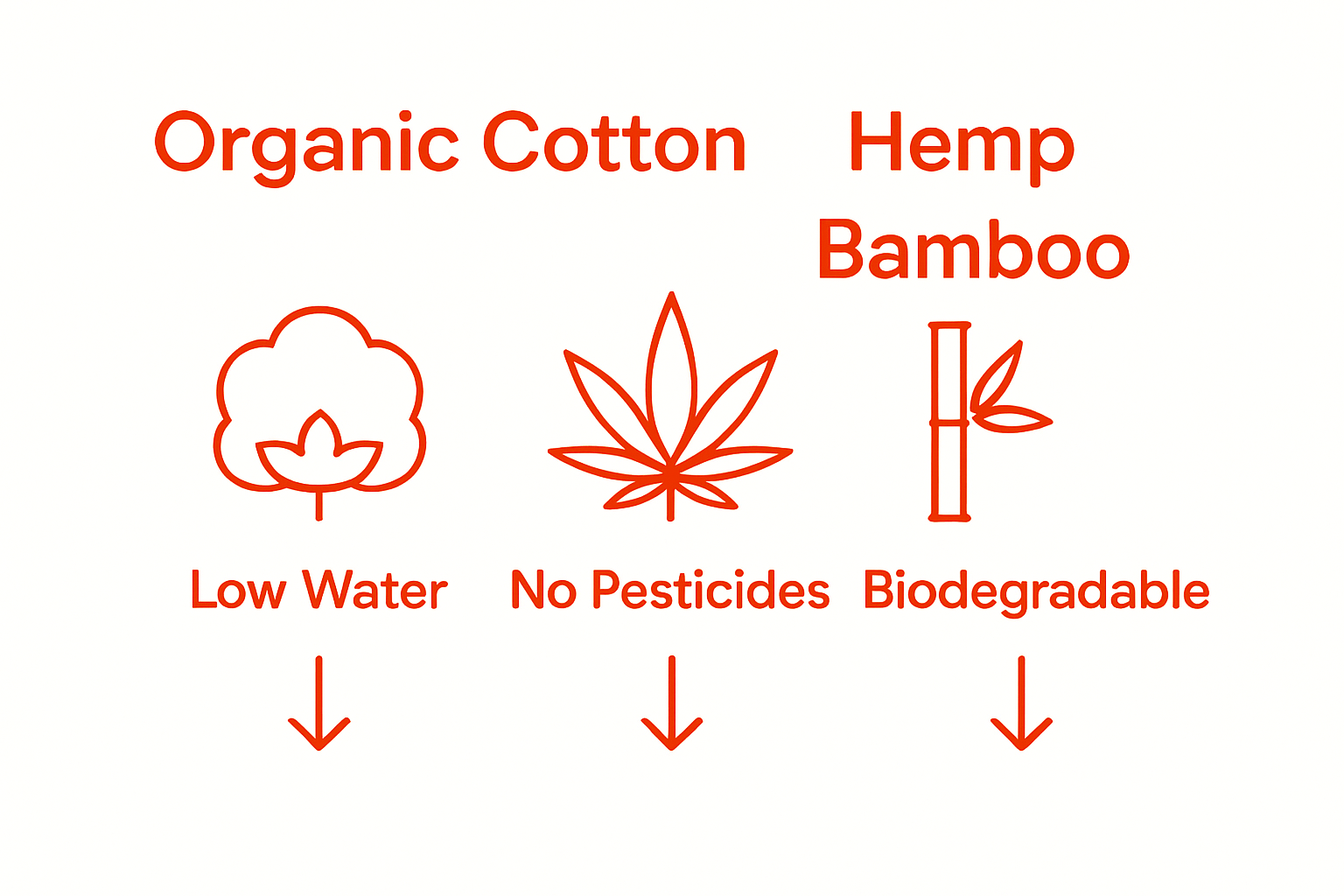
Comprehensive fabric certifications like Global Organic Textile Standard (GOTS), OEKO-TEX® Standard 100, and Global Recycled Standard (GRS) provide critical verification mechanisms for sustainable textiles. GOTS certification ensures organic fiber processing with strict environmental and social criteria, while OEKO-TEX® guarantees textile products are free from harmful chemicals. The GRS specifically validates recycled content, encouraging circular economy principles in textile production.
By understanding these sustainable fabric types and their corresponding certifications, creators can transform their approach from passive consumers to active environmental stewards. Each fabric choice becomes an opportunity to support responsible manufacturing, reduce ecological footprint, and contribute to a more sustainable textile ecosystem.
Ethical labor standards represent a fundamental transformation in how the textile industry approaches worker rights and human dignity. These practices go beyond mere compliance, demanding a comprehensive reimagining of workplace environments, compensation structures, and worker protections across global supply chains.
Worker safety stands as the cornerstone of fair labor practices. This means eliminating dangerous working conditions, providing appropriate protective equipment, maintaining reasonable working hours, and ensuring workers receive fair compensation that supports basic human needs. The textile industry has historically struggled with systemic issues like child labor, unsafe working environments, and exploitative wage practices. Responsible creators must recognize that every piece of fabric carries a human story - one that should reflect dignity, respect, and fundamental human rights.
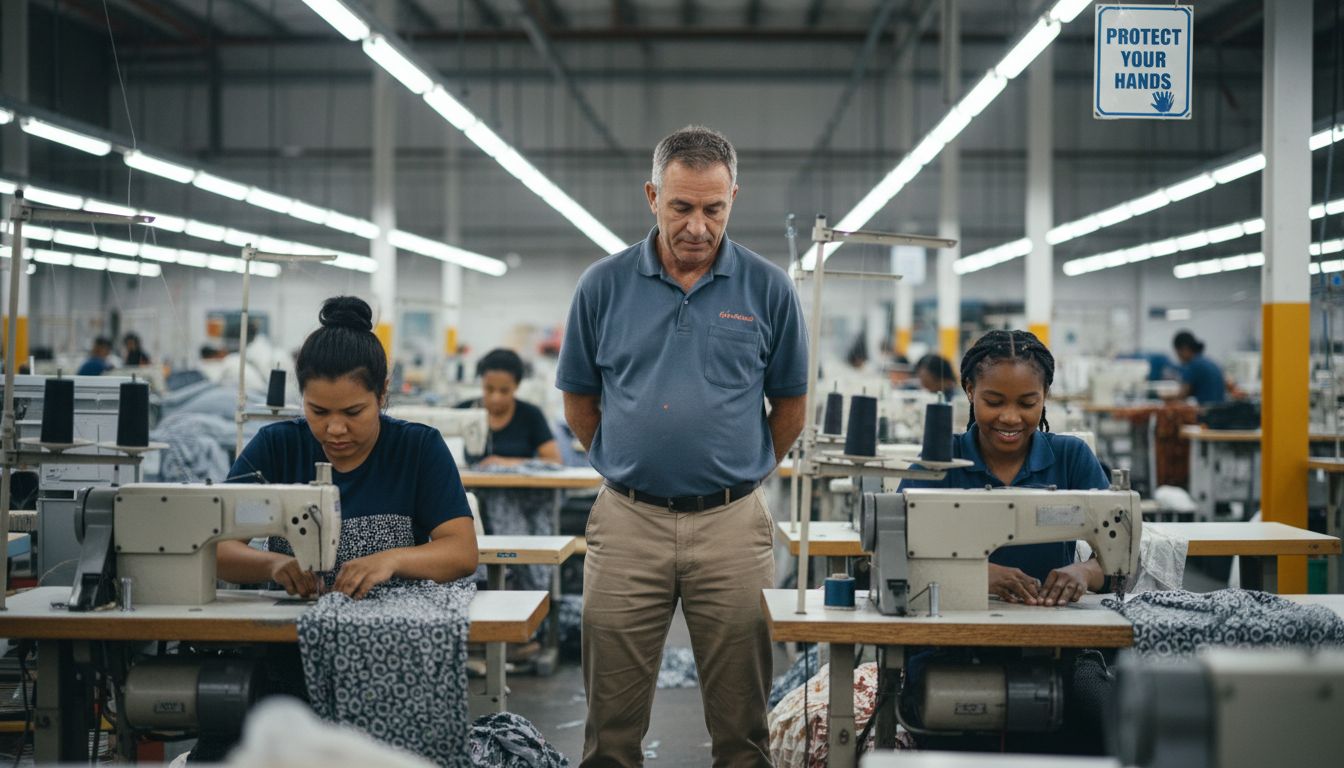
Corporate ethical sourcing strategies demonstrate that fair labor practices are not just moral imperatives but also critical business considerations. Companies implementing robust worker protection frameworks often experience improved productivity, reduced turnover, and enhanced brand reputation. Key elements include transparent wage structures, safe working environments, prohibition of child and forced labor, protection of workers’ rights to organize, and regular independent audits to verify compliance.
Creators and consumers alike play pivotal roles in advancing fair labor practices. By demanding transparency, supporting brands with verified ethical standards, and educating themselves about global labor conditions, individuals can drive meaningful change. The textile industry’s future depends on recognizing that human dignity is not a luxury but a fundamental requirement of responsible manufacturing.
Sustainable textile production represents a complex ecosystem of interconnected environmental challenges that extend far beyond simple material selection. The textile supply chain encompasses multiple stages of production, each carrying significant ecological implications - from raw material extraction to final product manufacturing, transportation, and eventual disposal.
Resource consumption emerges as a critical environmental concern in textile manufacturing. Traditional fabric production demands enormous water resources, with conventional cotton requiring up to 2,700 liters of water to produce a single shirt. Chemical treatments, synthetic dye processes, and energy-intensive manufacturing further compound the environmental burden. Sustainable alternatives like organic cotton, hemp, and recycled materials offer promising pathways to reduce these substantial ecological footprints.
Environmental challenges in textile production extend well beyond water usage. Greenhouse gas emissions, microplastic pollution, and toxic chemical runoff represent significant environmental risks associated with textile manufacturing. Responsible creators must consider the entire lifecycle of their materials - from initial agricultural practices to manufacturing processes, transportation emissions, and ultimate product disposal.
Transformative change requires a holistic approach to environmental stewardship. This means prioritizing materials with lower carbon footprints, supporting regenerative agricultural practices, investing in renewable energy for production, and designing products with circular economy principles. By understanding the intricate environmental impacts across the textile supply chain, creators can make informed choices that contribute to meaningful ecological sustainability.
Unethical textile sourcing represents a multifaceted risk landscape that extends far beyond simple business considerations. Creators who neglect ethical sourcing principles expose themselves to complex legal, financial, and reputational challenges that can fundamentally undermine their professional credibility and long-term sustainability.
Reputational damage emerges as the most immediate and potentially devastating consequence of unethical sourcing practices. Modern consumers have become increasingly sophisticated, actively researching supply chain origins and holding creators accountable for their material choices. A single instance of unethical procurement can trigger widespread social media backlash, leading to permanent brand erosion. This means potential loss of customer base, decreased market trust, and significant challenges in rebuilding professional reputation.
Legal and financial risks compound the reputational challenges. Creators may face substantial legal liabilities, including potential lawsuits, regulatory fines, and punitive actions from industry oversight bodies. Supply chains involving child labor, unsafe working conditions, or environmentally destructive practices can result in complex legal challenges that drain financial resources and consume extensive time and energy. These risks extend beyond immediate financial penalties, potentially creating long-term barriers to business growth and professional opportunities.
Transformative creators understand that ethical sourcing is not a burdensome constraint but a strategic advantage. By proactively developing transparent, responsible supply chain practices, professionals can differentiate themselves in a competitive marketplace. This approach requires continuous education, rigorous supplier vetting, and a genuine commitment to understanding the human and environmental implications of every material choice.
The challenge of ethical textile sourcing is real for creators who want to combine stunning designs with responsible manufacturing. Issues like fair labor practices and environmental sustainability are more than buzzwords they represent a commitment to human dignity and ecological care. At Fabric-Fabric, we understand these core concerns and offer you a wide selection of sustainably sourced textiles that align with your values and creative goals.
Explore our carefully curated fabrics suitable for apparel, home decor, quilting, and crafts. Each fabric is chosen with transparency in mind so you can verify the materials and feel confident about your choices. Act now to support fair labor and eco-friendly production while bringing your projects to life with premium quality. Visit Fabric-Fabric’s main site to start your ethical sourcing journey and discover textiles that respect people and the planet. Don’t wait because sustainable change begins with the materials you select today.
Ethical textile sourcing focuses on fair labor practices, environmental sustainability, and transparency throughout the production process. This includes ensuring safe working conditions, reasonable wages, and minimizing ecological impact.
Transparency allows stakeholders to trace the origins of textiles, ensuring that ethical standards are consistently met. It builds trust between creators, manufacturers, and consumers, promoting accountability in the supply chain.
Organic cotton, hemp, and bamboo are standout sustainable fabrics. They require fewer resources, reduce ecological impact, and offer excellent quality and comfort without compromising on aesthetics.
Unethical sourcing can lead to reputational damage, legal issues, and financial risks, potentially damaging a creator’s credibility and customer trust. Adopting ethical sourcing practices can differentiate a brand positively in a competitive market.