

 Canadian Dollars

Role of Ethical Fabric Sourcing: Complete Guide
Posted by BLG on 2025 Nov 29th
Posted by BLG on 2025 Nov 29th


More than 80 percent of global textile manufacturers face growing pressure from american consumers who want transparency and genuine responsibility in fabric sourcing. The choices brands make do not just shape their reputation but also directly influence worker rights and environmental health across the world. By understanding the core principles and certifications behind ethical fabric sourcing, anyone involved in textiles can make decisions that matter far beyond the latest trend or season.
| Point | Details |
|---|---|
| Ethical Sourcing Commitment | Ethical fabric sourcing prioritizes human rights, environmental sustainability, and fair labor practices, requiring a holistic commitment to responsibility in manufacturing. |
| Importance of Certifications | Certifications like Oeko-Tex ensure textiles meet rigorous safety and sustainability standards, helping consumers make informed choices. |
| Regulatory Framework | Legislative efforts such as the FABRIC Act aim to enhance worker protections and establish ethical production standards in the United States. |
| Challenges in Implementation | Companies must navigate supply chain dynamics to maintain ethical standards and avoid common mistakes like superficial audits and prioritizing cost over ethics. |
Ethical fabric sourcing represents a comprehensive approach to textile procurement that prioritizes human rights, environmental sustainability, and fair labor practices. According to Enhesa, this practice goes beyond simple material selection and encompasses a holistic commitment to responsible manufacturing.
At its core, ethical fabric sourcing involves multiple critical dimensions. These include ensuring workers receive fair compensation, work in safe conditions, and are not subjected to exploitative labor practices. As noted in the Sweatshop-free reference, the goal is to eliminate coercive working environments and create transparent supply chains that respect human dignity.
Key components of ethical fabric sourcing typically include:
Professional creators and businesses increasingly recognize that ethical sourcing is not just a moral imperative but also a strategic business decision. Consumers are becoming more conscious about the origins of their textiles, demanding accountability and responsible production practices. By prioritizing ethical sourcing, fabric producers and designers can build trust, enhance brand reputation, and contribute to positive global manufacturing standards.
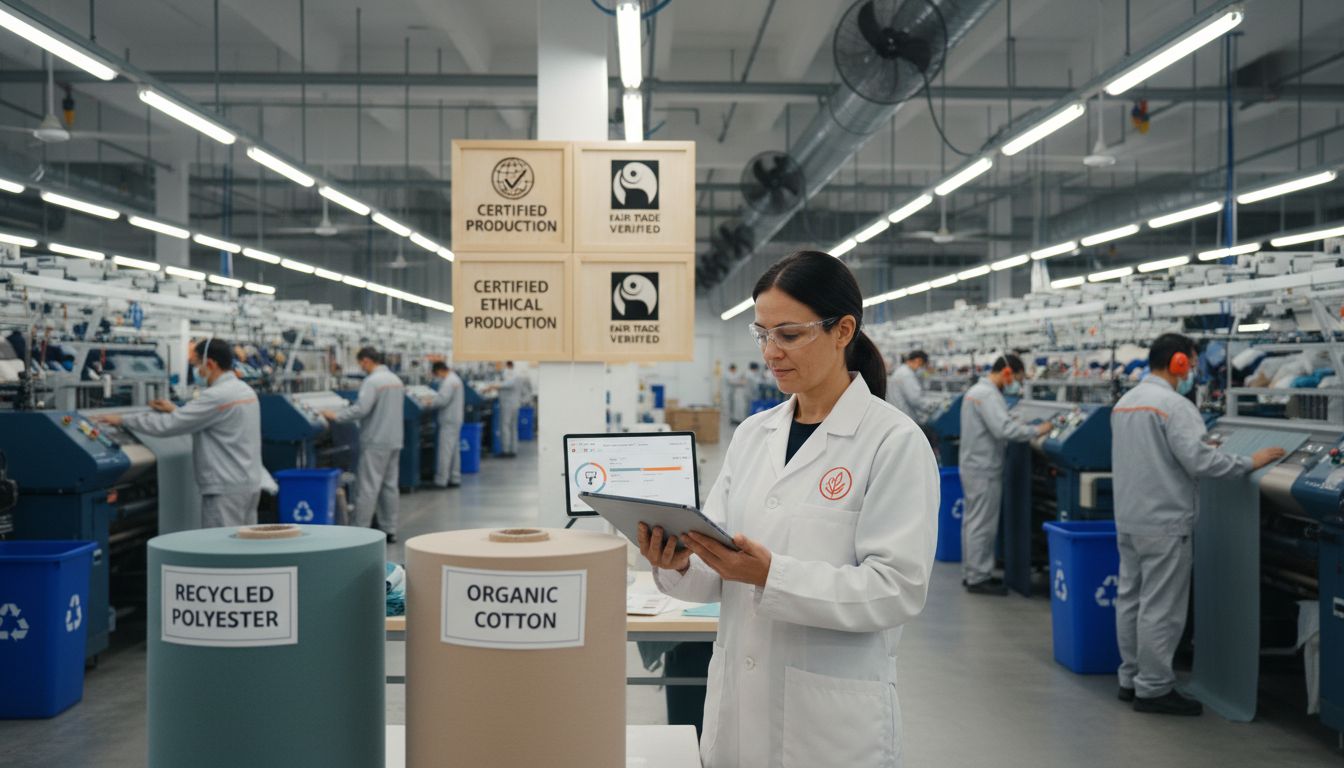 Our comprehensive guide to sustainable fabric selection offers additional insights into making responsible textile choices.
Ethical fabrics represent a diverse range of textile materials produced with heightened environmental and social responsibility. These fabrics are carefully manufactured to minimize ecological impact while ensuring fair labor practices and worker welfare throughout the production process.
Certification plays a crucial role in validating the ethical standards of textile production. Oeko-Tex, an international certification organization, provides essential standards that help consumers identify textiles meeting rigorous safety and sustainability criteria. Their Standard 100 and Made in Green certifications offer comprehensive assurance about product safety, environmental responsibility, and socially conscious manufacturing.
Some prominent types of ethical fabrics include:
Creative professionals seeking sustainable textile options can explore these fabric types while prioritizing certifications that validate ethical production. Our guide to sustainable fabrics for conscious creators provides deeper insights into selecting materials that align with environmental and social responsibility standards. By understanding these fabric types and their associated certifications, designers and crafters can make informed choices that support both their creative vision and global sustainability efforts.
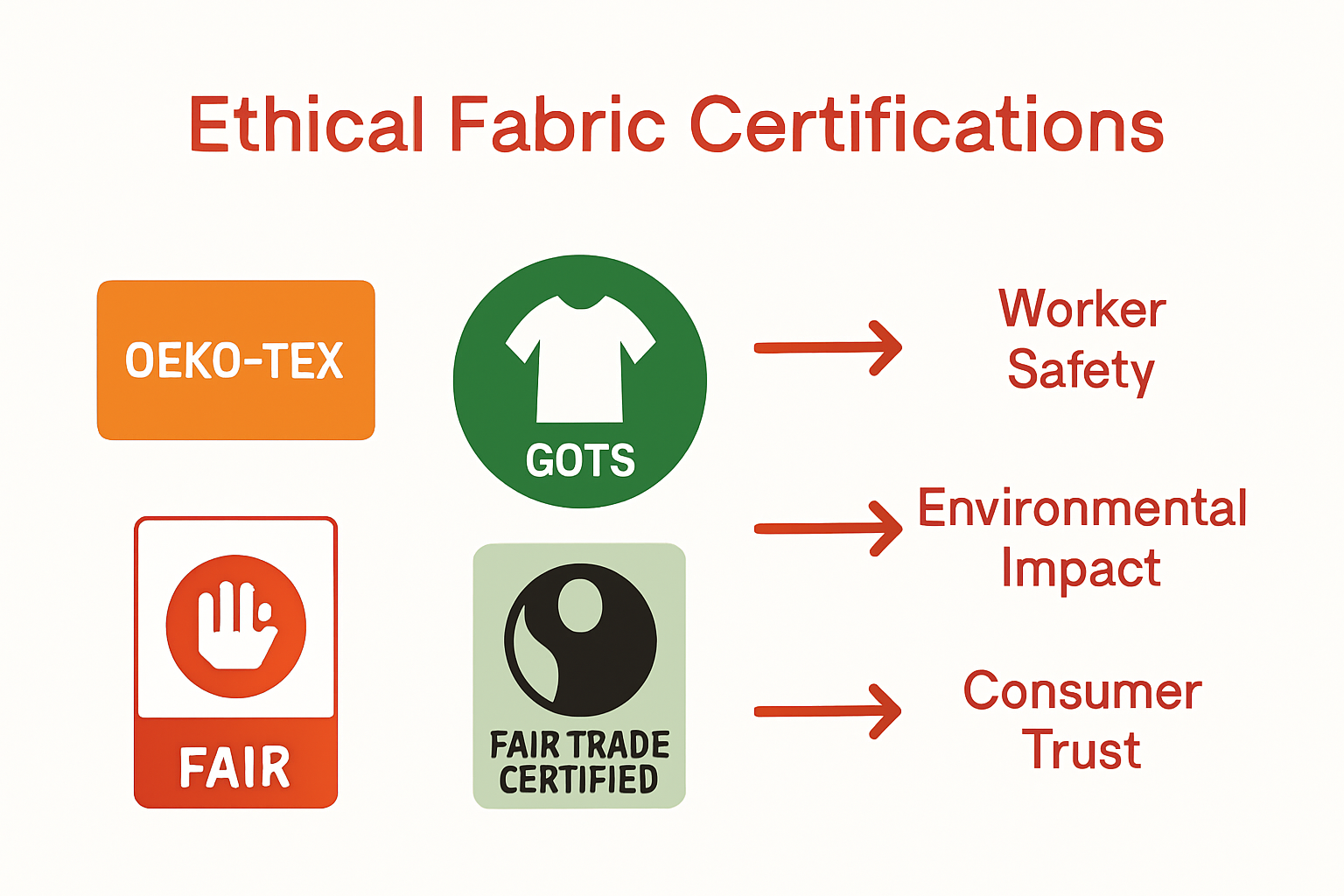
Sustainable supply chain processes represent a comprehensive approach to transforming textile production from traditional linear models to more responsible, interconnected systems. These processes focus on minimizing environmental impact, ensuring worker welfare, and creating transparency throughout the entire manufacturing journey.
Worldwide Responsible Accredited Production (WRAP) provides critical guidance in developing ethical manufacturing standards. Their certification principles emphasize compliance with local laws, workplace regulations, and environmental standards, creating a framework for responsible textile production that goes beyond basic legal requirements.
Key sustainable supply chain strategies include:
Technological innovations are also transforming supply chain management. Emerging resources like the TextileNet dataset demonstrate how machine learning and data standardization can optimize textile production processes, enabling more precise tracking and sustainability improvements. By integrating these advanced methodologies, manufacturers can create more resilient, environmentally conscious supply chains.
For deeper insights into sustainable textile practices, explore our guide on understanding sustainable textiles and discover how innovative approaches are reshaping the industry.
The landscape of legal and regulatory requirements for textile manufacturing in North America continues to evolve, with increasing emphasis on worker protection, environmental sustainability, and ethical production standards. These regulations aim to create comprehensive frameworks that address multiple dimensions of responsible textile sourcing and manufacturing.
One significant legislative development is the FABRIC Act, introduced in the U.S. Senate in 2022. The FABRIC Act represents a critical effort to amend the Fair Labor Standards Act, positioning the United States as a leader in responsible apparel production. This proposed legislation seeks to modify piece-rate pay systems, enhance worker protections, and invest in domestic manufacturing infrastructure.
Key regulatory focus areas include:
Professional standards play a crucial role in supporting these regulatory efforts. The American Association of Textile Chemists and Colorists (AATCC) develops critical test methods and standards that help manufacturers ensure product quality and legal compliance. By establishing rigorous industry benchmarks, organizations like AATCC bridge the gap between legislative requirements and practical implementation. For comprehensive insights into navigating these complex regulatory landscapes, explore our guide on understanding sustainable textiles, which provides detailed strategies for maintaining legal and ethical standards in textile production.
Ethical fabric sourcing presents complex challenges that require nuanced strategies and comprehensive approaches. Organizations must navigate intricate supply chain dynamics while maintaining commitment to social responsibility and environmental sustainability.
Enhesa highlights critical challenges companies encounter in implementing ethical sourcing practices, including ensuring supply chain transparency, verifying labor standard compliance, and managing cost considerations. These obstacles often create significant barriers for businesses seeking to develop truly responsible procurement strategies.
Common mistakes in ethical sourcing include:
Research from Surveying the Landscape of Ethics-Focused Design Methods suggests that operationalizing ethical principles requires sophisticated design methods and continuous improvement. By developing more integrated approaches, organizations can better support ethical decision-making throughout their textile production processes. For practical insights into navigating these complex challenges, explore our textile sourcing guide, which provides actionable strategies for creating more responsible and transparent supply chains.
Navigating the challenges of ethical fabric sourcing can feel overwhelming. From ensuring fair labor practices to selecting certified environmentally friendly textiles the goals of transparency and sustainability are clear. Now you can access responsibly sourced fabrics that align with the principles outlined in the “Role of Ethical Fabric Sourcing: Complete Guide” and truly make a difference in your creative work.
Explore our carefully curated selection of high-quality fabrics at fabric-fabric.com where commitment to transparency meets creativity. Whether you need organic cotton, recycled polyester, or other sustainable options our easy-to-use platform helps you choose materials that support fair wages, safe working conditions, and minimal environmental impact. Start building your projects on a foundation of ethics today by visiting our guide to sustainable fabric selection for expert tips and shop our full range at https://fabric-fabric.com to act now and join a community dedicated to responsible sourcing.
Ethical fabric sourcing is a comprehensive approach to textile procurement that prioritizes human rights, environmental sustainability, and fair labor practices, ensuring safe and fair working conditions for all workers involved in textile production.
Common types of ethical fabrics include organic cotton, recycled polyester, Tencel/Lyocell, hemp fabric, and bamboo fabric, all produced with a commitment to environmental sustainability and fair labor practices.
You can identify ethical fabrics by looking for certifications such as Oeko-Tex Standard 100 or Made in Green, which indicate that the textiles meet rigorous safety and sustainability criteria.
The main challenges in implementing ethical sourcing include ensuring supply chain transparency, verifying labor standards compliance, managing costs, and preventing superficial audits or neglecting continuous supplier education.