

 Canadian Dollars

Textured Weave in Fabric—Why It Matters for Designers
Posted by BLG on 2026 Jan 11th
Posted by BLG on 2026 Jan 11th

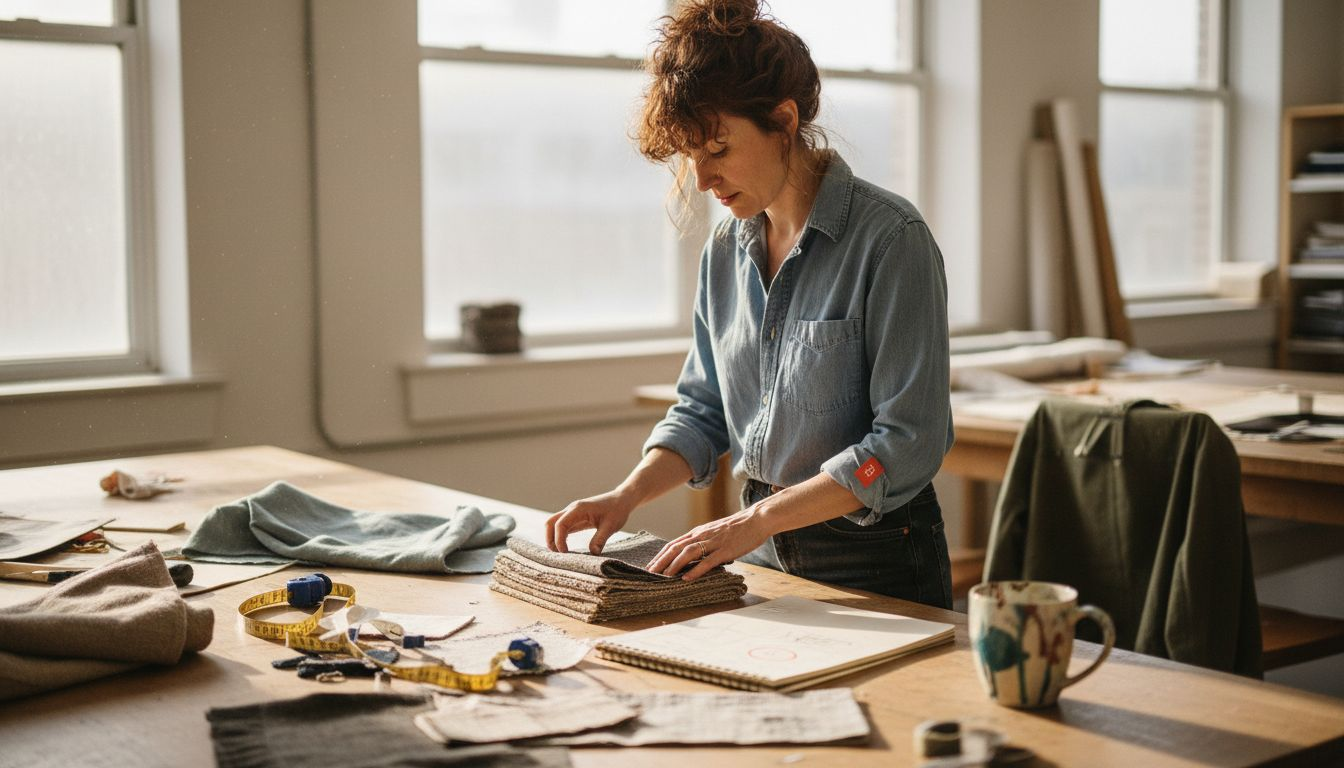
Over half of American designers report that textured weaves drive their most memorable fabric innovations. For creative professionals in North America, mastering these complex surfaces unlocks new dimensions for garments and interiors alike. Understanding how each manipulation of thread transforms fabric texture can help you reimagine everything from structured jackets to sculptural home décor. This guide unpacks the essentials of textured weave so you can confidently choose and apply these versatile materials for standout, functional results.
| Point | Details |
|---|---|
| Textured Weave Definition | Textured weave involves the intricate interlacing of warp and weft threads, creating unique visual and tactile properties in fabric design. |
| Types of Textured Weaves | Common types include plain, twill, satin, basket, jacquard, bouclé, and crepe, each offering distinct visual effects and durability levels. |
| Importance of Performance | When selecting textured weaves, consider both aesthetic qualities and functional performance to ensure alignment with design goals. |
| Avoiding Common Mistakes | Be mindful of fabric grain and characteristics to prevent issues such as distortion or poor fit in finished designs. |
Textured weave represents a sophisticated fabric construction technique where warp and weft threads interplay to create distinctive surface qualities. At its core, weaving involves interlacing threads at precise right angles, generating unique tactile and visual characteristics that distinguish one fabric from another.
The fundamental process involves manipulating two primary thread sets: vertical warp threads and horizontal weft threads. By strategically varying thread tension, thickness, and interlacement patterns, designers can transform basic fabric structures into rich, multidimensional textiles. Some textured weaves introduce intentional irregularities or raised patterns, while others create subtle surface variations that catch light and provide depth.
Traditional weave structures like plain, twill, and satin serve as foundational techniques from which more complex textured weaves emerge. Designers might incorporate techniques such as bouclé, crepe, or jacquard weaving to introduce texture through yarn spinning, thread manipulation, or specialized loom programming. These methods allow fabric to transcend its basic two-dimensional nature, creating surfaces that invite touch and visual exploration.
Pro tip: When selecting textured weaves, consider both the visual aesthetic and the functional performance of the fabric for your specific design project.
Textile designers leverage multiple categories of textured weaves to create distinctive fabric experiences. Classic weave categories include plain, twill, and satin structures, each offering unique surface characteristics and performance qualities that transform raw materials into expressive design elements.
Plain weaves represent the most fundamental textured structure, characterized by a simple over-under thread interlacement creating a uniform, smooth surface. Twill weaves introduce diagonal lines and ribbed textures, providing visual depth and increased fabric durability. Satin weaves distinguish themselves through a lustrous surface that reflects light elegantly, making them popular in high-end fashion and decorative textiles.
More complex textured weaves expand design possibilities dramatically. Basket weaves create a crisscross pattern with increased visual interest, while jacquard weaves enable intricate, elaborate designs through advanced loom programming. Specialty techniques like bouclé and crepe weaving introduce deliberate surface irregularities, transforming fabric from a mere material into a sensory experience that engages both visual and tactile perception.
Pro tip: When selecting textured weaves, examine both the aesthetic qualities and the intended functional performance to ensure your fabric meets design requirements.
Here is a summary of major textured weave types and their unique characteristics:
| Weave Type | Visual Effect | Durability | Common Applications |
|---|---|---|---|
| Plain | Smooth, uniform | Moderate | Everyday shirts, bedding |
| Twill | Diagonal lines | High | Jeans, workwear |
| Satin | Lustrous, shiny | Moderate | Evening wear, upholstery |
| Basket | Crisscross pattern | Enhanced | Table linens, decor |
| Jacquard | Intricate designs | Varied | Tapestries, luxury items |
| Bouclé | Irregular, curly | Varied | Sweaters, accent fabrics |
| Crepe | Pebbled texture | Flexible | Dresses, blouses |
Textile designers leverage sophisticated weaving techniques that control fabric texture through precise mechanical and technological interventions. The process begins with selecting appropriate yarns, understanding loom capabilities, and determining the desired surface characteristics that will define the final textile product.
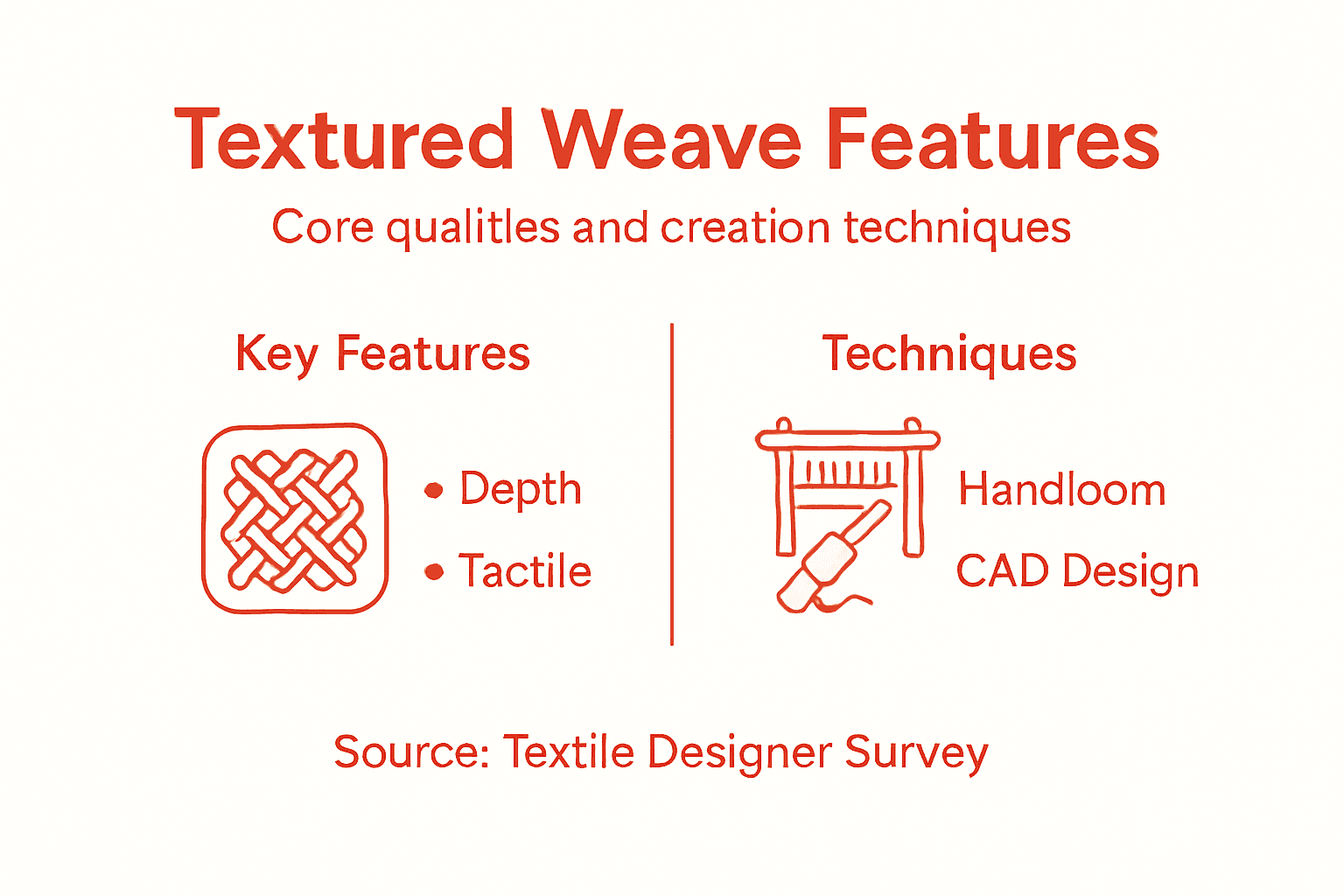
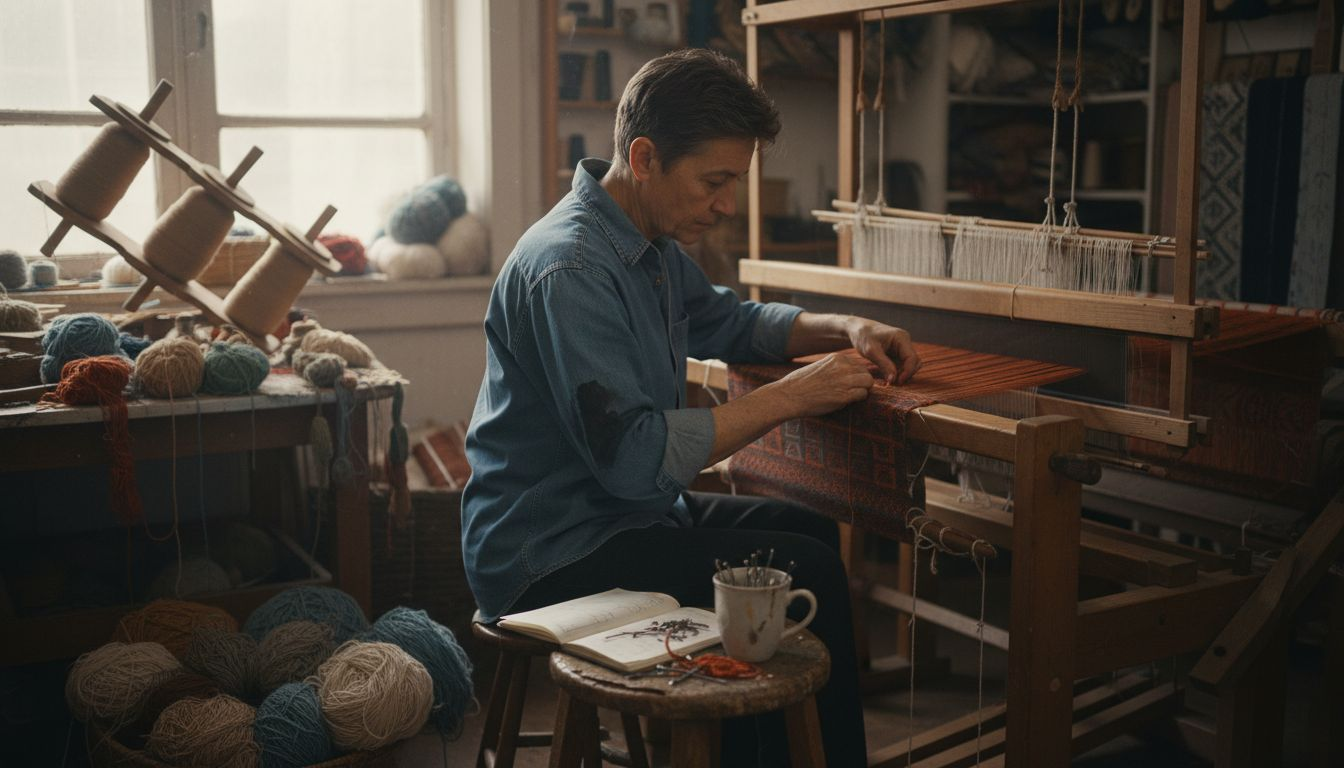
Traditional loom technologies play a critical role in texture creation. Handlooms allow for intricate manual manipulation, while modern machine looms incorporate advanced mechanisms like dobby and jacquard systems that enable complex patterning. These mechanisms control thread movement with extraordinary precision, allowing designers to introduce variations in thread tension, float length, and intersecting points that dramatically influence the fabric’s visual and tactile qualities.
Computer-aided design (CAD) and simulation software have revolutionized textile creation, enabling designers to experiment with virtual prototypes before physical production. These digital tools allow for incredibly detailed texture mapping, letting designers predict how different weaving techniques will translate into actual fabric performance. By simulating thread interactions, designers can optimize structural integrity, predict fabric drape, and anticipate how different weaving patterns will interact with specific yarn types and fiber compositions.
Pro tip: Experiment with digital textile design software to prototype and visualize complex weaving techniques before committing to physical production.
Textile designers leverage textured weaves across diverse applications in both fashion and interior design. These specialized fabric constructions transform ordinary materials into dynamic, functional, and visually compelling products that engage multiple sensory experiences.
In apparel, textured weaves create garments with enhanced performance and aesthetic complexity. Lightweight cotton textures offer breathability in summer tops, while dense, structured weaves provide warmth and shape in tailored jackets and pants. Designers strategically use textured fabrics to introduce visual depth, create sculptural silhouettes, and improve garment drape, allowing clothing to move and interact with the body in sophisticated ways.
Home decor represents another critical domain where textured weaves shine. Upholstery fabrics with intricate weaving patterns provide durability and visual interest for furniture, while textured curtains, throws, and pillow covers add layers of comfort and design sophistication. These fabrics do more than cover surfaces—they create tactile experiences that transform living spaces, making rooms feel more inviting and intentionally designed.
Pro tip: Always touch and examine fabric textures in person, as digital representations cannot fully capture the nuanced sensory qualities of different weave structures.
Fabric weave structures reveal dramatic differences between smooth and textured fabrics, challenging designers to select materials strategically. Smooth weaves like satin offer sleek, uniform surfaces with minimal visual complexity, while textured weaves introduce intricate patterns and dimensional depth that transform fabric from a simple material into a design statement.
Smooth weaves typically present uniform, flat surfaces with crisp, clean appearances ideal for tailored garments and minimalist designs. These fabrics often feature tight, consistent thread interlacement that creates a polished, refined look. In contrast, textured weaves incorporate deliberate surface variations—diagonal ribs, raised patterns, and intentional thread irregularities—that add visual interest and tactile complexity to the material.
Performance characteristics further distinguish these weave types. Smooth fabrics generally provide excellent drape and lightweight feel, making them perfect for evening wear and flowing garments. Textured weaves, however, offer enhanced durability, increased breathability, and greater structural integrity. Designers must balance aesthetic preferences with functional requirements, understanding that each weave type brings unique advantages to different design contexts.
Pro tip: Always test fabric samples under different lighting conditions to fully appreciate how weave structures interact with light and movement.
This table compares textured and smoother weaves for design decision clarity:
| Attribute | Textured Weave | Smoother Weave |
|---|---|---|
| Visual Complexity | High | Low |
| Tactile Experience | Rich, dimensional | Soft, sleek |
| Light Interaction | Varied, dynamic | Even, reflective |
| Typical Use Cases | Jackets, upholstery | Gowns, linings |
Designers and textile enthusiasts often fall into predictable traps when selecting woven fabric for projects. Purchasing textured weaves requires careful consideration beyond aesthetic appeal, demanding a nuanced understanding of fabric performance, structural integrity, and intended application.
One critical mistake is neglecting fabric grain and directional characteristics. Textured weaves have specific thread orientations that dramatically impact drape, stretch, and overall garment behavior. Buyers frequently overlook how different weave directions influence fabric movement, leading to unexpected distortion or poor fit in finished products. Professional designers understand that examining fabric grain lines is as crucial as assessing visual texture.
Another common error involves mismatching weave characteristics with project requirements. Heavyweight textured weaves might overwhelm delicate design concepts, while ultra-lightweight textures could compromise structural integrity. Designers must critically evaluate how a specific weave’s thickness, weight, and surface complexity align with their intended design, considering factors like garment purpose, expected movement, and desired aesthetic outcome.
Pro tip: Always request and examine multiple fabric samples under different lighting conditions to fully understand the weave’s true texture and performance characteristics.
Designers and crafters face the challenge of selecting fabrics that balance visual depth, tactile richness, and functional performance — key elements highlighted in the article on textured weaves. Whether you are searching for the perfect weave that offers durability like twill or the intricate beauty of jacquard, understanding these fabric textures is crucial to achieving your creative vision. Avoid common pitfalls by exploring fabrics that complement your design needs with precision and confidence.
Experience firsthand the diverse range of high-quality textured fabrics available at Fabric-Fabric. Our extensive collection addresses the unique demands of apparel, home decor, and crafting projects with detailed descriptions and usage insights. Visit Fabric-Fabric now to browse selections that transform your ideas into stunning realities. Act today especially during seasonal promotions and enjoy the benefits of free shipping on qualifying orders. Elevate your designs by starting with fabric you can trust.
Textured weave refers to a sophisticated fabric construction technique where warp and weft threads interplay to create distinctive surface qualities. It involves manipulating thread tension, thickness, and interlacement patterns to achieve unique tactile and visual characteristics.
Textured weaves incorporate surface variations like diagonal ribs and raised patterns, adding visual interest and tactile complexity. In contrast, smoother weaves, like satin, feature uniform surfaces that present a polished, sleek appearance.
Textured weaves are widely used in both apparel and home decor. They can enhance garment performance and aesthetic complexity, as seen in jackets and upholstery, where they add depth and character to the design while improving functionality.
Designers should evaluate both the visual aesthetics and functional performance of textured weaves. It’s essential to examine fabric grain, weight, and thickness to ensure that the chosen weave aligns with the intended design requirements and project goals.