

 US Dollar

7 inspiring woven fabric examples for crafts
Posted by BLG on 2026 Mar 15th
Posted by BLG on 2026 Mar 15th

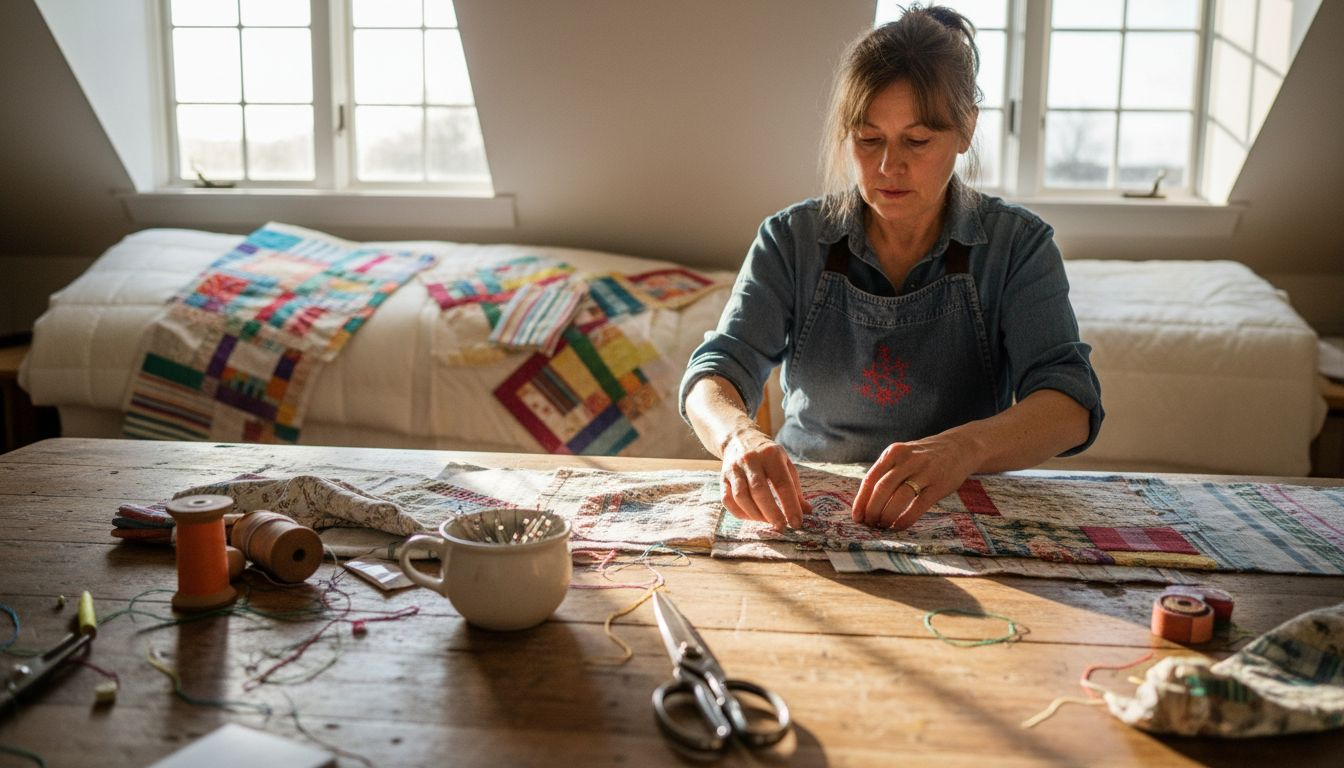
Choosing the right woven fabric can transform your crafting projects from ordinary to extraordinary. Whether you’re planning a cozy quilt, a stylish dress, or elegant home decor, understanding the difference between knit and woven fabrics helps you make smarter material choices. Woven fabrics offer unique textures, durability, and visual appeal that knits simply can’t match. This guide explores seven inspiring woven fabric examples across quilting, apparel, and home decor categories, giving you the knowledge to select materials that bring your creative vision to life with confidence and style.
| Point | Details |
|---|---|
| Weave structure matters | Plain, twill, and satin weaves create distinct textures and performance characteristics for different project types. |
| Fabric choice affects outcomes | Selecting appropriate woven materials directly impacts drape, durability, and finished appearance in your crafts. |
| Project-specific selection | Quilting fabrics prioritize softness and stability, while apparel needs drape and comfort, and home decor demands durability. |
| Fiber content influences care | Natural fibers like cotton require different handling than synthetic blends, affecting washing and longevity. |
| Pre-testing prevents problems | Washing and testing fabric combinations before starting projects saves time and ensures professional results. |
Understanding types of fabric weaves forms the foundation of smart fabric selection. The three primary weave structures are plain weave, twill, and satin, each creating different surface textures and performance qualities. Plain weave interlaces yarns in a simple over-under pattern, producing balanced, stable fabrics. Twill creates diagonal patterns through offset interlacing, resulting in durable, drape-friendly materials. Satin weave floats yarns over multiple threads, generating smooth, lustrous surfaces perfect for elegant projects.
Durability and texture must align with your project requirements. Quilts need fabrics that hold their shape through repeated washing while remaining soft against skin. Apparel requires materials with appropriate drape and comfort for movement. Home decor demands resistance to wear, fading, and staining. Consider how tightly woven your fabric is, as tighter weaves generally offer better durability and less fraying. Looser weaves provide softer hand feel but may require more careful handling during construction.
Fiber content dramatically affects both aesthetics and practical performance. Cotton offers breathability and easy care, making it ideal for quilting and casual apparel. Linen provides crisp texture and natural cooling properties. Wool delivers warmth and resilience for structured garments. Synthetic fibers like polyester add wrinkle resistance and color vibrancy. Blends combine the best properties of multiple fibers, such as cotton-polyester mixes that balance comfort with durability.
Texture influences both visual appeal and handling characteristics during crafting. Smooth fabrics like poplin and sateen showcase printed designs beautifully and slide easily under presser feet. Textured weaves like jacquard and brocade add dimensional interest to projects but require more careful pattern matching. Consider whether your design benefits from subtle texture or bold surface variation. The wrong texture choice can fight against your creative vision rather than enhance it.
Pro Tip: Before committing to a large fabric purchase, buy small swatches of your top choices. Wash them according to care instructions, then compare shrinkage, color fastness, and hand feel. This simple test prevents costly mistakes and ensures your finished project performs exactly as intended. Check the fabric grain by pulling gently on the bias, true woven fabrics should have minimal stretch compared to knits.
Cotton broadcloth stands as the quilting community’s workhorse fabric. This tightly woven plain weave material offers consistent thread count, smooth surface texture, and excellent color retention. The tight weave prevents batting migration and holds precise seam allowances beautifully. Broadcloth’s medium weight provides enough body for structured quilts without adding excessive bulk. It accepts both hand and machine quilting stitches cleanly, making it perfect for detailed work. The fabric washes well and softens with age, creating heirloom-quality pieces that improve over time.
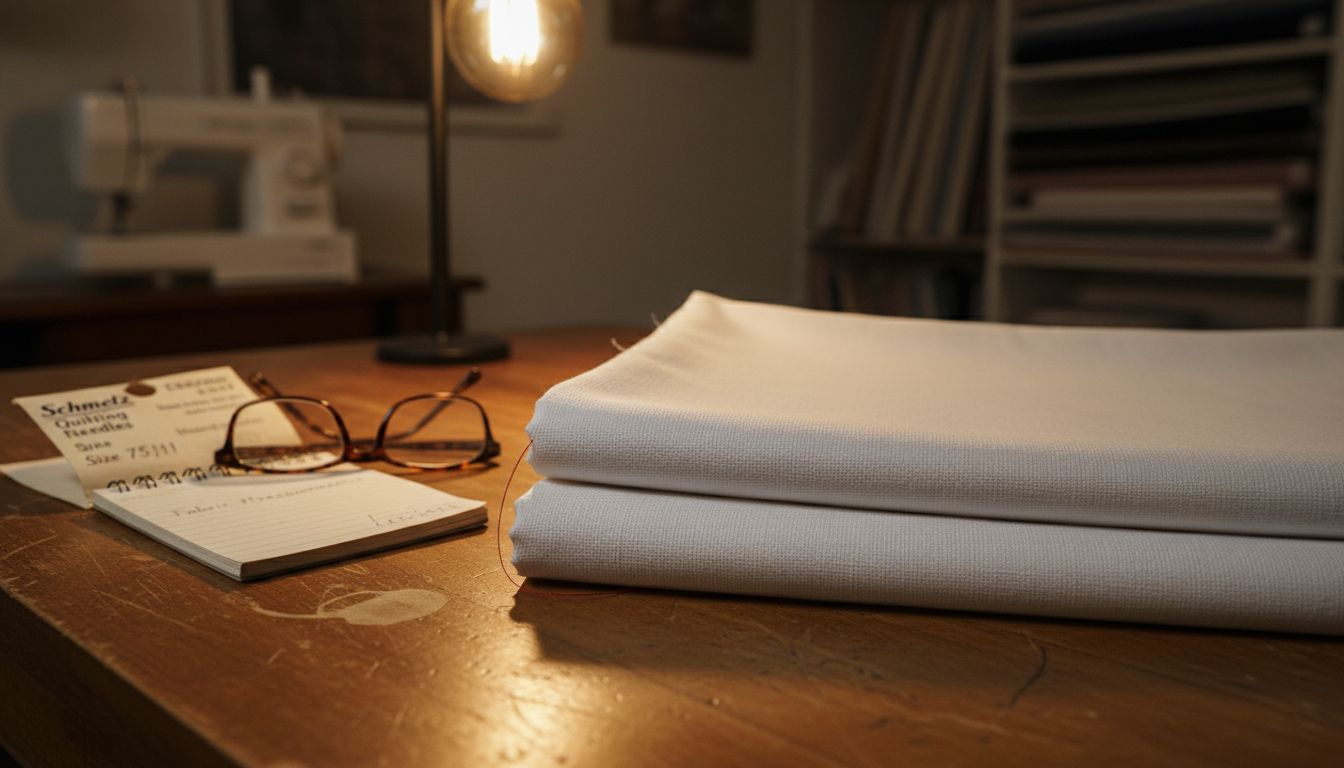
Calico brings budget-friendly charm to patchwork and scrappy quilts. This printed cotton fabric features small-scale patterns that coordinate effortlessly in multi-fabric designs. The medium weight balances durability with ease of handling, making it accessible for beginners. Calico’s versatility shines in traditional quilt patterns like log cabin, nine-patch, and Dresden plate. While not as refined as premium quilting cottons, calico offers excellent value for practice projects and casual quilts. The prints often feature vintage-inspired florals and geometric patterns that add nostalgic appeal.
Flannel creates irresistibly cozy quilts perfect for cold weather comfort. This brushed cotton fabric features a soft napped surface on one or both sides, trapping warmth while maintaining breathability. Flannel’s slightly thicker profile adds weight and drape to finished quilts. The fabric works beautifully for baby quilts, winter bedding, and throw blankets. However, flannel requires special attention during construction as it tends to stretch and distort more than standard quilting cotton. Pin carefully and use a walking foot to prevent shifting during piecing.
Muslin serves multiple roles in quilting projects. This plain weave cotton fabric comes in various weights and thread counts, from lightweight voile to sturdy sheeting. Quilters use lightweight muslin for delicate foundation piecing and whole-cloth quilts where the quilting design takes center stage. Heavier muslin makes excellent quilt backing, providing neutral support that lets the quilt top shine. The unbleached natural color offers warm tones, while bleached white muslin provides crisp contrast. Muslin’s affordability makes it ideal for testing patterns and practicing new techniques.
Pro Tip: Always pre-wash quilting fabrics before cutting to prevent uneven shrinkage in your finished quilt. Wash similar colors together in warm water, then press while slightly damp to restore the fabric’s crisp hand. Pay attention to grain lines when cutting, aligning pattern pieces with the straight grain ensures your quilt blocks maintain their shape and lie flat during assembly.
Twill weave fabrics dominate the apparel landscape with their distinctive diagonal ribbing and exceptional durability. The offset interlacing pattern creates fabrics that drape beautifully while resisting wrinkles and showing less soil than plain weaves. Denim represents the most recognizable twill, but the category includes gabardine, chino, and drill fabrics. These materials excel in structured garments like pants, jackets, and skirts where you need shape retention without stiffness. The diagonal grain provides slight stretch and recovery, allowing comfortable movement. Twill’s durability makes it ideal for everyday wear that withstands frequent washing.
Satin weave fabrics bring luxury and elegance to special occasion garments. The characteristic smooth, lustrous surface results from yarn floats that reflect light beautifully. True satin uses silk fibers, but cotton sateen and polyester satin offer more affordable alternatives with similar visual appeal. This weave structure creates fabrics with distinct right and wrong sides, the face showing brilliant sheen while the back appears dull. Satin drapes fluidly, making it perfect for evening gowns, blouses, and linings. The smooth surface feels wonderful against skin but can be slippery to sew, requiring careful pinning and handling.
Poplin delivers crisp, professional results for shirts and dresses. This plain weave fabric features fine horizontal ribs created by using heavier filling yarns than warp yarns. The tight weave produces a smooth, matte surface that holds its shape beautifully. Poplin’s medium weight provides enough structure for tailored garments without feeling heavy or stiff. The fabric breathes well, making it comfortable for warm weather wear. Cotton poplin remains the classic choice, but cotton-polyester blends add wrinkle resistance for easy-care garments. The crisp hand softens slightly with washing while maintaining its characteristic body.
Key benefits of apparel woven fabrics include:
Heavyweight upholstery fabrics withstand the demanding conditions of furniture covering and high-traffic home decor. These tightly woven materials typically weigh 12 ounces per yard or more, providing the density needed to resist abrasion, stretching, and tearing. Upholstery-grade fabrics undergo special treatments for stain resistance and colorfastness, ensuring they maintain their appearance through years of use. Look for fabrics with high double rub counts, indicating superior durability. These robust materials work beautifully for sofas, chairs, ottomans, and cushions that receive daily use.
Jacquard and brocade fabrics add sophisticated texture and pattern to interior spaces. These complex weaves create raised designs by controlling individual warp threads during weaving, producing intricate florals, damasks, and geometric patterns. The dimensional quality adds visual interest without requiring printed designs. Jacquard works wonderfully for decorative pillows, curtains, and upholstered headboards where you want elegant detail. Brocade features metallic threads woven into the pattern, creating shimmer and luxury. Both fabric types require careful pattern matching during construction but deliver stunning results worth the extra effort.
Canvas and duck cloth provide practical, durable solutions for casual home decor. These heavy plain weave fabrics resist wear while offering natural, relaxed aesthetics. Canvas works perfectly for slipcovers, director’s chairs, and outdoor cushions. Duck cloth’s tighter weave makes it suitable for tote bags, placemats, and sturdy window treatments. Both fabrics accept dye beautifully, allowing custom color matching. The natural cotton fibers breathe well and develop appealing patina with use. These workhorse fabrics combine functionality with timeless style.
| Fabric Type | Durability Rating | Texture | Care Requirements |
|---|---|---|---|
| Upholstery Canvas | High | Firm, structured | Vacuum regularly, spot clean |
| Jacquard | Medium-High | Textured, dimensional | Dry clean recommended |
| Duck Cloth | High | Crisp, sturdy | Machine wash cold |
| Brocade | Medium | Lustrous, ornate | Professional cleaning |
Home decor fabric features to prioritize:
Ready to turn inspiration into reality? Fabric-fabric.com offers an extensive selection of woven fabrics perfect for your next quilting, apparel, or home decor project. Browse curated collections designed specifically for crafters who demand quality and variety. The backdrop fabrics collection showcases specialty woven materials ideal for photography and event styling, while the home decor fabric selection features upholstery-grade options in trending colors and patterns.
Each product listing provides detailed specifications including fiber content, weight, and care instructions, helping you make informed decisions before purchasing. Take advantage of seasonal promotions and free shipping thresholds to stock up on materials for multiple projects. Whether you need a few yards for a small craft or bulk quantities for large-scale creations, you’ll find the perfect woven fabrics to match your vision and budget.
Woven fabric is textile created by interlacing two sets of yarns at right angles, with warp threads running lengthwise and weft threads crossing horizontally. This perpendicular interlacing creates stable, structured material with minimal stretch. Unlike knit fabrics that loop yarns together or nonwoven materials that bond fibers mechanically or chemically, woven fabrics derive their strength from the systematic over-under pattern of threads. This construction method produces fabrics ideal for crafting projects requiring shape retention, crisp edges, and durability.
Popular woven fabrics for crafting include cotton broadcloth for quilting, twill for durable apparel, satin for elegant garments, flannel for cozy projects, and jacquard for decorative home decor. Each type offers unique characteristics that suit specific applications. Broadcloth provides smooth, stable surfaces perfect for detailed piecing. Twill’s diagonal weave creates strong, drape-friendly material. Satin delivers lustrous elegance for special occasions. Flannel adds warmth and softness. Jacquard incorporates woven patterns for textural interest without printing.
Pre-wash woven fabrics before cutting and sewing to remove sizing and allow for shrinkage. Use gentle washing cycles with cool or warm water depending on fiber content, and avoid high heat drying which can cause excessive shrinkage and damage fibers. Store finished projects and unused fabric away from direct sunlight to prevent color fading and fiber degradation. Iron woven fabrics while slightly damp for best results, using appropriate heat settings for the specific fiber type. Following care labels ensures your handcrafted items maintain their beauty and integrity through years of use.
Yes, you can successfully combine different woven fabrics in single projects, but compatibility depends on fabric weight, shrinkage rates, and stretch characteristics. Test fabric combinations by washing swatches together before committing to your design, checking for color bleeding, differential shrinkage, and texture compatibility. Mixing fabrics with similar weights and care requirements produces the most professional results. Creative texture mixing adds visual interest to quilts, garments, and home decor, but requires thoughtful planning to ensure all materials perform similarly over time. Consider using interfacing to stabilize lighter fabrics when pairing them with heavier ones.