

 US Dollar

Complete Guide to Why Choose Silk Fabrics
Posted by BLG on 2025 Nov 20th
Posted by BLG on 2025 Nov 20th

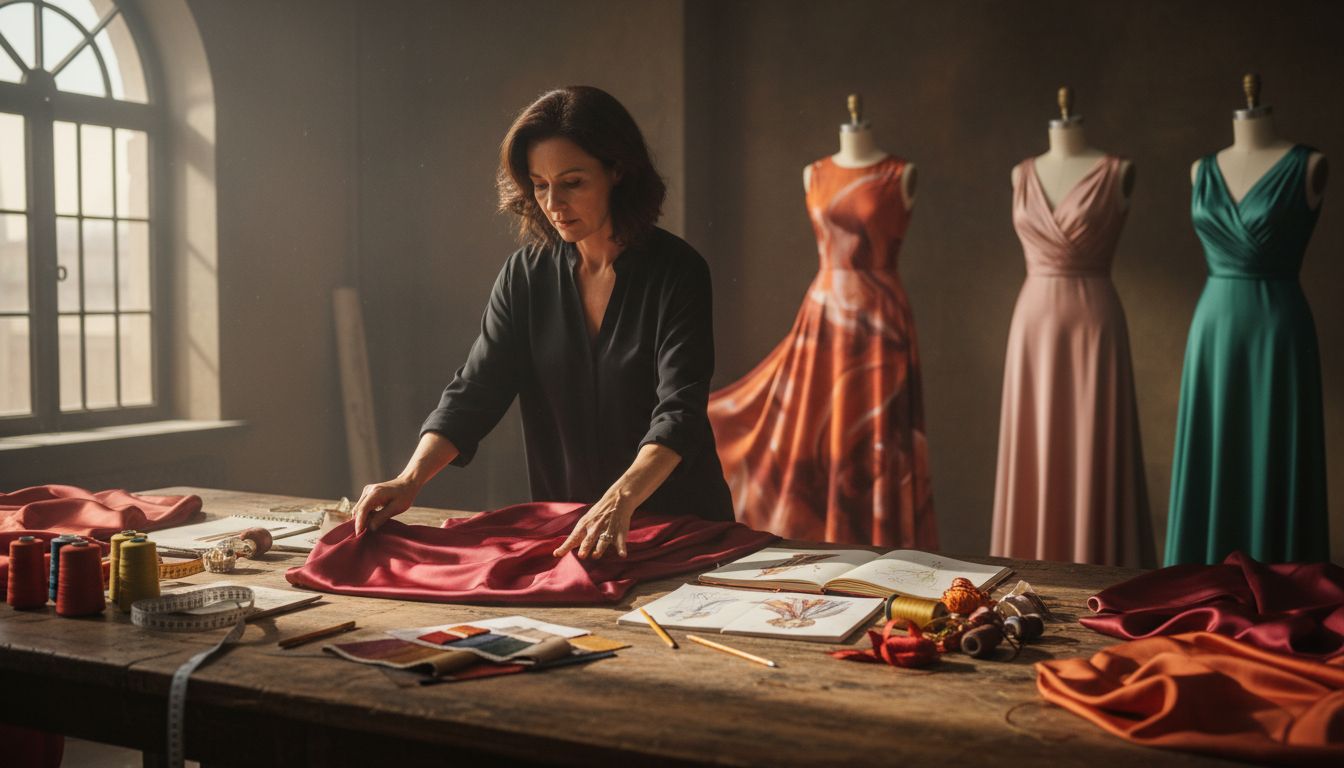
Most american consumers recognize silk as a symbol of luxury, yet few realize that silkworms produce over 150,000 tons of raw silk every year worldwide. This extraordinary material captivates not just for its shine and softness but for the fascinating science and artistry behind its creation. From its unique origins to the traits that set it apart, understanding silk reveals why it remains a favorite among fabric enthusiasts and top designers.
| Point | Details |
|---|---|
| Silk Origins | Silk is a natural protein fiber produced by Bombyx mori silkworms, known for its luxurious qualities. |
| Core Characteristics | Silk features exceptional strength, elasticity, and a natural sheen, making it a preferred textile in fashion. |
| Versatile Applications | Silk is widely used in high fashion and home décor, including garments like evening gowns and home textiles like curtains. |
| Care Requirements | Proper care, including gentle cleaning and appropriate storage, is essential to maintain silk’s luxurious qualities. |
Silk is an extraordinary natural protein fiber with a rich history of luxury and craftsmanship. According to psscive.ac.in, silk is primarily produced by silkworms of the Bombyx mori species, which feed exclusively on mulberry leaves. This unique dietary requirement contributes to the creation of a fiber that has been prized for centuries.
The core characteristics of silk make it stand out among natural fabrics. Silk fibers are renowned for their remarkable properties: exceptional strength, incredible elasticity, and a natural luminous sheen that catches light beautifully. As documented by kamarajwomenscollege.ac.in, these traits have established silk as a premium textile in the global fashion and textile industries.
The production of silk is a fascinating process that transforms humble silkworm cocoons into threads of extraordinary beauty. Each cocoon is carefully harvested and processed to extract the delicate yet strong fibers that have adorned royalty and fashion enthusiasts for generations. The result is a fabric that combines softness, durability, and an unparalleled aesthetic appeal that continues to captivate designers and consumers worldwide.
Learn more about silk fabrics in our comprehensive guide on silk fabric.
Silk fabrics offer an incredible diversity of textures, weights, and applications that make them uniquely versatile. According to textilescommittee.nic.in, silk can be transformed into multiple distinctive fabric types, each with its own remarkable characteristics and specialized uses.
Lightweight Silk Varieties include some of the most delicate and ethereal fabrics in the textile world:
Structured Silk Fabrics provide more body and definition for tailored garments. psscive.ac.in highlights several remarkable options like Charmeuse, a satin-weave fabric with a lustrous face ideal for lingerie and blouses, and Brocade, a heavy silk with intricate jacquard patterns perfect for formal wear and home furnishings.
For those seeking unique textures, silk offers even more intriguing options. Dupioni presents a thick, crisp fabric with a distinctive nubby texture, while Noil (raw silk) provides an organic, unstructured feel perfect for casual yet sophisticated clothing. These diverse silk fabrics demonstrate the material’s extraordinary range, ensuring there’s a perfect silk option for virtually every design and aesthetic preference.
Discover more about luxury textile varieties in our comprehensive guide.
Silk stands out as an extraordinary fabric with remarkable properties that extend far beyond its luxurious appearance. According to ninghow.com, silk offers exceptional temperature-regulating capabilities, making it a truly intelligent textile that keeps wearers comfortable in diverse environmental conditions. Whether you’re experiencing a hot summer day or a chilly winter evening, silk adapts to your body’s needs, providing consistent comfort and protection.
Skin and Health Benefits are another compelling reason to choose silk. silksouq.com highlights the fabric’s hypoallergenic properties, making it an excellent choice for individuals with sensitive skin. The natural moisture-wicking abilities of silk help keep your skin dry and comfortable, reducing the potential for skin irritation and promoting overall skin health.
Silk’s unique characteristics extend to its remarkable physical properties:
Beyond its practical advantages, silk represents a timeless investment in quality. Its inherent strength means garments and textiles maintain their elegance and structural integrity far longer than many synthetic alternatives. From haute couture fashion to delicate home textiles, silk transforms ordinary items into extraordinary experiences, combining functional excellence with unparalleled aesthetic appeal.
Learn more about choosing the perfect fabric for your projects.
Silk’s versatility makes it a cornerstone material in both high fashion and elegant home design. In the world of fashion, silk transforms ordinary garments into extraordinary statements, seamlessly bridging classic elegance with contemporary style. Designers leverage silk’s unique properties to create everything from flowing evening gowns and delicate blouses to lightweight scarves and sophisticated tailored suits.
Home décor represents another realm where silk truly shines. Luxurious silk textiles bring sophistication to interior spaces through:
Beyond aesthetics, silk’s practical qualities make it an exceptional choice for discerning designers and homeowners. Its natural sheen catches light beautifully, creating depth and dimension in both clothing and interior design. The fabric’s ability to drape gracefully means it can transform spaces and silhouettes with unparalleled elegance.
From haute couture runways to meticulously designed living spaces, silk continues to represent the pinnacle of textile sophistication. Its adaptability allows it to move seamlessly between structured tailoring and fluid, romantic designs, making it a perennial favorite among fashion designers and interior decorators alike.

Explore inspiring home decor fabric ideas for every style.
Preserving the delicate beauty of silk requires thoughtful and gentle care. According to psscive.ac.in, maintaining silk’s luxurious qualities demands a strategic approach that protects its inherent strength and luminous appearance. Cleaning techniques play a crucial role in extending the life of your silk garments and textiles.
Washing and Cleaning Recommendations:
Storage is equally critical for silk’s longevity. textilescommittee.nic.in recommends protecting silk from direct sunlight and storing it in a cool, dry environment. Use padded hangers for garments to prevent stretching, and fold delicate items with tissue paper to maintain their shape and prevent unwanted creases.
Advanced care involves understanding silk’s unique vulnerabilities. Protect your silk items from rough surfaces, sharp jewelry, and excessive moisture. When storing, choose breathable garment bags or cotton covers that allow air circulation while preventing dust accumulation. Professional dry cleaning remains the safest option for valuable or intricate silk pieces, ensuring their pristine condition for years to come.
Discover more essential tips for fabric care maintenance.
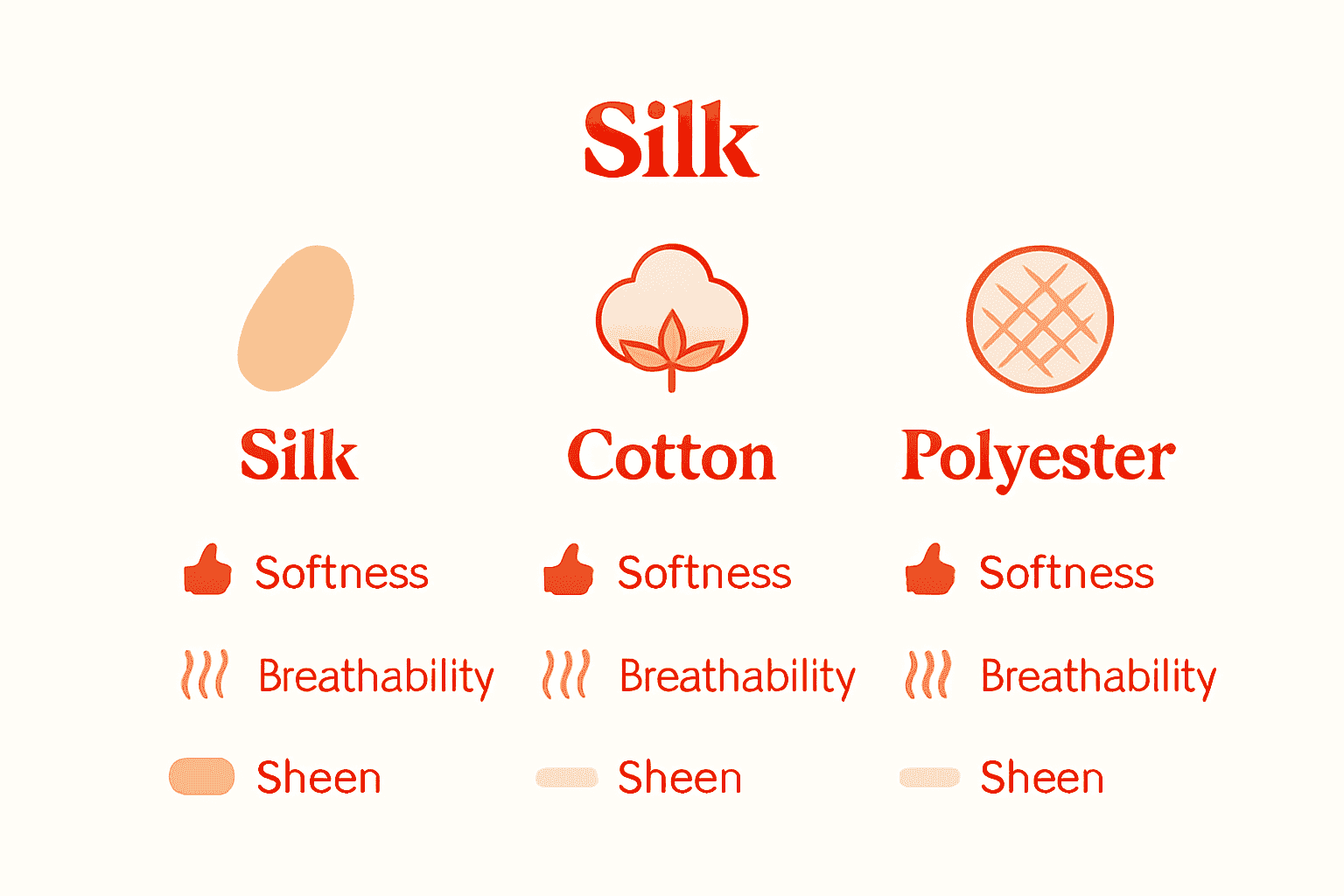
When evaluating textile options, silk emerges as a distinctive and exceptional material. According to silksouq.com, silk distinguishes itself through its unparalleled combination of natural sheen, exceptional softness, and remarkable strength. Unlike synthetic alternatives that prioritize durability, silk offers a unique blend of elegance and performance that no other fabric can truly replicate.
Comparative Fabric Characteristics:
ninghow.com highlights that silk’s primary advantages extend beyond mere aesthetics. While synthetic fabrics often prioritize cost-effectiveness, silk provides superior breathability and moisture management. Its hypoallergenic properties make it an ideal choice for individuals with sensitive skin, setting it apart from many conventional textile options.
The nuanced differences between silk and other fabrics become most apparent in specialized applications. Wool might offer warmth, cotton might provide basic comfort, and polyester might deliver durability, but silk uniquely combines these qualities with an incomparable luxurious feel. Its ability to regulate temperature, resist allergens, and maintain an exquisite appearance makes it a premium choice for discerning designers and consumers.
Explore our comprehensive fabric selection guide for designers.
Choosing silk means investing in a fabric that offers unmatched strength, natural sheen, and exceptional comfort. From its hypoallergenic qualities to its ability to regulate temperature, silk answers the needs of those who seek both beauty and functionality in their textiles. If you value elegant drape, durability, and skin-friendly features in your apparel or home décor projects, silk is the ultimate solution.
Explore our premium silk fabric selection at fabric-fabric.com now and bring the sophistication and lasting quality of silk into your creations. Whether you are crafting delicate clothing or luxurious home accents, find the perfect silk fabric that fits your vision and enjoy special offers, free shipping thresholds, and expert guidance. Don’t wait to elevate your projects with silk’s unique charm and performance. Start shopping today at fabric-fabric.com and discover how silk can transform your designs.
Silk offers exceptional temperature-regulating capabilities, hypoallergenic properties, natural moisture-wicking abilities, and a luxurious texture that is both strong and durable.
To care for silk, use mild, silk-specific detergents, hand wash in cool water, avoid wringing the fabric, and store it in a cool, dry environment away from direct sunlight, ideally using padded hangers or breathable garment bags.
Silk fabrics come in various types, including chiffon (for evening wear), georgette (for flowing garments), charmeuse (for lingerie), and brocade (for formal wear), each offering unique characteristics suited for different applications.
Silk is generally more luxurious with a smoother feel compared to cotton, offers lighter weights than wool, and provides superior breathability and moisture management compared to synthetic fabrics like polyester.