

 US Dollar

What Is Spandex? Benefits, Uses, and Pro Tips for Apparel
Posted by BLG on 2026 May 7th
Posted by BLG on 2026 May 7th

TL;DR:
- Spandex, known as elastane or Lycra depending on the region or branding, is a highly elastic synthetic fiber primarily made from polyurethane. It offers four-way stretch, excellent recovery, and is widely used in performance and fashion garments for its durability, comfort, and shape retention. Understanding its properties and proper care helps achieve long-lasting, well-fitting projects across activewear, costumes, and everyday wear.
Walk into any fabric store and ask for “spandex,” and you might get a knowing nod. But ask for “elastane” or “Lycra” in a different shop and you’ll get the exact same fiber in return. This mix-up trips up beginners and experienced sewists alike, and it’s just the start of the confusion around stretch fabrics. Knowing exactly what spandex is, how it performs against other stretchy materials, and how to use it properly can make the difference between a garment that fits beautifully for years and one that loses its shape after a few washes.
| Point | Details |
|---|---|
| Spandex basics | Spandex is a synthetic fiber prized for its exceptional stretch and recovery in modern apparel. |
| Comparison matters | Understanding differences between spandex and other fabrics ensures better project outcomes. |
| Application versatility | Spandex is used widely, from leggings and swimwear to costumes and home decor touches. |
| Care tips | Proper washing and drying methods help spandex garments stay stretchy and last longer. |
| Expert insight | A smart approach to spandex blends and testing gives makers the best fit and results. |
Spandex is a synthetic fiber made primarily from a polymer called polyurethane, which gives it extraordinary elasticity. The word “spandex” is actually an anagram of “expands,” which is a neat clue to its defining property. Invented by DuPont chemist Joseph Shivers in 1958, it was introduced commercially under the brand name Lycra. Today, the fiber goes by three names depending on where you are in the world: spandex in North America, elastane in Europe and much of the rest of the world, and Lycra as a trademarked brand name owned by The Lycra Company. All three refer to the exact same type of fiber.
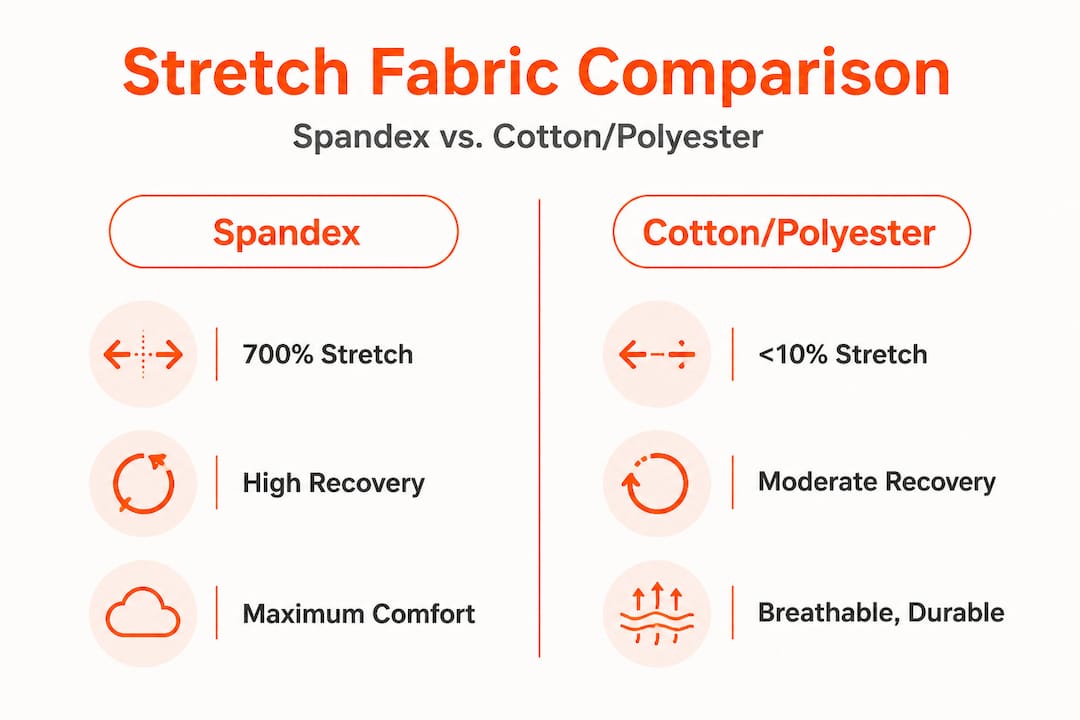
The fiber is produced through a process called dry spinning, where a liquid polymer solution is pumped through tiny nozzles and then solidified using warm air. What results are long, incredibly fine strands that can be stretched to four to seven times their original length and then snap back perfectly. That snap-back quality is called stretch recovery, and it’s what sets spandex apart from nearly every other fiber on the market.
Key properties of spandex at a glance:
| Property | Spandex | Cotton | Polyester |
|---|---|---|---|
| Stretch percentage | Up to 700% | Under 5% | Under 10% |
| Recovery after stretch | Excellent | Poor | Moderate |
| Weight | Very light | Light to medium | Light |
| Moisture resistance | High | Low | Medium |
| Durability under tension | Very high | Moderate | High |
Pro Tip: When sourcing spandex for DIY projects, look for fabric blends rather than 100 percent spandex. A blend of 80 percent nylon and 20 percent spandex gives you both the stretch you need and a more comfortable, sewable fabric that handles well at the machine.
With an understanding of spandex’s fundamentals, the next logical step is comparing it side by side with your other stretchy fabric choices. Not every stretchy fabric behaves the same way, and choosing the wrong one can mean a swimsuit that sags, a legging that pills, or a dancewear piece that restricts movement instead of supporting it.
How fabric stretch affects fit is a topic worth studying before you cut a single piece of fabric. The type of stretch, whether two-way or four-way, changes how a garment moves with the body. Spandex delivers four-way stretch by design, meaning it stretches and recovers in every direction. Many stretch knit fabrics offer only two-way stretch, which limits their use in fitted designs.
| Fabric type | Stretch direction | Recovery | Durability | Best use |
|---|---|---|---|---|
| Spandex blend | Four-way | Excellent | Very high | Activewear, swimwear, shapewear |
| Stretch knit | Two or four-way | Good | Moderate | Casual tops, dresses |
| Shiny stretch | Two or four-way | Good | Moderate | Dancewear, costumes |
| Bamboo stretch | Two-way | Moderate | Moderate | Loungewear, basics |
| Recycled elastane | Four-way | Good | High | Eco-conscious activewear |
You can browse shiny stretch fabric options and stretch knit fabrics to compare how different constructions look and feel side by side. Both are popular for garments that need visual impact alongside flexibility.
Which fabric is right for your project?
The global activewear market, which relies heavily on spandex and stretch blends, has seen massive growth in the 2020s, reflecting how central stretch fabrics have become to modern dressing. If you care about the environmental footprint of your sewing, eco-friendly fabric options exist that incorporate recycled fibers without sacrificing stretch or durability.
Having examined how spandex stands up to other stretchy fabrics, let’s explore why it wins out in so many apparel applications. The short answer is performance. No other fiber matches spandex’s combination of stretch, recovery, and wearability in one lightweight package.
The main reasons spandex dominates apparel:
“Stretch is not just a comfort feature. It’s a fit technology. When a fabric moves with the body, the garment requires less ease, fewer fitting adjustments, and ultimately delivers a more flattering result for a wider range of body types.” This is why professional patternmakers always account for the specific stretch percentage of a fabric before finalizing measurements.
Pro Tip: Blending spandex with cotton or polyester doesn’t just add comfort. It dramatically improves breathability, making the final garment suitable for warmer weather and longer wear. A 95 percent cotton, 5 percent spandex jersey, for example, gives you a gentle stretch for T-shirts and fitted tops without the tight, synthetic feel of a full performance fabric.
For makers who care about sustainability, selecting spandex blends that incorporate organic or recycled fibers is increasingly practical. Read about the benefits of sustainable fibers if you want to align your project choices with a lower environmental impact.
Now that you know why spandex is prized by makers, discover the breadth of its uses in apparel and beyond. Most people associate spandex with activewear, and for good reason. But it shows up in far more places than gym leggings and swimsuits.
Most popular spandex uses in retail and home sewing:
The performance fabric applications you encounter in retail clothing often feature proprietary spandex blends developed for specific activities, from moisture wicking in running gear to UV protection in swimwear. Understanding this helps you choose the right spandex blend when you’re making your own version at home.
DIY project ideas using spandex panels or accents:
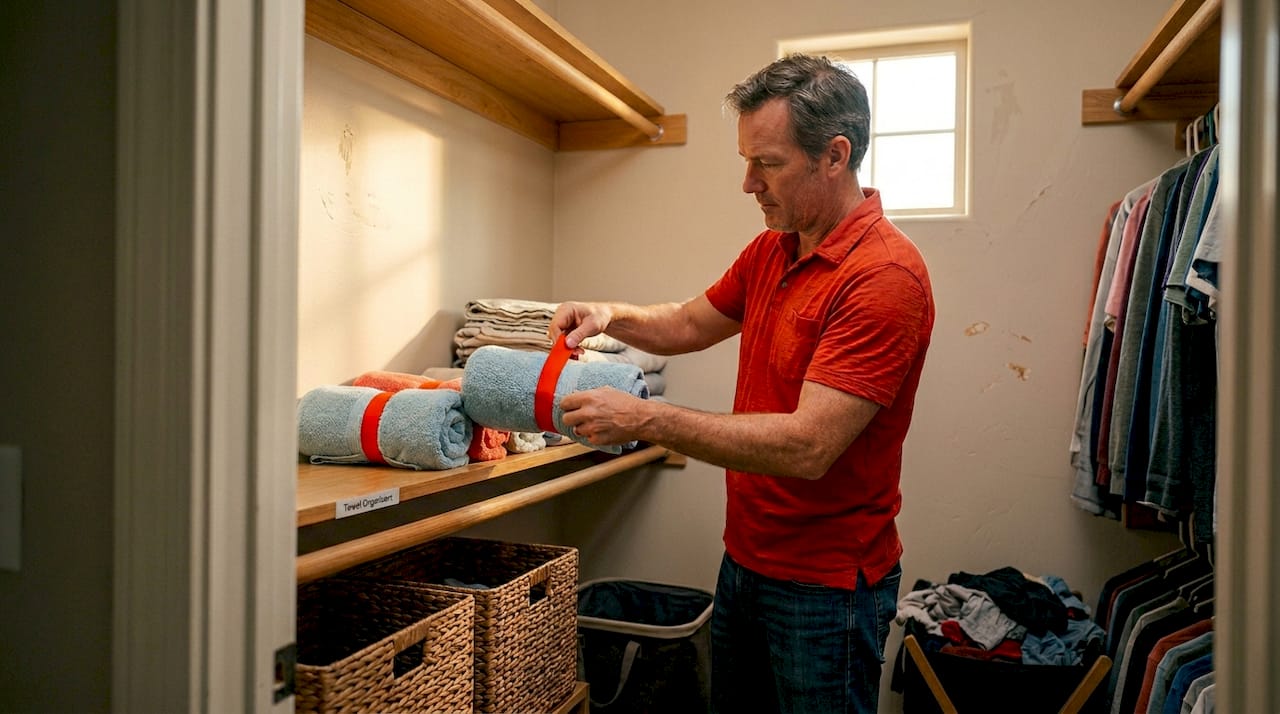
Beyond apparel, spandex shows up in some unexpected places. Fabric manufacturers use it in elastic bands for home organizing, in stretch slipcovers for furniture, and even in accessories like stretch bookmarks and luggage straps. Using custom fabrics in fashion and home projects opens up creative possibilities that go well beyond the obvious. And when it comes to finishing those projects well, how finishes affect fabric is worth exploring so your spandex pieces look polished and professional.
Once you’ve chosen and sewn with spandex, maintaining its performance is key. Spandex is a resilient fiber, but it has specific enemies that will degrade it faster than you’d expect.
Spandex care checklist:
Pro Tip: Heat is spandex’s biggest enemy. Even one cycle in a hot dryer can begin to break down the polymer chains that give spandex its stretch. Once that elasticity degrades, there’s no way to restore it. Air drying is always the safest choice, and it extends the life of your garment significantly.
A fabric care step-by-step guide covers these principles for a range of fabrics, and a dedicated fabric care checklist gives you a quick reference for laundry day. The connection between care and longevity is real. According to textile research, garments that are consistently washed in cold water and air dried last significantly longer. This also ties into sustainability. Caring well for your clothes reduces how often you need to replace them. Fabric durability essentials explains the science behind this in practical terms. You can also spot quality fabric before you buy by checking fiber content labels and construction carefully.
Here’s something most beginner sewists don’t hear enough: not all “stretchy” fabric is created equal, and assuming it is will cost you time, money, and a closet full of garments that don’t fit the way you imagined. Experienced makers know that two fabrics labeled as stretch can behave completely differently on the cutting table, at the machine, and on the body.
The contrarian take here is this: stretch can actually mask poor fitting technique. When a fabric has enough give, you can cut corners on ease allowances and pattern adjustments and the garment will still go on the body. But that’s not the same as a garment that fits. Over-reliance on spandex’s forgiveness trains you to skip the steps that actually build your skills. The makers who truly understand durability matters in fashion know that pairing spandex with deliberate design choices creates garments that last and actually flatter.
The practical wisdom here is simple: swatch before you cut. Sew a test seam using the actual stitch type you plan to use on the final garment, whether that’s a zigzag, a coverstitch, or a serger rolled hem. See how the fabric responds to tension. Check whether the stretch is two-way or four-way. Test how the seam behaves when pulled hard. This 15-minute step saves hours of frustration and wasted fabric.
Blending and experimenting with finishes also opens doors. Custom spandex garments with metallic overlays, velvet flock prints, or textured treatments behave differently than plain knit, and the only way to know how yours will perform is to test it first. The makers who treat spandex knowledge as a real skill, rather than a shortcut, are the ones whose work lasts and stands out.
You’ve got the knowledge. Now it’s time to find the fabrics that bring your vision to life. Whether you’re sewing your first pair of leggings or designing a full costume collection, starting with quality fabric makes every step easier.
At fabric-fabric.com, you’ll find a wide selection of spandex blends, stretch knits, shiny stretch fabrics, and performance materials available by the yard. Whether you need just enough for a single project or want to stock up for multiple makes, the store supports both small personal orders and larger bulk quantities. Browse categories organized by fabric type and intended use, and find detailed product descriptions that tell you exactly what you’re getting before you order. Explore stretch fabric options and discover the right blend for your next leggings, swimsuit, dancewear piece, or everyday garment.
Spandex, elastane, and Lycra all refer to the same synthetic stretch fiber. The difference is regional naming and branding: spandex is the North American term, elastane is used in Europe, and Lycra is a registered brand name.
Yes, a standard sewing machine handles spandex well when you use a ballpoint or stretch needle and a zigzag or stretch stitch, both of which move with the fabric rather than breaking the threads.
Spandex maintains excellent stretch recovery under normal use but can permanently lose elasticity when exposed to high heat, bleach, or repeated machine drying cycles.
Pure spandex has limited breathability on its own, but most spandex garments are blended with cotton, bamboo, or moisture-wicking polyester, which dramatically improves airflow and makes them suitable for warm weather wear.
Eco-friendly alternatives include recycled elastane blends and natural-based stretch fabrics like bamboo jersey, which offer varying degrees of stretch with a lower environmental impact than virgin synthetic fibers.