

 US Dollar

82% Viscose: What Makers Must Know About Silk Velvet
Posted by BLG on 2026 Sep 2nd
Posted by BLG on 2026 Sep 2nd

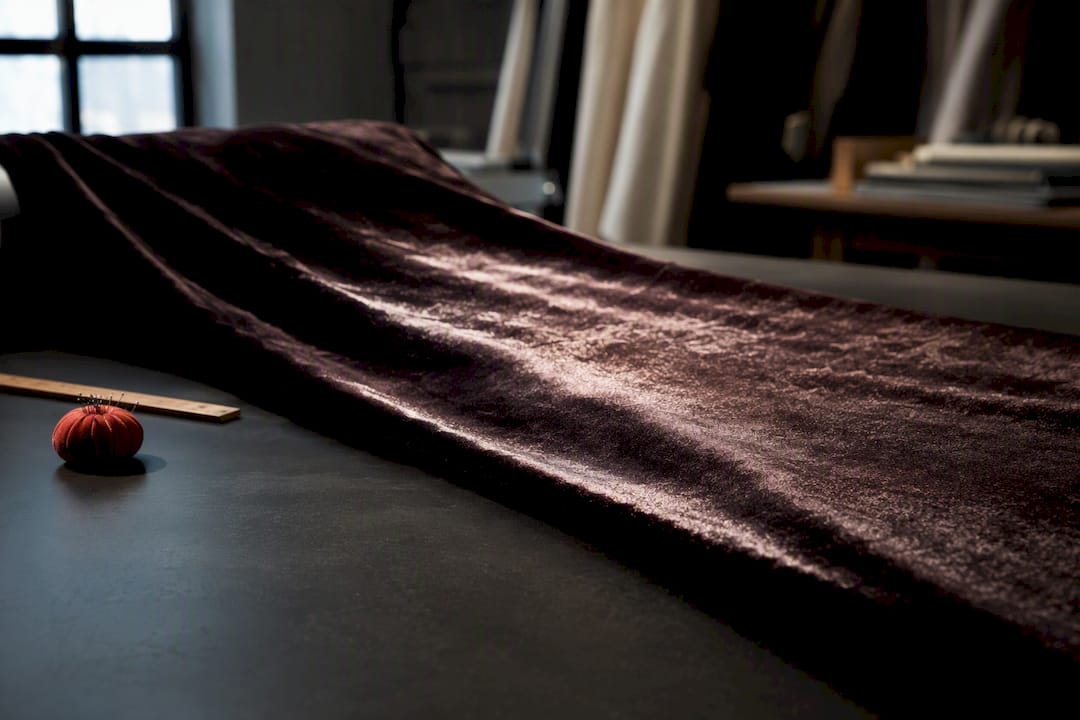
Silk velvet is a woven pile fabric made from silk fibers, or a silk-viscose blend, that catches light in a way no other textile quite matches. Its short, dense pile bends and scatters light as it moves, giving the surface a soft glow instead of a flat shine. That luster and drape come at a cost: silk velvet stains easily, crushes underfoot, and generally needs a dry cleaner rather than a washing machine.
TL;DR:
- Pure silk velvet offers the highest luster and flexibility but is more expensive and less durable than silk-viscose blends, which also dye well.
- The nap and pile height significantly affect color depth and softness, requiring careful layout alignment during cutting and sewing.
- Water and pressure damage silk velvet’s pile, so professional dry cleaning and minimal spot cleaning are essential for maintenance.
- For upholstery, reinforced backing and thicker weights improve durability, while lighter, unbacked silk velvet suits drapery and eveningwear.
- Always order swatches and check nap direction before purchasing full yardage to avoid mismatched color or pile inconsistencies.
Velvet isn’t a fiber. It’s a weaving structure, defined by a dense, upright pile that stands taller than the base cloth beneath it. That pile forms when a loom weaves two warps at once: a ground warp that creates the backing, and a pile warp that gets cut or looped to form the fuzzy surface. Silk velvet simply means silk fiber shows up somewhere in that structure, usually in the pile itself, according to Wikipedia’s overview of velvet weaving.
You’ll run into a few distinct versions when shopping for yardage:
That viscose-heavy blend isn’t a downgrade so much as a trade. Viscose takes dye beautifully and adds sheen at a fraction of pure silk’s cost, which is why most “silk velvet” you’ll find labeled that way at retail is actually a blend.
Silk’s cross-section is shaped roughly like a triangular prism, and that geometry is the whole secret behind the fabric’s shimmer. Light hits the fiber and splits at different angles depending on the pile’s direction, producing the shifting glow described in fiber research from the University of the Arts London. Tilt a swatch under a lamp and you’ll watch the color shift from deep and shadowed to almost silvery, just by changing the angle.
A few properties worth knowing before you buy or sew:
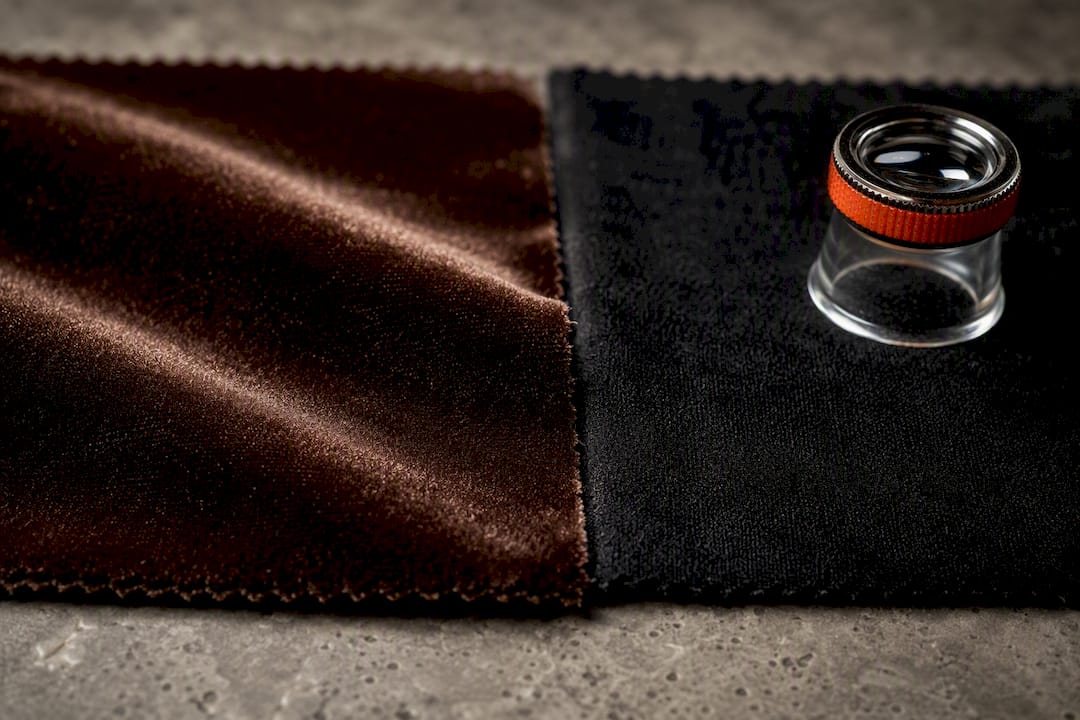
Pro Tip: Cut a small swatch and fold it against itself before buying yardage. If the two halves look like different colors, that’s nap direction at work, not a dye flaw, and you’ll need to lay out every pattern piece the same way.
Compared to other pile fabrics, silk velvet consistently wins on luster and hand, but it loses on durability and forgiveness. If you want the mechanics of that comparison spelled out further, our breakdown of velvet versus velour covers pile height and feel in more detail.
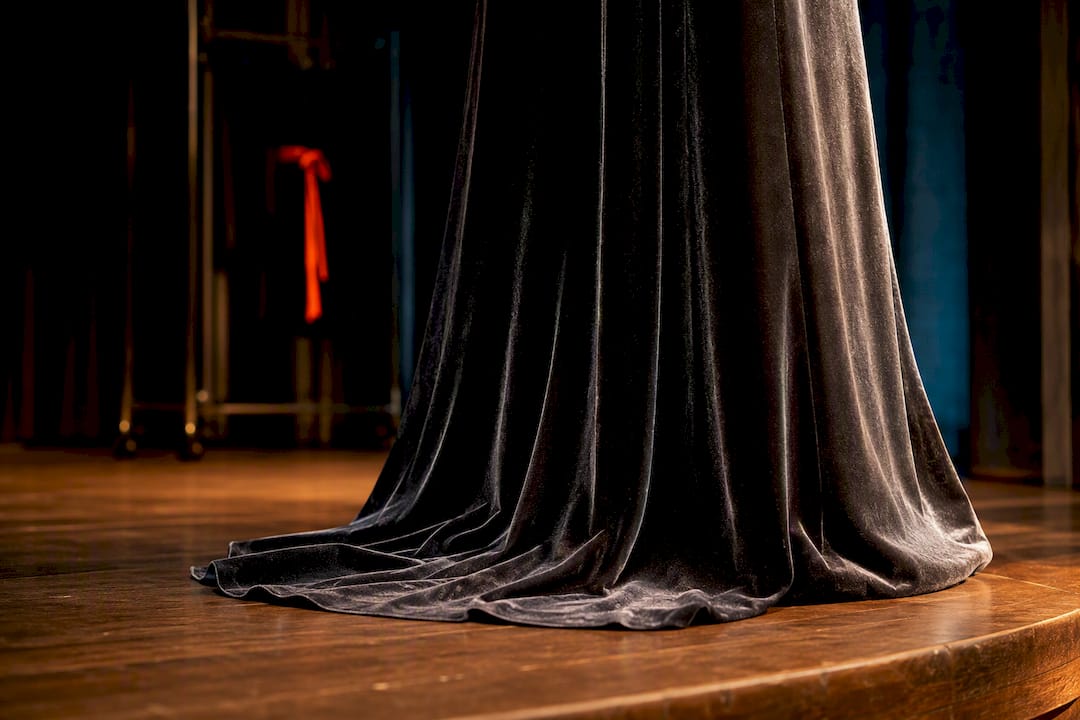
Eveningwear and couture gowns are the classic home for silk velvet. The fabric’s drape lets it pool and fall rather than stiffen, and its light play reads beautifully under stage or evening lighting, which is exactly why bridal and formalwear designers keep reaching for it.
Home decor is the second major category, though with a caveat: pure silk pile is gorgeous on a throw pillow or drapery panel, but it’s a poor match for a heavily used sofa unless the backing has been reinforced with cotton or linen for durability.
Smaller applications round out the list:
For upholstery-specific guidance on backing and durability, our designer’s guide to upholstery velvet walks through weight and backing choices in depth.
The pile warp is the whole story here. Threads run vertically over thin metal rods or wires during weaving, then get cut (for a soft, brushed surface) or left as loops (for a more textured, uncut finish) once the rod is removed.
Water is the enemy. Wet silk velvet can water-spot, and pressure while damp crushes the pile permanently in that spot.
Sewing brings its own challenges. Silk velvet shifts and stretches on the cutting table, so sewing guides consistently recommend buying extra yardage and cutting with a single-layer approach rather than folding fabric double. Our step-by-step velvet care guide covers pressing and handling nap in more detail if you’re prepping a garment project.
Before you commit to yardage, work through this short list:
If you want a side-by-side sense of how silk velvet stacks up against cotton-backed options, our cotton velvet breakdown is a useful next read.
leads me to a simple rule: spend on pure silk where the fabric is seen up close and moves, like a gown bodice or a collar. Save the silk-viscose blend for yardage-heavy projects like drapery or cushions, where the eye reads luster more than fiber purity. [brand_signal]
Order swatches before you commit to a full bolt. A photo can’t tell you how the nap behaves under your hands, and that’s the detail that decides whether a project succeeds.
— kev
Fabric-fabric sells silk and silk-blend velvets by the yard, with swatch samples available so you can check nap direction and color depth before committing to a full order. That’s the real advantage over guessing from a product photo: you handle the actual pile, under your own lighting, before you spend on yardage.
For upholstery-weight pieces, cushions, or drapery panels, browse the home decor fabric collection for backed and reinforced options built to hold up under regular use. If your project needs wider panels for staging or event backdrops, the backdrop fabrics category carries larger widths suited to draping. Whatever you’re making, order a bit more yardage than your pattern calls for. Silk velvet’s nap direction means every piece has to run the same way, and running short mid-project on a dye-matched bolt is a headache worth avoiding. Request a swatch, check it against your lighting at home, and place your yardage order once you’re confident in the hand and color.
The claims in this guide draw on textile references and manufacturer documentation rather than general shopping advice: