

 US Dollar

What Is Laminated Fabric and Its DIY Impact
Posted by BLG on 2026 Jan 21st
Posted by BLG on 2026 Jan 21st

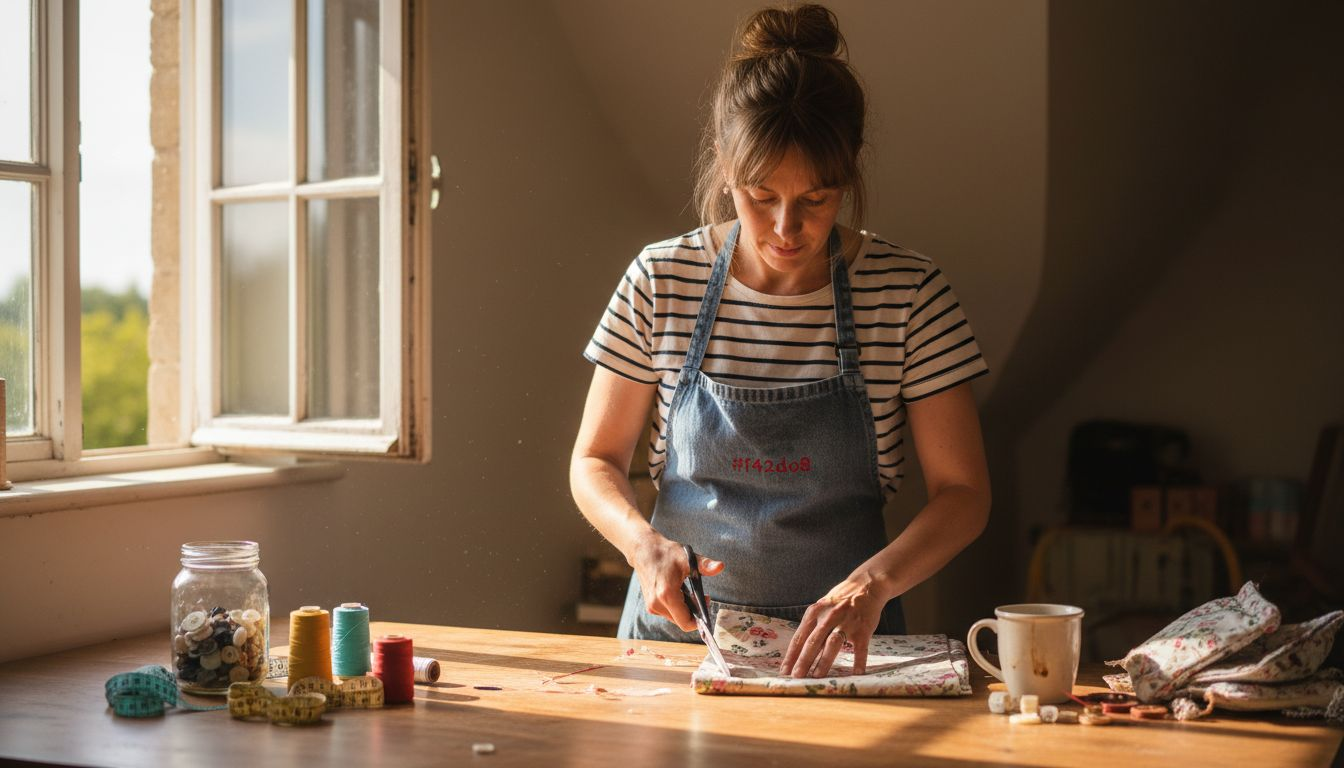
Splashy kitchen spills and unexpected rain clouds can ruin a project that started with the best intentions. For DIY crafters and small business owners across North America, choosing the right material often makes the difference between a product that lasts and one that disappoints. Laminated fabric consists of two or more layers bonded together using chemical polymers, offering durability, water resistance, and specialized performance that standard fabric cannot deliver. Discover how mastering this material can turn your next home decor or fashion project from ordinary to extraordinary.
| Point | Details |
|---|---|
| Laminated Fabric Benefits | Provides waterproofing, chemical resistance, and tear strength, making it ideal for durable and functional projects. |
| Material Selection | Choose the right polymer film and base fabric to match project needs without overspecifying, which can lead to higher costs. |
| Sewing Challenges | Requires sharper needles and specific techniques due to polymer resistance, so test materials before large projects. |
| Market Appeal | Laminated fabric appeals to crafters and small businesses for its long-lasting quality and aesthetic versatility, justifying premium pricing. |
Laminated fabric represents a straightforward but powerful construction method that creates multi-layered textile materials with distinct performance advantages. At its core, laminated fabric consists of two or more layers bonded together using chemical polymers, with a polymer film adhered directly to a fabric base. This isn’t a new technique, but it’s become increasingly popular among DIY crafters and small business owners because it transforms ordinary fabrics into specialized materials capable of handling demanding applications. Unlike traditional single-layer fabrics, laminated construction gives you control over what your final material can actually do, whether that’s resist water, withstand wear, or provide structural support.
The construction process works by taking a base fabric and permanently bonding a polymer coating to one or both sides using adhesives, heat, or pressure. This layered approach to fabric construction allows manufacturers and DIY makers to combine the flexibility and breathability of natural fibers with the durability and protection that polymers provide. The real magic happens in how these layers interact. When you stack materials this way, stress distributes across the entire assembly rather than concentrating on a single layer, which means your finished project resists tearing and maintains its integrity under pressure. For your DIY projects, this translates to bags that hold their shape after months of use, home decor items that tolerate accidental spills, and fashion pieces that last through multiple seasons without degrading. The specific properties you gain depend on which polymer film you choose and how it’s applied to your base fabric, giving you significant flexibility in achieving your project goals.
Several key properties emerge when fabric receives lamination treatment, and understanding these helps you select the right material for your specific application. Chemical resistance becomes built-in, making laminated fabrics ideal for projects exposed to oils, moisture, or household chemicals. Tear strength increases dramatically because the polymer film acts as a reinforcement layer that prevents rips from spreading. Windproofing comes standard with most laminations, which matters significantly for outdoor home decor or wearable projects. The material also gains stiffness and structure, which some projects need and others don’t, so you’ll want to test samples before committing to large quantities. When you’re planning a project, consider whether you actually need all these properties or just a few. Overspecifying materials wastes money and can make projects harder to work with than necessary.
For DIY crafters working on projects ranging from waterproof storage organizers to protective furniture slipcovers, laminated fabric offers practical solutions that regular fabric simply cannot match. Small business owners creating functional home decor or weather-resistant fashion items find laminated construction gives their products a competitive edge in durability and performance. The trade-off comes in workability. Laminated fabrics require sharper needles, appropriate thread types, and adjusted machine settings because the polymer layer resists penetration. However, this learning curve diminishes quickly once you understand how the material behaves, and most crafters report that the benefits outweigh the minimal adaptation required.
Pro tip: Start with a small test project using a lightweight laminated fabric before investing in materials for your flagship piece, as sewing technique differences become obvious immediately and adjusting your approach beforehand prevents wasted materials.
Laminated fabric comes in several distinct types, each designed for different applications and performance requirements. The core differences stem from the polymer film used for bonding and the base fabric composition, creating a range of options for your specific projects. Understanding these variations helps you select materials that genuinely match your needs rather than overpaying for capabilities you won’t use. The most common polymers include polyurethane, polyethylene, PVC, and natural or synthetic rubbers, each offering distinct advantages and limitations that directly impact workability and durability.
Polyurethane laminated fabrics represent the most popular choice among DIY crafters for home decor and fashion projects. This polymer creates a soft, flexible layer that maintains breathability while providing water resistance, making it ideal for bags, pouches, and protective coverings. Polyurethane laminates stay supple even in cold temperatures, which matters if your finished project will be stored or used outdoors during winter months. The trade-off is that polyurethane tends to cost more than other options and can degrade faster under prolonged sun exposure. Polyethylene laminations offer a budget-friendly alternative that excels at moisture barriers and windproofing. These materials work well for protective gear, outdoor storage solutions, and utility items where durability matters more than softness. However, polyethylene remains stiffer and noisier than polyurethane, which some crafters find limiting for fashion applications. PVC laminates deliver maximum durability and chemical resistance, making them the go-to choice for projects exposed to oils, solvents, or harsh cleaning products. Upholstery professionals and small business owners creating commercial-grade items frequently specify PVC for its longevity. The downside involves PVC’s rigidity and the environmental considerations surrounding its production and disposal. Rubber based laminates, both natural and synthetic, provide excellent grip and flexibility combined with impressive durability. These work particularly well for projects requiring tackiness or non-slip properties, such as work aprons or specialized home organization items.
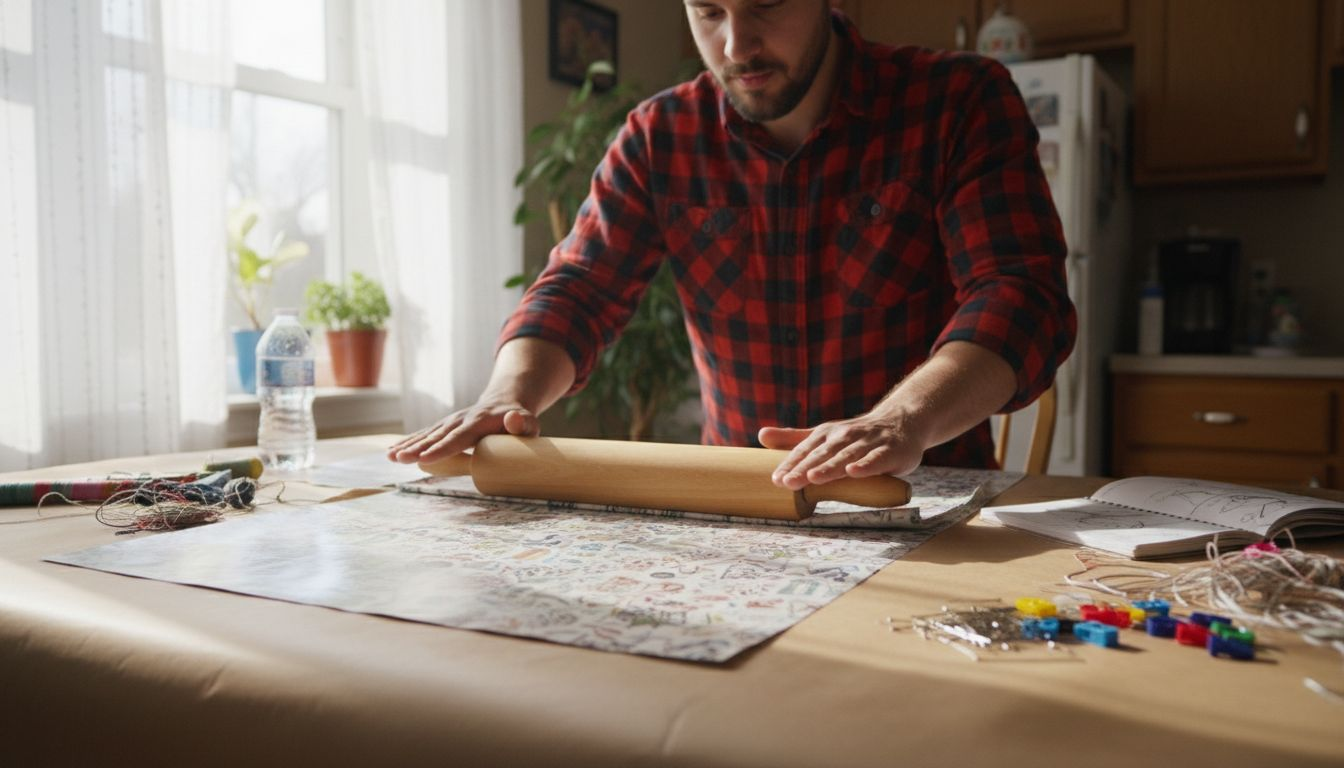
Beyond polymer choices, the base fabric layer influences how your laminated material performs. Cotton base fabrics create soft, natural feeling finished products but require quality bonding to prevent delamination. Synthetic bases like polyester offer superior durability and moisture resistance, with more predictable behavior through multiple wash cycles. Blended bases combine the advantages of both, though at higher cost. Consider also that layered fabric construction with different fiber orientations affects how the final material stretches, drapes, and resists stress. Some manufacturers create multilayer constructions with three or more strata, combining different polymers and fabrics to optimize specific properties. A waterproof bag might layer polyurethane over cotton over polyethylene to gain breathability, durability, and water resistance simultaneously. These specialized constructions cost more but deliver performance that no single material can match alone.
When selecting among these options for your projects, start by identifying your non-negotiables. Do you need maximum flexibility or acceptable stiffness? Is UV resistance critical or irrelevant? Will the item face regular washing or remain relatively protected? Must it feel soft to the touch or just perform its function? Small business owners often discover that slightly more expensive polyurethane materials justify themselves through customer satisfaction and fewer returns. DIY crafters working on one-off projects may find polyethylene perfectly adequate and appreciate the cost savings. Test samples before committing to full material purchases. Most fabric retailers will sell sample cuts in small quantities, letting you sew test pieces and verify that your machines and techniques work properly with your chosen laminate before investing in bulk yardage.
Here’s a concise comparison of popular laminated fabric types and their optimal uses:
| Type of Laminate | Key Property | Common Uses | Notable Limitation |
|---|---|---|---|
| Polyurethane | Flexible, breathable, water resistant | Bags, wearable fashion, home decor | UV sensitivity, higher cost |
| Polyethylene | Durable, windproof, moisture barrier | Outdoor storage, utility, protective gear | Stiffer, noisier feel |
| PVC | Maximum durability, chemical resistant | Upholstery, commercial covers, aprons | Rigid texture, environmental impact |
| Rubber-based | High grip, flexible durability | Non-slip mats, aprons, organizers | Can be heavy, unique care needs |
Pro tip: Match your polymer choice to your project’s use case first, then verify that your sewing machine’s needle size and thread weight work with that specific laminate, as switching between polyurethane and PVC mid-project often requires equipment adjustments.
Lamination transforms ordinary fabric into a specialized material capable of handling conditions that would damage untreated textiles. The process bonds multiple layers together using heat, pressure, or adhesives, creating a unified structure where the polymer film and base fabric work as a single unit rather than separate components. This layering delivers tangible improvements across multiple performance categories that directly impact how your finished projects hold up over time. The real benefit isn’t just one property getting better, but rather several important characteristics improving simultaneously while the fabric maintains its workability for DIY projects.
Waterproofing stands as the most visible performance gain from lamination, and it works differently than you might expect. Rather than simply coating the surface, lamination creates a moisture barrier throughout the material by embedding the polymer film into the fabric structure itself. This means water can’t simply seep around edges or through weak spots the way it might with a topical water repellent treatment. For your DIY projects, this translates to bags that genuinely protect contents during rain, storage organizers that tolerate kitchen spills without interior damage, and outdoor cushion covers that remain dry even after sitting in damp conditions. The protection persists through multiple wash cycles and doesn’t wash away like traditional water repellent finishes do. Beyond water, laminated fabrics develop chemical resistance that protects against oils, solvents, and household cleaners. A laminated apron resists staining from cooking oils or furniture polish in ways untreated fabric cannot match. Small business owners creating commercial-grade products discover that this chemical barrier justifies premium pricing because products last significantly longer and require less frequent replacement.
Tear strength and durability improvements emerge from how lamination distributes forces across multiple layers. When an untreated fabric tears, the damage concentrates in the area where stress applies, and a small rip quickly propagates into a large hole. Laminated construction creates a different failure pattern. The polymer film resists tearing independently of the base fabric, so stress distributes across both materials rather than solely through the vulnerable textile fibers. This means small punctures or snags don’t develop into catastrophic failures. Furniture slipcovers made from laminated fabric survive contact with pet claws and sharp furniture edges far longer than standard covers. Work aprons withstand repeated rubbing against rough surfaces without developing holes. The stiffness that comes with lamination also contributes to durability by providing structural support that prevents excessive flexing and eventual material fatigue.
Other performance enhancements depend on your specific application and polymer choice. Laminated fabrics gain sound dampening properties, which matters for projects like acoustic panels or noise-reducing curtains. UV resistance becomes possible with appropriate polymer selections, extending the lifespan of outdoor decor items from seasons into years. Flexibility and grip characteristics vary based on the polymer and bonding method used, affecting whether finished items feel soft or stiff, tacky or smooth. Understanding which enhancement matters most for your project guides your material selection. A waterproof laptop bag prioritizes tear resistance and waterproofing above all else. An outdoor cushion emphasizes UV resistance and moisture management. A work apron focuses on chemical resistance and durability. Matching your laminated fabric choice to the specific performance characteristics your project demands ensures you’re investing in capabilities that genuinely matter.
One important consideration involves understanding that lamination doesn’t improve every property equally. While waterproofing and tear strength increase dramatically, breathability typically decreases compared to untreated fabric. This trade-off rarely matters for storage items or protective gear, but it becomes relevant for fashion projects or items worn directly against skin. Similarly, laminated fabrics require more energy and resources to produce than standard textiles, so your sustainability priorities might influence material selection. These aren’t reasons to avoid laminated fabrics for DIY projects, but rather important context for making informed decisions about when lamination truly serves your needs versus when standard fabric would work equally well.
Pro tip: Test your finished laminated project in the actual use conditions it will experience before giving it as a gift or selling it, since waterproofing performance varies significantly between polymer types and actual durability often exceeds manufacturer claims when used as designed.
Laminated fabric has moved well beyond industrial applications and now occupies a significant place in both fashion and home decor projects. For DIY crafters, the practical advantages of laminated materials open up creative possibilities that standard fabrics simply cannot deliver. Rainwear and outerwear represent the most obvious fashion application, where waterproofing combined with durability creates jackets, ponchos, and rain covers that genuinely protect while maintaining style. Unlike traditional rubber raincoats that feel stiff and uncomfortable, modern laminated fabrics balance weather resistance with breathability and aesthetic appeal. Small business owners who design functional fashion find that laminated pieces command premium pricing because customers recognize the superior performance. Beyond rain gear, bags and accessories leverage lamination for practical benefits. Crossbody bags made from laminated fabric resist both rain and accidental spills, protecting contents without requiring separate waterproof liners. Work aprons gain stain resistance and durability that transforms them from disposable to heirloom quality. Phone pouches and tech accessories stay protected during commutes and travel. These items sell well because they solve real problems that fashion conscious buyers actually face.
Home decor applications showcase laminated fabric’s versatility even more dramatically. Upholstery and furniture coverings represent a massive use category where lamination delivers genuine advantages. Slipcovers made from laminated fabric protect expensive furniture from pet damage, spills, and wear while remaining fully removable for washing. Outdoor cushion covers withstand weather exposure and maintain color and structure through multiple seasons. Custom decorative wall panels bring texture and visual interest to rooms while resisting dust, moisture, and staining. Kitchen window treatments benefit from lamination’s resistance to heat, steam, and food splatters that would compromise standard fabric. Beyond furniture, laminated surfaces find extensive use in decorative home applications including counter protection, backsplashes, and accent walls. Craft enthusiasts discover that laminated fabric works beautifully for decorative storage boxes, table runners, placemats, and other functional pieces that experience regular handling and potential exposure to moisture.
One particularly popular DIY application involves creating functional home organization items. Storage containers, closet organizers, and drawer dividers made from laminated fabric maintain their structure and appearance through years of use. These projects appeal to DIY crafters because they’re relatively simple to construct but deliver professional looking results that customers or gift recipients genuinely appreciate. Kitchen organizers gain practical value from laminated fabric’s resistance to humidity and spills. Bathroom storage remains clean and moisture resistant in ways that standard fabric cannot match. Parents creating toy storage solutions find that laminated fabric withstands the abuse that children’s items endure. Small business owners selling these organizational solutions discover strong demand because they solve real lifestyle problems while looking attractive enough to display rather than hide away.
The aesthetic versatility of laminated fabric deserves special mention. Contemporary designers work with laminated materials featuring bold prints, metallic finishes, and texture variations that satisfy style conscious buyers. Neutral tones and minimalist patterns appeal to homeowners seeking sophisticated decor. Vibrant colors and playful designs attract customers seeking personality and visual interest. Unlike technical applications where appearance matters less than performance, fashion and home decor buyers expect laminated fabric to look good. This reality has driven innovation in polymer formulations and printing techniques that deliver visual appeal without sacrificing durability. DIY crafters benefit enormously because they can now select laminated fabrics that coordinate with existing decor rather than settling for industrial looking materials.
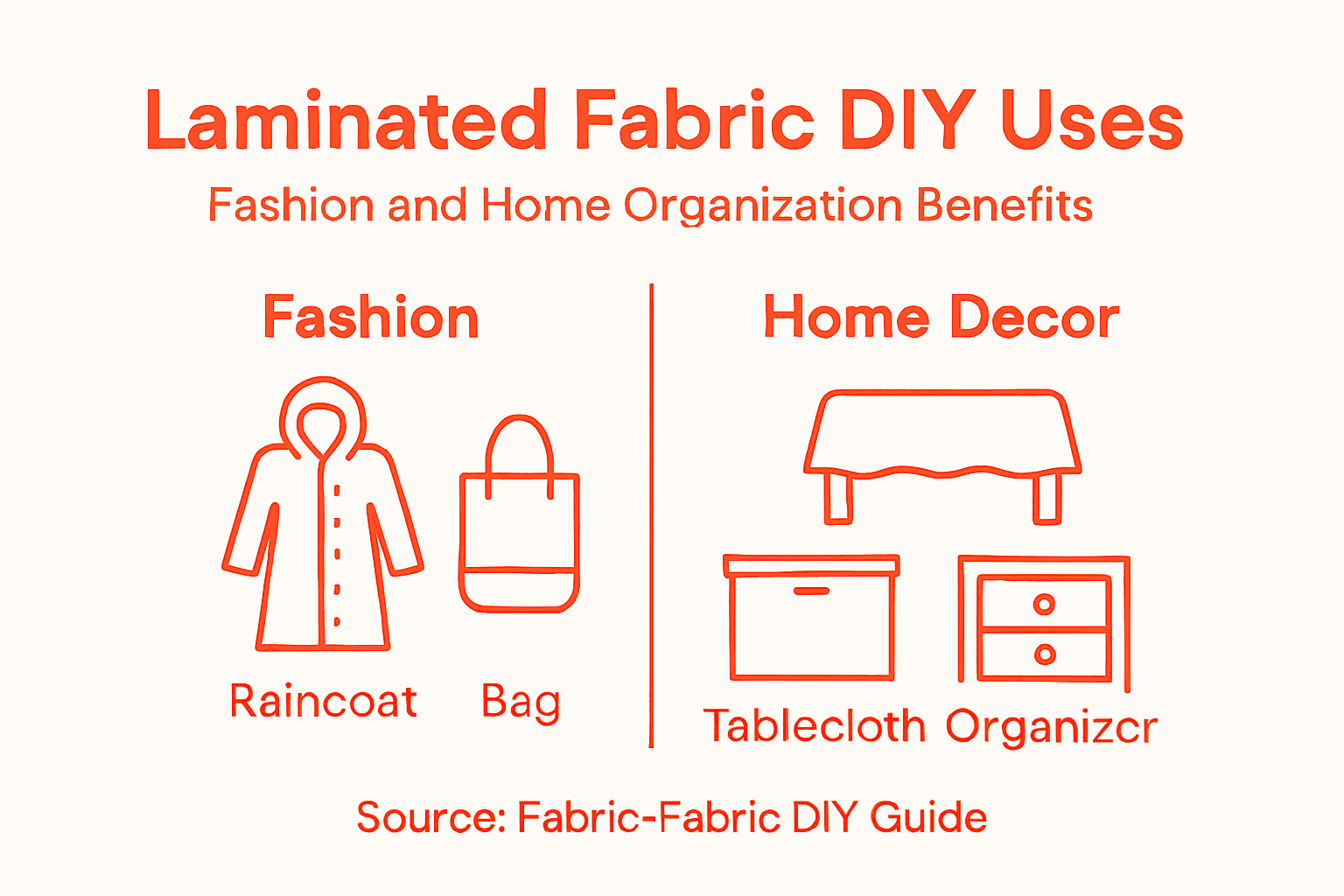
When considering laminated fabric for your fashion or home decor projects, balance performance requirements against aesthetic goals. A waterproof laptop bag prioritizes function but should still reflect your personal style through color and pattern choices. An outdoor cushion cover needs durability but also needs to complement your patio furniture and overall landscape design. A kitchen apron must resist stains and heat but should make you want to wear it. Small business owners find success by recognizing that customers in fashion and home decor markets expect both function and beauty. Offering laminated products that deliver genuine performance advantages while looking intentional and attractive rather than purely utilitarian creates the winning combination that drives customer satisfaction and repeat purchases.
Pro tip: Select laminated fabric colors and patterns conservatively for pieces you plan to keep long term, since personal style preferences change but fabric durability means your projects might outlast your design interests by several years.
Laminated fabric delivers impressive benefits, but understanding its limitations prevents frustration and failed projects. The material isn’t universally superior to standard fabric, and certain applications expose genuine weaknesses that you need to consider before investing time and money. Workability challenges emerge immediately when you start sewing laminated fabrics. The polymer layer resists needle penetration, requiring sharper needles than standard fabric demands. Your machine might skip stitches or struggle with consistent tension, especially if you’re accustomed to working with lighter textiles. Thread breakage happens more frequently. Seam allowances don’t fray like standard fabric, which seems good until you realize the sealed edges create stiffness that affects how garments hang or how functional items bend and flex. Hand sewing becomes exponentially more difficult since pushing a needle through the polymer layer requires real force. These challenges diminish significantly once you develop proper technique, but ignoring them upfront leads to wasted materials and abandoned projects.
Environmental sensitivity represents another serious consideration that affects long-term durability. Prolonged sun exposure degrades many polymer films, causing color fading and material brittleness that develops faster than you might expect. Laminated items stored in sunny windows or used outdoors without protection lose their properties measurably within a few years rather than the decades you might get from quality untreated fabric. Heat from direct sun combines with moisture exposure to accelerate degradation. Extreme cold makes certain polymers brittle and prone to cracking. Moisture penetration at edges and seams causes delamination and edge degradation that compromises both aesthetics and structural integrity. A laminated outdoor cushion cover left exposed to weather without protective storage degrades noticeably after one season. Projects intended for permanent outdoor installation require careful material selection and protective measures that add cost and complexity.
Maintenance and cleaning demand special attention since inappropriate methods destroy the material. Standard machine washing temperatures and vigorous agitation can separate the laminated layers through a process called delamination. Harsh chemicals and strong solvents dissolve certain polymer films entirely. Bleach damages most laminated fabrics irreversibly. The sealed surface that makes laminated fabric waterproof means dirt gets trapped on the surface rather than penetrating fibers, which sounds good until you realize standard cleaning methods don’t work. Hand washing in cool water with mild soap and gentle drying represents the reality for most laminated items. For items you plan to sell or gift, this maintenance requirement becomes a communication challenge since buyers accustomed to throwing everything in their washing machine will damage products through normal laundering. Small business owners creating laminated products must include detailed care instructions and consider whether their target market will actually follow them. Peeling and separation issues develop over time when adhesives fail or materials experience stress beyond their design parameters. A seam that receives repeated stress might separate where the polymer delaminated from the base fabric. Corners that bend repeatedly during use eventually show wear and separation. Edges that receive handling stress develop peeling that spreads. These problems accelerate when products experience temperature fluctuations, moisture exposure, and flexing simultaneously.
Cost represents the most obvious drawback for budget conscious DIY crafters. Laminated fabrics cost significantly more than comparable untreated materials. A laminated cotton that costs eight dollars per yard might replace untreated cotton at three dollars per yard. For a small project this matters less, but scaled to business production volumes the price difference becomes substantial. You need to verify that customers will accept premium pricing before selecting laminated materials. Limited availability compared to standard fabrics restricts color and pattern options. Not every textile comes in laminated versions, which sometimes means compromising on design aesthetics to accommodate material availability. Specialty laminated fabrics with unique characteristics cost even more and might require minimum order quantities that make small projects impractical.
Understanding these drawbacks doesn’t mean avoiding laminated fabric. Rather, it means using laminated materials intentionally for projects where the benefits genuinely outweigh the limitations. A waterproof bag where durability and protection matter more than ease of maintenance represents smart laminated fabric use. A delicate fashion piece intended for indoor wear where workability challenges create frustration and cost overruns represents poor material selection.
Pro tip: Always buy laminated fabric samples and test them with your specific sewing machine, thread, and needles before committing to a full project, then document your settings and techniques in a project notebook so you don’t have to relearn them for your next laminated creation.
When planning your DIY projects, laminated fabric competes with several other specialized textile options, each offering distinct advantages and trade-offs. Understanding how laminated fabric stacks up against these alternatives helps you make informed decisions that match your specific needs rather than defaulting to whichever option happens to be available. The most common competitor is coated fabric, which shares laminated fabric’s goal of adding functional properties but achieves it through fundamentally different methods. Coated fabrics use surface treatments applied as thin layers rather than bonding distinct films to the fabric structure. This distinction matters more than it might initially seem. Coated fabrics typically use less material overall, resulting in lower costs and more flexibility in the finished product. A polyurethane coated canvas resists water and maintains softness because the coating sits on the surface without creating the structural rigidity that lamination introduces. However, coatings wear away with repeated washing and flexing in ways that laminated films don’t. A coated fabric rain jacket might cost less than a laminated alternative but will need replacement sooner. For DIY crafters creating items meant to last, laminated fabric often provides better long-term value despite higher upfront costs.
Waterproof treated fabrics represent another category distinct from both laminated and coated options. These fabrics receive chemical treatments that repel water without adding visible layers or coatings. The treatment soaks into the fibers rather than sitting on the surface, preserving the fabric’s natural feel and breathability. A water-repellent linen maintains its weight and drape while resisting moisture better than untreated linen. The critical weakness involves durability. Water-repellent treatments wash away gradually, requiring periodic reapplication. For permanent, hands-off waterproofing that survives multiple wash cycles without maintenance, laminated fabric outperforms water-repellent treated alternatives consistently. Projects where maintenance represents an obstacle, such as gifts for people unlikely to follow care instructions or items you’ll rarely handle, benefit from laminated fabric’s permanence.
Quilted and padded fabrics serve similar functional purposes to laminated fabric in some applications but work through different mechanisms. Quilting creates multiple layers of fabric separated by batting, providing insulation and structure without the waterproofing or chemical resistance that lamination offers. A quilted fabric excels for projects requiring warmth and cushioning, such as jacket linings or decorative throws. However, quilted fabric remains porous and allows moisture penetration. If your project needs both cushioning and waterproofing, quilted fabric fails on the waterproofing requirement entirely. You cannot rely on quilted fabric for weather-resistant bags or outdoor furniture covers. The weight difference also matters. Quilted fabrics become quite heavy, which limits their usefulness for wearable items. Laminated fabric achieves waterproofing with minimal weight addition, making it superior for fashion applications where heaviness becomes problematic.
Standard untreated fabric remains the baseline for comparison. Cotton, linen, polyester, and blends offer unmatched breathability, workability, and aesthetic options that specialized fabrics cannot match. For projects where none of the functional enhancements matter, standard fabric provides better value and easier construction. An decorative pillow cover doesn’t need waterproofing or chemical resistance, so laminated fabric adds unnecessary cost and workability challenges. A wearable linen garment benefits from breathability and drape that laminated construction compromises. The decision becomes whether your project requires specific functional properties. If yes, laminated fabric delivers those properties more reliably and permanently than alternatives. If no, stick with standard fabric and save your budget for projects that genuinely benefit from lamination.
Here’s a summary of how laminated fabric compares to key alternatives:
| Material Type | Waterproofing Longevity | Workability | Typical Applications |
|---|---|---|---|
| Laminated Fabric | Permanent, high | Challenging | Bags, covers, aprons |
| Coated Fabric | Moderate, wears with use | Easy | Apparel, interiors |
| Water-Repellent Treated | Temporary, needs reapplication | Easy | Linens, light outerwear |
| Quilted/Padded | Low, not waterproof | Moderate | Insulating layers |
Small business owners face particularly complex decisions when selecting materials. Laminated fabric justifies premium pricing when it delivers visible performance benefits that customers recognize and appreciate. A waterproof bag that actually protects contents sells itself through customer satisfaction and reviews. A laminated storage container that resists humidity damage creates repeat customers. However, laminated fabric becomes an unnecessary expense when customers primarily care about aesthetics or standard functionality. Matching your material choice to customer expectations and actual use cases drives sustainable business success. DIY crafters similarly benefit from asking whether the project genuinely needs laminated fabric’s specific advantages or whether cheaper, easier alternatives would satisfy the finished item’s actual purpose.
Pro tip: Request fabric swatches of both laminated and coated alternatives for your intended application, then expose them to your project’s expected conditions for a week before committing to full material purchases, since real-world performance often reveals differences that specifications alone cannot predict.
Transforming your creative ideas into durable, waterproof, and stylish items starts with choosing the right laminated fabric. If you have faced challenges like difficult sewing techniques, material stiffness, or uncertainty about polymer types, you are not alone. Whether you want to craft resilient bags, protective aprons, or weather-resistant home decor, understanding key concepts like polyurethane or PVC laminates and their specific properties makes all the difference. Our selection focuses on helping you overcome these hurdles and achieve professional results with ease.
Explore our comprehensive fabric collection at Fabric-Fabric where every textile comes with detailed descriptions to help you pick the ideal laminated material for your project needs. Start with small test samples to master the sewing techniques and avoid frustration. Ready to elevate your crafts with fabrics that blend beauty, durability, and performance? Visit us now, select your perfect laminated fabrics, and bring your creative vision to life with confidence.
Laminated fabric is a multi-layered textile material created by bonding two or more layers together using chemical polymers. This process enhances the fabric’s performance, making it more durable, waterproof, and resistant to various elements.
Laminated fabric offers several advantages, such as water resistance, tear strength, windproofing, and chemical resistance. These features make it ideal for projects like waterproof bags, protective covers, and durable home decor items.
Care for laminated fabric by hand washing in cool water with mild soap and avoiding harsh chemicals or high heat. Machine washing can cause delamination, so always follow specific care instructions to maintain the fabric’s integrity.
The main types of laminated fabrics include polyurethane, polyethylene, PVC, and rubber-based laminations. Each type offers unique properties and is suited for different applications, such as fashion, home decor, or protective gear.