

 US Dollar

What is fabric pilling? A 2026 guide for crafters
Posted by BLG on 2026 Mar 19th
Posted by BLG on 2026 Mar 19th

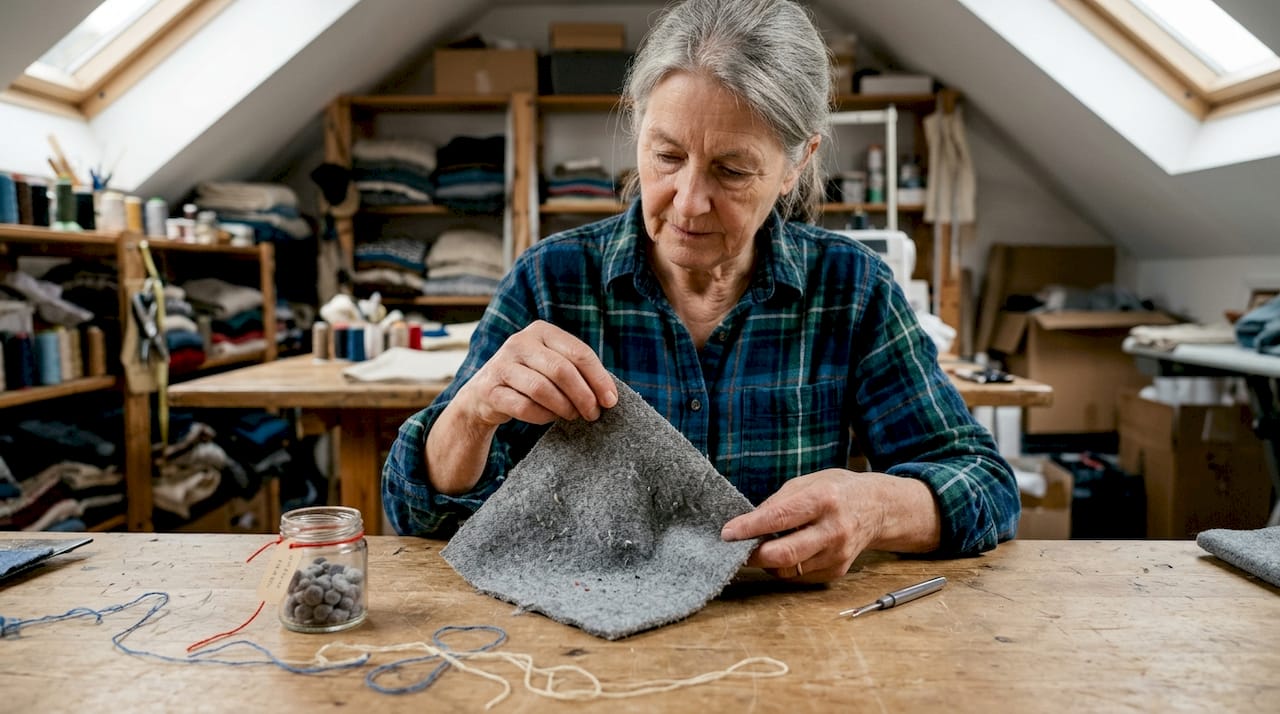
You’ve noticed those tiny fuzzy balls forming on your favorite handmade quilt or garment, and you’re worried the fabric is ruined. Here’s the surprising truth: fabric pilling is a surface phenomenon, not a sign of fabric failure. Understanding what causes these pills and how to manage them empowers you to protect your textile projects and make smarter fabric choices. This guide explains the science behind pilling, identifies which fabrics resist it best, and shares proven prevention strategies to keep your creations looking fresh.
| Point | Details |
|---|---|
| Pilling definition | Small fuzzy balls form when surface fibers protrude and entangle due to friction and wear |
| Formation stages | Four phases: fiber migration, fuzz entanglement, pill growth, and retention or shedding |
| Influencing factors | Short fibers, loose weaves, low yarn twist, and synthetic tenacity increase pilling risk |
| Testing standards | Industry uses ASTM and ISO methods with grades 1 to 5, where 5 means no pilling |
| Prevention tactics | Choose long-staple fibers, tight weaves, gentle washing, and remove pills early with fabric shavers |
Fabric pilling is the formation of small fuzzy balls caused by protruding fibers entangling under mechanical friction. When you wear, wash, or handle textiles, the surface fibers experience constant rubbing. This abrasion causes individual fibers to work their way out from the yarn structure and migrate to the fabric surface. Once exposed, these loose fibers tangle together into tiny balls we call pills.
The mechanical process follows four distinct stages: fiber migration, fuzz entanglement, pill growth, and retention or wear-off. During the first stage, friction from use causes fibers to break free from the yarn and rise to the surface. In the second stage, these protruding fibers rub against each other and neighboring fibers, creating fuzz that begins to entangle. The third stage sees these entangled fibers grow into visible pills as more fibers join the cluster.
The final stage determines whether pills remain attached or fall off. Strong synthetic fibers like polyester create pills that stubbornly cling to the fabric surface because the fiber tenacity keeps them anchored. Natural fibers like cotton and wool typically form pills that eventually wear away and shed, leaving the fabric smoother over time. This difference explains why synthetic garments often show persistent pilling while natural fiber items may pill initially but improve with continued wear.
Understanding these stages helps you recognize that pilling reflects mechanical wear on surface fibers, not a fundamental flaw in fabric quality or construction.
The relationship between pilling and pile fabric deserves clarification. Pile fabrics feature intentional raised fibers creating texture, while pilling represents unintended fiber entanglement. Both involve surface fibers, but pile is engineered for aesthetic and functional purposes, whereas pills form from wear and friction. Recognizing this distinction helps you evaluate fabric performance accurately.
Several fabric characteristics determine pilling susceptibility. Short and weak fibers increase pilling, particularly in recycled polyester where fiber degradation during processing creates more loose ends. These shorter fibers migrate to the surface more easily and lack the length to remain securely anchored in the yarn structure. Fiber strength also matters because weak fibers break under abrasion, creating more loose ends that contribute to pill formation.
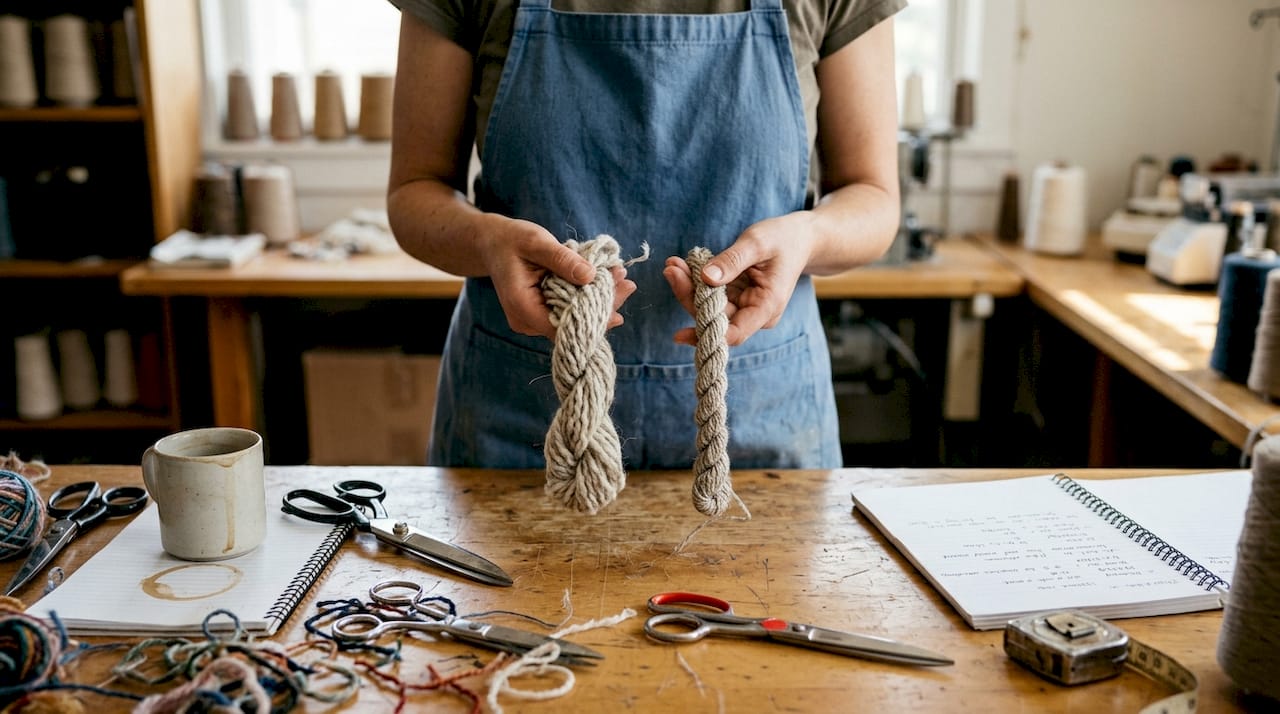
Yarn construction plays a crucial role in pilling resistance. Low yarn twist allows individual fibers to slip out more readily because they’re not tightly bound together. Tightly twisted yarns hold fibers securely, reducing migration to the fabric surface. Weave construction matters equally, as loose weaves with more space between yarns permit greater fiber movement and abrasion. Dense, tightly woven fabrics restrict fiber migration and reduce pill formation significantly.
Synthetic fibers present a unique pilling challenge due to their high tenacity. While natural fibers form pills that eventually shed, synthetic pills stick to the fabric surface indefinitely. This persistence makes pilling more visible and annoying on polyester, acrylic, and nylon fabrics. The role of fabrics in garment durability extends beyond pilling to structural integrity, but surface appearance affects perceived quality.
Wear conditions accelerate or minimize pilling based on friction exposure. Areas experiencing constant rubbing, like underarms, collar edges, and seat areas, pill faster than protected zones. Harsh washing with heavy agitation creates excessive friction that promotes pill formation. High heat drying compounds the problem by weakening fibers and increasing surface abrasion. Overloading washing machines forces fabrics to rub together more intensely, multiplying pilling risk.
Pro Tip: Pilling represents surface fuzz, not structural weakness. A fabric can pill heavily yet maintain excellent durability and strength for years. Conversely, a low-pilling fabric might wear thin or tear due to poor construction. Evaluate both surface appearance and structural integrity separately when assessing fabric quality.
Crafters working with recycled fabrics should expect slightly higher pilling rates due to shorter fiber lengths from processing. This trade-off supports sustainability goals but requires extra care during washing and handling. Understanding these factors lets you balance environmental values with performance expectations in your projects.
The textile industry uses standardized methods to measure pilling objectively. Common pilling tests include ASTM D3512, ISO 12945-1 for knits, and ISO 12945-2 Martindale for wovens and upholstery. These tests simulate real-world wear by subjecting fabric samples to controlled abrasion cycles. The random tumble method places fabric specimens in a rotating chamber with cork or rubber liners, creating friction similar to washing and wearing. The pilling box test uses fabric rubbing against itself under pressure to replicate garment use.
Martindale abrasion testing works particularly well for woven fabrics and upholstery materials. This method rubs fabric samples against standard abrasive cloth in a figure-eight motion, simulating the complex directional friction fabrics experience during use. Test cycles typically range from 5,000 to 50,000 rubs depending on intended fabric application. Upholstery fabrics undergo more cycles than apparel fabrics because they face heavier wear.
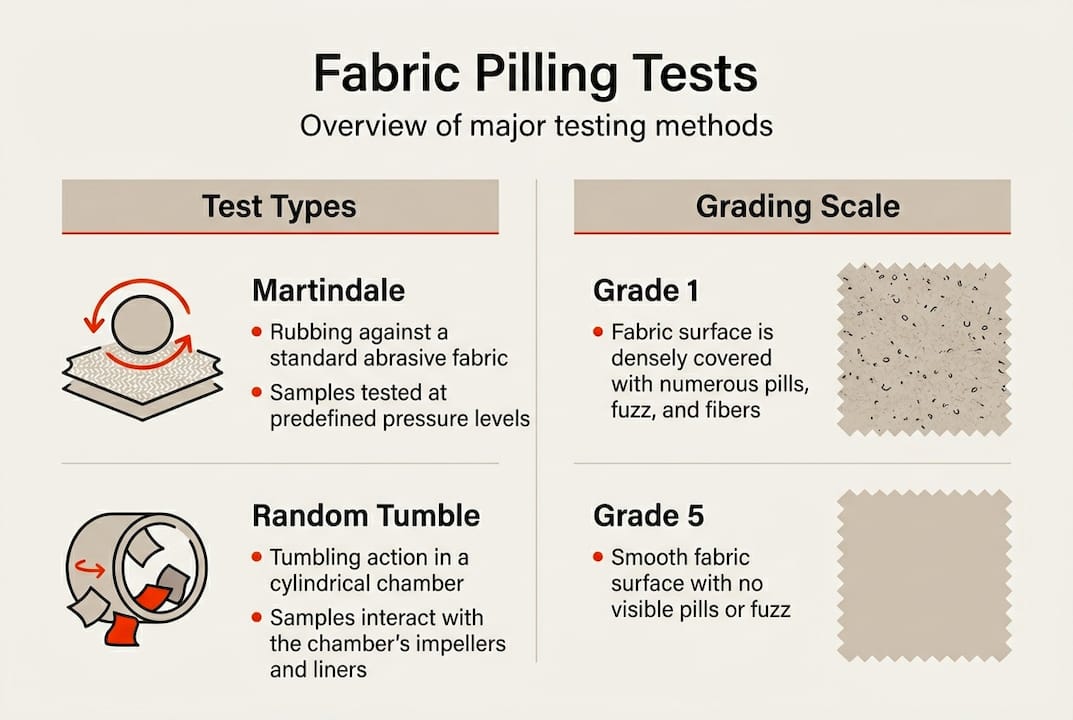
After testing, experts grade pilling severity using a standardized scale. Pilling is graded 1 to 5, with best durability corresponding to grade 4 to 5 showing no or slight fuzz. Grade 5 indicates no pilling whatsoever, representing ideal performance. Grade 4 shows slight surface fuzz barely noticeable to casual observation. Grade 3 reveals moderate pilling visible at arm’s length. Grade 2 displays severe pilling obvious from a distance, while grade 1 shows very severe pilling covering the fabric surface.
For crafters selecting fabrics, targeting grades 4 or 5 ensures long-lasting appearance in finished projects. Upholstery and home decor items benefit most from high pilling resistance because they face constant friction. Quilts and garments also perform better with resistant fabrics, though decorative items with minimal handling can tolerate lower grades. Understanding these ratings helps you make informed purchasing decisions based on project requirements.
| Test Method | Fabric Types | Test Parameters | Typical Cycles |
|---|---|---|---|
| ASTM D3512 Random Tumble | Knits, wovens, blends | Cork/rubber liner rotation | 30 min to 5 hours |
| ISO 12945-1 Pilling Box | Knitted fabrics | Fabric on fabric under pressure | 5,000 to 7,000 rubs |
| ISO 12945-2 Martindale | Wovens, upholstery | Figure-eight abrasion pattern | 5,000 to 50,000 rubs |
Pro Tip: Request pilling test results when purchasing fabric for high-use projects. Reputable suppliers provide this data for quality fabrics. If results aren’t available, test a small sample yourself by rubbing it vigorously against itself for several minutes to preview pilling tendency before committing to large yardage.
The pile fabric guide explains how intentional surface texture differs from pilling, but both affect fabric hand and appearance. Testing helps distinguish engineered pile from unwanted pill formation, ensuring you select appropriate materials for each project type.
Smart fabric selection forms your first defense against pilling. Choose longer staple fibers like Pima cotton, Egyptian cotton, or merino wool because their length keeps them securely anchored in yarn structure. These premium fibers cost more but deliver superior pilling resistance and longevity. Avoid fabrics with visible loose fibers or fuzzy surfaces, as these indicate shorter staples prone to migration.
Construction quality matters as much as fiber type. Select tightly woven fabrics with high yarn twist to minimize fiber movement. Check fabric density by holding it up to light; less light penetration indicates tighter construction that resists pilling. Examine the fabric surface for evenness and smooth texture, which suggest quality manufacturing with consistent yarn tension.
Prevention includes washing inside-out with gentle cycle and removing pills early with shavers or combs. Turning garments inside out before washing protects the visible surface from direct friction against other items and machine components. Use cold water and gentle detergent to reduce fiber stress. Liquid detergents work better than powders because they dissolve completely without leaving abrasive particles that increase surface friction.
Mesh laundry bags provide additional protection for delicate items prone to pilling. These bags create a barrier between your textiles and other garments, reducing friction during the wash cycle. Avoid overloading washing machines, which forces fabrics to rub together excessively. Leave enough space for items to move freely without constant contact. Skip high heat drying, as heat weakens fibers and tumbling action promotes pill formation. Air drying or low heat settings preserve fiber integrity.
When pills do form, remove them promptly before they grow larger and multiply. Fabric shavers use rotating blades to clip pills cleanly without damaging underlying fabric. Sweater combs and stones gently lift pills away through careful brushing. Synthetics pill because pills stick, while naturals shed pills. This difference means synthetic fabrics require more aggressive pill removal, while natural fiber items often improve naturally with continued gentle washing.
| Prevention Method | Specific Action | Impact on Pilling |
|---|---|---|
| Fiber choice | Long-staple Pima cotton, merino wool | Reduces fiber migration by 60 to 70% |
| Construction | Tight weave, high yarn twist | Minimizes surface fiber movement significantly |
| Washing protocol | Inside-out, cold water, gentle cycle, mesh bags | Cuts friction-induced pilling by 40 to 50% |
| Pill removal | Early treatment with fabric shavers or combs | Prevents pill multiplication and growth |
Pro Tip: Keep a fabric shaver in your laundry room and remove pills immediately after noticing them. Early intervention prevents pills from growing larger and entangling more fibers, which makes removal harder and risks damaging the fabric surface.
Crafters interested in choosing eco-friendly fabric should balance sustainability with pilling resistance. Many sustainable fabrics like organic cotton and Tencel offer excellent pilling resistance when manufactured with quality standards. Research specific fabric construction and fiber length rather than assuming all sustainable options pill heavily.
Now that you understand fabric pilling and how to prevent it, you’re ready to select materials that will keep your projects looking beautiful for years. Fabric-Fabric offers carefully curated fabrics engineered for durability and minimal pilling. Our selection includes tightly woven cottons, premium blends, and specialty textiles perfect for quilting, apparel, and home decor.
Browse our backdrop fabrics for photography and event projects requiring flawless appearance under scrutiny. Explore home decor fabric options built to withstand daily friction from furniture use while maintaining pristine surfaces. Our quilting treasures fabrics combine artistic designs with construction quality that resists pilling through countless washes. Each product listing includes detailed specifications helping you choose materials matched to your project’s specific durability requirements.
Natural fibers with long staples like Pima cotton and merino wool resist pilling better than short-staple alternatives. Their fiber length keeps them securely anchored in yarn structure, reducing migration to the surface. Tightly woven fabrics outperform loose knits regardless of fiber type because dense construction restricts fiber movement. Synthetics like polyester pill differently than naturals; their pills stick to the surface rather than shedding, making pilling more persistent and visible. For best results, combine long-staple natural fibers with tight weave construction. The pile fabric guide explains how intentional surface texture differs from unwanted pilling.
No fabric is entirely immune to pilling because any textile experiencing friction will eventually show some surface fiber migration. However, proper fabric choice and care practices dramatically reduce pilling severity and frequency. Selecting long-staple fibers, tight weaves, and high yarn twist minimizes the structural factors promoting pill formation. Washing gently inside-out, avoiding machine overload, and removing pills early when they appear keeps pilling manageable. Fabric construction and fiber type heavily influence whether pilling becomes a minor annoyance or a major appearance problem. Accept that some pilling is normal while focusing on minimizing it through smart choices.
Pilling is graded 1 to 5, with 1 indicating severe pilling and 5 showing no pilling. Professional tests like ASTM D3512 and ISO 12945 use controlled abrasion methods simulating real-world wear to create standardized conditions. After specified test cycles, trained evaluators compare fabric samples against photographic standards representing each grade level. Grade 5 fabrics show no surface change, while grade 1 samples display dense pill coverage. These grades help manufacturers ensure quality and help crafters choose durable fabrics. For projects requiring longevity, target fabrics rated 4 or 5 to ensure minimal pilling throughout the item’s lifespan.
Pilling indicates surface fiber behavior under friction, not necessarily poor overall quality. High-quality fabrics can pill if they contain short staple fibers or face excessive abrasion, while lower-grade fabrics might resist pilling due to tight synthetic construction. Evaluate fabric quality by examining multiple factors including fiber type, weave tightness, yarn consistency, and finish quality rather than pilling alone. Some premium natural fibers pill initially but shed pills naturally, leaving smooth surfaces after break-in periods. Consider your project’s specific requirements and acceptable trade-offs between different performance characteristics when assessing fabric suitability.