

 Canadian Dollars

What Is Cotton Canvas Fabric Used For: A Maker's Guide
Posted by BLG on 2026 Aug 15th
Posted by BLG on 2026 Aug 15th

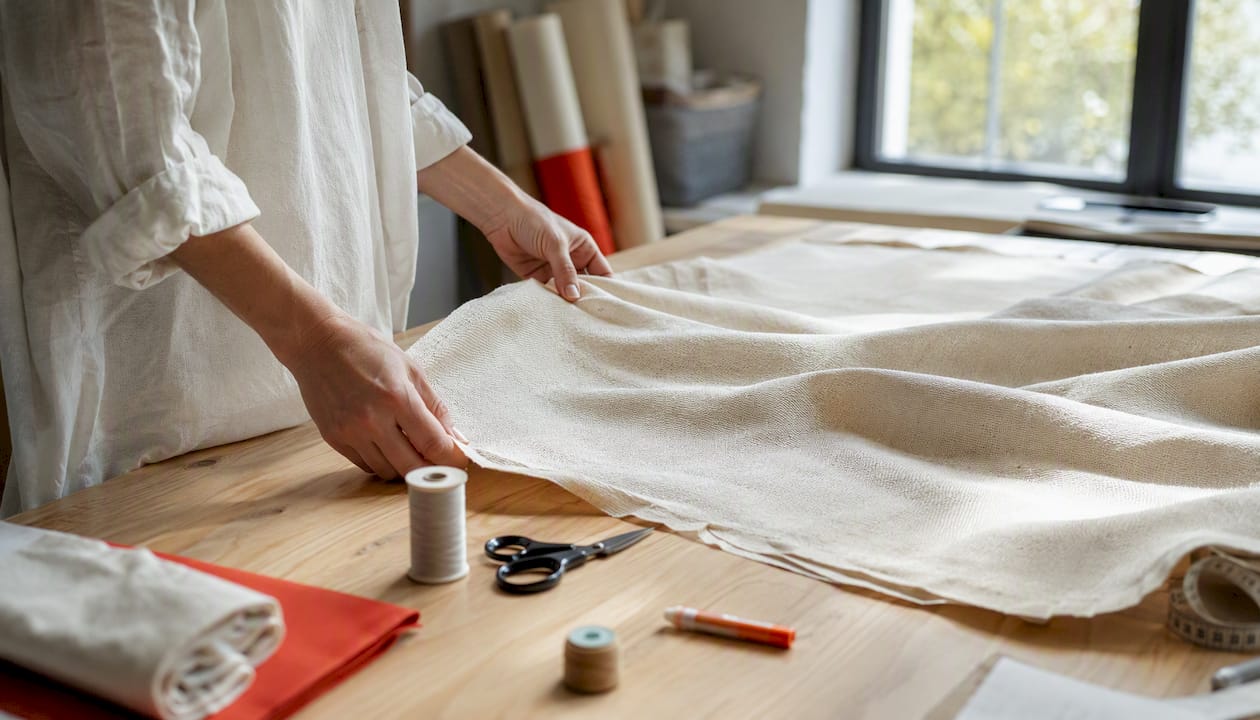
Cotton canvas is a durable, plain-woven cotton fabric used for tote bags, upholstery, artist canvases, workwear, outdoor gear, and craft projects. If you’re deciding whether it fits your next project, the short answer is: probably yes, as long as you pick the right weight and finish.
Here’s the quick weight map before we go deeper:
Two reference points worth knowing from the start: ASTM D4157-13 is the standard abrasion test used to evaluate how canvas holds up under repeated friction, and the cotton duck numbering system (No. 1 being heaviest, No. 12 being lighter) is the label system you’ll see on most commercial canvas yardage.
Cotton canvas is most useful when you match the weight and finish to the specific demands of your project, not just the general category.
| Point | Details |
|---|---|
| Match weight to project stress | Use 10–12 oz for bags and upholstery; 15 oz+ for outdoor gear and tarps. |
| Pre-wash wearables and fitted items | One hot wash before cutting removes most shrinkage potential from 100% cotton canvas. |
| Use outdoor-rated thread for sun-exposed seams | UV-resistant polyester or bonded nylon thread outlasts cotton thread significantly in outdoor applications. |
| Test finishes on a scrap first | Waxed and DWR treatments change needle behavior; always test stitch length and needle type before sewing the full piece. |
| Fabric-fabric for canvas by the yard | The home decor and backdrop categories carry canvas-weight fabrics with weight and finish details listed per product. |
Cotton canvas and cotton duck are often used interchangeably, but there’s a real distinction. Canvas is the broad category: any heavy, plain-woven fabric. Cotton duck is a specific subset with a tighter, more uniform weave and a numbered grading system that maps directly to weight and use. The word “duck” comes from the Dutch doek, meaning cloth, and the term stuck as the fabric became standard for sails, tents, and workwear.
The cotton duck Wikipedia entry documents the grade-to-weight mapping: No. 10 is common for artist canvas, No. 12 works for stretched artist canvas and furniture slipcovers, and No. 8 handles backpacks and heavy bags.
A few fiber variations change how the fabric behaves:
Cotton canvas starts as plain weave: warp and weft threads crossing at right angles, one over one under. The yarn weight and thread count determine the final fabric weight, and finishing treatments applied after weaving change the surface behavior entirely.
The weight conventions you’ll encounter:
| Duck Number | Typical Uses |
|---|---|
| No. 1–4 | Heavy tarps, industrial covers, awnings |
| No. 8 | Backpacks, heavy bags |
| No. 10 | Artist canvas, bags |
| No. 12 | Slipcovers, stretched artist canvas |
| Ungrouped light | Apparel, linings, light crafts |
Common types you’ll find at suppliers:
Pro Tip: If a product listing doesn’t state the oz/yd² or duck number, fold a corner of the fabric and feel the resistance. Stiff with minimal drape = heavy (12 oz+). Soft fold with visible drape = lighter (8 oz or under). When ordering online, request a swatch before committing to yardage.
You can explore fabric weight categories and types at Indijio’s supplier page to compare options before ordering.
Cotton canvas earns its reputation through a combination of tensile strength and abrasion resistance that most lighter fabrics can’t match. ASTM D4157-13 is the double-head abrasion test textile buyers and manufacturers use to translate lab results into real-world durability expectations. For heavy canvas grades, this matters: a No. 4 tarp canvas that passes high cycle counts on that test will outlast a lighter substitute by years in field conditions.
Key properties at a glance:
Statistic callout: According to Northshore Crafts, canvas’s tight weave and surface structure make it a preferred substrate for painting because it holds primers and paint without excessive bleed-through.
The tradeoffs are real. Canvas stiffens when it dries after washing, especially heavier grades. Poly-cotton blends from suppliers like Indijio’s cotton and linen collection improve shrink resistance and colorfastness while keeping a workable hand. Pure cotton softens beautifully over time but demands more careful laundering.
For a deeper look at how moisture-wicking behavior works in cotton fabrics, the Fabric-fabric moisture-wicking guide breaks down the mechanics clearly.
This is where cotton canvas earns its versatility reputation. The GNC Exports industrial guide and the SewingWithEase canvas guide both confirm that the same fiber, in different weights and finishes, serves radically different end uses.
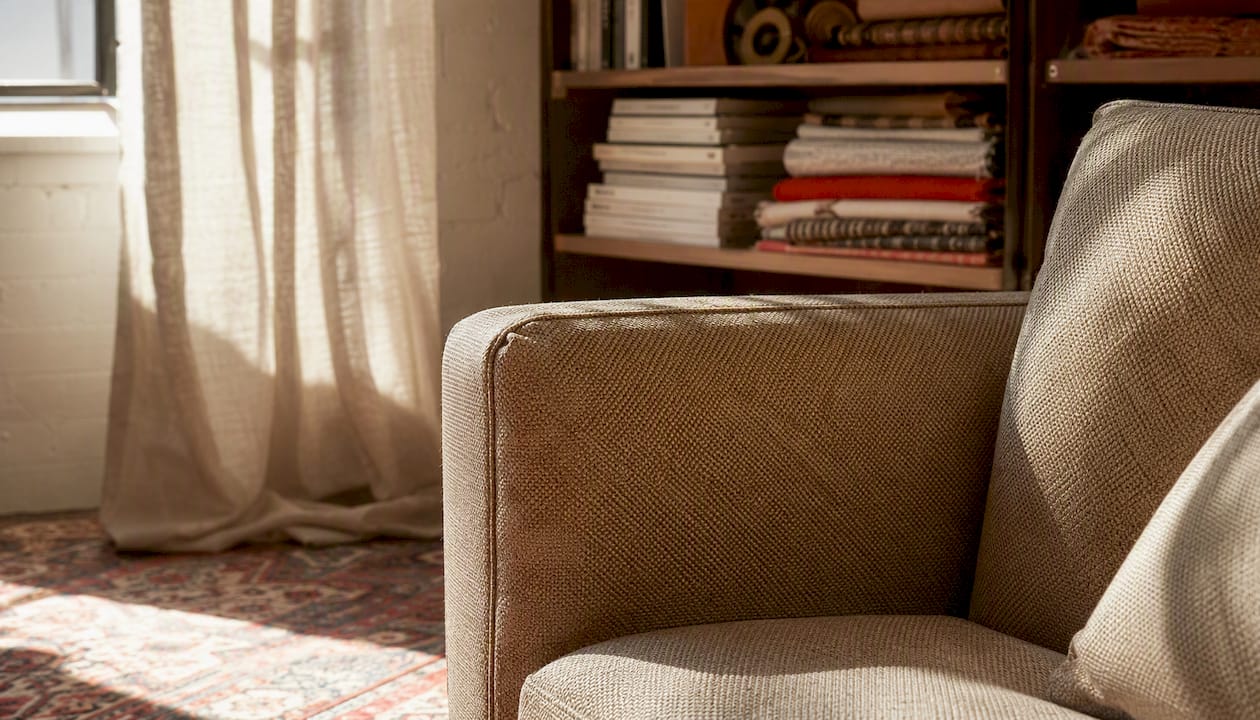
Upholstery, slipcovers, cushion covers, and curtains all work well in mid-weight canvas (10–12 oz). The fabric holds its shape under repeated use, takes upholstery thread without puckering, and can be spot-cleaned. Drop cloth canvas (typically 8–10 oz) has become a popular DIY upholstery choice because it’s inexpensive and pre-washed versions are soft enough to drape over furniture. For cotton drapery and home decor applications, mid-weight canvas gives curtains enough body to hang cleanly without blackout lining.
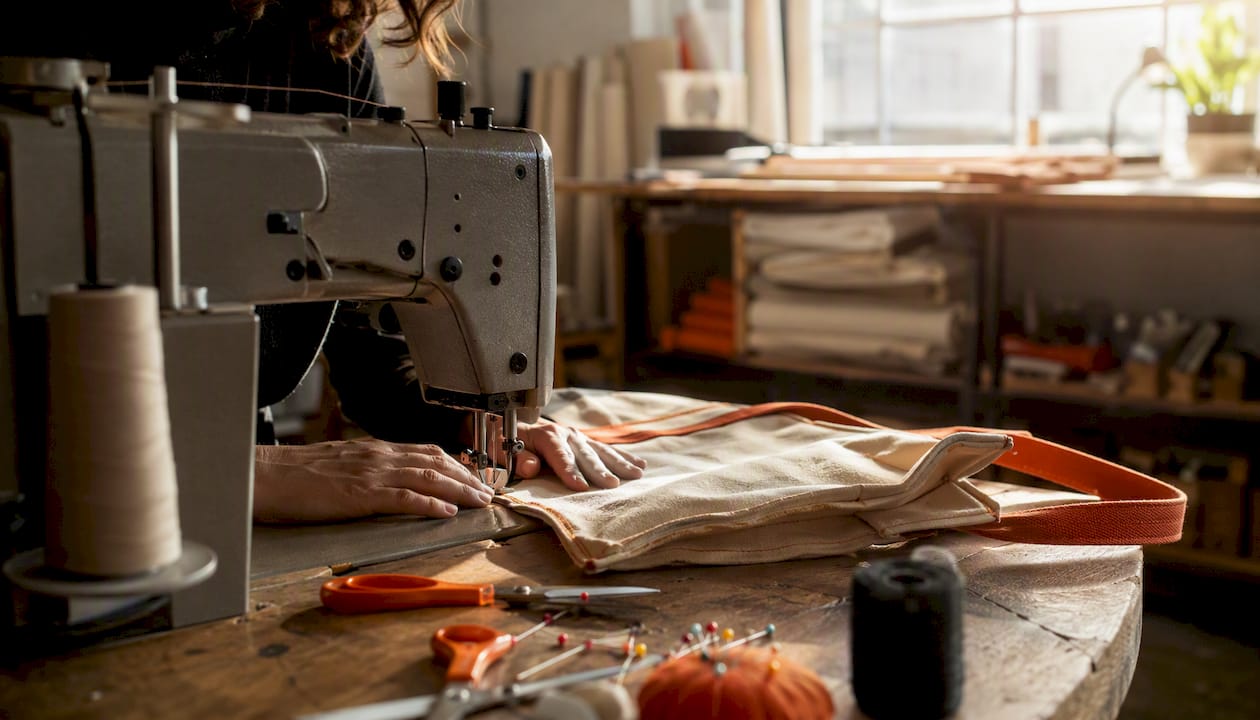
Tote bags, market bags, aprons, and canvas shoes sit in the sweet spot of No. 10–12 duck (roughly 11–15 oz). SewingWithEase recommends #10 or #12 canvas for bags and aprons specifically, and advises pre-washing to soften the hand before cutting wearable pieces. Reinforce strap attachment points with a box-X stitch; canvas holds the stitch well but the stress concentration at hardware is where bags fail first.
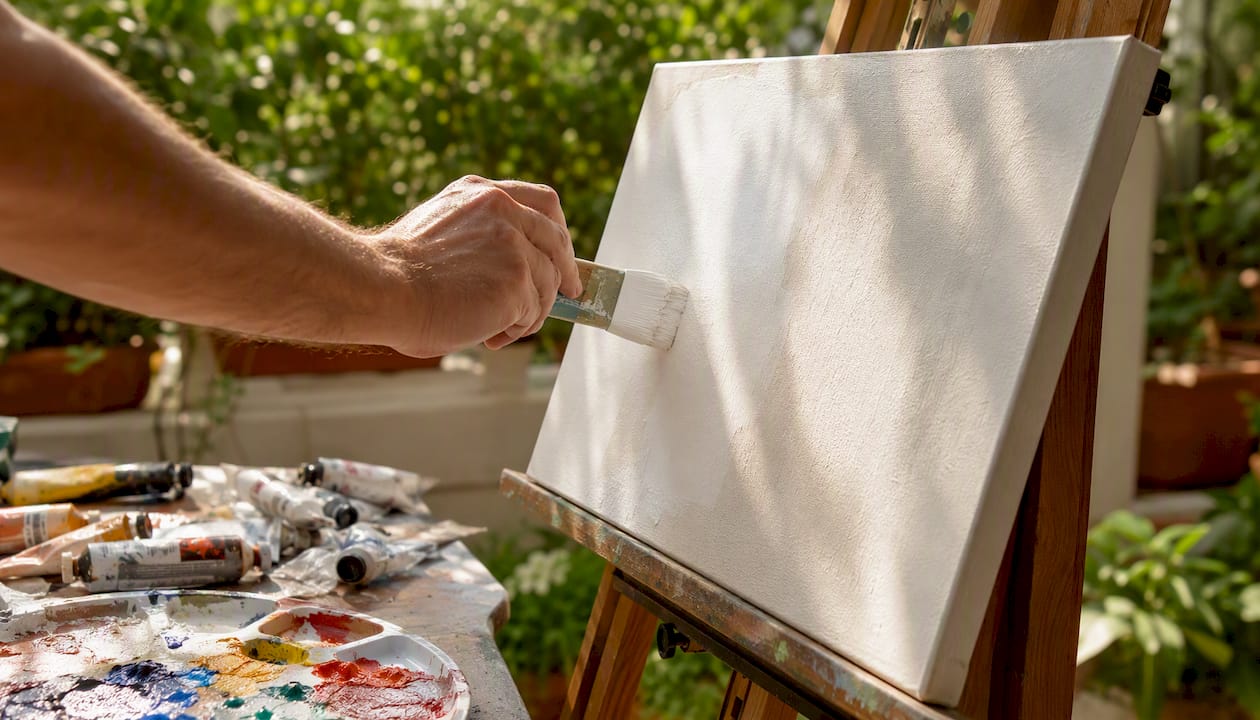
Canvas’s tight weave holds gesso and paint without excessive bleed. Northshore Crafts notes that some canvas is sold pre-primed while other types are primed by the maker. No. 10 duck is the standard for stretched artist canvas. For painting, grain direction matters: prime with the warp running vertically on the stretcher bars to minimize warping as the gesso dries.
Heavy grades (No. 1–4, 15–30 oz) handle tarps, tents, awnings, and conveyor belt covers. GNC Exports documents industrial buyers selecting grades based on tensile strength and finish for protective gear and tarpaulins. Waxed canvas is the go-to for weatherproof bags and field gear where flexibility matters more than rigid waterproofing.
Book covers, tool rolls, pencil cases, and camera straps all work in lighter canvas (6–8 oz). The fabric cuts cleanly, sews without special equipment, and takes screen printing well.
For a full breakdown of cotton duck uses by project type, the Fabric-fabric blog covers specific project recommendations.
Raw canvas needs preparation before it performs well as an art surface or weatherproof material. Skipping this step is the most common reason projects fail.
For painting and art:
For screen printing:
For weatherproofing:
Pro Tip: Always test your finish on a scrap of the same canvas before treating the full piece. Waxed and DWR-treated surfaces change needle friction significantly. Switch to a Teflon-coated or leather needle, increase stitch length to 3–3.5mm, and use a walking foot if your machine has one.
Canvas care is straightforward once you know the two rules: cold water and low heat. Both prevent the shrinkage that ruins a well-made bag or slipcover.
For outdoor canvas (awnings, tents, bags):
Pro Tip: After washing a canvas item, stuff bags with newspaper or a towel while damp and let them air dry in shape. This prevents the base from warping and keeps straps from twisting as the fabric contracts.
The Fabric-fabric fabric care guide covers care steps for a range of fabric types if you’re working with multiple materials in one project.
Run through this checklist before ordering yardage:
Example: For a tote bag, reach for No. 10 or No. 12 duck (11–15 oz), pre-washed. For an outdoor cushion cover, use 12 oz canvas with a DWR treatment and UV-resistant thread. The cushion cover needs weather resistance; the tote needs a softer hand after washing.
Check supplier labels for oz/yd² or duck number and look for colorfastness ratings if the item will see sun or repeated washing. The Fabric-fabric canvas buyer’s guide walks through label reading in more detail.
Each fabric has a lane. Cotton canvas isn’t always the right choice, and knowing when to switch saves a project.
Cotton canvas vs. denim: Denim is also a sturdy cotton weave but uses a twill construction that gives it more drape and a softer hand at similar weights. Canvas is stiffer and more abrasion-resistant at equivalent weights. For structured bags, canvas wins. For jeans or jackets where drape matters, denim is the better call.
Cotton canvas vs. linen: Linen is stronger per thread but more expensive and less forgiving to sew. It breathes better in hot weather and has a natural texture that canvas lacks. For summer garments or lightweight home decor, linen often wins on feel. Canvas wins on cost and availability. The cotton and linen comparison at Indijio shows how the two fabrics sit alongside each other in a supplier’s range.
Cotton canvas vs. poly-cotton canvas: Poly-cotton blends resist shrinkage and fade better than 100% cotton. For outdoor cushions or items that will see repeated washing, a poly-cotton canvas is more stable. Pure cotton softens more naturally and takes dye better.
Cotton canvas vs. quilting/plain cotton: Plain quilting cotton is too light for structural projects. It works for linings inside canvas bags or for light craft projects, but it won’t hold up as a bag exterior or upholstery fabric. Canvas is the structural layer; plain cotton is the lining.
For a broader comparison of cotton fabric types for apparel and crafts, the Fabric-fabric blog covers the full spectrum.
The weight-to-use mapping below reflects industry practice and the numbered duck grading system documented by Cotton duck on Wikipedia:
| Weight Range | Duck Number | Typical Uses | Notes |
|---|---|---|---|
| 4–8 oz/yd² | No. 12+ (light) | Apparel, linings, light crafts | Soft drape; pre-wash before cutting |
| 10–12 oz/yd² | No. 10–12 | Bags, aprons, upholstery, slipcovers | Most versatile range for makers |
| 15–18 oz/yd² | No. 8 | Heavy bags, backpacks, workwear | Stiff; may need breaking in |
| 18–30 oz/yd² | No. 1–4 | Tarps, tents, awnings, industrial covers | Requires heavy-duty machine or hand sewing |
Statistic callout: ASTM D4157-13 is the abrasion test method textile buyers use to evaluate how many cycles of friction a fabric withstands before surface breakdown. For heavy canvas used in bags and outdoor gear, higher cycle counts on this test translate directly to longer product life in real use.
One caveat: sources don’t always agree on exact ounce-to-use boundaries. A 10 oz canvas might be labeled “heavy” by one supplier and “mid-weight” by another. Prioritize your own drape and stiffness check over the label when possible. If the fabric folds easily and has visible give, it’s lighter than its stated weight suggests.
Most makers spend too much time chasing the perfect duck number and not enough time testing a swatch. Canvas is forgiving. A No. 10 that’s slightly heavier than expected for a tote bag will make a more durable bag, not a failed one. The real mistakes happen at the extremes: using a 4 oz canvas for a backpack that needs to hold 20 pounds, or trying to sew 24 oz industrial canvas on a home machine without the right needle and presser foot.
The weight chart matters. But the tactile check, the pre-wash test, and the needle swap matter just as much. Canvas rewards makers who treat it as a working material rather than a spec sheet exercise.

Fabric-fabric carries canvas and canvas-weight fabrics suited to the full range of projects covered here, from lighter craft weights to heavier home decor and backdrop grades. If you’re outfitting a sewing room or planning a run of tote bags, the home decor fabric section includes upholstery and canvas-grade options by the yard, with weight and usage details on each listing. For heavier yardage suited to backdrops, stage use, or large-scale projects, the backdrop fabrics category is worth a look. Order a sample swatch first, confirm the oz/yd² and finish, then commit to yardage. That one step prevents most of the mismatched-weight mistakes that send projects back to square one.