

 US Dollar

What is antimicrobial fabric? A 2026 guide to protection
Posted by BLG on 2026 Mar 11th
Posted by BLG on 2026 Mar 11th

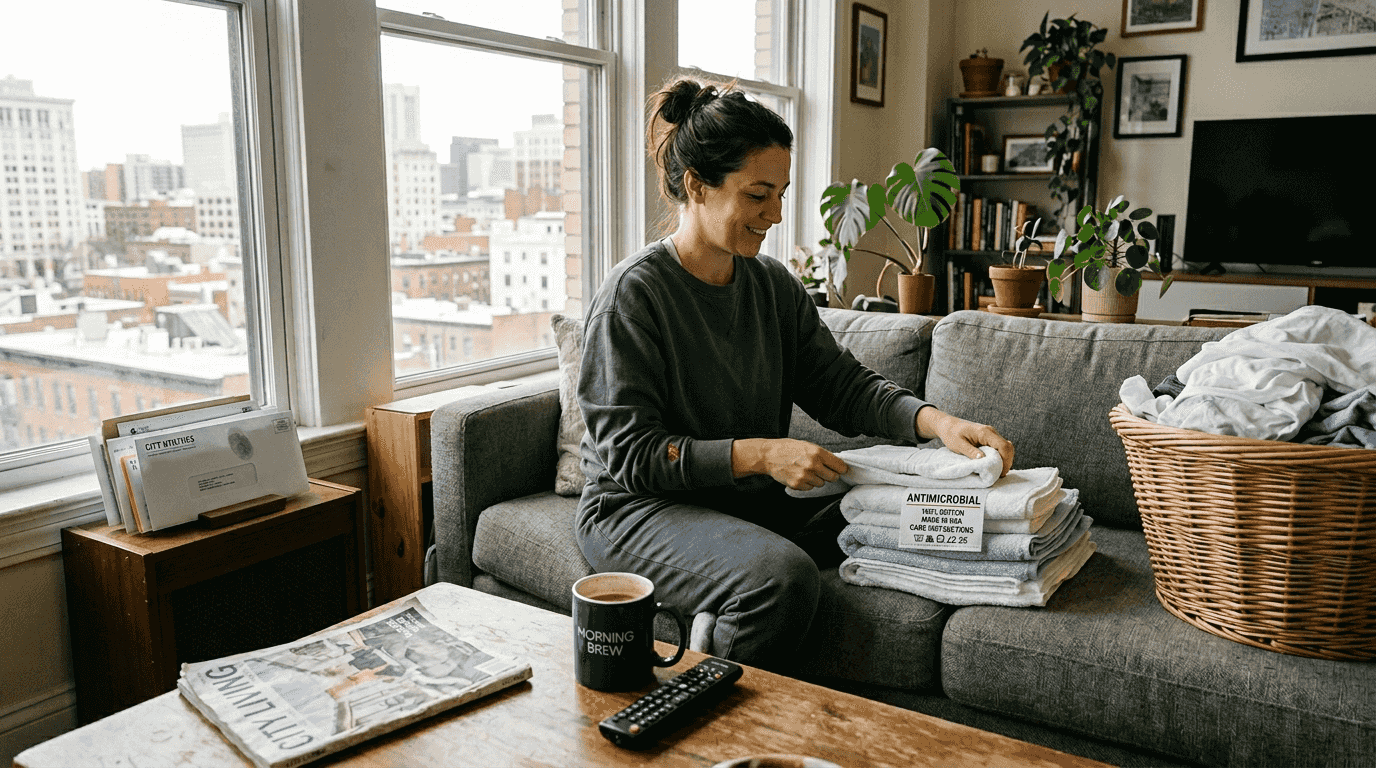
Your favorite shirt, couch cushion, or craft project might be harboring thousands of bacteria right now. Studies show everyday fabrics accumulate microbes that cause odors, stains, and even infections. Antimicrobial fabrics offer a science-backed solution by actively inhibiting or killing these microorganisms. This guide explains how antimicrobial textiles work, common agents like silver and copper, their benefits for hygiene and safety, and how to choose durable options for apparel, home decor, and crafting projects.
| Point | Details |
|---|---|
| Definition and action | Antimicrobial fabrics inhibit or kill microbes through biocidal (killing) or biostatic (growth-stopping) mechanisms. |
| Common agents | Silver, copper, quaternary ammonium compounds, and chitosan disrupt microbial cells with varying effectiveness and durability. |
| Primary benefits | Reduce infection risk, control odors in activewear, maintain hygiene in home textiles, and extend fabric freshness. |
| Durability factors | Fiber-embedded treatments last longer than surface coatings; washing frequency affects antimicrobial performance over time. |
| Selection criteria | Look for regulatory compliance, choose embedding over coating for longevity, and balance antimicrobial needs with sustainability. |
Antimicrobial fabrics are textiles engineered to inhibit or kill microorganisms on their surfaces. Unlike regular fabrics that passively collect bacteria, fungi, and viruses, these technical textiles actively fight microbial growth. The science relies on two biological actions: biocidal and biostatic.
Anti-microbial textiles inhibit growth or kill microorganisms via biocidal or biostatic action. Biocidal action destroys microbes by disrupting cell walls, denaturing proteins, or damaging DNA. Think of it as a direct attack on the microbe’s ability to survive. Biostatic action takes a different approach by preventing reproduction and growth without necessarily killing existing microbes.
Manufacturers apply antimicrobial agents using two main methods. Surface coatings involve spraying or dipping finished fabrics in antimicrobial solutions. This approach costs less but the treatment washes away more quickly. Fiber embedding integrates antimicrobial compounds directly into fibers during manufacturing, creating lasting protection that survives dozens of wash cycles.
The application method dramatically affects longevity. Surface treatments might lose effectiveness after 10 to 20 washes. Embedded treatments can maintain antimicrobial properties for 50 or more wash cycles.
Pro Tip: When shopping for antimicrobial fabrics, ask whether the treatment is embedded in fibers or applied as a coating. Embedded options cost more upfront but deliver better value through extended durability.
Four major antimicrobial agents dominate textile treatments, each with distinct mechanisms and performance profiles.
Silver ions represent the most popular choice. Silver disrupts bacterial membranes and enzyme function, reducing bacteria up to 99.9%. Silver nanoparticles penetrate cell walls and interfere with DNA replication. This dual action makes silver effective against both gram-positive and gram-negative bacteria.
Copper ions offer similar broad-spectrum protection with added antifungal benefits. Copper ions rupture membranes and interfere with metabolism, effective against bacteria including MRSA and fungi. Copper costs less than silver but may cause slight color changes in light fabrics.
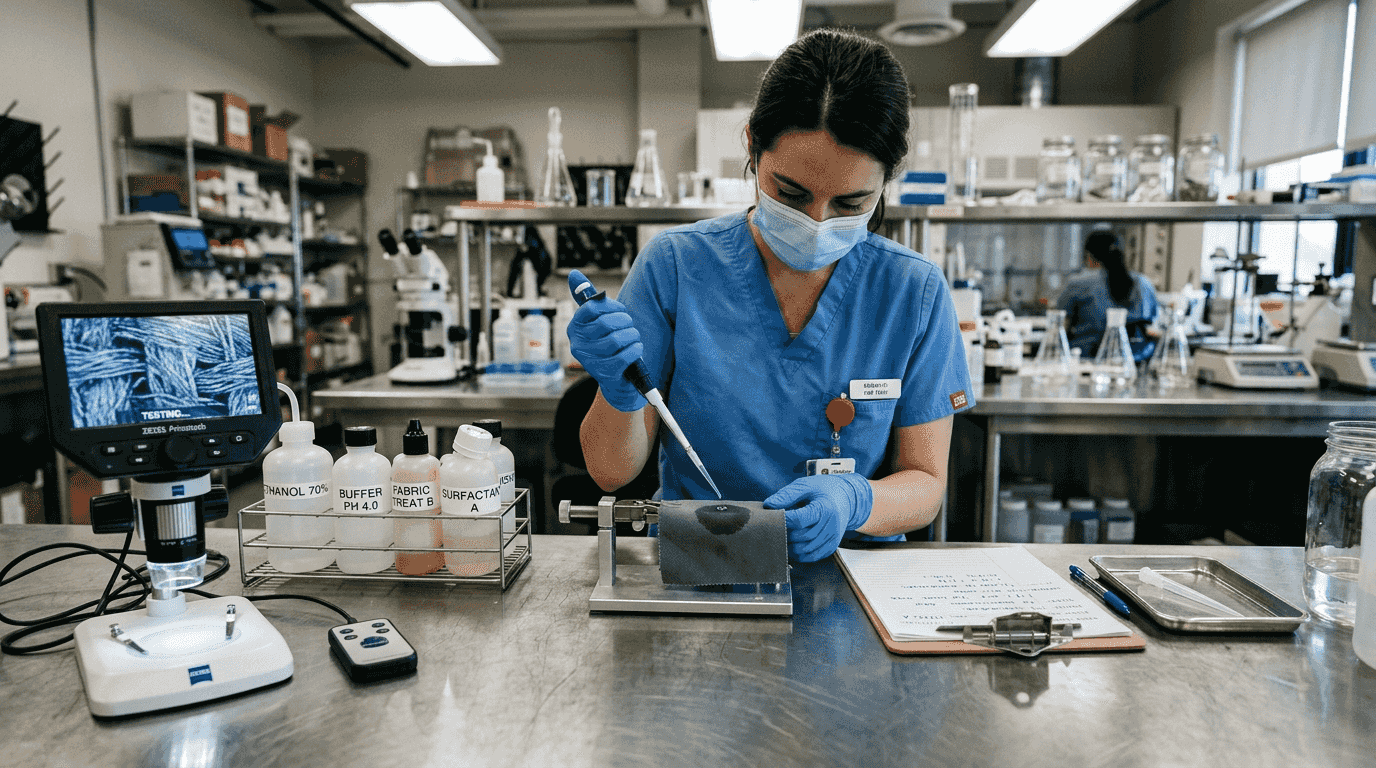
Quaternary ammonium compounds, or QACs, work differently. QACs disrupt bacterial membranes and prove effective against bacteria, fungi, and viruses. These synthetic compounds attach to fabric surfaces and pierce microbial cell membranes on contact. QACs excel in medical textiles where broad-spectrum protection matters most.
Chitosan emerges as the natural alternative. Derived from shellfish shells, chitosan causes bacterial membrane disruption and chelates metals, with nanoparticles improving efficacy. Chitosan appeals to eco-conscious buyers but typically shows lower antimicrobial strength than metal ions.
| Agent | Mechanism | Bacteria Reduction | Durability | Sustainability |
|---|---|---|---|---|
| Silver ions | Membrane disruption, enzyme interference | Up to 99.9% | High (50+ washes) | Moderate concern |
| Copper ions | Membrane rupture, metabolism interference | 95-99% | High (40+ washes) | Better than silver |
| QACs | Membrane disruption | 90-99% | Moderate (20-30 washes) | Synthetic chemical |
| Chitosan | Membrane disruption, metal chelation | 80-95% | Moderate (15-25 washes) | Highly sustainable |
The choice between agents depends on your priorities. Medical and healthcare applications typically demand silver or copper for maximum protection. Activewear manufacturers often choose QACs for their sweat-resistant properties. Craft projects and home decor might benefit from chitosan when environmental impact outweighs maximum antimicrobial strength.
Consider how fabric finishes interact with antimicrobial treatments. Some finishing processes can reduce antimicrobial effectiveness or create unwanted chemical reactions.
Antimicrobial fabrics deliver measurable advantages across health, comfort, and practical use. Antimicrobial textiles reduce microbial load and lower transmission risk in both clinical and home environments. This protection matters especially for immunocompromised individuals, elderly family members, and young children who face higher infection risks.
Odor control represents another major benefit. Bacteria breaking down sweat compounds create the distinctive smell in worn clothing. Sportswear antimicrobial fabrics reduce odor by inhibiting sweat microbial growth, keeping activewear fresher between washes. Gym enthusiasts and athletes notice the difference immediately.
Practical applications span multiple categories:
The market reflects growing consumer awareness. Industry experts note rising expectations for antimicrobial properties in textiles beyond traditional healthcare settings. Consumers now seek these benefits in everyday products.
“As awareness grows about hygiene and infection control, consumers increasingly expect antimicrobial properties in textiles they use daily, from activewear to home furnishings.”
This trend aligns with broader 2025 fabric trends emphasizing functional innovation alongside aesthetics. Crafters and designers now incorporate antimicrobial properties into projects ranging from baby quilts to reusable shopping bags.
Pro Tip: When selecting antimicrobial fabrics for home projects, consider moisture exposure. Bathroom textiles and kitchen linens benefit most from antimicrobial treatments due to constant dampness that promotes microbial growth.
Selecting antimicrobial fabrics requires understanding application methods and their longevity implications. Surface coatings prove cost-effective but wash off easily, while fiber embedding offers long-lasting durability. This fundamental difference affects both initial cost and lifetime value.
Washing impacts all antimicrobial treatments eventually. Even embedded treatments degrade over time. Pretreatment improves silver nanoparticle fixation but washing still reduces effectiveness. Hot water, harsh detergents, and bleach accelerate this degradation. Manufacturers typically test antimicrobial persistence through standardized wash cycle protocols.
Regulatory compliance signals safety and effectiveness. EPA regulates biocidal products under FIFRA in the U.S., requiring registration for antimicrobial claims. Look for EPA registration numbers on product labels. International buyers should verify compliance with local regulations like EU Biocidal Products Regulation.
Safety considerations include potential skin sensitivity and environmental release. Silver and copper nanoparticles raise questions about aquatic toxicity when washed into water systems. Reputable manufacturers provide safety data sheets and third-party testing results.
These practices extend effectiveness from months to years. A quality embedded antimicrobial fabric maintained properly can retain 70% to 80% of its original antimicrobial activity after 50 wash cycles.
Understanding proper fabric care basics becomes even more critical with antimicrobial textiles. Standard care mistakes that merely shorten regular fabric life can completely eliminate antimicrobial benefits.
Pro Tip: Balance antimicrobial benefits against fabric sustainability trends. Natural antimicrobial options like chitosan-treated organic cotton offer a middle ground between performance and environmental responsibility.
Ready to upgrade your projects with antimicrobial protection? Fabric Fabric offers a curated selection of high-quality fabrics engineered for both performance and beauty. Whether you’re creating activewear that stays fresh, home textiles that resist microbial growth, or craft projects requiring extra hygiene, you’ll find fabrics that meet your needs.

Browse our home decor fabric collection featuring upholstery and drapery options with protective finishes. Explore specialized backdrop fabrics for photography and events that maintain cleanliness across multiple uses. Fabric Fabric supports your conscious choices with diverse, affordable options that don’t compromise on quality. Every fabric listing includes detailed specifications, care instructions, and application suggestions to help you select the perfect material.
Antimicrobial fabric contains chemical or natural agents that actively kill or inhibit microorganisms, while regular fabric passively collects bacteria and fungi without resistance. Regular textiles require frequent washing to remove microbial buildup, whereas antimicrobial versions maintain cleanliness between washes and resist odor development.
Regulated antimicrobial fabrics undergo safety testing for skin contact and typically pose minimal risk for most people. Silver, copper, and approved QACs used in textiles remain bound to fibers rather than transferring significantly to skin. However, individuals with metal sensitivities should test small fabric samples first or choose natural alternatives like chitosan.
Most antimicrobial fabrics lose effectiveness gradually rather than suddenly. Manufacturer labels specify expected wash durability, typically 20 to 50 cycles depending on treatment type. If odors return quickly after washing or fabric develops visible mildew despite proper drying, antimicrobial properties have likely diminished below effective levels.
Allergic reactions to antimicrobial fabrics remain rare but possible, particularly with synthetic compounds like QACs. Metal ion treatments like silver and copper rarely cause true allergies, though some people experience irritant contact dermatitis. Always test new antimicrobial textiles on a small skin area before using in clothing or bedding if you have sensitive skin or known chemical sensitivities.
Silver and copper nanoparticles released during washing can accumulate in aquatic environments and potentially harm beneficial microorganisms in water treatment systems. QACs persist in the environment and may contribute to antimicrobial resistance. Natural alternatives like chitosan offer better biodegradability but lower antimicrobial strength. Choose fiber-embedded treatments over surface coatings to minimize wash-off and environmental release.
No, antimicrobial fabrics reduce microbial growth but don’t eliminate the need for regular cleaning. They extend time between washes by controlling odor and bacterial buildup, but dirt, oils, and dead skin cells still accumulate and require removal. Think of antimicrobial properties as a supplement to good hygiene practices, not a replacement for proper fabric care.